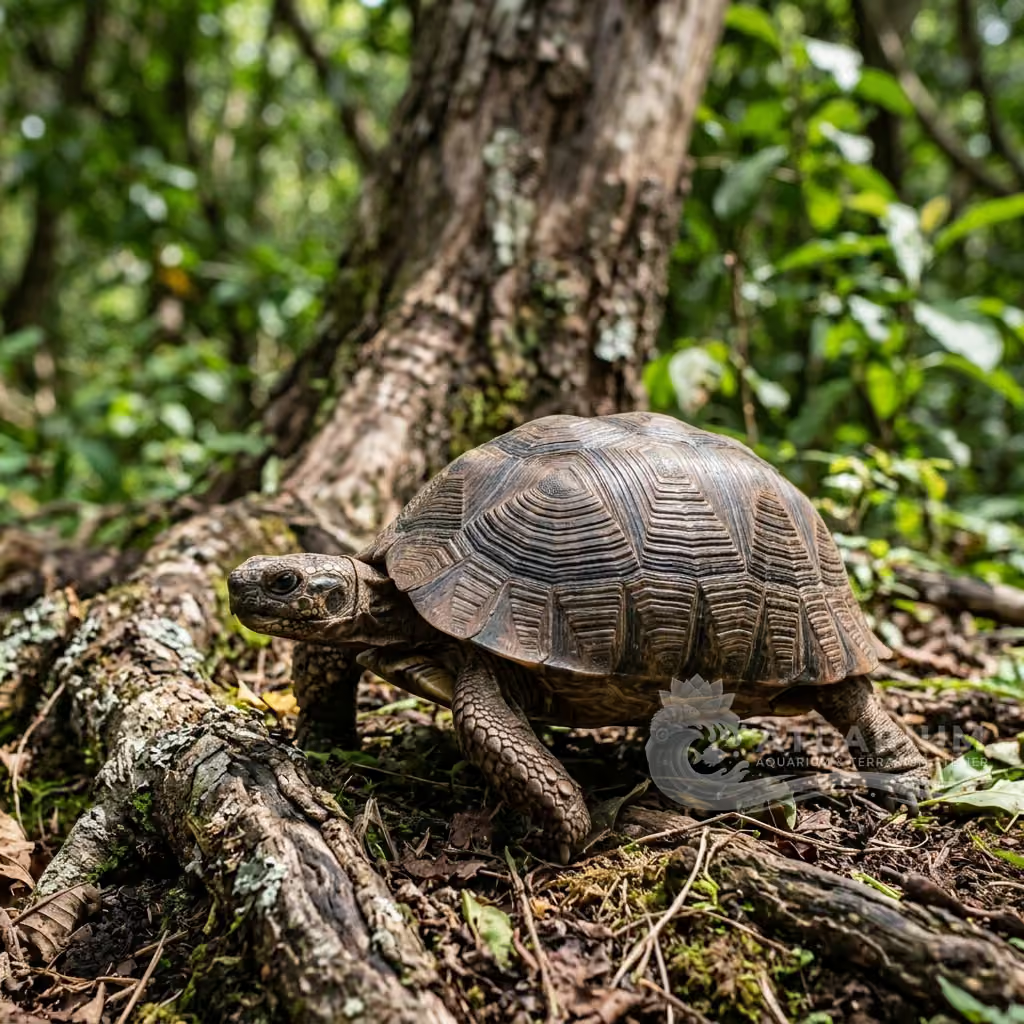
Ploughshare tortoise
Astrochelys yniphora
One of the rarest and most critically endangered tortoises in the world, endemic to Madagascar, famous for its high-domed shell and unique plough-like gular scute.
Environment
Terrestrial
Humidity
50 - 75 %
Day temperature
20 - 32 °C
Ambient temperature
20 - 32 °C
Night temperature
21.5 - 23.5 °C
Basking spot
35 - 38 °C
Adult size
40 cm
Minimum enclosure
>= 1,000 L
UVB
Ferguson 3
UVI
1 - 2.6 UVI

Species description
Geographical Origin and Habitat: Astrochelys yniphora, commonly known as the Angonoka or Ploughshare tortoise, is endemic to a very restricted area in northwestern Madagascar near Baly Bay. It inhabits dry deciduous scrub forests, bamboo thickets, and palm savannas. This habitat experiences severe dry seasons, and the species is on the brink of extinction due to illegal poaching for the pet trade and habitat loss.
Taxonomy and Genetics: Belonging to the family Testudinidae and the genus Astrochelys, it is closely related only to the radiated tortoise (Astrochelys radiata). It is a monotypic species with no subspecies. Genetic management is critical, and all captive specimens are managed under strict international studbooks to prevent inbreeding depression.
Behavior and Habits: Strictly diurnal, with peak activity coinciding with the rainy season when herbaceous vegetation is abundant. During the hot, dry season, they retreat into dense bamboo thickets, entering estivation to conserve body moisture. Males are territorial and engage in combat during the breeding season using their unique anatomy.
Morphology: Features a highly domed, rounded carapace with a pale brown to golden-caramel color, marked by dark growth rings. Its most defining characteristic is the gular scute on the plastron, which projects forward and upward between the forelegs. Males use this spade-like projection to flip rivals over during mating battles.

Care, breeding and tankmates
Terrarium Setup: Because of their size and conservation status, adults cannot be housed in standard glass terrariums. They require large greenhouse-style indoor enclosures or expansive, secure outdoor pens with grass, soil, and deep leaf litter. Provide dense vegetative cover such as non-toxic shrubs and shaded structures.
Lighting and Heating: Requires high-intensity UVB lighting (using metal halide or mercury vapor bulbs) to support proper bone development. The basking area should reach 35-38 °C, with a cooler ambient zone of 26-28 °C. Do not let nighttime temperatures drop below 22 °C, as these tortoises are highly sensitive to respiratory chill.
Humidity and Hydration: Maintain a relative humidity of 60-70% to replicate the undergrowth microclimate of Madagascar. Provide a large, shallow water pan that allows the tortoise to soak safely without risk of drowning. Regular misting of the enclosure helps keep the shell hydrated and mimics seasonal rain patterns.
Feeding and Supplementation: A strict herbivore requiring a high-fiber, low-protein diet. Feed primarily grasses, weeds, dandelion, mulberry leaves, and spineless cactus pads. Avoid feeding fruit or soft vegetables, which cause digestive issues. Dust food regularly with calcium carbonate and vitamin D3 supplements.
Compatibility: Can be kept in small groups if provided with a massive enclosure. However, adult males must be monitored or separated during the breeding season to prevent injuries from fighting. Never house them with other tortoise species to prevent the transmission of fatal pathogens like herpesvirus.
Health and Common Diseases: Prone to pyramiding (abnormal shell growth) if fed a diet too high in protein or sugar, or if kept in overly dry conditions. Susceptible to respiratory infections if exposed to cold drafts. Internal parasites can build up quickly in captive environments, requiring biannual veterinary checkups.

Geographic origin and distribution
Astrochelys yniphora, commonly known as the Angonoka or Ploughshare tortoise, is endemic to a very restricted area in northwestern Madagascar near Baly Bay. It inhabits dry deciduous scrub forests, bamboo thickets, and palm savannas. This habitat experiences severe dry seasons, and the species is on the brink of extinction due to illegal poaching for the pet trade and habitat loss.
Origin
North AmericaAfrica and Madagascar

Reptile profile
- Diet
- Herbivore
- The critically endangered Ploughshare Tortoise is an obligate herbivore that forages in the dry bamboo forests of Madagascar. Its natural diet primarily consists of bamboo leaves, various shrubs, wild grasses, and occasional seasonal herbs. High-fiber vegetation is paramount to sustaining their distinctively shaped, highly domed carapaces and overall metabolic health. Conservation diets closely mimic these dry, fibrous natural food sources to maintain stable captive populations.
- Adult size
- 40 cm
- Lifestyle/Microhabitat
- Terrestrial
- A strictly terrestrial tortoise that occupies dry, scrubby bamboo forests. The unique, elongated gular scute on its plastron is utilized by males in combat during the breeding season.
- Activity cycle
- Diurnal
- Highly diurnal, this species spends its days grazing on local flora in Madagascar, retreating into dense shrubbery when temperatures become excessively hot at midday.
- Sociality
- Solitary
- Named for the prominent, plow-like extension on the lower shell of males, this species is relatively sedentary but fiercely competitive during mating season. They inhabit mixed scrub and bamboo habitats, seeking deep shade during the searing heat of midday to regulate their body temperature. They are generally solitary and move with slow deliberation while foraging through their native scrubland. Due to their immense value in the illegal pet trade, their wild behavior is heavily impacted by human interference.
- Reproduction
- Oviparous
- Mating behaviors peak during the rainy season, characterized by intense male-to-male combat using their uniquely extended gular scutes to flip rivals. A receptive female will lay multiple clutches of 3 to 6 large, spherical eggs in nests dug into sandy terrain. The incubation period spans several months, requiring the dry season heat to stimulate eventual hatching. Recruitment in the wild is extremely low due to severe habitat pressure and predation on juvenile tortoises.
- Handling tolerance
- Tolerant
- Known for being quite docile but extremely rare. Because of its immense conservation value and fragile status, interactions should be limited strictly to essential husbandry and health checks.
- Brumation
- Not required
- It does not brumate; however, it may become sluggish or aestivate during prolonged dry seasons. It must be kept warm throughout the year.
- Molting
- Regular
- Skin sheds continuously in small flakes rather than all at once. Providing a moderately humid environment ensures the scutes and skin remain healthy and free from cracking.

Related species
Recommendations grouped by close relatives, companion choices, and similar care.