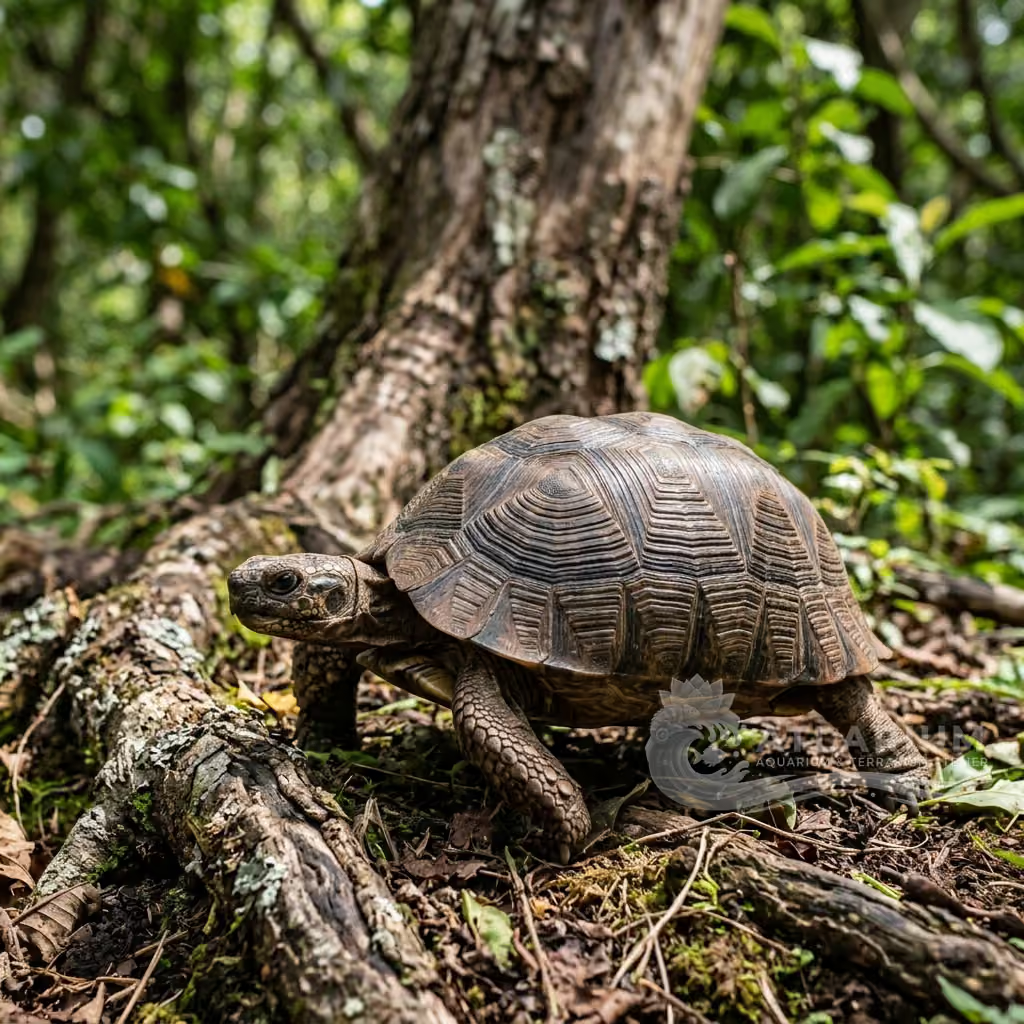
Ivory African spurred tortoise
Centrochelys sulcata
A beautiful leucistic selection of the African spurred tortoise, displaying a clean cream or ivory coloration with dark eyes.
Environment
Terrestrial
Humidity
30 - 60 %
Day temperature
28 - 32 °C
Ambient temperature
30 °C
Night temperature
20 °C
Basking spot
35 - 38 °C
Adult size
85 cm
Minimum enclosure
>= 10,000 L

Species description
Geographical Origin and Habitat: This color morph belongs to the species Centrochelys sulcata, native to the semi-arid Sahel region of sub-Saharan Africa. They inhabit dry savannas, grasslands, and desert fringes. The 'Ivory' color morph is a product of selective breeding in captivity and is not typically found in the wild.
Taxonomy and Genetics: Member of the family Testudinidae. The 'Ivory' morph is a form of hypomelanism. It is genetically recessive, resulting in a dramatic reduction of dark pigments (melanin) in the skin and shell, giving it an ivory-cream color. Unlike albinos, they retain dark pigment in their eyes.
Behavior and Habits: Terrestrial, diurnal, and highly active. They are prolific burrowers, digging deep tunnels to thermoregulate against extreme heat and cold. They possess a robust, determined temperament, and mature males are known to be territorial and highly physical during interactions.
Morphology: Features a heavy, robust build with thick, scaled legs and prominent spurs on their thighs. The carapace plates show deep growth rings (sulci) and are colored a solid ivory or cream, lacking any dark brown or black markings. Adults can reach 80 cm in length and weigh over 50-80 kg.

Care, breeding and tankmates
Terrarium Setup: While hatchlings can start in large indoor tortoise tables (minimum 120x60 cm), their rapid growth necessitates transition to a large, highly secure outdoor yard. Fences must be strong and sunk deep into the ground to prevent tunneling. A heated night house is mandatory for winter.
Lighting and Heating: Requires high-output UVB lighting (10% bulb or metal halide) for 12 hours a day. Basking spot temperature must reach 35-38 degrees Celsius (95-100°F), with a cooler area at 26 degrees. Nighttime temperatures must be kept above 20 degrees Celsius using ceramic heat emitters.
Humidity and Hydration: Keep ambient humidity low (30-40%). However, hatchlings benefit from a humid hide box to support smooth shell development and prevent dehydration. Provide a shallow, heavy water dish daily. Soaking young tortoises in warm water twice a week is highly recommended.
Feeding and Supplementation: Strictly herbivorous, high-fiber diet. Feed lawn grasses, clover, dandelion, hay, romaine lettuce, and spineless cactus pads. Never feed fruit, grains, or commercial dog/cat food. Dust food with pure calcium carbonate three times a week and a calcium/D3 supplement once a week.
Compatibility: Males are highly territorial and will aggressively ram and fight other males using their gular horns. Keep only one male per group of females in large outdoor enclosures, or house them individually to prevent stress and injury from constant breeding attempts.
Health and Common Diseases: Susceptible to Metabolic Bone Disease (MBD) and respiratory infections if kept too cold or wet. Because of their light coloration, ensure ample shade is always available in outdoor enclosures to prevent sunburn and heat exhaustion during peak solar hours.

Geographic origin and distribution
This color morph belongs to the species Centrochelys sulcata, native to the semi-arid Sahel region of sub-Saharan Africa. They inhabit dry savannas, grasslands, and desert fringes. The 'Ivory' color morph is a product of selective breeding in captivity and is not typically found in the wild.
Origin
Selective breeding and cultivarsAfrica and Madagascar

Reptile profile
- Diet
- Herbivore
- The Ivory Sulcata, distinguished by its lack of pigment, thrives on a spartan diet of high-fiber grasses and pasture hays. Constant access to grass clippings, timothy hay, and safe weeds is necessary to maintain their slow-moving digestive tracts. Excessive protein or vegetable matter can easily disrupt their gut flora and lead to severe pyramiding of their striking white shell. Clean, fresh water must always be available for soaking and drinking.
- Adult size
- 85 cm
- Lifestyle/Microhabitat
- Terrestrial
- They are exclusively terrestrial and highly fossorial by nature. In the arid regions of sub-Saharan Africa, Sulcatas survive extreme heat by digging immense, deep burrows. In a captive environment, this instinct remains strong; owners must be prepared for extensive landscaping alterations and ensure that outdoor enclosures possess strong, deeply buried perimeter fences to prevent the tortoise from excavating their way out.
- Activity cycle
- Diurnal
- The Sulcata, or African Spurred Tortoise, is strictly diurnal. They spend their days actively foraging across large areas for grasses and weeds, interspersed with long periods of basking under the harsh sun. Due to their immense size and high energy demands, they require extremely powerful heat and UVB lighting setups when housed indoors, though natural, unfiltered sunlight is always the best option for this massive species.
- Sociality
- Solitary
- Ivory Sulcatas possess the same bulldozer-like personalities as their wild counterparts, constantly roaming and rearranging their enclosures. They are relentless diggers and will readily construct massive burrows to maintain optimal body temperatures and humidity. While their dark eyes are less sensitive to sunlight than albinos, their pale skin still demands adequate shading to prevent overheating during peak daylight hours.
- Reproduction
- Oviparous
- Breeding closely mirrors the habits of wild-type African spurred tortoises, generally occurring in the wetter months of the year. The male pursues the female, frequently bumping her shell to induce mating. The female painstakingly excavates a large dirt nest to safely conceal dozens of spherical eggs. The Ivory mutation is a distinct recessive trait, requiring strategic breeding pairs to express the brilliant, spotless white shells in the offspring.
- Handling tolerance
- Tolerant
- Sulcatas are famous for their bold, outgoing, and generally docile temperaments. They rarely bite and quickly learn to recognize their keepers, often approaching for food. However, as the third-largest species of tortoise in the world, their sheer size and incredible physical strength make them difficult to manage or physically move as adults. They act like bulldozers, completely unaware of their own destructive power.
- Brumation
- Sulcatas originate from the hot, arid Sahel region of Africa and absolutely do not undergo winter brumation or hibernation. They are entirely incapable of surviving freezing or even moderately cold temperatures for extended periods. Keepers living in cooler climates must provide massive, highly insulated, and deeply heated indoor enclosures or climate-controlled sheds to house them safely through the winter months.
- Molting
- Regular
- Like all tortoises, they do not shed their skin in a single piece. Instead, the tough, leathery skin on their limbs and neck continuously flakes off in small patches. Proper hydration is critical, especially for fast-growing hatchlings, to ensure smooth shell growth (preventing 'pyramiding') and healthy skin. Regular soaking and access to a clean, shallow mud wallow can greatly assist in their natural molting and hydration process.

Related species
Recommendations grouped by close relatives, companion choices, and similar care.