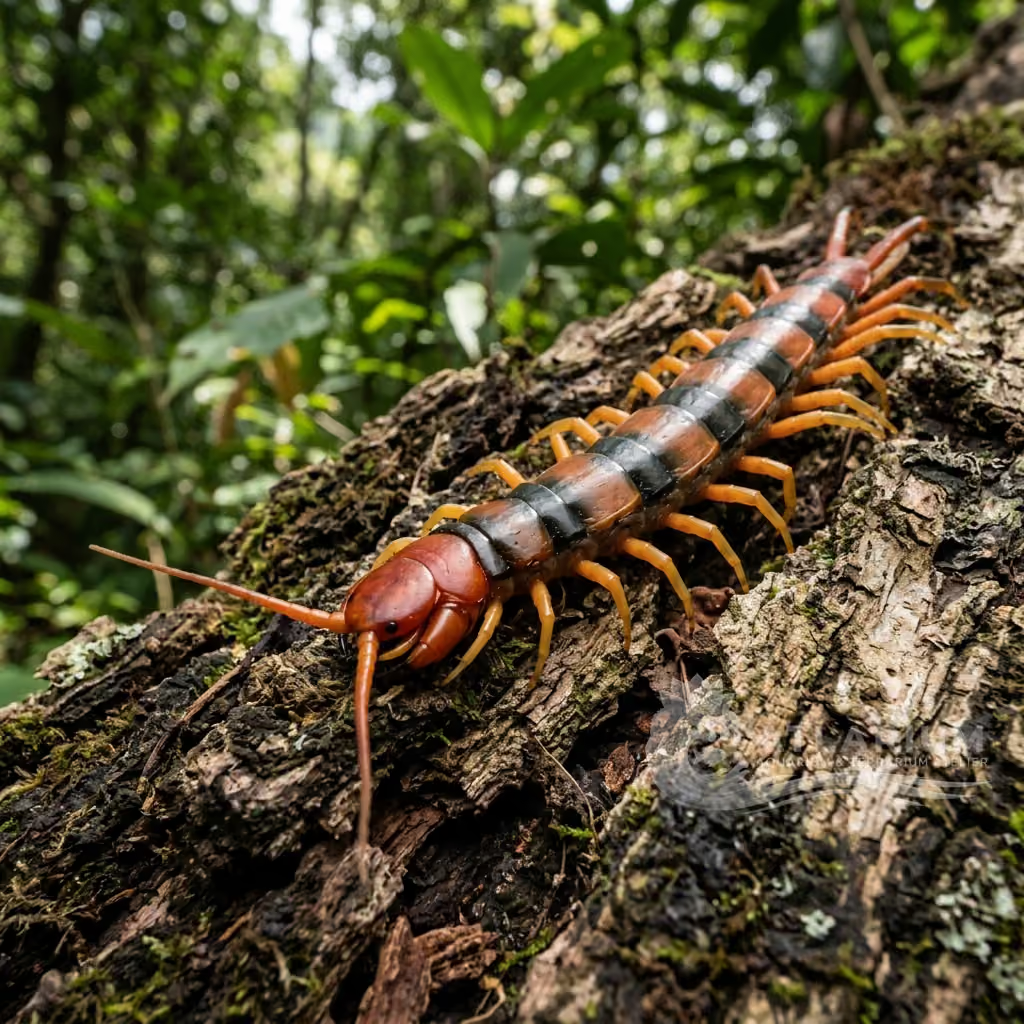
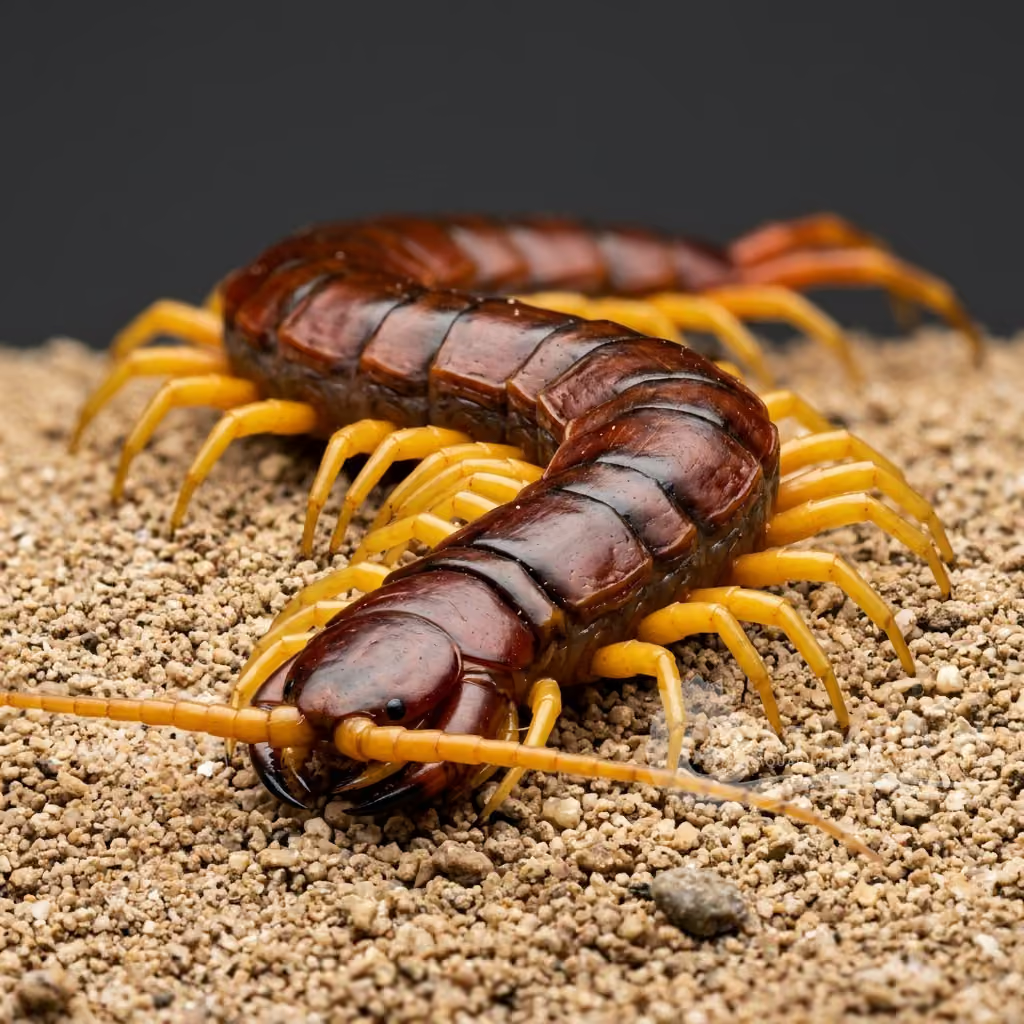
Giant desert centipede
Scolopendra heros
An impressive North American centipede known for its large size and painful venom. Requires secure, escape-proof housing and experience handling fast-moving venomous invertebrates.
Environment
Terrestrial
Humidity
45 - 60 %
Ambient temperature
24 - 28 °C
Day temperature
26 °C
Night temperature
20 - 22 °C
Substrate depth
>= 8 cm

Species description
Geographical Origin and Habitat: Native to the arid and semi-arid regions of southwestern North America, including Texas, New Mexico, Arizona, and northern Mexico. It inhabits rocky hillsides, canyons, and desert scrub, sheltering under rocks or logs during the day.
Taxonomy and Genetics: Belongs to the class Chilopoda, order Scolopendromorpha, family Scolopendridae. The species exhibits several regional color morphs (such as "castaneiceps" with a red head) adapted to different environmental conditions.
Behavior and Habits: Primarily nocturnal, solitary, and highly aggressive predator. It is exceptionally fast and defensive; it will bite readily using its venomous forcipules (modified legs) if provoked or handled.
Morphology: Can reach lengths of 16-20 cm (6.5 to 8 inches), making it one of the largest centipede species in North America. The body has 21 segments, each with a pair of yellow or orange legs, and features a distinct black, yellow, or red-orange head coloration.

Care, breeding and tankmates
Terrarium Setup: Requires a secure, escape-proof terrarium (minimum 18x12x12 inches / 45x30x30 cm). Sliding lids with fine metal mesh and secure latches are mandatory, as they can fit through tiny gaps. Use a substrate of coconut fiber or peat moss mixed with sand (2-3 inches deep).
Lighting and Heating: Maintain daytime temperatures of 24-28°C (75-82°F) using a heat pad on one side. Night temperatures can drop to 20-22°C (68-72°F). No special lighting or UVB is required.
Humidity and Hydration: Being a desert species, it prefers lower humidity (40-50%), but a corner of the substrate must be kept slightly damp. Provide a shallow, heavy water dish that cannot be easily tipped over.
Feeding and Supplementation: Highly voracious predator. Feed appropriately sized crickets, roaches, mealworms, and occasionally pinky mice for large adults. Direct vitamin supplementation is not required if prey is gutloaded.
Compatibility: Strictly solitary. Housing specimens together will result in lethal fights and cannibalism.
Health and Common Diseases: Susceptible to fungal infections (mycosis) and mites if kept in overly damp conditions. The venom is highly painful and clinically significant to humans; handle only with long tweezers and avoid any direct contact.

Geographic origin and distribution
Native to the arid and semi-arid regions of southwestern North America, including Texas, New Mexico, Arizona, and northern Mexico. It inhabits rocky hillsides, canyons, and desert scrub, sheltering under rocks or logs during the day.
Origin
Selective breeding and cultivarsExtra-Amazon South AmericaCentral America and CaribbeanNorth America

Terrestrial invertebrate profile
- Diet
- Carnivore
- Opportunistic ambush predator consuming insects, small reptiles, amphibians, and rodents. Enjoys roaches, crickets, and occasional pinky mice in captivity.
- Adult size
- 20 cm
- Lifestyle/Microhabitat
- Terrestrial
- This species is primarily terrestrial and semi-fossorial. It relies heavily on a deep, structured substrate to construct burrows, which help it regulate its body temperature and hydration levels in its native habitat.
- Activity cycle
- Nocturnal
- The Giant desert centipede is a highly active nocturnal predator. During the daylight hours, it remains concealed beneath rocks, logs, or deep within burrows to conserve moisture. Once darkness falls, it emerges to actively patrol the substrate for invertebrate and small vertebrate prey.
- Sociality
- Solitary
- Generally solitary, terrestrial, and mostly nocturnal. They are known for being highly defensive and will not hesitate to strike multiple times if they feel threatened.
- Reproduction
- Oviparous
- Females are fiercely maternal, clutching their egg masses in dark, humid burrows. The mother continues to groom and defend the young until they undergo their first molt.
- Venomous
- Yes
- Handling tolerance
- Display only
- As a highly venomous and unpredictable centipede, it is strictly a display animal. Handling is strongly discouraged due to its aggressive feeding response, fast movements, and capability of delivering a medically significant, agonizing bite. Always use long tongs for enclosure maintenance.
- Brumation
- Not required
- Requires a winter cooling period to simulate natural seasonal changes and maintain long-term health.
- Molting
- Regular
- Molting occurs periodically as the centipede grows, requiring elevated humidity to prevent fatal molting complications. It will retreat to a secure, moist burrow and refuse food for several days before shedding, typically consuming the exuviae afterward.

Related species
Recommendations grouped by close relatives, companion choices, and similar care.