Hump-nosed Viper
Hypnale hypnale
A small venomous pit viper native to southern India and Sri Lanka. Highly cryptic and slow-moving, it poses a significant bite risk and requires expert care.
Environment
Terrestrial
Humidity
70 - 85 %
Day temperature
23 - 27 °C
Ambient temperature
23 - 27 °C
Night temperature
19 - 21 °C
Basking spot
29 °C
Adult size
50 cm
Minimum enclosure
>= 100 L

Species description
Geographical Origin and Habitat: Distributed across southern India (Western Ghats) and Sri Lanka. It adapts to a wide range of habitats, from dense tropical rainforests and dry forests to agricultural areas like coffee plantations and rural gardens.
Taxonomy and Genetics: The type species of the genus Hypnale, belonging to the Viperidae family, subfamily Crotalinae. Noted for producing a venom with hemotoxic and cytotoxic activity. There are no captive-bred color morphs available.
Behavior and Habits: Primarily terrestrial, sluggish, and highly camouflaged ambush predator. Active mostly at night, it remains motionless on the forest floor, relying on its pattern to hide. If threatened, it will vibrate its tail and lift its head.
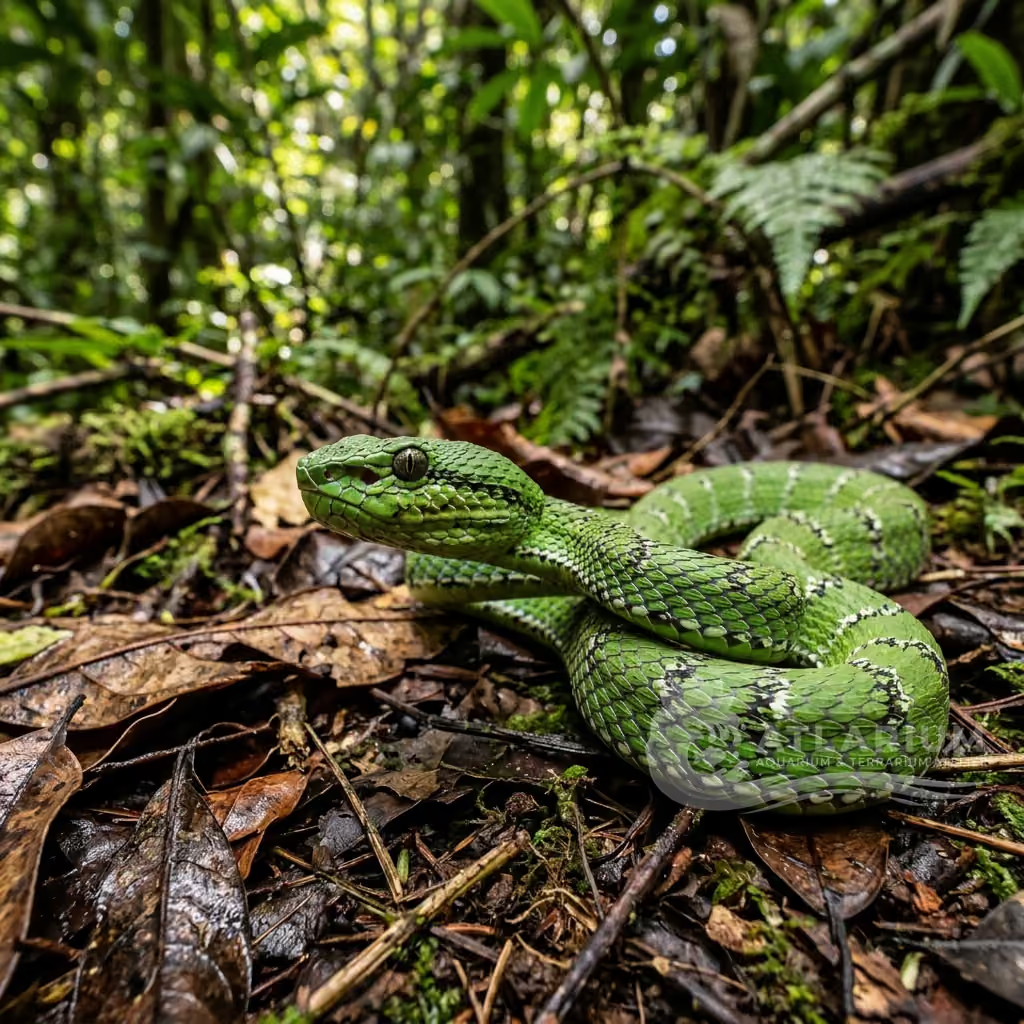
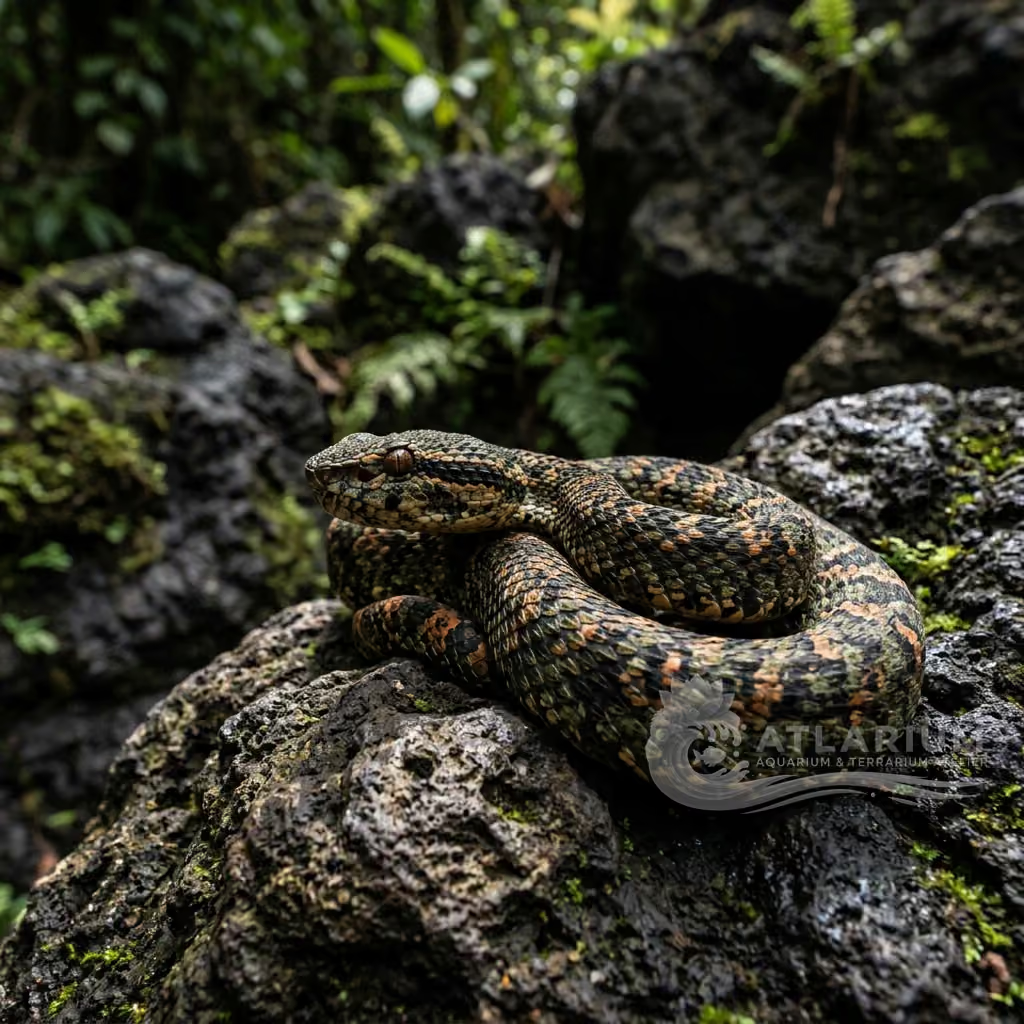
Morphology: Small size, typically ranging from 30 to 50 cm. It has a robust body, a triangular head covered with small scales, and a characteristic turned-up snout tip. Coloration is brown-gray with dark, triangular lateral markings.

Care, breeding and tankmates
Terrarium Setup: An escape-proof enclosure is mandatory, minimum 60x40x40 cm. Use a semi-humid substrate with dry spots and natural hides like hollow cork bark. Add artificial plants to increase coverage and allow the snake to feel secure.
Lighting and Heating: Maintain a daytime temperature of 28°C (82°F) on the warm side and 24°C (75°F) on the cool side. Drop the temperature by a few degrees at night. Provide low-intensity lighting without high UV emissions to mimic forest floors.
Humidity and Hydration: Recommended humidity is 60-75%, with temporary increases to 80% via misting to simulate monsoon seasons. A heavy, stable water dish must always be present to ensure proper hydration and prevent tipping.
Feeding and Supplementation: Diet consists of small mice or lizards. Juveniles might require assist-feeding with long safety tweezers to stimulate feeding with gentle movements. Feed every 10 days, avoiding oversized prey.
Compatibility: Must be housed individually. It is not suitable for cohabitation with any other animal. Classified as a dangerous species due to potentially lethal venom; requires local permits and specialized handling skills.
Health and Common Diseases: Risk of digestive impaction if ambient temperatures drop below acceptable limits. Periodically check for snake mites in the terrarium and maintain proper ventilation to prevent skin infections.

Geographic origin and distribution
Distributed across southern India (Western Ghats) and Sri Lanka. It adapts to a wide range of habitats, from dense tropical rainforests and dry forests to agricultural areas like coffee plantations and rural gardens.
Origin
Selective breeding and cultivarsSouth and Southeast Asia

Reptile profile
- Diet
- Carnivore
- The hump-nosed viper has a varied diet consisting of frogs, lizards, skinks, small rodents, and occasionally other small snakes. It is an ambush predator that relies heavily on its excellent camouflage among leaf litter to surprise passing prey. Juvenile individuals are known to use caudal luring, wriggling the tips of their differently colored tails to attract small lizards and frogs. Once the prey is within striking distance, the viper delivers a rapid, venomous bite to subdue it.
- Adult size
- 50 cm
- Lifestyle/Microhabitat
- Terrestrial
- A terrestrial to semi-terrestrial snake, it typically dwells on the forest floor, utilizing leaf litter, root systems, and low-lying vegetation for camouflage and ambush hunting. While they may occasionally ascend low shrubs, their enclosure should prioritize maximum floor space with abundant terrestrial hideouts to foster a sense of security.
- Activity cycle
- Nocturnal
- This species is primarily nocturnal, remaining hidden during the daylight hours to avoid extreme heat and predators. As dusk approaches, the Hypnale hypnale becomes active, emerging from its diurnal retreat to forage and hunt. Enclosure lighting should reflect a natural day-night cycle, but the snake will exhibit its most natural active behaviors after the lights go out.
- Sociality
- Solitary
- Hump-nosed vipers are generally sluggish and terrestrial, spending much of their time coiled and motionless amidst dry leaves and undergrowth. They are predominantly nocturnal and crepuscular, becoming most active in the early morning and late evening. Despite their lethargic demeanor, they can strike with surprising speed when provoked or when hunting. When threatened, they often vibrate their tails rapidly and flatten their bodies, sometimes bluffing before resorting to a defensive bite.
- Reproduction
- Viviparous
- This species is viviparous, meaning it gives birth to live young rather than laying eggs. The female typically produces a litter of around 4 to 10 neonates after a gestation period that lasts several months. The young are born fully developed and are miniature versions of the adults, complete with functional venom delivery systems. They disperse shortly after birth to begin hunting small prey and avoiding larger predators on the forest floor.
- Handling tolerance
- Display only
- Due to its highly potent and medically significant venom, the Hypnale hypnale is strictly a display-only species. Under no circumstances should this snake be free-handled. All interactions, enclosure maintenance, and feeding must be performed using professional snake hooks, secure lockable terrariums, and strict safety protocols to prevent life-threatening envenomation.
- Brumation
- Not required
- Originating from relatively stable, warm climates, this species does not require a true winter brumation period. Maintaining consistent ambient temperatures year-round is ideal for their health. However, slight nocturnal temperature drops and seasonal changes in rainfall or humidity can be provided to mimic their native environment and stimulate natural behaviors.
- Molting
- Periodic
- Originating from highly humid tropical environments, this snake requires consistently elevated ambient humidity to shed its skin properly. Frequent daily misting or a rain system should be utilized when the snake goes into blue. A properly humidified enclosure prevents dysecdysis (abnormal shedding), which can lead to restricted blood flow or infection.

Related species
Recommendations grouped by close relatives, companion choices, and similar care.