Hutton’s Pit Viper
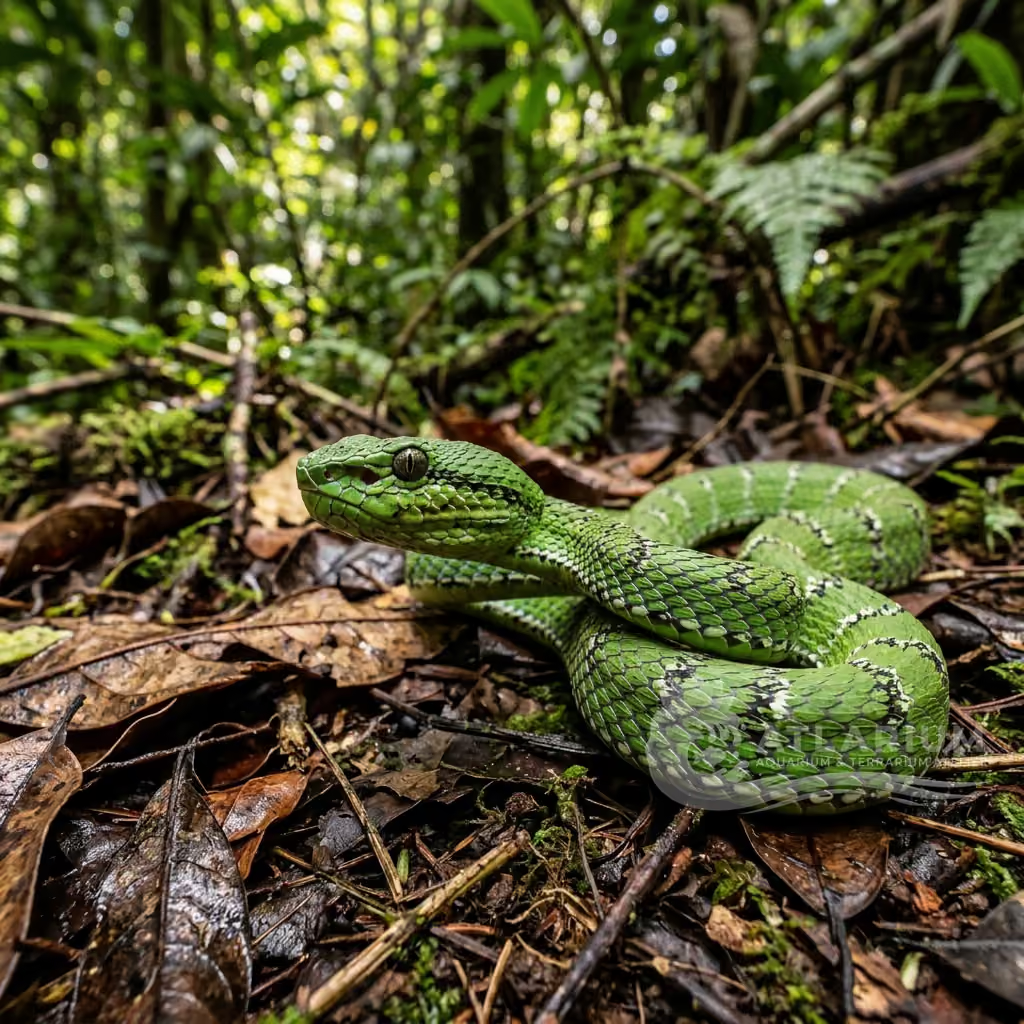
Tropidolaemus huttoni
Spectacular arboreal temple pit viper from Southeast Asia, known for its extreme sexual dimorphism and requiring high humidity paired with excellent ventilation.
Environment
Terrestrial
Humidity
75 - 90 %
Day temperature
22 - 26 °C
Ambient temperature
22 - 26 °C
Night temperature
18 - 20 °C
Basking spot
28 °C
Adult size
50 cm
Minimum enclosure
>= 100 L

Species description
Geographical Origin and Habitat: Native to Southeast Asia, this species inhabits warm and humid primary and secondary rainforests, often associated with coastal areas and mangroves, living mainly on low-to-medium branches.
Taxonomy and Genetics: The genus Tropidolaemus comprises the Asian temple pit vipers, characterized by an exceptionally triangular head and an ovoviviparous reproductive biology.
Behavior and Habits: Primarily nocturnal and sedentary ambush predator, spending long periods motionless waiting for small rodents or birds to pass within striking range.
Morphology: Exhibits extreme sexual dimorphism. Females are large, heavy-bodied, and display dark green patterns with yellow or bluish bands; males remain much smaller and retain a bright green coloration with red and white stripes.

Care, breeding and tankmates
Terrarium Setup: Requires a tall enclosure with secure, sturdy climbing branches and dense foliage to provide hiding places and a sense of security.
Lighting and Heating: Maintain daytime temperatures around 25-30°C with a localized basking spot of 30°C. 12-hour light cycle with low-level UVB lighting.
Humidity and Hydration: Maintain humidity between 75% and 90%. Mist the enclosure regularly; this species rarely drinks from standing bowls and prefers licking droplets off leaves or their own skin.
Feeding and Supplementation: Feed appropriately sized rodents or lizards (especially for males and juveniles). Dust prey with calcium and vitamin D3 twice a month.
Compatibility: Solitary and territorial. Males and females must be housed separately to avoid stress, except for managed breeding attempts.
Health and Common Diseases: Vulnerable to respiratory infections if air becomes stagnant; excellent ventilation is critical. Dehydration-related constipation is also a common issue.

Geographic origin and distribution
Native to Southeast Asia, this species inhabits warm and humid primary and secondary rainforests, often associated with coastal areas and mangroves, living mainly on low-to-medium branches.
Origin
Selective breeding and cultivarsSouth and Southeast AsiaEast Asia

Reptile profile
- Diet
- Carnivore
- These vipers are ambush predators that feed mainly on small mammals, frogs, and lizards in the wild. In captivity, they can usually be transitioned to a diet of appropriately sized rodents, such as mice or small rats. Feeding should occur every one to two weeks depending on the age and size of the snake.
- Adult size
- 50 cm
- Lifestyle/Microhabitat
- Arboreal
- Arboreal species spend the majority of their lives in trees and shrubs, requiring vertically oriented enclosures with climbing branches. Terrestrial species need ample floor space with hiding spots among the leaf litter. Both require specific temperature and humidity gradients to thrive.
- Activity cycle
- Nocturnal
- These snakes are primarily nocturnal or crepuscular, becoming most active during the evening and night. During the day, they often rest coiled on branches or concealed in vegetation. Their activity levels can increase significantly after a period of rain or during the breeding season.
- Sociality
- Solitary
- They are typically ambush hunters, relying on their camouflage to remain undetected by both prey and predators. When threatened, they may adopt a defensive posture, hiss, or strike rapidly. They are generally not aggressive but will defend themselves fiercely if provoked.
- Reproduction
- Viviparous
- Most of these species are viviparous, giving birth to live young after a gestation period of several months. The neonates are fully independent and venomous from birth. Breeding often requires a cooling period or specific environmental cues to simulate natural seasonal changes.
- Handling tolerance
- Display only
- Handling must be strictly avoided except when absolutely necessary for husbandry or medical reasons. Always use appropriate tools such as snake hooks or tongs to move the animal safely. These are highly venomous species, and a bite can result in severe medical consequences.
- Brumation
- Not required
- Depending on their natural range, some may undergo a mild winter cooling period to stimulate breeding. This is not a deep brumation but rather a slight drop in temperature accompanied by reduced feeding. Tropical species may not require any significant seasonal changes in captivity.
- Molting
- Periodic
- Shedding occurs periodically as the snake grows, heralded by the eyes turning a milky blue color. During this time, they should be left undisturbed and humidity should be slightly increased to facilitate a clean shed. A healthy snake will shed its skin in one complete, unbroken piece.

Related species
Recommendations grouped by close relatives, companion choices, and similar care.