Tokara habu
Protobothrops tokarensis
A highly venomous pit viper endemic to the Tokara Islands of Japan. Characterized by a slender body, its exceptionally nervous temperament requires extreme caution and care.
Environment
Terrestrial
Humidity
65 - 80 %
Day temperature
20 - 30 °C
Ambient temperature
20 - 30 °C
Night temperature
20 - 22 °C
Basking spot
28 - 30 °C
Adult size
90 cm
Minimum enclosure
>= 200 L

Species description
Geographical Origin and Habitat: Protobothrops tokarensis, commonly known as the Tokara habu, is endemic to the small volcanic islands of Takarajima and Kotakarajima in the Tokara island group of Kagoshima Prefecture, Japan. It inhabits subtropical forests, coastal grasslands, agricultural areas, and the margins of human settlements. It prefers humid microhabitats, often sheltering in volcanic rock crevices, dense undergrowth, and dry stone walls where prey is abundant.
Taxonomy and Genetics: It belongs to the family Viperidae and the subfamily Crotalinae (pit vipers). Genetically, it is closely related to the larger Protobothrops flavoviridis, of which it was previously classified as a subspecies. However, genetic and morphological analyses have confirmed its status as a distinct species. There are no recognized subspecies. It is classified as vulnerable due to its extremely small, island-bound geographic range and low genetic diversity.
Behavior and Habits: The Tokara habu is primarily nocturnal and crepuscular, though it may occasionally bask or be active during overcast days or the breeding season. As an ambush predator, it relies on its loreal pits to detect the infrared body heat of small mammals, birds, and lizards in total darkness. It is a highly nervous and defensive snake; when threatened, it quickly coils into an 'S' shape and strikes with remarkable speed.
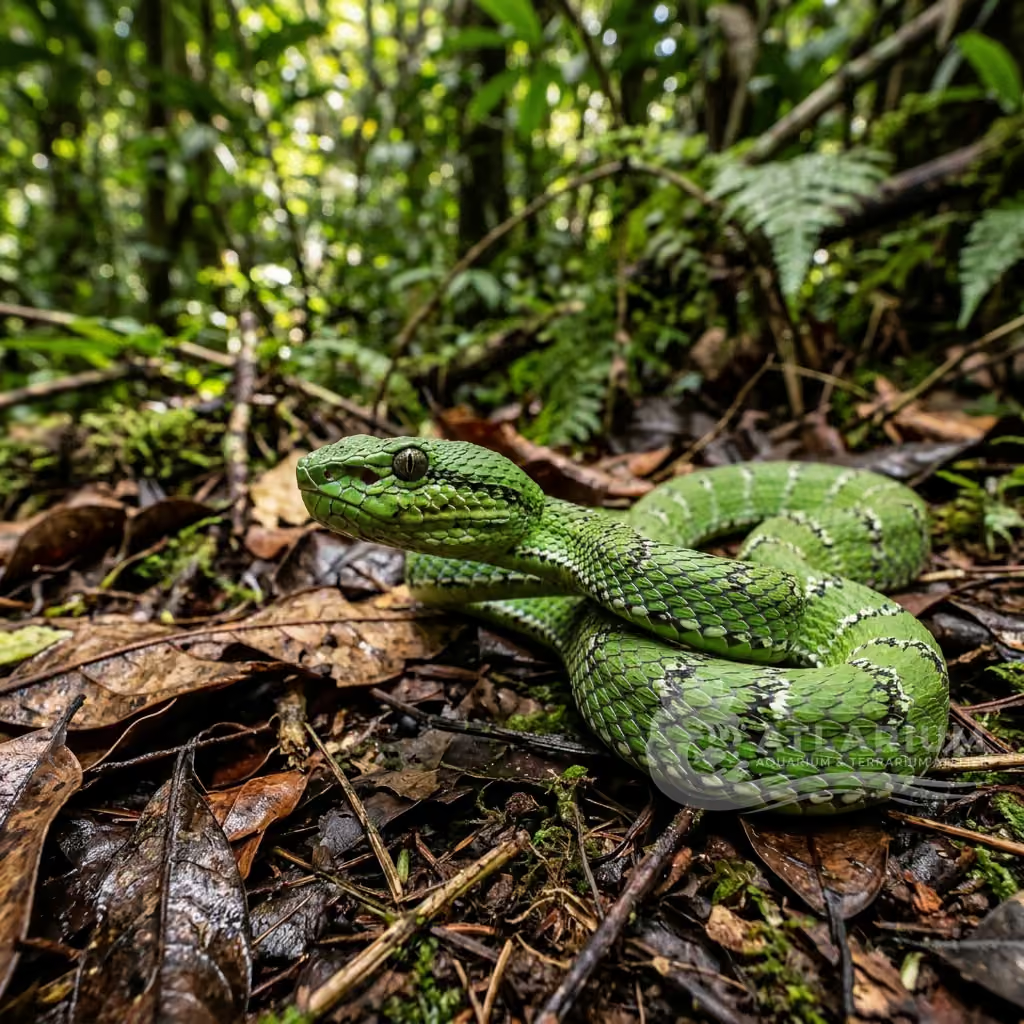
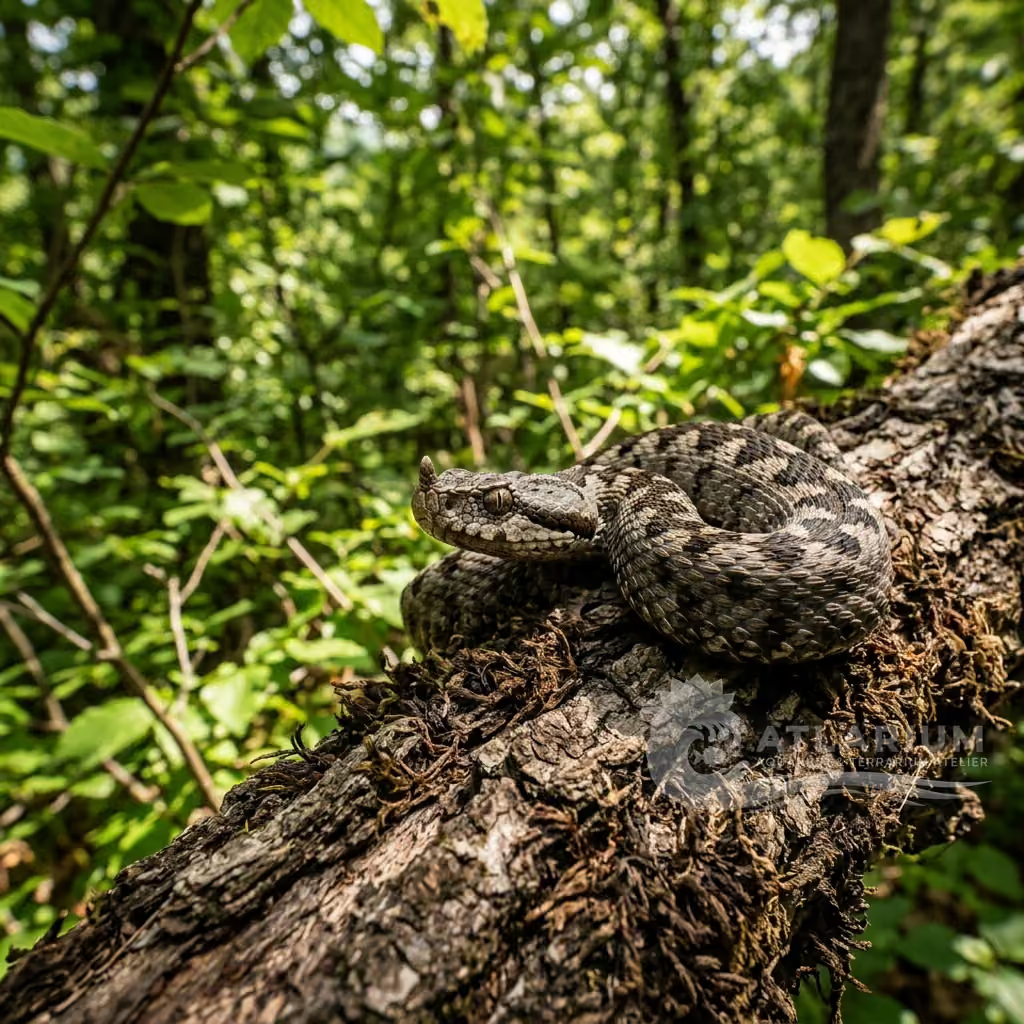
Morphology: It has a slender, elongated body and a triangular head that is distinct from its neck. Adults typically reach a total length of 100 to 150 cm. The eyes have vertical slit pupils, and heat-sensitive pit organs are located between the nostrils and the eyes. The background color ranges from pale gray to light brown, marked with dark, transverse bands or blotches bordered in black. The ventral scales are pale with darker mottling.

Care, breeding and tankmates
Terrarium Setup: As this is a highly venomous species, the terrarium must be constructed of escape-proof materials and fitted with secure keyed locks. A minimum enclosure volume of 300 liters is required for an adult. The substrate should consist of damp peat moss or coco coir. Provide sturdy climbing branches and multiple tight hiding spots, such as hollow logs or plastic snake caves, in both the warm and cool zones of the enclosure.
Lighting and Heating: A thermal gradient must be maintained with a warm zone at 28-30°C and a cool zone at 23-24°C during the day. Nighttime temperatures can drop to 20-22°C. Heating should be supplied using a regulated under-tank heat mat or a ceramic heat emitter protected by a wire guard to prevent burns. UVB lighting is not strictly required, but a 12-hour light cycle should be maintained.
Humidity and Hydration: Coming from a humid island environment, it requires a relative humidity of 70% to 85%. Mist the enclosure daily with room-temperature water. A heavy, stable water bowl must be available at all times, large enough for the snake to submerge its entire body to facilitate shedding.
Feeding and Supplementation: In captivity, they feed readily on appropriately sized rodents (mice or small rats). Feed juveniles every 7-10 days and adults every 14-20 days. Food should be offered using long feeding tongs to prevent accidental bites. Regular supplementation is not necessary if the rodents are healthy and well-fed.
Compatibility: This species is solitary and must be housed individually. Cohabitation is highly discouraged except for monitored breeding purposes, as they may injure each other or exhibit cannibalism. Handling must be kept to an absolute minimum and should only be attempted by experienced keepers using hooks and safety tubes.
Health and Common Diseases: Common health issues include dysecdysis (incomplete shedding) due to low humidity, respiratory infections from cold and damp conditions without proper ventilation, and mouth rot (infectious stomatitis). Because of the danger associated with their venom, medical treatment must be carried out by a specialized veterinarian equipped to handle venomous reptiles.

Geographic origin and distribution
Protobothrops tokarensis, commonly known as the Tokara habu, is endemic to the small volcanic islands of Takarajima and Kotakarajima in the Tokara island group of Kagoshima Prefecture, Japan. It inhabits subtropical forests, coastal grasslands, agricultural areas, and the margins of human settlements. It prefers humid microhabitats, often sheltering in volcanic rock crevices, dense undergrowth, and dry stone walls where prey is abundant.
Origin
North AmericaEast Asia

Reptile profile
- Diet
- Carnivore
- The Tokara habu is a formidable predator on its native islands, primarily consuming rodents, small birds, and sometimes frogs. Its diet reflects the availability of prey on the small islands it inhabits, making it an adaptable and opportunistic hunter. Equipped with heat-sensing pit organs, it easily tracks down warm-blooded mammals moving through the dark forest undergrowth. Its powerful strike and highly toxic venom ensure a quick demise for its captured prey.
- Adult size
- 90 cm
- Lifestyle/Microhabitat
- Terrestrial
- A terrestrial to semi-terrestrial snake, it typically dwells on the forest floor, utilizing leaf litter, root systems, and low-lying vegetation for camouflage and ambush hunting. While they may occasionally ascend low shrubs, their enclosure should prioritize maximum floor space with abundant terrestrial hideouts to foster a sense of security.
- Activity cycle
- Nocturnal
- This species is primarily nocturnal, remaining hidden during the daylight hours to avoid extreme heat and predators. As dusk approaches, the Protobothrops tokarensis becomes active, emerging from its diurnal retreat to forage and hunt. Enclosure lighting should reflect a natural day-night cycle, but the snake will exhibit its most natural active behaviors after the lights go out.
- Sociality
- Solitary
- The Tokara habu is mainly nocturnal, escaping the intense daytime heat by resting in deep crevices, dense vegetation, or abandoned burrows. When foraging at night, it maneuvers gracefully across the forest floor and is also known to climb low vegetation in search of roosting birds. Because it inhabits islands with a significant human presence, encounters can occur around agricultural areas and stone walls. It is a highly irritable snake that will fiercely defend itself with rapid, multiple strikes if threatened.
- Reproduction
- Oviparous
- This pit viper is an oviparous species, laying clutches of soft-shelled eggs in concealed and humid locations. Females carefully choose nesting sites within rotting logs, under large rocks, or in deep piles of leaf litter to shield the eggs from harsh weather and predators. After a long incubation period, the eggs hatch into juvenile snakes that already possess functioning fangs and venom glands. The neonates receive no maternal protection and quickly scatter to find their own meals.
- Handling tolerance
- Display only
- Due to its highly potent and medically significant venom, the Protobothrops tokarensis is strictly a display-only species. Under no circumstances should this snake be free-handled. All interactions, enclosure maintenance, and feeding must be performed using professional snake hooks, secure lockable terrariums, and strict safety protocols to prevent life-threatening envenomation.
- Brumation
- Not required
- To replicate its natural seasonal cycles, a winter brumation period is highly recommended, especially if breeding is desired. Temperatures should be gradually reduced to roughly 12-15°C (53-59°F) over several weeks, during which feeding is completely halted to prevent rotting of undigested food in the gut. This cooling period typically lasts 2 to 3 months.
- Molting
- Regular
- Shedding cycles occur periodically as the snake grows. During the shedding phase, bumping the ambient humidity by lightly misting the enclosure and ensuring access to a large water bowl helps hydrate the skin. A healthy molt should peel off entirely in one piece; retained spectacles or skin patches indicate insufficient hydration.

Related species
Recommendations grouped by close relatives, companion choices, and similar care.