Golfodulcean Poison Frog
Phyllobates vittatus
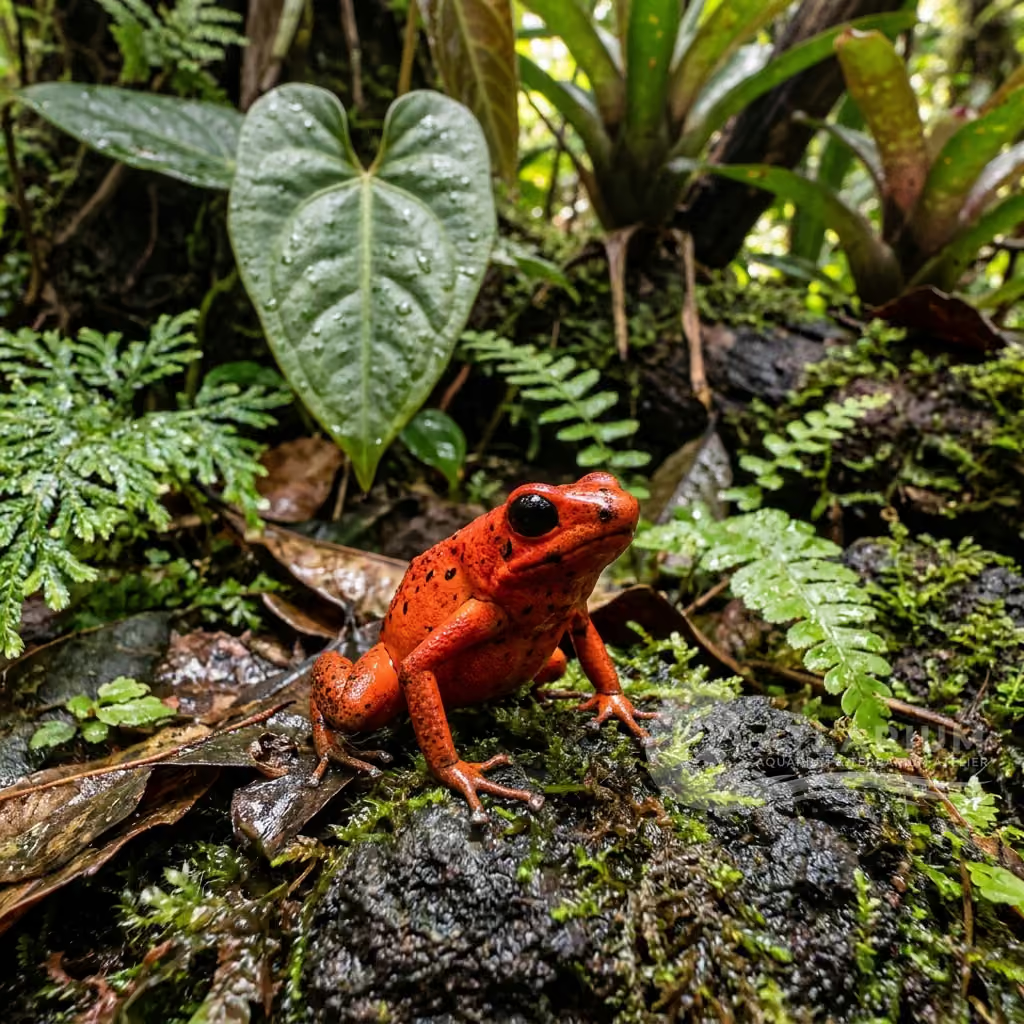
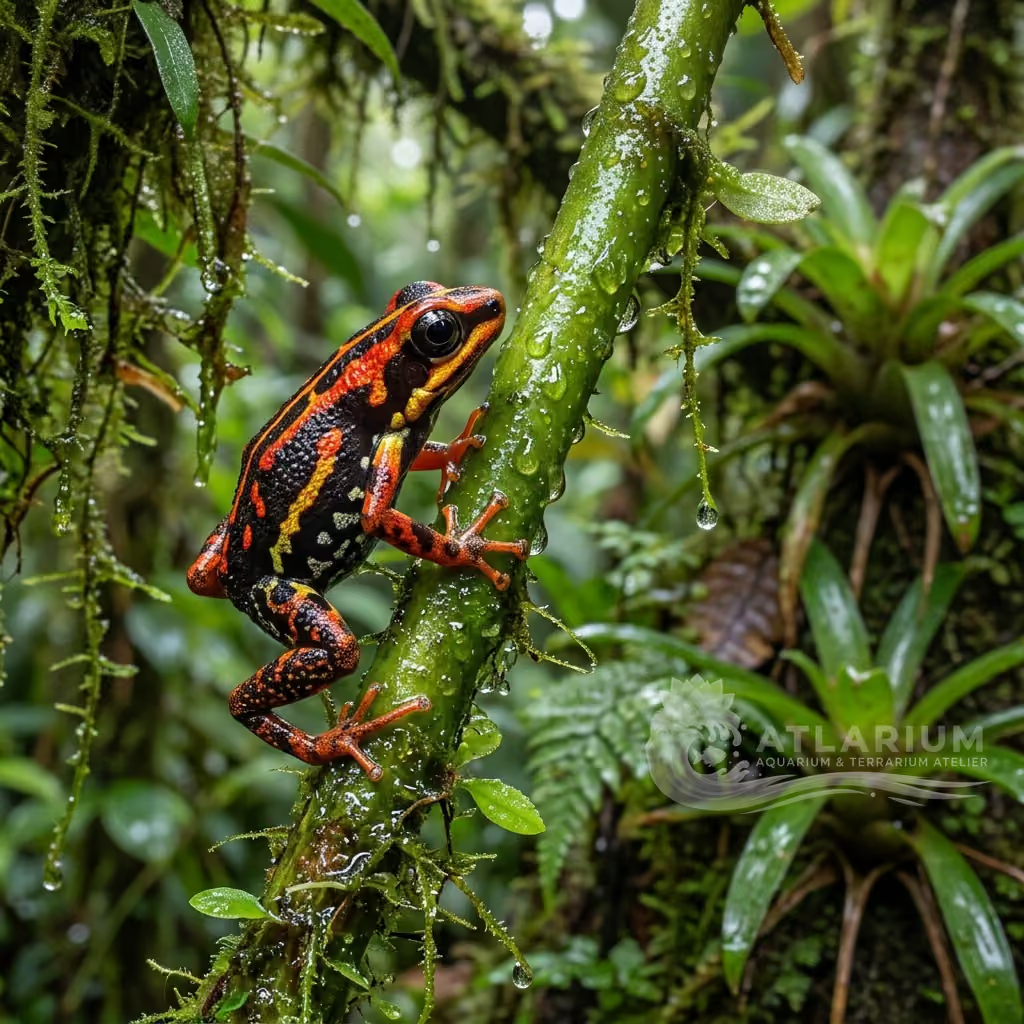
The captive giant of the Phyllobates group. A stunning, heavy-bodied, predominantly terrestrial dart frog painted with screaming neon orange or red dorsal racing stripes down a glossy black body. Famous for the male's deafening, trilling mating call, it is significantly more robust than tiny Thumb-nails but strictly demands massive horizontal floor space.
Environment
Terrestrial
Humidity
75 - 95 %
Day temperature
22 - 26 °C
Night temperature
18 - 21 °C
Ambient temperature
22 - 26 °C
Minimum enclosure
>= 50 L
UVB
Ferguson 1
UVI
0 - 0.7 UVI

Species description
Geographical Origin and Habitat: Native to the dense, humid primary coastal rainforests and lowland swamps of Costa Rica, particularly in the Golfo Dulce region. They inhabit the dark, wet forest floor, living among tangled roots, damp leaf litter, and terrestrial ferns near slow-moving streams.
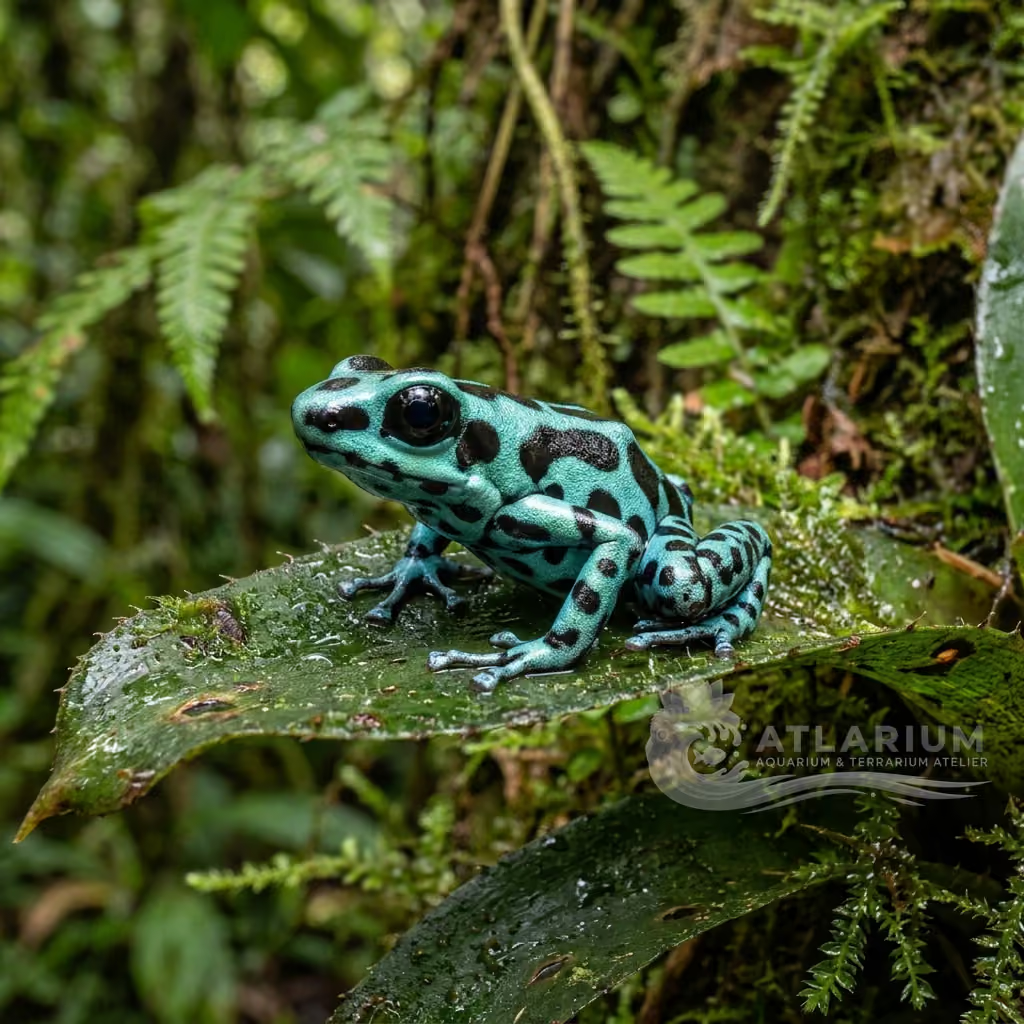
Taxonomy and Genetics: Member of the Dendrobatidae family, commonly known as the Golfodulcean poison frog. It has a striking contrast of colors: a velvety jet-black body with vibrant orange or bright red stripes running along the back, while the limbs and belly are beautifully marbled with bright cyan blue or turquoise.
Behavior and Habits: A bold, diurnal, and terrestrial species. They are active explorers that forage openly for small insects. The males are highly vocal and produce a loud, continuous, and high-pitched trill, especially during the breeding season.
Morphology: Reaches about 3-4 cm in length. Females are visibly larger, heavier, and rounder than the slimmer males, particularly when carrying eggs. Males possess a vocal sac on the throat.

Care, breeding and tankmates
Terrarium Setup: Requires a horizontal bioactive terrarium (minimum 60x45x45 cm for a small group). The substrate should include a deep drainage layer and be covered with a thick layer of dry leaf litter. Provide coconut huts and low-growing foliage as hiding spots.
Lighting and Heating: Maintain moderate tropical temperatures between 23 and 26°C. Avoid temperatures exceeding 28-30°C, which can cause fatal heat stress. Provide low-intensity UVB lighting (5%) and diffused ambient light.
Humidity and Hydration: Maintain high relative humidity (80-90%) with regular misting using RO water. Good ventilation is required; stagnant conditions can lead to bacterial skin infections (septicemia).
Feeding and Supplementation: Insectivorous. Feed on fruit flies (Drosophila hydei), small crickets, and small roaches. Preys should be dusted with calcium and vitamin D3 supplements three times a week.
Compatibility: Highly social and gregarious. Can be safely housed in communal groups of multiple males and females. Do not house with other day geckos or other amphibian species.
Health and Common Diseases: Easily stressed by rough handling, which must be avoided due to their permeable skin. Ensure the terrarium is secure to prevent escapes. Monitor for signs of metabolic bone disease if calcium is insufficient.

Geographic origin and distribution
Native to the dense, humid primary coastal rainforests and lowland swamps of Costa Rica, particularly in the Golfo Dulce region. They inhabit the dark, wet forest floor, living among tangled roots, damp leaf litter, and terrestrial ferns near slow-moving streams.
Origin
Central America and CaribbeanNorth AmericaEast Asia

Amphibian profile
- Diet
- Insectivore
- The Golfodulcean Poison Frog primarily hunts small leaf-litter invertebrates, displaying a massive appetite for tiny ants, spiders, and springtails in the wild. In a terrarium, they readily consume daily feedings of fruit flies and pinhead crickets, proving to be enthusiastic and bold eaters. As with all dart frogs, careful supplementation with high-quality vitamin A and calcium is critical for proper neurological and skeletal function.
- Life expectancy
- 8-20 years
- Adult size
- 3.1 cm
- Lifestyle/Microhabitat
- Terrestrial
- The Golfodulcean Poison Frog is firmly terrestrial, preferring to dwell on the forest floor, hiding among leaf litter and ground-level structures to forage and seek shelter.
- Activity cycle
- Diurnal
- The Golfodulcean Poison Frog is primarily active during the day, typical of diurnal species that rely on light to navigate, forage, and interact.
- Sociality
- Solitary
- These frogs are bold, inquisitive, and mostly terrestrial, spending the majority of their daylight hours actively hunting among the damp leaves on the forest floor. They do possess climbing abilities and will occasionally utilize low plants and broad leaves for resting or calling. They are generally peaceful but males can exhibit strong territorial behaviors, wrestling and calling to establish dominance over prime terrarium real estate.
- Reproduction
- Oviparous
- During courtship, the male emits a beautiful, bird-like trill from a concealed location to attract a female to a smooth leaf or artificial deposition site. Once the eggs are laid and fertilized, the male aggressively guards the clutch, ensuring they remain moist until hatching. He then performs the critical task of transporting the wriggling tadpoles on his back to nearby puddles or water-filled plant axils.
- Toxicity
- Harmless
- While not quite as lethal as their infamous relative, Phyllobates terribilis, wild P. vittatus still possess significant levels of batrachotoxin capable of causing severe pain and muscle spasms. Like their cousins, this toxicity is entirely synthesized from their specialized wild diet and is completely absent in frogs raised in captivity. They can be kept safely as terrarium pets, though handling should still be avoided to protect their highly sensitive skin.
- Life stage
- Metamorphosis
- The journey begins as a fully aquatic tadpole, feeding on algae and detritus within a small pool of water until metamorphosis begins. Over several weeks, they absorb their tails, grow legs, and emerge from the water as miniature, fully functional froglets. These froglets require a constant supply of micro-insects and take nearly a year to reach their adult size and distinct striped patterning.
- Handling tolerance
- Display only
- As a highly sensitive or fragile species, the Golfodulcean Poison Frog should be considered a display-only animal. Handling causes immense stress and should only occur during emergencies.
- Brumation
- The Golfodulcean Poison Frog originates from stable tropical environments and does not require or tolerate a winter brumation period; temperatures must remain consistently warm year-round.
- Molting
- Periodic
- Shedding for the Golfodulcean Poison Frog heavily relies on high ambient humidity. A humid hide or frequent misting is crucial to prevent stuck shed and ensure a smooth, complete molt.

Related species
Recommendations grouped by close relatives, companion choices, and similar care.