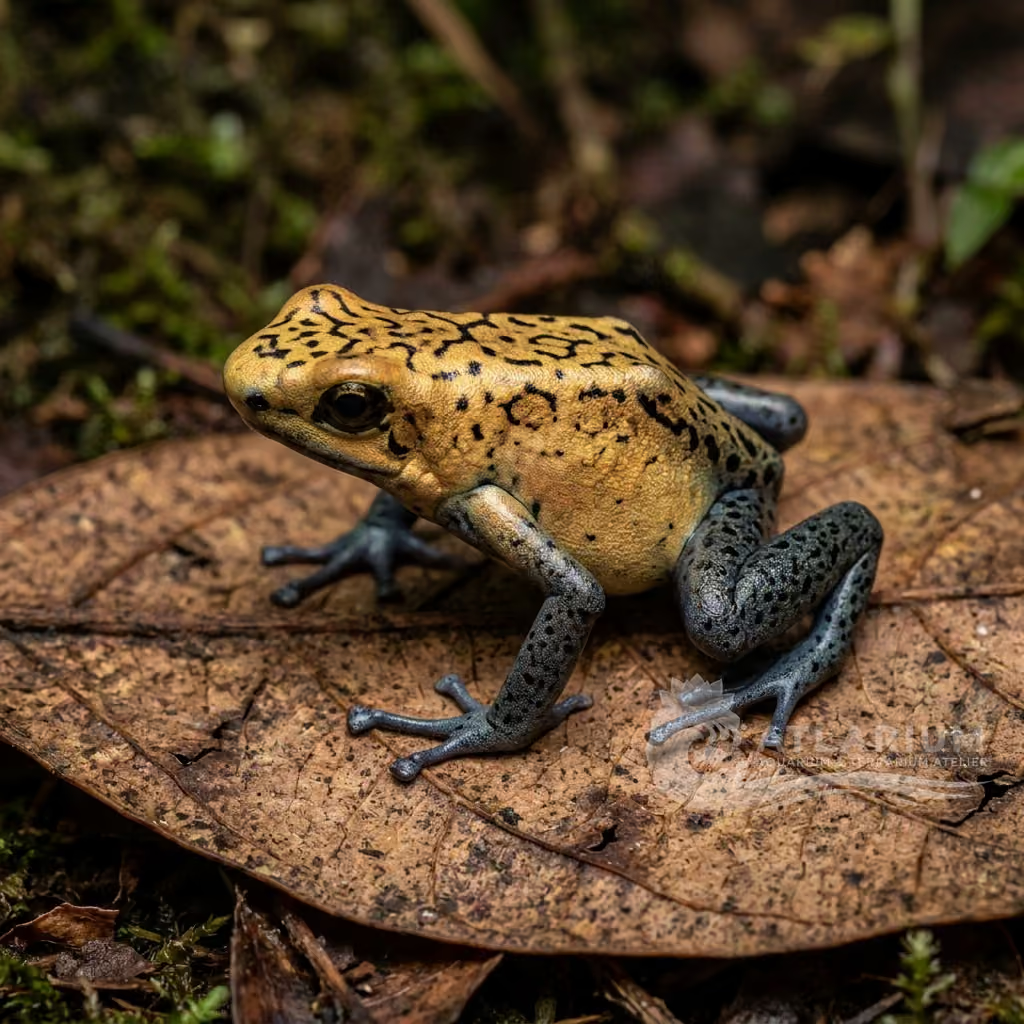
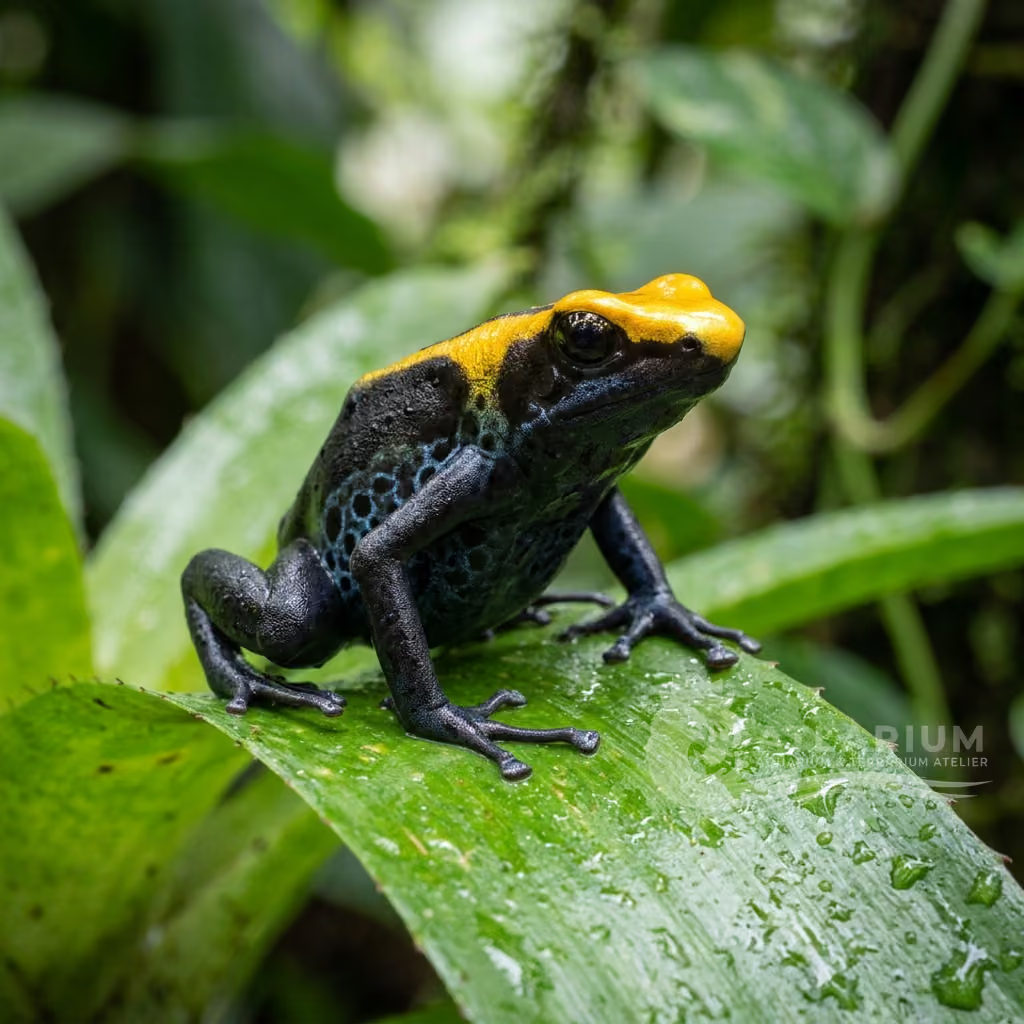
Uakari Poison Frog
Ranitomeya uakarii
A small poison dart frog characterized by distinct red or yellow dorsal stripes. Named after the red-faced Uakari monkey, it requires a humid and densely planted vertical terrarium.
Environment
Terrestrial
Humidity
80 - 100 %
Day temperature
22 - 26 °C
Night temperature
20 - 22 °C

Species description
Geographical Origin and Habitat: Endemic to the primary tropical rainforests of the western Amazon basin, spanning regions of Peru and Brazil. This strictly arboreal frog inhabits the mid-to-high canopy, avoiding the forest floor and dwelling in water-filled bromeliad leaf axils.
Taxonomy and Genetics: A tiny frog, with adults measuring about 1.5 cm. It is named after the bald-headed Uakari monkey due to its striking bright red or orange head and dorsum, which contrasts sharply with black limbs and a belly reticulated in bright blue or turquoise.
Behavior and Habits: Highly active and agile. Males call with a metallic trill from elevated perches to attract females. They exhibit parental care: the male carries the hatched tadpoles on his back and deposits them individually into water-filled bromeliad leaf axils.
Morphology: Sexual dimorphism is minimal. Females are slightly larger and rounder, especially when gravid, whereas males are smaller, more slender, and have a dark throat sac used for vocalization.

Care, breeding and tankmates
Terrarium Setup: Requires a vertically oriented terrarium (minimum 30x30x40 cm) heavily decorated with branches, cork bark tubes, and epiphytic bromeliads (*Neoregelia*). The floor should have a layer of damp leaf litter over a drainage layer. A bioactive substrate with springtails is highly recommended.
Lighting and Heating: Maintain temperatures between 24°C and 26°C during the day, with a night drop to 20–22°C. Avoid temperatures above 28°C. Low-output UVB (2–5%) lighting is beneficial for the frogs' bone development and the growth of live terrarium plants.
Humidity and Hydration: Humidity must be kept high, between 80% and 90%, via daily spraying with declorinated or reverse osmosis water. Good ventilation is vital to prevent stagnant air and bacterial skin infections like red-leg syndrome.
Feeding and Supplementation: Due to their small size, they require tiny live prey. Feed flightless fruit flies (*Drosophila melanogaster*), springtails, and dwarf isopods. Supplement all food items with a high-quality calcium, vitamin D3, and vitamin A powder at least three times a week.
Compatibility: Best kept in pairs (one male, one female). Females are highly territorial and can show aggression towards other females, leading to egg destruction or chronic stress. Do not house with other poison frog species.
Health and Common Diseases: Dehydration is a rapid killer if humidity drops. Do not handle these frogs with bare hands; their skin is extremely permeable and sensitive. Stress from handling or lack of hides can lead to snout rubbing against glass, causing abrasions.

Geographic origin and distribution
Endemic to the primary tropical rainforests of the western Amazon basin, spanning regions of Peru and Brazil. This strictly arboreal frog inhabits the mid-to-high canopy, avoiding the forest floor and dwelling in water-filled bromeliad leaf axils.
Origin
Selective breeding and cultivarsAmazon, Orinoco, and GuianasNorth America

Amphibian profile
- Diet
- Insectivore
- Eat bugs. Feed daily. Add vitamins.
- Life expectancy
- 10-15 years
- Adult size
- 1.5 cm
- Lifestyle/Microhabitat
- Arboreal
- Need high humidity. Forage constantly. Stable temps.
- Activity cycle
- Diurnal
- Strictly diurnal. Morning peaks. 12h cycle.
- Sociality
- Solitary
- Very active. Males defend. Add barriers.
- Reproduction
- Oviparous
- Breed in rain. Males call. Tads swim.
- Toxicity
- Harmless
- Like other thumbnail species, their natural toxicity is entirely diet-derived from specific toxic invertebrates found in the Amazon basin. In captivity, without access to these toxic prey items, they are completely harmless and non-toxic. Their beautiful warning colors serve only as an evolutionary echo of their wild defense systems.
- Life stage
- Metamorphosis
- Tadpoles must be isolated during rearing due to their highly cannibalistic nature in confined spaces. Emerging froglets are exceptionally tiny and require a heavily seeded springtail culture to avoid starvation. Adults are incredibly agile and resilient when proper environmental parameters are meticulously maintained.
- Handling tolerance
- Display only
- Handling should never be attempted due to their microscopic size, fragility, and extreme sensitivity to skin oils. Restraining them physically will cause immense stress and possible physical trauma. Transfers must be conducted strictly by coaxing the frog into a catch cup or test tube without direct touch.
- Brumation
- Not required
- This species does not undergo brumation or tolerate any significant cooling periods. They must be maintained in a stable, warm, and humid environment 365 days a year. Seasonal breeding triggers can be simulated via minor adjustments in misting schedules, not temperature drops.
- Molting
- Periodic
- Shedding is a rapid and discreet process that ensures their skin remains clean and permeable for respiration and hydration. They perform a series of stretches to loosen the skin, pushing it forward to be swallowed. This process recycles vital nutrients and is perfectly normal, though rarely witnessed.

Related species
Recommendations grouped by close relatives, companion choices, and similar care.