Dyeing Poison Dart Frog "Pic Matecho"
Dendrobates tinctorius
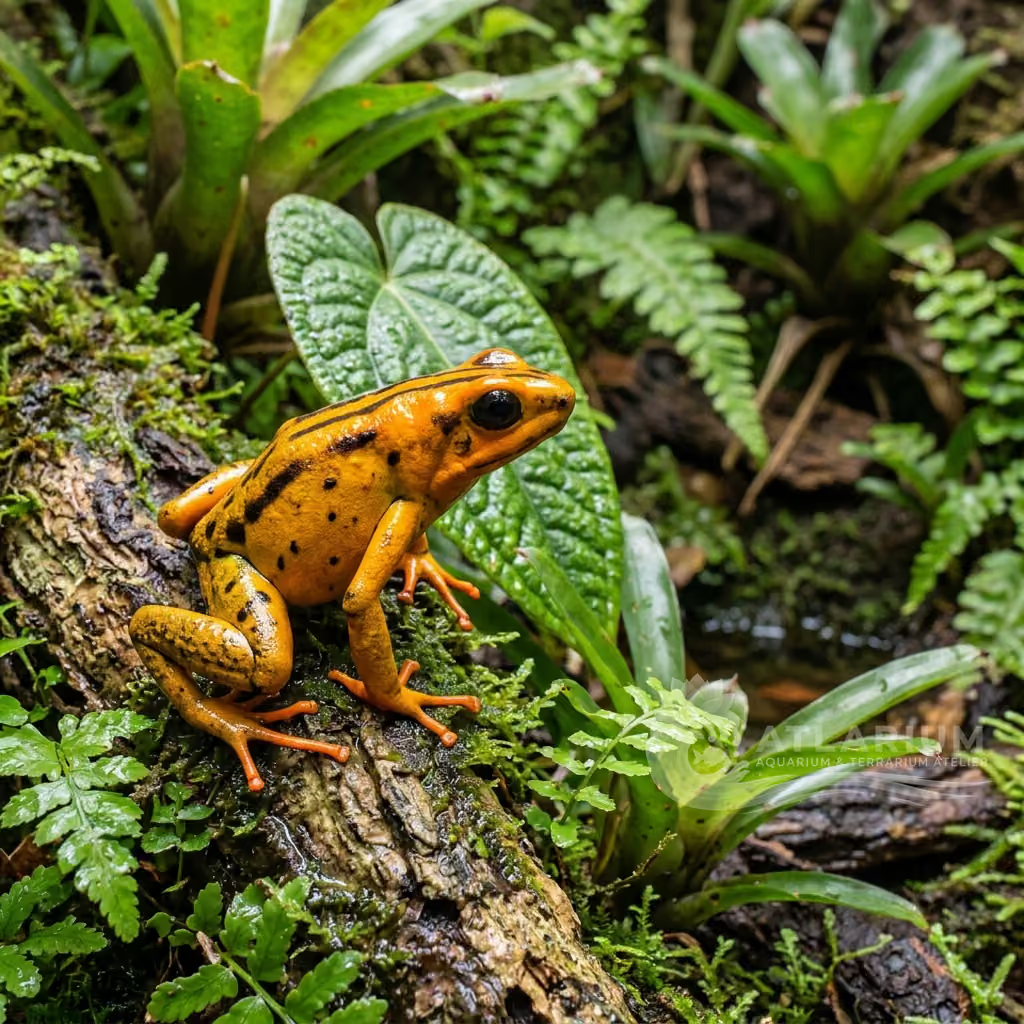
A stunning and robust color morph of Dendrobates tinctorius native to a specific hill locality in French Guiana, famous for its yellow saddle and blue limbs.
Environment
Terrestrial
Humidity
80 - 100 %
Day temperature
22 - 26 °C
Night temperature
19 - 21 °C
UVB
Ferguson 1-2
UVI
0 - 1 UVI

Species description
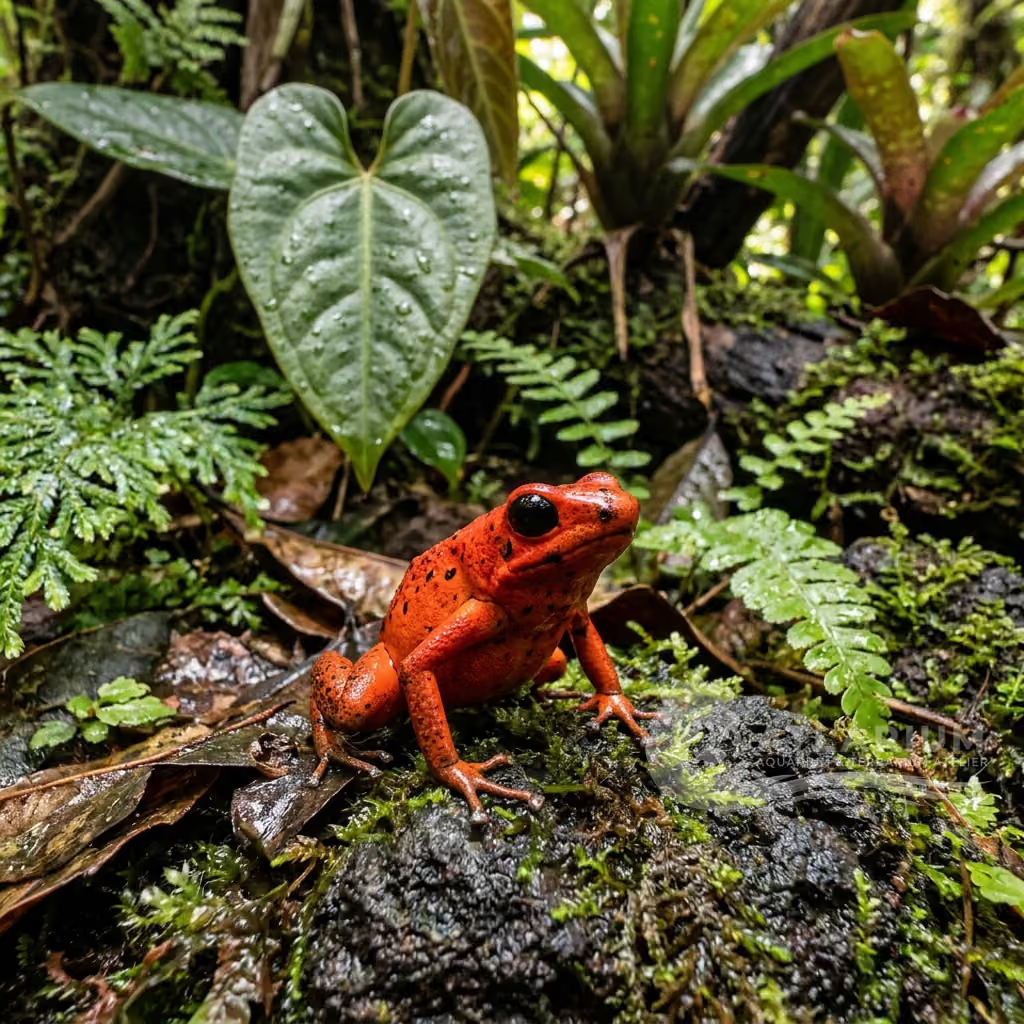
Geographical Origin and Habitat: This specific geographic morph of Dendrobates tinctorius is native to northern French Guiana, restricted to the forested hills surrounding Pic Matecho. It inhabits the humid leaf litter of primary tropical rainforests. It lives primarily on the forest floor among wet decaying leaves, exposed tree roots, and plant debris, but can also climb mossy fallen tree trunks and low branches near epiphytic bromeliads.
Taxonomy and Genetics: Belongs to the family Dendrobatidae, genus Dendrobates. Dendrobates tinctorius is a highly polymorphic species; the 'Pic Matecho' population represents a geographically isolated lineage that maintains stable color traits due to the ecological barriers of the hills. Genetically close to the classic 'Matecho' morph, it shows consistent minor variations in the shape of its yellow and black markings.
Behavior and Habits: Diurnal and terrestrial in its habits. It is an active, inquisitive, and highly territorial frog, especially among males competing for feeding territories and breeding sites. Males produce a soft, buzzing call to attract females. It spends its active hours foraging on the forest floor, displaying bold behavior when housed in well-structured terrariums.
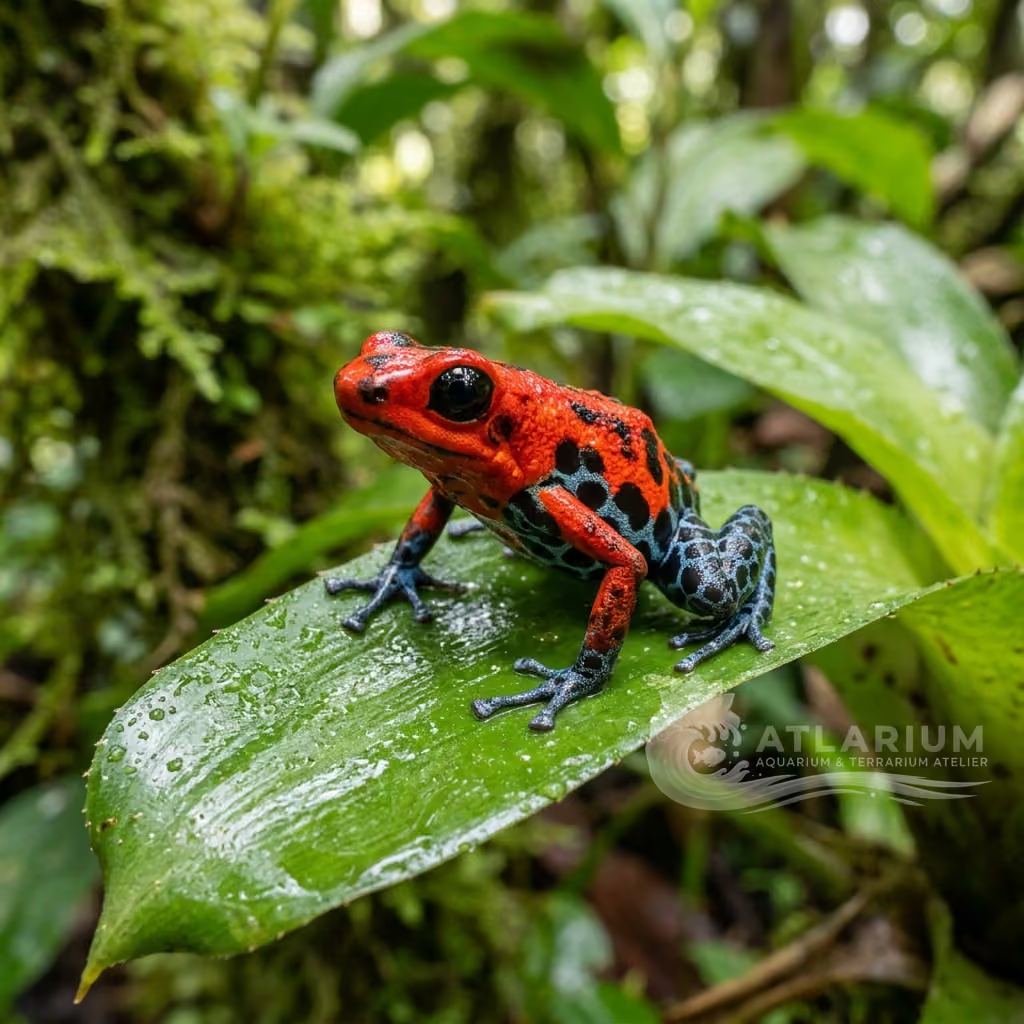
Morphology: One of the largest poison dart frogs, with adults measuring between 5.0 and 6.0 centimeters, with females being larger and heavier than males. The body is vertically compressed with strong limbs for climbing. The coloration of the 'Pic Matecho' morph features a brilliant yellow-orange dorsal saddle with very few black spots, while the limbs and belly are a deep cobalt blue with black speckles.

Care, breeding and tankmates
Terrarium Setup: Requires a humid bioactive terrarium measuring at least 50x50x50 cm for a pair. The substrate must consist of coconut fiber, peat moss, and sphagnum moss, topped with a generous layer of oak or Catappa leaves to protect their sensitive skin. Incorporate live plants (such as Neoregelia bromeliads, Philodendron, and Ficus pumila) and cork bark to create hiding spots and climbing areas.
Lighting and Heating: Daytime temperature should be maintained between 24°C and 26°C (75.2°F - 78.8°F), with a slight drop to 20-22°C (68°F - 71.6°F) at night. Avoid temperatures exceeding 28°C (82.4°F) as it can quickly be fatal. Lighting should support plant growth (LED or T5), and a low-output UVB bulb (2.0%) is highly recommended to assist in vitamin D3 synthesis.
Humidity and Hydration: Humidity must be kept high, between 80% and 95%. This is achieved through daily misting, either manually or using an automatic misting system. Avoid standing water on the substrate; a proper drainage layer (clay balls and mesh) is mandatory. Provide a shallow water dish (only a few millimeters deep) for the frogs to soak.
Feeding and Supplementation: In captivity, they feed exclusively on tiny live insects. The staple diet consists of flightless fruit flies (Drosophila melanogaster and D. hydei), springtails, pea aphids, and pinhead crickets. Every feeding must be dusted with a high-quality calcium and multivitamin supplement containing Vitamin A (retinol) to prevent nutritional deficiencies.
Compatibility: Best kept in established male-female pairs. Females are highly competitive and aggressive toward one another, often fighting for dominance or the male's attention, which can lead to stress or death. Cohabitation with other morphs of D. tinctorius or other frog species must be avoided to prevent stress and cross-breeding.
Health and Common Diseases: Major health risks include spindle leg syndrome in tadpoles caused by poor parental nutrition, and fungal skin infections (Chytridiomycosis) due to poor ventilation or unsanitary conditions. Maintaining stable humidity, proper supplementation, and cleaning leaves and glass regularly will prevent most health issues.

Geographic origin and distribution
This specific geographic morph of Dendrobates tinctorius is native to northern French Guiana, restricted to the forested hills surrounding Pic Matecho. It inhabits the humid leaf litter of primary tropical rainforests. It lives primarily on the forest floor among wet decaying leaves, exposed tree roots, and plant debris, but can also climb mossy fallen tree trunks and low branches near epiphytic bromeliads.
Origin
Selective breeding and cultivarsAmazon, Orinoco, and GuianasTropical oceans and reefs

Amphibian profile
- Diet
- Insectivore
- In the wild, Dendrobates tinctorius relies on a highly specialized diet consisting primarily of tiny invertebrates, foraging continuously on the forest floor for ants, termites, and microscopic soil arthropods that provide the alkaloids for their toxicity. In captivity, their diet must be carefully replicated using commercially available micro-feeders, with flightless fruit flies (Drosophila melanogaster and D. hydei) forming the staple of their nutritional intake, supplemented by springtails and dwarf white isopods. These prey items must be regularly dusted with high-quality calcium, vitamin D3, and multivitamin supplements to prevent metabolic bone disease and ensure optimal health.
- Life expectancy
- 10-15 years
- Adult size
- 6 cm
- Lifestyle/Microhabitat
- Terrestrial
- Primarily terrestrial, these frogs inhabit the leaf litter of the forest floor. While they are mostly ground-dwelling and rely on dense terrestrial cover for security, they will occasionally climb low branches, rocks, or terrarium backgrounds.
- Activity cycle
- Diurnal
- This species is strictly diurnal, remaining highly active throughout the daylight hours. They spend most of their day foraging for tiny insects, exploring their environment, and engaging in social or territorial behaviors.
- Sociality
- Gregarious
- While they can exhibit fascinating interactive behaviors, Dendrobates tinctorius are generally considered moderately to highly territorial, particularly among females who fiercely defend small patches of the forest floor. In captive environments, housing them in male-female pairs is universally recommended to minimize stress and prevent fatal aggressive encounters, as multiple females will engage in intense wrestling matches. Males are generally more tolerant of each other, but a spacious enclosure with abundant visual barriers, complex hardscaping, and dense foliage is essential if a group setting is attempted.
- Reproduction
- Oviparous
- The reproductive cycle of Dendrobates tinctorius is a fascinating display of amphibian parental care, typically stimulated by the onset of the rainy season and increased humidity. Courtship involves tactile stimulation before the female lays small clutches of 4 to 10 eggs on smooth, sheltered surfaces such as broad leaves or inside secluded hides. The male assumes the primary responsibility for guarding and hydrating the developing embryos, and upon hatching after 14 to 18 days, he meticulously transports the tadpoles on his back to small, isolated bodies of water. In captivity, breeders often pull the eggs manually to rear the tadpoles individually.
- Toxicity
- Toxic
- Non-toxic in captivity due to an alkaloid-free diet.
- Life stage
- Neotenic
- Tadpoles are aquatic and often cannibalistic, requiring separate rearing.
- Handling tolerance
- Display only
- These frogs should be considered a display-only species. Their highly permeable skin is incredibly sensitive to the natural oils, salts, and any chemicals present on human hands. Handling causes severe stress and can easily compromise their health.
- Brumation
- Not required
- This tropical species does not undergo true brumation. They require consistently warm and highly humid conditions year-round. While breeders may slightly reduce misting to simulate a dry season and trigger breeding, temperatures should remain stable.
- Molting
- Periodic
- Shedding occurs regularly and is heavily dependent on maintaining high humidity levels (80-100%). The frog will perform stretching motions to loosen the old skin and will typically consume it entirely to recycle nutrients. Low humidity can lead to stuck shed and fatal dehydration.

Related species
Recommendations grouped by close relatives, companion choices, and similar care.