Bassler's Poison Frog
Ameerega bassleri
A large Peruvian poison dart frog characterized by bright green or yellow stripes. Demands cooler temperatures, high humidity, and excellent ventilation.
Environment
Terrestrial
Humidity
80 - 100 %
Day temperature
24 - 28 °C
Night temperature
20 - 22 °C

Species description
Geographical Origin and Habitat: Endemic to central Peru, along the eastern slopes of the Andes mountains, specifically in the regions of Huánuco, San Martín, and Pasco. It inhabits wet montane and pre-montane tropical rainforests at elevations between 200 and 1200 meters. They are frequently found near rocky streams, humid ravines, and waterfalls, hopping among wet rocks, tree roots, and leaf litter.
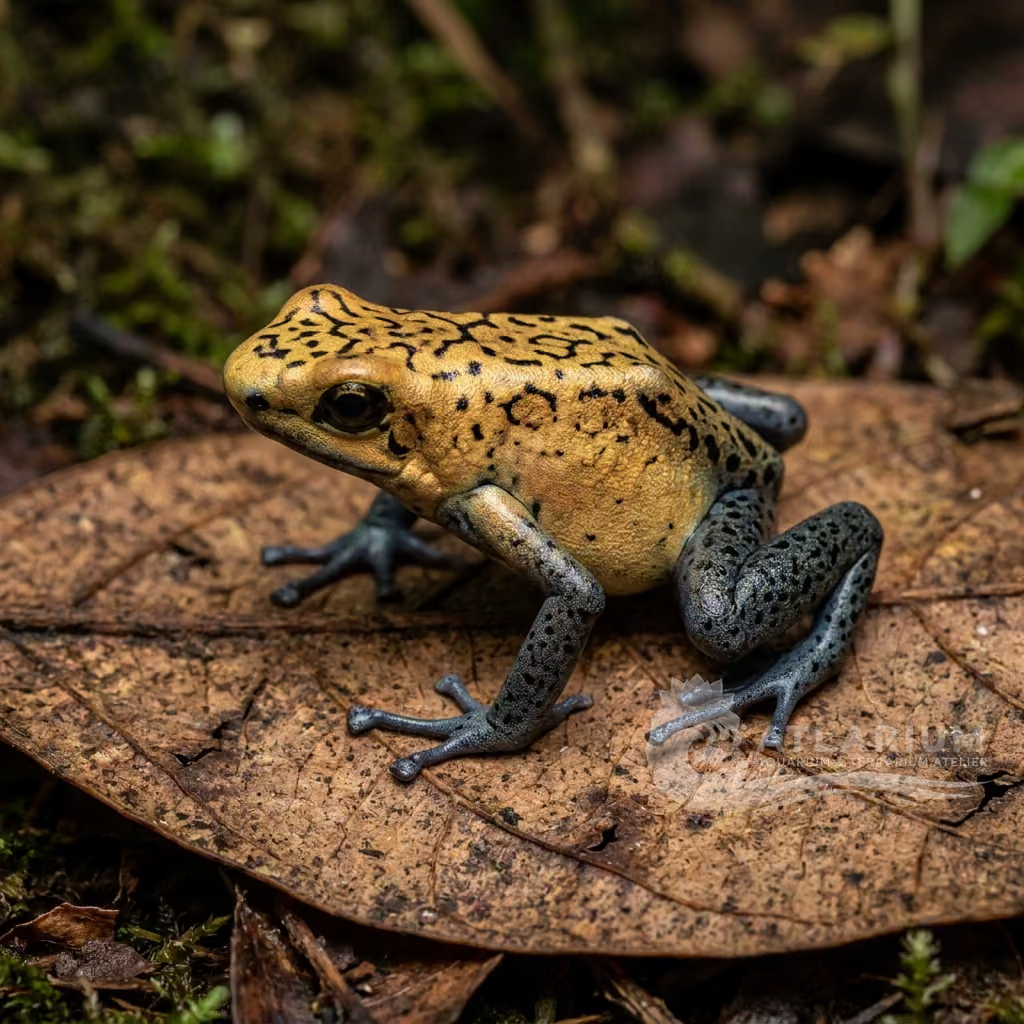
Taxonomy and Genetics: Belongs to the class Amphibia, order Anura, family Dendrobatidae, and genus Ameerega (formerly placed in the genus Epipedobates). Described by Melin in 1941. It exhibits high geographical variability, with several distinct color morphs featuring yellow, chrome-green, or orange stripes. Genetic makeup reflects the evolutionary isolation of Andean valleys.
Behavior and Habits: Diurnal and predominantly terrestrial, though they frequently scale wet boulders and low branches. Males produce a loud, distinctive, trilling advertisement call to attract females. Unlike the bolder Dendrobates species, Ameerega frogs are generally shy and very fast, darting into rocky crevices or under logs at the slightest disturbance.
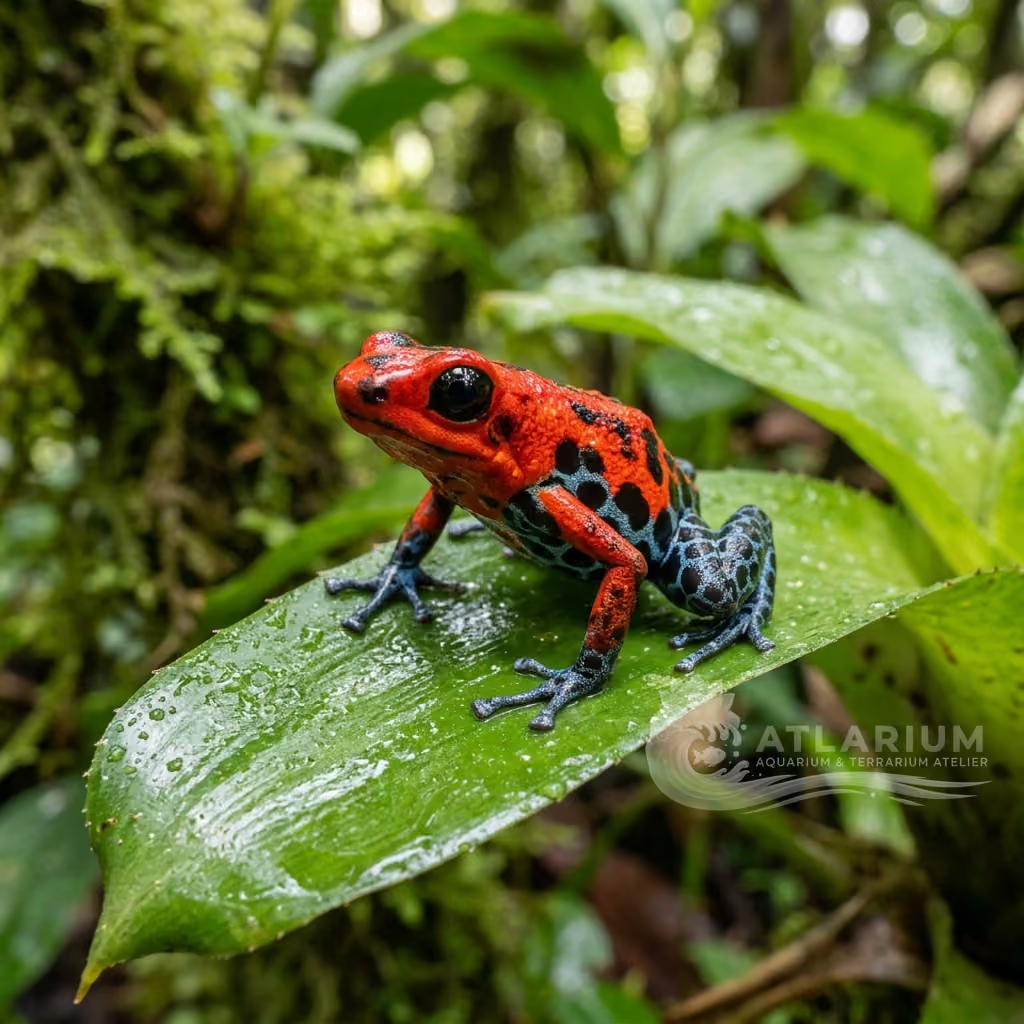
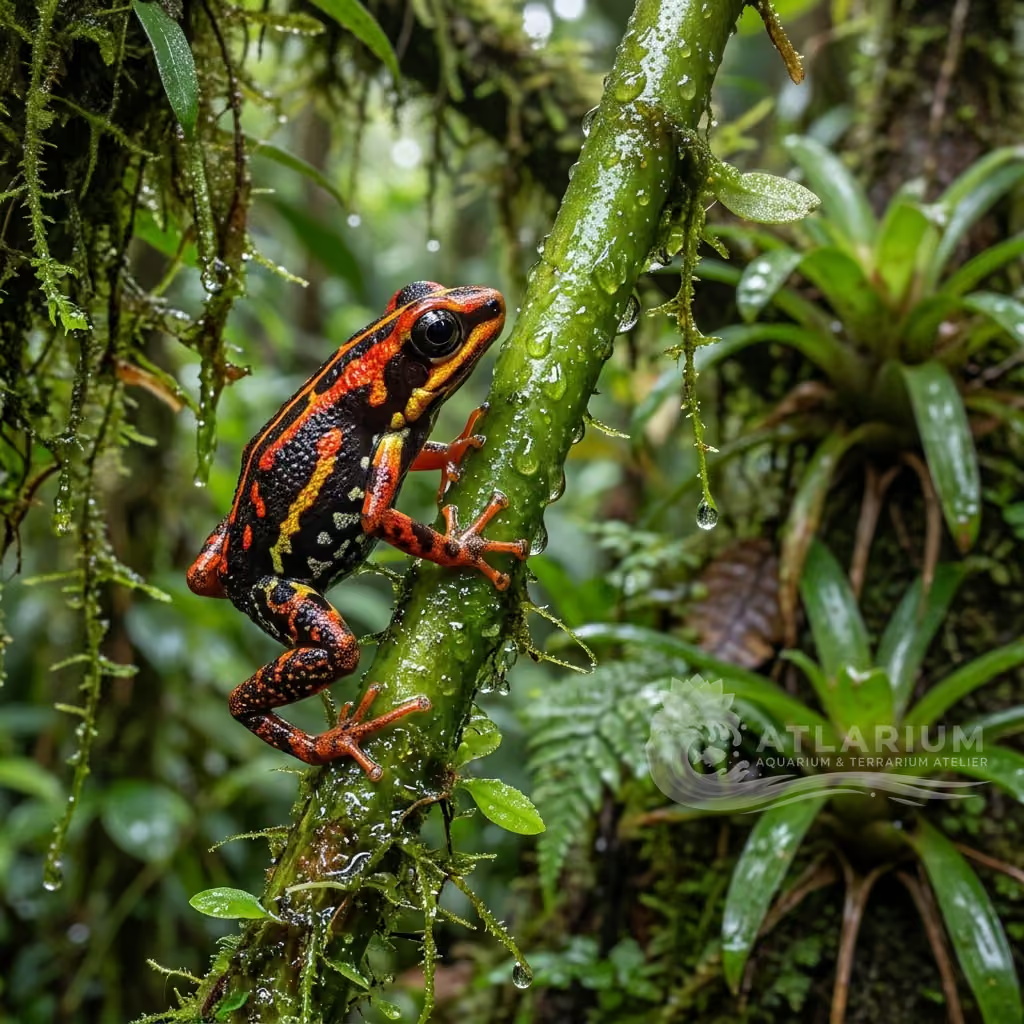
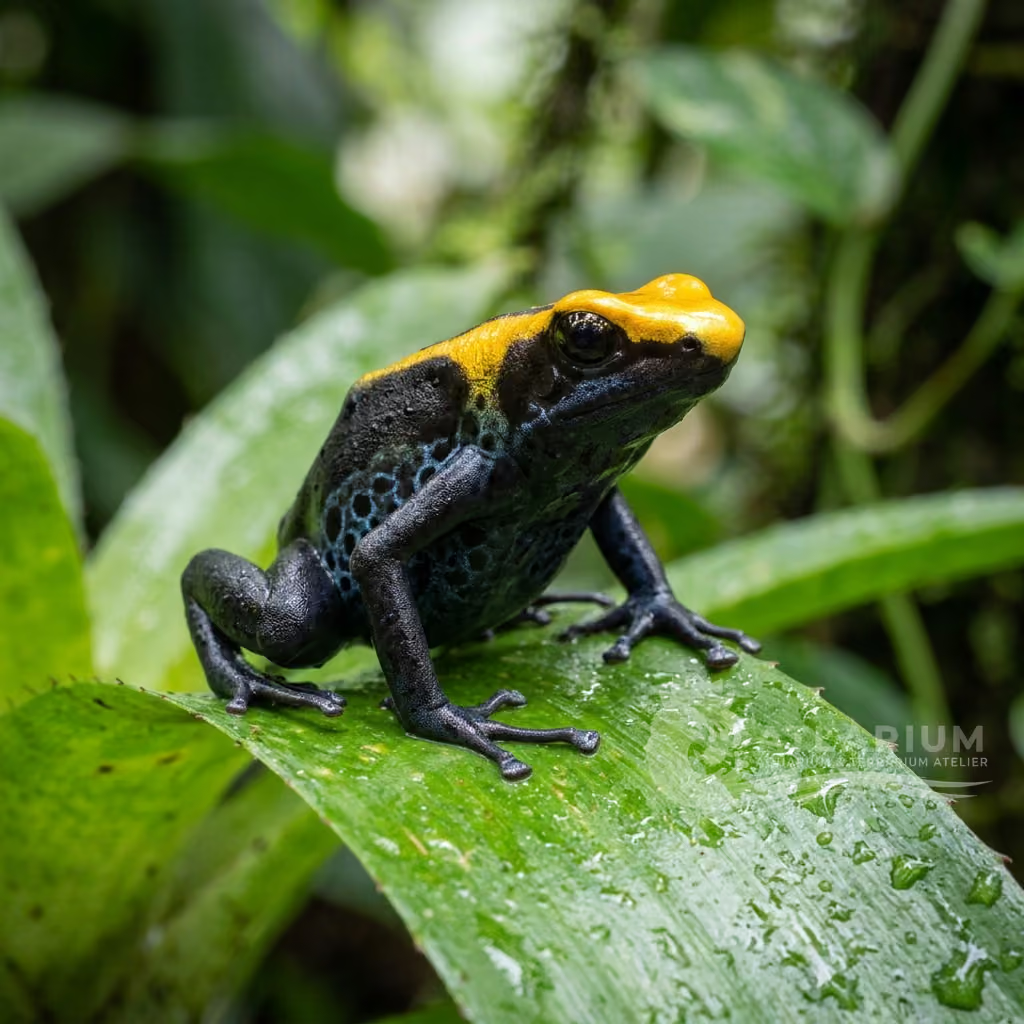
Morphology: One of the larger poison dart frogs, with adults reaching lengths of 3.5 to 5 cm (1.4-2 inches). It features a slender body with long limbs adapted for jumping. The typical coloration consists of a black or dark brown dorsum accented by brilliant longitudinal stripes ranging from gold to turquoise. The belly is dark, marbled with electric blue.

Care, breeding and tankmates
Terrarium Setup: Requires a spacious terrarium, ideally 80x45x50 cm (32x18x20 inches) for a pair or small group. The layout should replicate a rocky stream bank, utilizing smooth stones, cork bark, moss, and a well-drained substrate covered with leaf litter. Large mesh ventilation areas are critical to prevent stagnant, humid air.
Lighting and Heating: Extremely sensitive to high temperatures. Daytime temperatures must be kept cool, between 22°C and 24°C (71-75°F), with a night drop to 16-19°C (60-66°F). Temperatures consistently exceeding 26°C (79°F) are highly dangerous and can quickly cause death. Use low-intensity LED lighting and a shaded 2.0 UVB source.
Humidity and Hydration: Maintain relative humidity between 80% and 90%. Mist the vivarium 2-3 times daily with reverse osmosis water. While high humidity is essential, air circulation must remain high. Providing a shallow, slow-moving water feature or stream (no deeper than 1 cm) is highly beneficial, as they enjoy soaking.
Feeding and Supplementation: Diet consists of live micro-insects. They can handle slightly larger prey than smaller dart frogs, including Drosophila hydei, small crickets, springtails, isopods, and freshly hatched flour beetles. Dust all prey insects at every feeding with a high-quality calcium and multivitamin powder containing Vitamin A.
Compatibility: Can be kept in small groups (e.g., a trio) if the enclosure is sufficiently large and complex, as they exhibit less severe conspecific aggression than Dendrobates. Do not co-house with different frog species or different Ameerega morphs to avoid cross-contamination and stress.
Health and Common Diseases: Heat stroke is the most critical threat, leading to rapid lethargy and death. Stagnant air combined with high humidity can cause bacterial skin infections. Spindle leg syndrome in developing tadpoles and nutritional deficiencies in adults are prevented by using fresh, high-quality dietary supplements.

Geographic origin and distribution
Endemic to central Peru, along the eastern slopes of the Andes mountains, specifically in the regions of Huánuco, San Martín, and Pasco. It inhabits wet montane and pre-montane tropical rainforests at elevations between 200 and 1200 meters. They are frequently found near rocky streams, humid ravines, and waterfalls, hopping among wet rocks, tree roots, and leaf litter.
Origin
Selective breeding and cultivarsExtra-Amazon South America

Amphibian profile
- Diet
- Insectivore
- The diet of Ameerega bassleri must be carefully managed to ensure optimal health and longevity. In its natural habitat, Ameerega bassleri typically consumes a variety of specific prey items or plant matter. Captive specimens require a similarly balanced intake, often supplemented with essential vitamins and calcium. It is important to offer food that is appropriately sized to avoid choking or digestive issues. Regular monitoring of their feeding response helps in identifying any potential health problems early.
- Life expectancy
- 10-15 years
- Adult size
- 4 cm
- Lifestyle/Microhabitat
- Terrestrial
- The lifestyle of Ameerega bassleri varies greatly depending on whether they are terrestrial, arboreal, aquatic, or semi-aquatic. Designing an enclosure that accommodates their specific mode of living is essential for their physical and mental health. This includes providing the right substrate, climbing branches, or water features as needed. A proper setup allows Ameerega bassleri to exercise, hide, and thermoregulate effectively. Understanding their lifestyle choices helps in creating a thriving captive environment.
- Activity cycle
- Diurnal
- The activity pattern of Ameerega bassleri typically dictates when they feed, explore, and rest. Depending on their biology, they may be predominantly active during the day, night, or twilight hours. Replicating appropriate lighting and temperature cycles is crucial for maintaining their natural rhythm. Disruptions to this schedule can lead to stress and a decline in the health of Ameerega bassleri. Keepers should try to interact with them during their most active periods to minimize disturbance.
- Sociality
- Gregarious
- The behavior of Ameerega bassleri is deeply influenced by its natural instincts and environment. These creatures exhibit unique social and territorial behaviors that must be respected in captivity. Providing a habitat that mimics their wild surroundings can greatly reduce stress and encourage natural activities. Ameerega bassleri may show specific defensive or communicative displays when interacting with its environment. Observing these behaviors is key to understanding their overall well-being and comfort.
- Reproduction
- Oviparous
- Reproduction in Ameerega bassleri requires specific environmental triggers such as temperature and humidity changes. Breeding these animals in captivity can be challenging and often demands a dedicated setup. Once successful mating occurs, careful attention must be given to the incubation of eggs or the care of live young. The offspring of Ameerega bassleri are usually fragile and require highly specific conditions to thrive. Keepers must thoroughly research their reproductive cycle to achieve positive breeding results.
- Toxicity
- Harmless
- In the wild, their diet of specific ants and mites allows them to sequester potent toxic alkaloids in their skin for defense. However, captive-bred individuals fed a standard domestic insect diet lack these toxins and are entirely harmless. Despite this, their bright warning coloration (aposematism) remains intact.
- Life stage
- Metamorphosis
- Tadpoles require individual rearing containers, as they can be highly aggressive and cannibalistic toward one another. Metamorphosis yields tiny froglets that are prone to dehydration and require constant access to micro-foods. Adults are robust and terrestrial, displaying complex social behaviors as they mature.
- Handling tolerance
- Display only
- Handling should be strictly avoided due to their delicate skin and sensitivity to human skin oils. They are easily stressed by restraint and can easily escape due to their rapid, unpredictable jumping ability. If moving them is necessary, gently coaxing them into a clean plastic cup is the safest method.
- Brumation
- Not required
- This tropical poison dart frog species does not undergo brumation. They require a stable, warm, and highly humid climate 365 days a year. Any significant drop in temperature or humidity can be rapidly fatal.
- Molting
- Periodic
- Shedding occurs frequently and quickly, usually out of sight under the cover of vegetation. They use their hind legs to push the dead skin forward, eventually swallowing it whole. This behavior is completely normal and helps them retain essential nutrients and maintain skin hygiene.

Related species
Recommendations grouped by close relatives, companion choices, and similar care.