Harlequin Poison Dart Frog
Oophaga histrionica
The 'Holy Grail' of Neotropical amphibians. Famous for its kaleidoscopic patterns and obligate egg-feeding reproductive biology. Extremely expensive, rare, and fragile, it requires flawless bioactive terrariums and expert-level husbandry.
Environment
Terrestrial
Humidity
80 - 90 %
Day temperature
24 - 27 °C
Night temperature
20 - 22 °C
Ambient temperature
24 - 27 °C
Minimum enclosure
>= 30 L

Species description
Geographical Origin and Habitat: Endemic to the wet, humid tropical rainforests of the Chocò region in northwestern Colombia. It inhabits the deep leaf litter of the forest floor and low arbustive vegetation, utilizing epiphytic plants and bromeliads in shaded, warm, and highly humid forest environments.
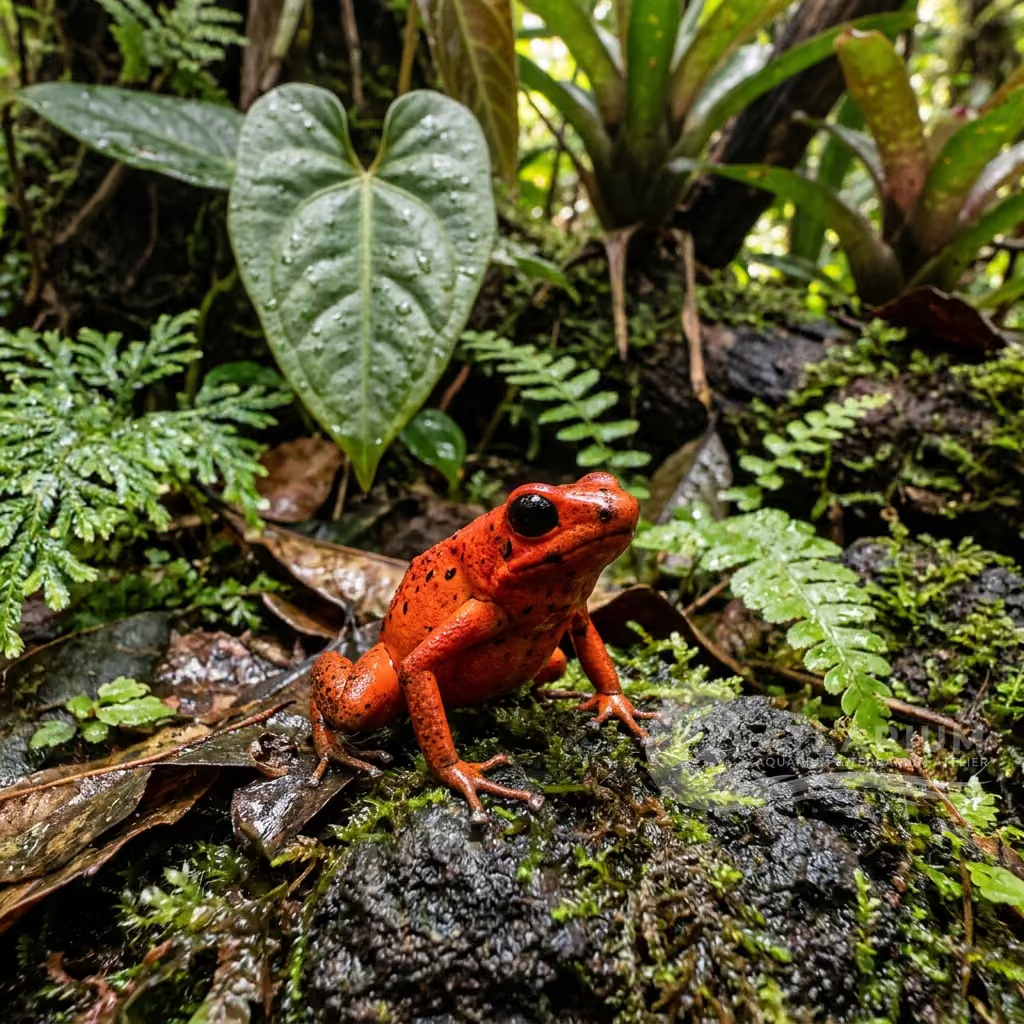
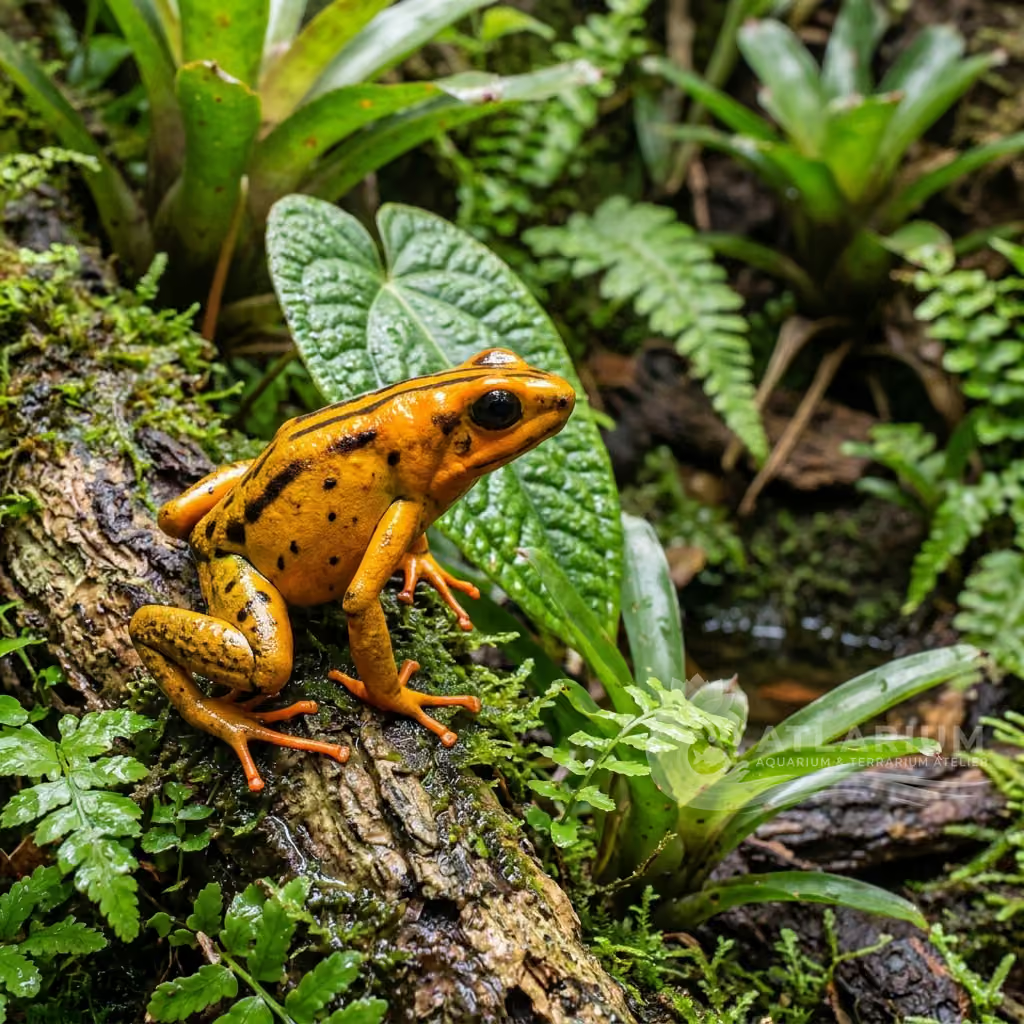
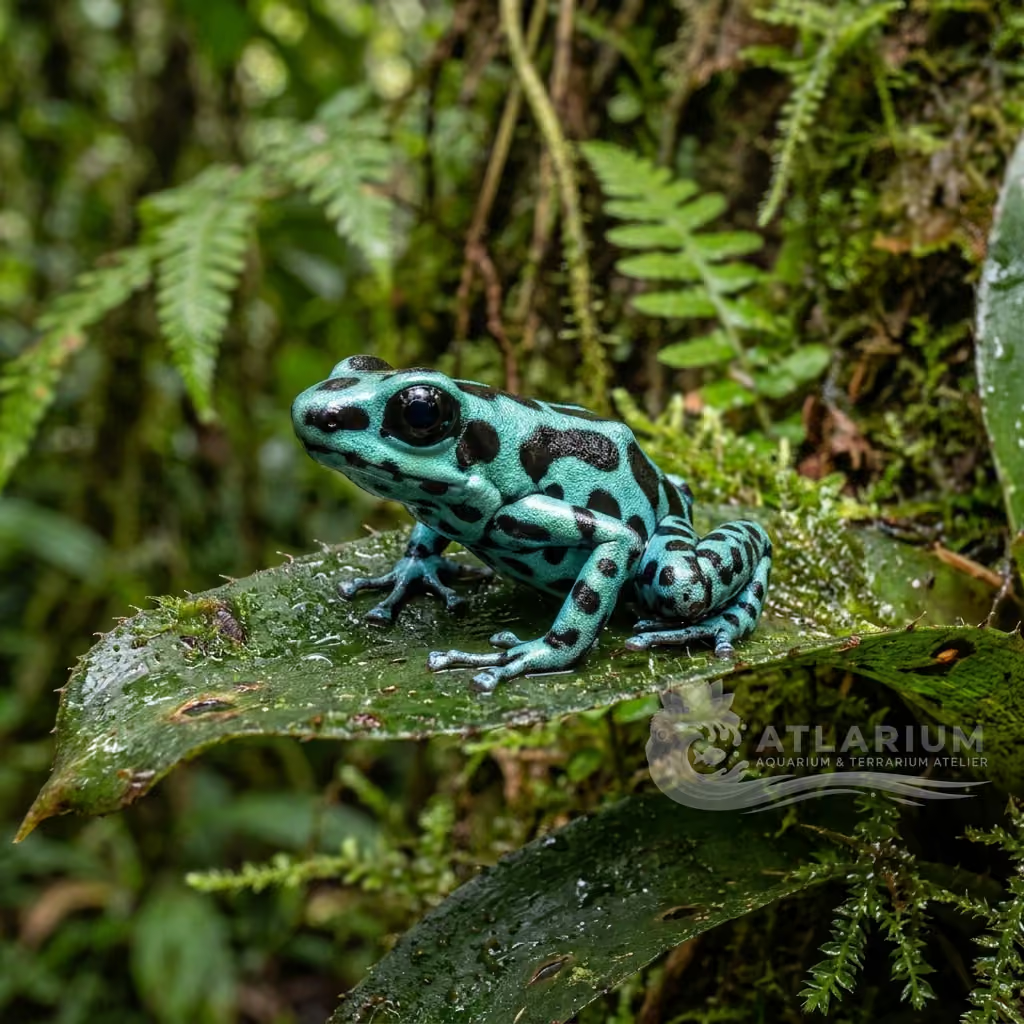
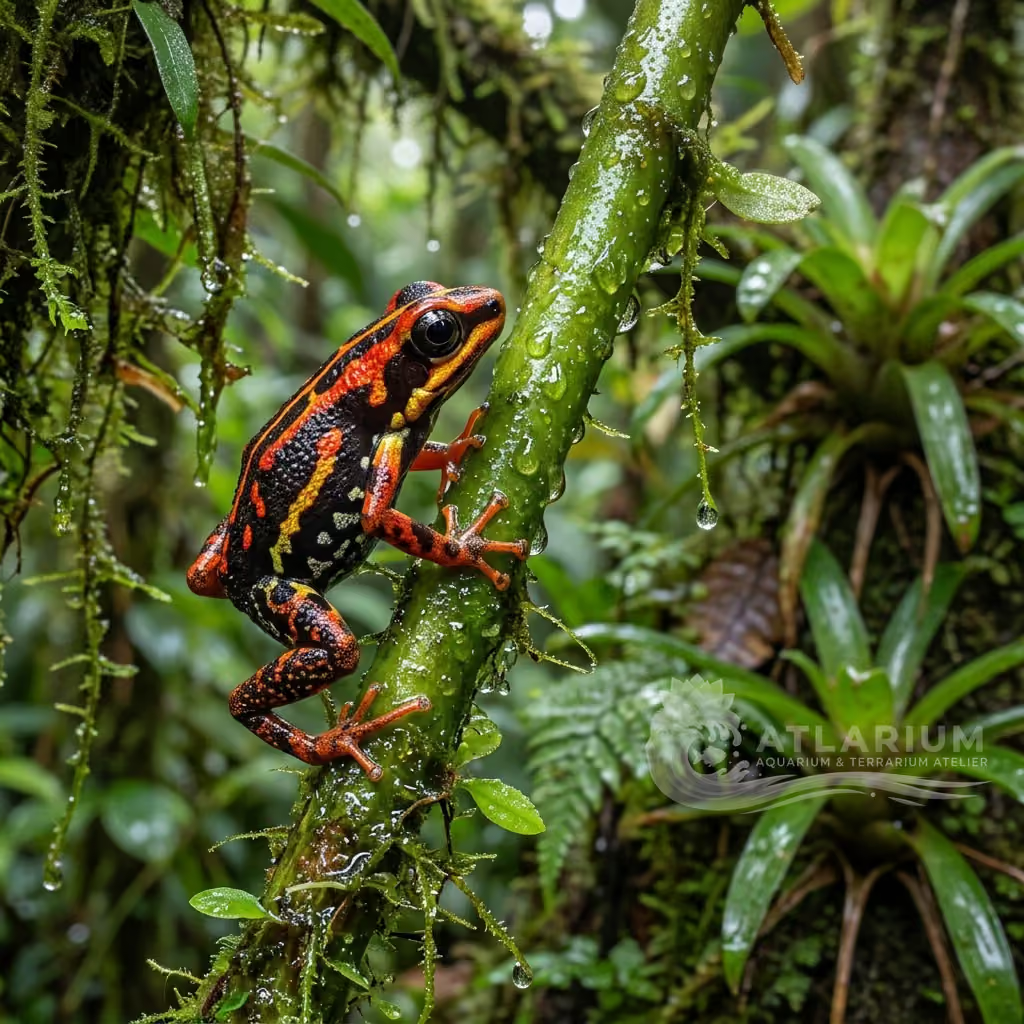
Taxonomy and Genetics: Belonging to the family Dendrobatidae. A medium-sized poison frog (3-4 cm in length) with smooth, highly toxic skin. It displays a wide range of wild color morphs, typically featuring a black or dark brown base color boldly patterned with bright orange, red, yellow, or blue patches in arlequin-like designs.
Behavior and Habits: Diurnal, active, and highly territorial. Males produce a loud, metallic buzzing call to attract females. During courtship, the female is highly selective, trailing the male to choose a nest site. The genus *Oophaga* is characterized by complex parental care: the female deposits tadpoles individually into water-filled bromeliad leaf axils and feeds them with unfertilized eggs over several months.
Morphology: Females are generally larger and exhibit a rounder, stockier body when carrying mature eggs. Males are more slender, agile, and possess a vocal sac under the throat that appears slightly darker and loose after calling.

Care, breeding and tankmates
Terrarium Setup: Requires a mature, vertically oriented bioactive terrarium (minimum 45x45x60 cm) heavily planted with broad-leafed bromeliads (such as Neoregelia species), which are essential for tadpole rearing. Use a drainage layer of clay balls, a substrate of sphagnum moss, and sterile leaf litter. Provide abundant hiding spots, cork bark, and a quiet location away from loud noises or vibration.
Lighting and Heating: Maintain daytime temperatures between 24 and 26°C. High heat is extremely dangerous; temperatures exceeding 28°C can be fatal, requiring air conditioning during hot seasons. Maintain a night drop to 21°C. Provide high-quality lighting to support bromeliad growth, alongside a gentle 5% UVB source to prevent metabolic bone disease.
Humidity and Hydration: Requires high relative humidity (80-90%) with excellent ventilation to prevent stagnant air. Spray frequently with reverse osmosis water using an automated misting system. Water pools in bromeliad leaf axils must never dry out, as they are crucial for tadpole survival.
Feeding and Supplementation: Highly specialized micro-predator feeding exclusively on very small insects. Feed with Drosophila melanogaster fruit flies and collembola (springtails). Supplement all food at every feeding with a high-quality vitamin and calcium powder containing vitamin A and D3 to prevent rickets and nutritional paralysis.
Compatibility: Must be housed strictly as a single established pair (1.1). Keeping multiple individuals of the same sex leads to intense territorial fighting, where dominant frogs will stress, starve, or physically harm subordinate rivals. Do not mix with other species or different color morphs.
Health and Common Diseases: Extremely sensitive to stress, temperature spikes, and chemical exposure. Never handle with bare hands; skin oils, soaps, and sweat can cause fatal toxic shock through their permeable skin. New arrivals require strict quarantine. Monitor feces for parasites and watch for bacterial infections like red leg disease.

Geographic origin and distribution
Endemic to the wet, humid tropical rainforests of the Chocò region in northwestern Colombia. It inhabits the deep leaf litter of the forest floor and low arbustive vegetation, utilizing epiphytic plants and bromeliads in shaded, warm, and highly humid forest environments.
Origin
Extra-Amazon South AmericaNorth America

Amphibian profile
- Diet
- Insectivore
- The Harlequin Poison Dart Frog is an obligate microphage, feeding constantly on tiny insects like springtails, mites, and small ants in its natural habitat. In captivity, maintaining a vast, reproducing population of springtails and offering specialized dwarf fruit flies is strictly necessary. They have high metabolisms and require constant access to food, heavily dusted with calcium and vitamin A to prevent severe health issues.
- Life expectancy
- 8-15 years
- Adult size
- 3.5 cm
- Lifestyle/Microhabitat
- Terrestrial
- The Harlequin Poison Dart Frog is firmly terrestrial, preferring to dwell on the forest floor, hiding among leaf litter and ground-level structures to forage and seek shelter.
- Activity cycle
- Diurnal
- The Harlequin Poison Dart Frog is primarily active during the day, typical of diurnal species that rely on light to navigate, forage, and interact.
- Sociality
- Solitary
- These vibrant frogs are diurnal and highly active, navigating the complex matrix of the rainforest floor and low canopy shrubs. Males are incredibly territorial, fiercely defending their chosen calling sites by vocalizing loudly and grappling with rival males. They are bold and visible during the day, fully trusting that their incredibly bright color patterns will deter any visual predators.
- Reproduction
- Oviparous
- This species is famous for its obligate egg-feeding behavior, where the female transports newly hatched tadpoles to small water-filled bromeliad axils. The mother then returns to each tadpole repeatedly over several weeks, depositing unfertilized trophic eggs specifically to feed them. Because the tadpoles cannot survive without their mother's unfertilized eggs, this species is incredibly difficult to breed in a captive setting.
- Toxicity
- Harmless
- Wild Harlequin frogs process potent histrionicotoxins derived entirely from their specialized diet of mites and ants, making them highly toxic. As with all poison dart frogs, captive-bred individuals are completely devoid of these toxins because they lack the specific wild prey required to synthesize them. Even so, their skin remains delicate, so handling should always be minimized to prevent damaging the frog.
- Life stage
- Metamorphosis
- They start as fully aquatic tadpoles uniquely adapted to consume only the trophic eggs provided by their mother in tiny pools of water. Metamorphosis is a rapid process, with miniature froglets emerging fully formed but requiring immediate access to massive amounts of springtails. They grow slowly, taking several months to mature and fully develop their mesmerizing, high-contrast coloration.
- Handling tolerance
- Display only
- As a highly sensitive or fragile species, the Harlequin Poison Dart Frog should be considered a display-only animal. Handling causes immense stress and should only occur during emergencies.
- Brumation
- The Harlequin Poison Dart Frog originates from stable tropical environments and does not require or tolerate a winter brumation period; temperatures must remain consistently warm year-round.
- Molting
- Periodic
- Shedding for the Harlequin Poison Dart Frog heavily relies on high ambient humidity. A humid hide or frequent misting is crucial to prevent stuck shed and ensure a smooth, complete molt.

Related species
Recommendations grouped by close relatives, companion choices, and similar care.