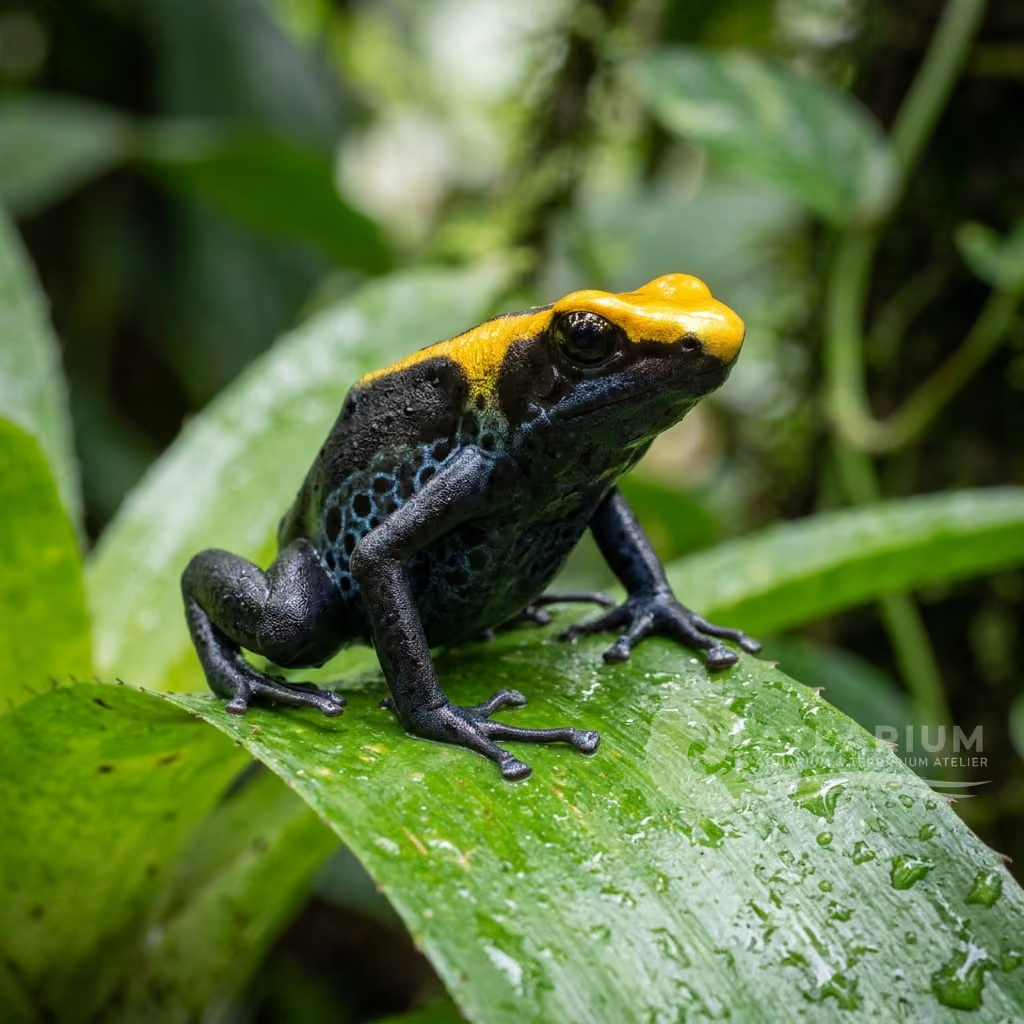
Zimmermann's Poison Frog
Ranitomeya variabilis
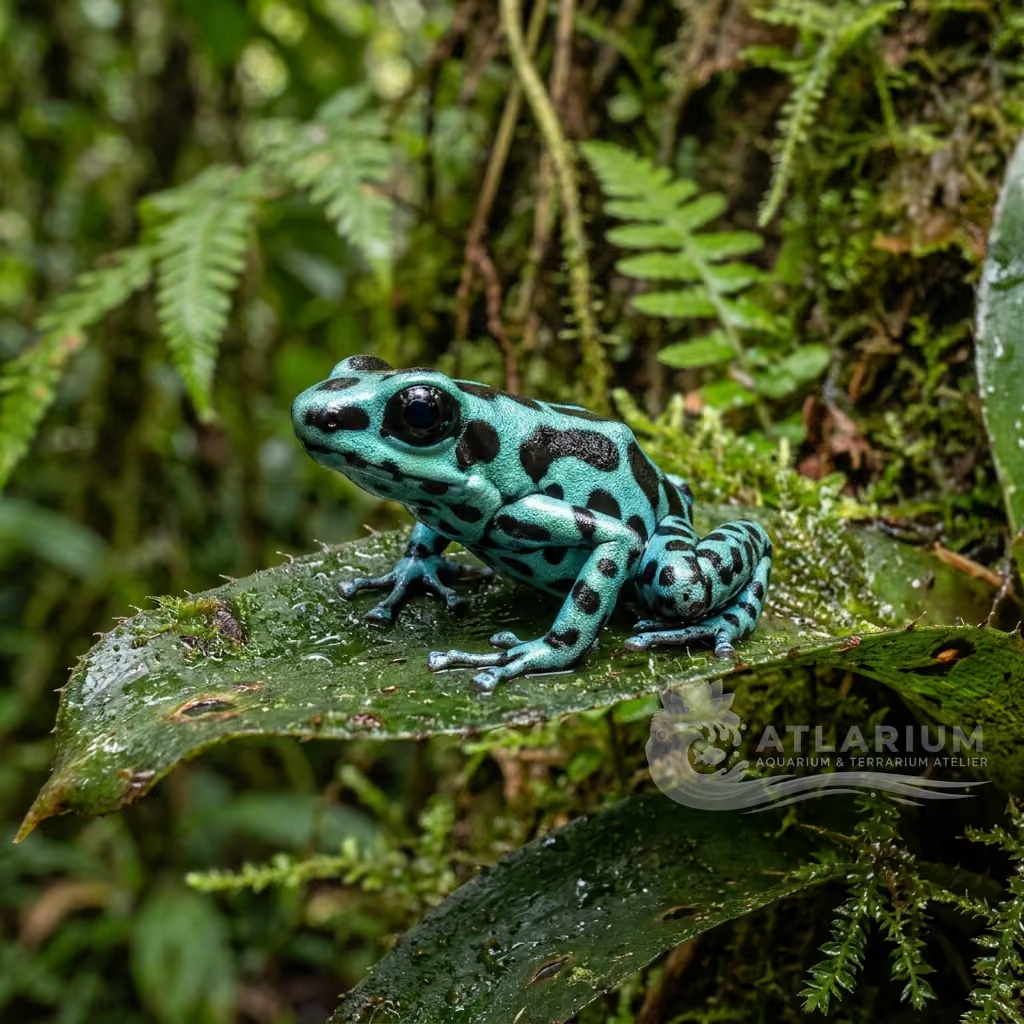
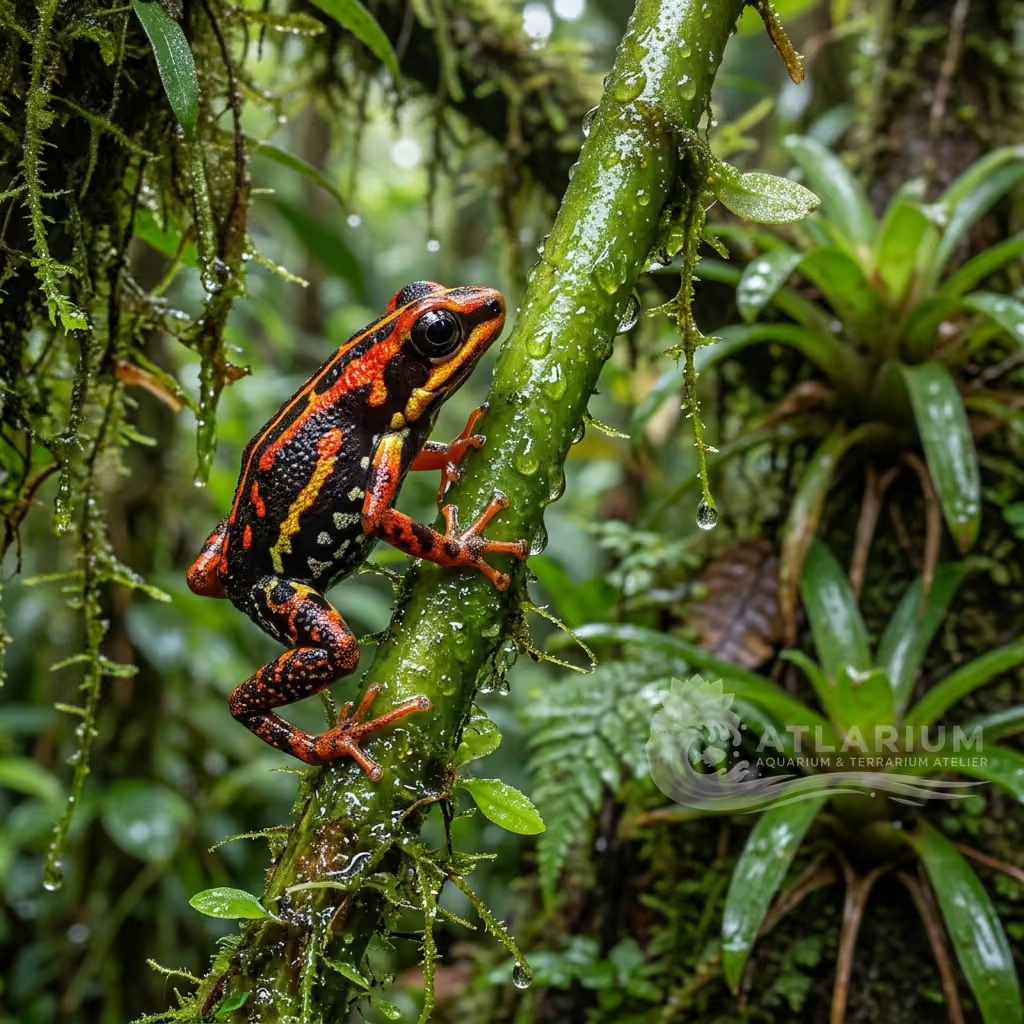
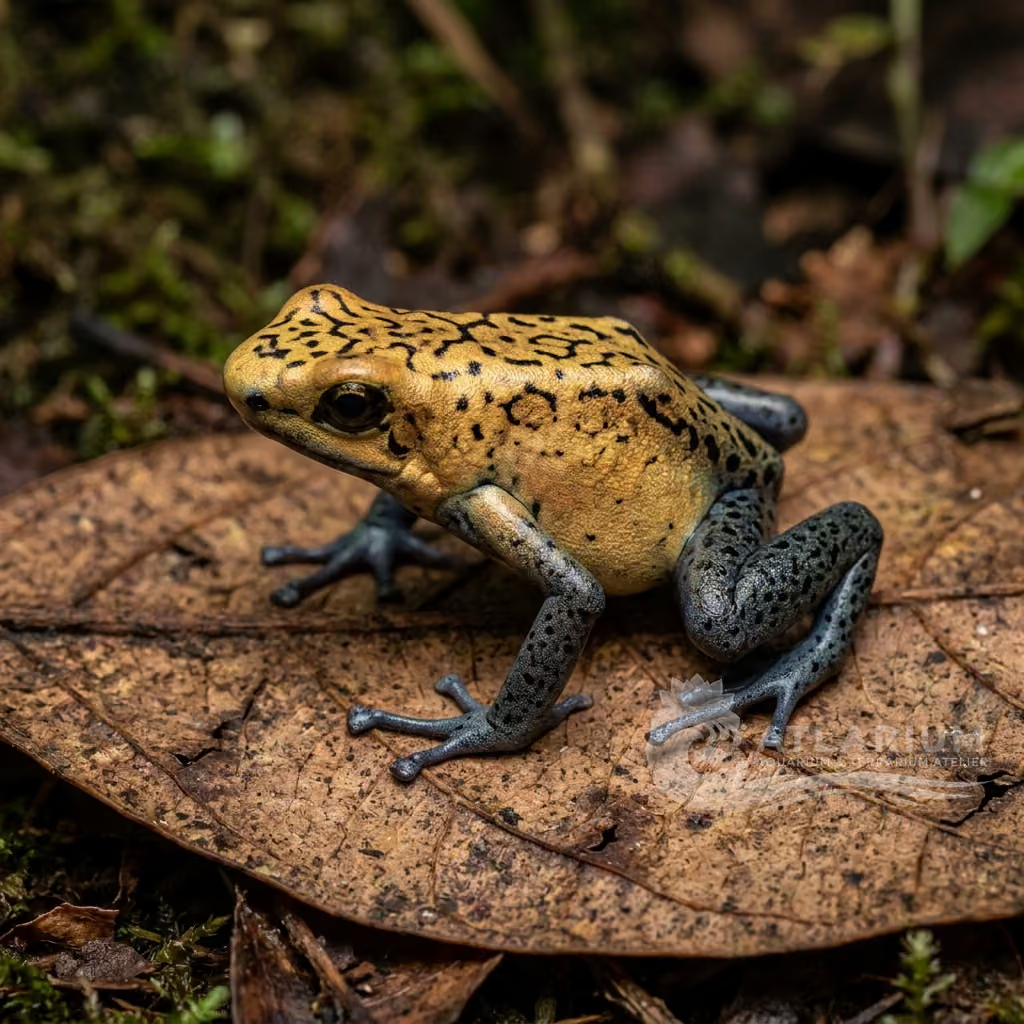
Zimmermann's poison frog. A Peruvian thumbnail dart frog displaying a variable pattern of metallic green, blue, or yellow markings on a dark background. Extremely active, arboreal, and requires high humidity.
Environment
Terrestrial
Humidity
80 - 90 %
Day temperature
22 - 26 °C
Night temperature
18 - 20 °C
Ambient temperature
22 - 26 °C
Minimum enclosure
>= 30 L

Species description
Geographical Origin and Habitat: Endemic to the damp, dark lowland rainforests of the upper Amazon basin, spanning north-western Peru and southern Colombia. Strictly arboreal, it lives in the water-filled leaf axils of tall bromeliads and vines.
Taxonomy and Genetics: A tiny frog measuring 1.5 to 1.8 cm. Its dorsal surface features metallic lime-green, yellow, or turquoise blue stripes or reticulated spots on a solid black background. Legs are usually patterned with turquoise blue. Possesses suction-like toe discs for climbing.
Behavior and Habits: Shy, nervous, and incredibly fast. Diurnal and highly active. It has complex parental care behaviors, where males defend breeding sites and carry tadpoles on their backs to deposit them into water-filled bromeliad pockets.
Morphology: Adult females are noticeably larger, broader, and more round-bodied. Males are smaller, more slender, and produce a high-pitched, metallic trilling call.

Care, breeding and tankmates
Terrarium Setup: Requires a tall vertical terrarium (minimum 30x30x40 cm). Plant heavily with Neoregelia bromeliads and tropical vines. Use a bioactive substrate topped with a layer of oak leaf litter.
Lighting and Heating: Keep daytime temperatures between 24°C and 26°C. Temperatures above 28°C are lethal. Keep nights cooler (20-22°C). Low-output UVB lighting (2.0-5.0) is vital for calcium metabolism and live plant growth.
Humidity and Hydration: Maintain high humidity (80-90%) with daily misting using reverse osmosis water. Proper ventilation is required to prevent stagnant water, which can lead to bacterial red leg syndrome.
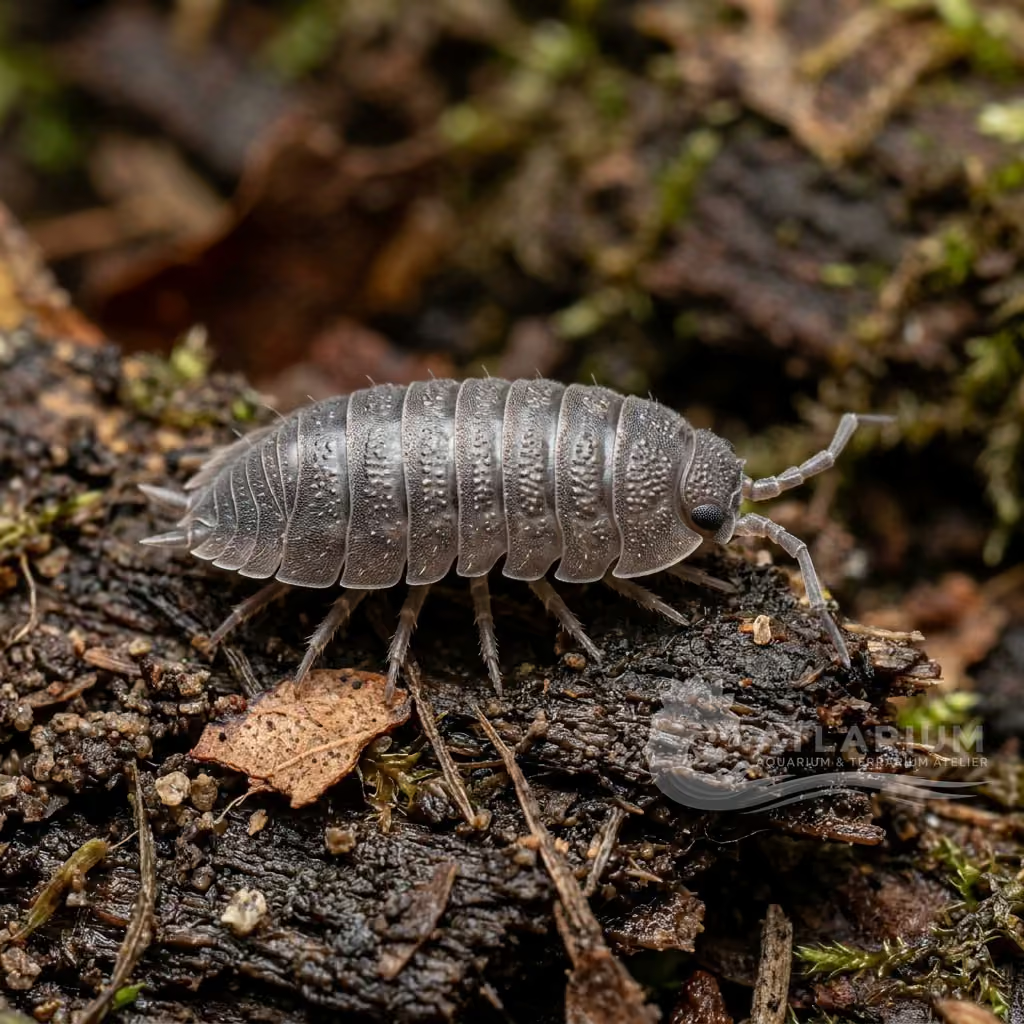
Feeding and Supplementation: Feed exclusively on micro-insects such as wingless Drosophila melanogaster, springtails, and micro-isopods. Dust prey with calcium and vitamin D3 supplements (e.g. Repashy Calcium Plus) at every feeding.
Compatibility: Best kept in pairs (1.1). Adult females can be highly territorial and aggressive, wrestling each other and destroying rival egg clutches.
Health and Common Diseases: Vulnerable to dehydration, metabolic bone disease, and snout abrasions from colliding with glass when panicked. Never handle them with bare hands; human skin oils can cause immediate chemical shock.

Geographic origin and distribution
Endemic to the damp, dark lowland rainforests of the upper Amazon basin, spanning north-western Peru and southern Colombia. Strictly arboreal, it lives in the water-filled leaf axils of tall bromeliads and vines.
Origin
Amazon, Orinoco, and GuianasNorth America

Amphibian profile
- Diet
- Insectivore
- Zimmermann's Poison Frog feeds almost exclusively on tiny invertebrates found in the rainforest understory, such as mites, ants, and small spiders. In a terrarium environment, they are typically offered a steady supply of Drosophila melanogaster fruit flies. Culturing springtails in the enclosure provides a vital supplementary food source that mimics their natural foraging behavior.
- Life expectancy
- 8-12 years
- Adult size
- 1.8 cm
- Lifestyle/Microhabitat
- Arboreal
- Highly adapted to an arboreal lifestyle, the Zimmermann's Poison Frog spends the vast majority of its time in the upper canopy, climbing branches and leaves with specialized adaptations.
- Activity cycle
- Diurnal
- The Zimmermann's Poison Frog is primarily active during the day, typical of diurnal species that rely on light to navigate, forage, and interact.
- Sociality
- Solitary
- These frogs are active, diurnal amphibians that boldly explore their environment, utilizing both the forest floor and low-hanging vegetation. They are less aggressive than some other poison frogs, but males will still establish and defend small territories. Their striking yellow, green, and black patterns serve as a visual warning to predators, a strategy known as aposematism.
- Reproduction
- Oviparous
- Reproduction is closely tied to the presence of water-holding plants like bromeliads, where courtship and egg deposition usually occur. Males emit a soft, buzzing call to attract females, who then lay small clutches of 2 to 6 eggs on smooth surfaces near water. Once hatched, the male meticulously transports the tadpoles on his back to individual water pockets for their aquatic development.
- Toxicity
- Harmless
- Wild individuals gather toxic alkaloids from their highly specialized diet of toxic arthropods, secreting these defensive compounds through their skin. This makes them unpalatable and potentially lethal to a variety of predators. Captive-bred frogs lack access to this specific diet and therefore do not develop these toxic skin secretions, rendering them harmless.
- Life stage
- Metamorphosis
- The development from egg to tadpole takes roughly two weeks, followed by an aquatic larval stage that can last two to three months. During this time, the tadpoles are mostly omnivorous, feeding on plant matter, insect larvae, and detritus within their small pools. They eventually undergo metamorphosis, emerging as miniature, fully patterned froglets.
- Handling tolerance
- Display only
- As a highly sensitive or fragile species, the Zimmermann's Poison Frog should be considered a display-only animal. Handling causes immense stress and should only occur during emergencies.
- Brumation
- The Zimmermann's Poison Frog originates from stable tropical environments and does not require or tolerate a winter brumation period; temperatures must remain consistently warm year-round.
- Molting
- Periodic
- Shedding for the Zimmermann's Poison Frog heavily relies on high ambient humidity. A humid hide or frequent misting is crucial to prevent stuck shed and ensure a smooth, complete molt.

Related species
Recommendations grouped by close relatives, companion choices, and similar care.