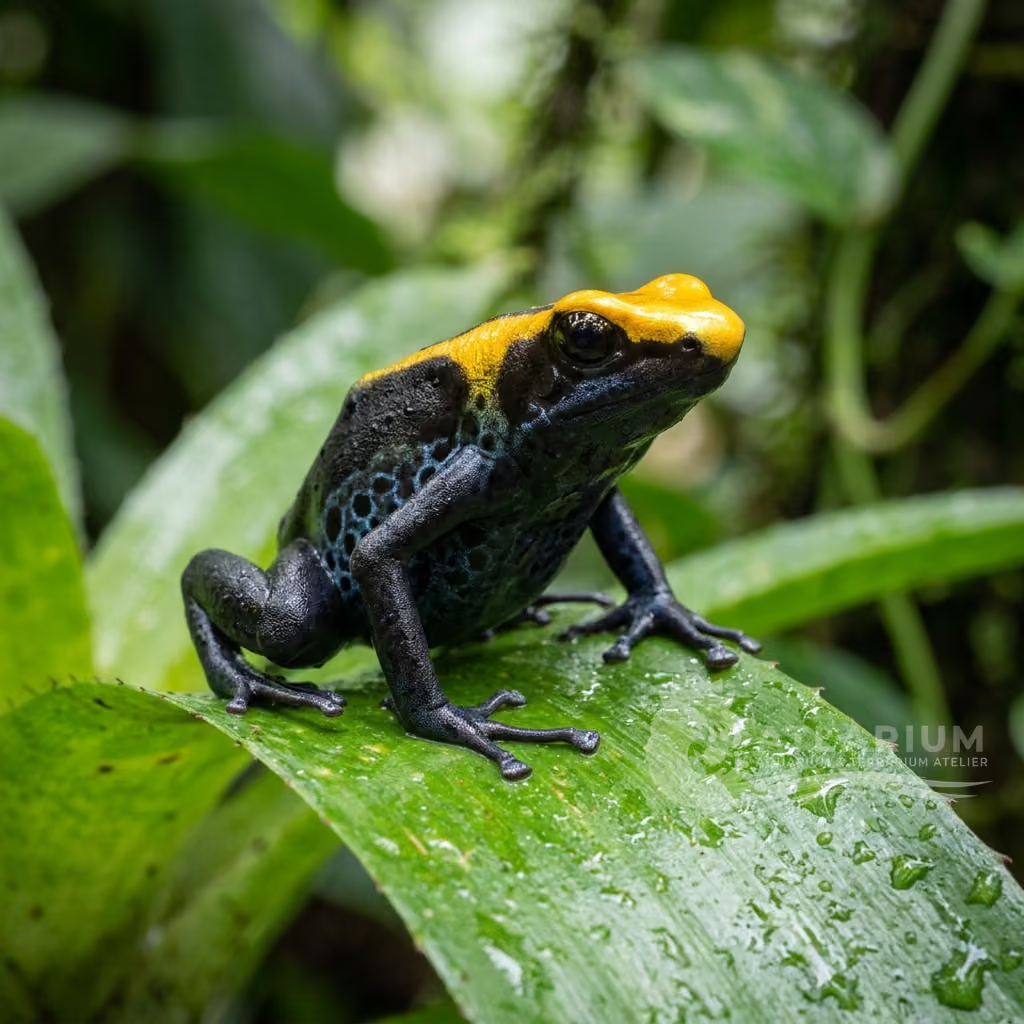
Amazonian Poison Dart Frog
Ranitomeya ventrimaculata
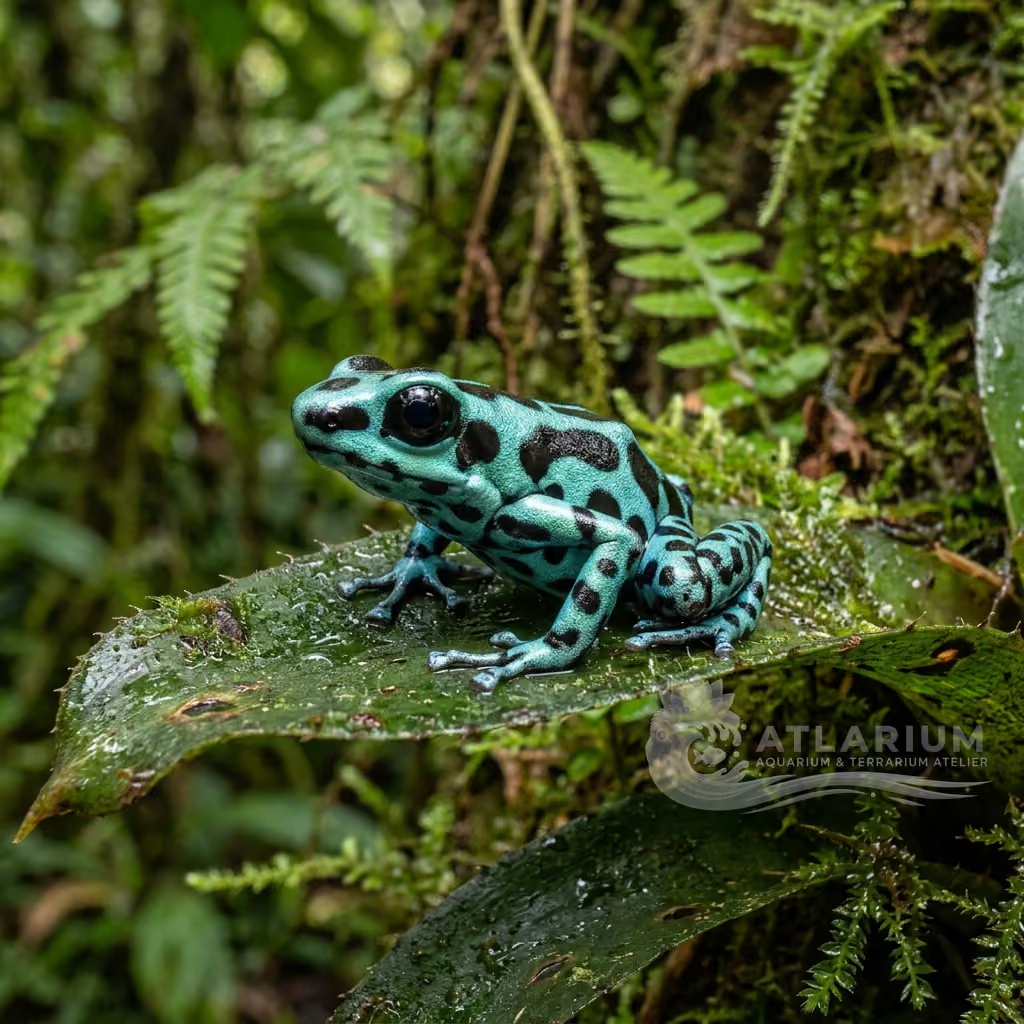
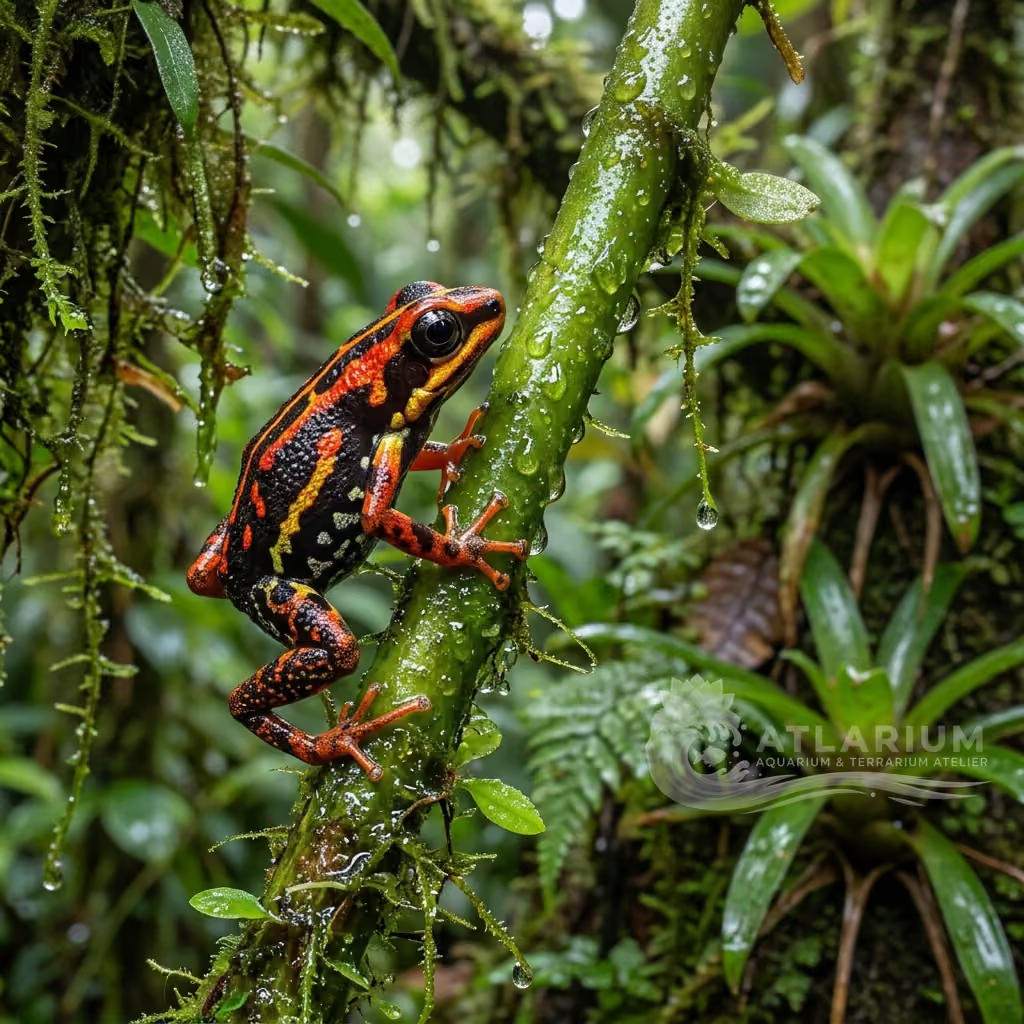
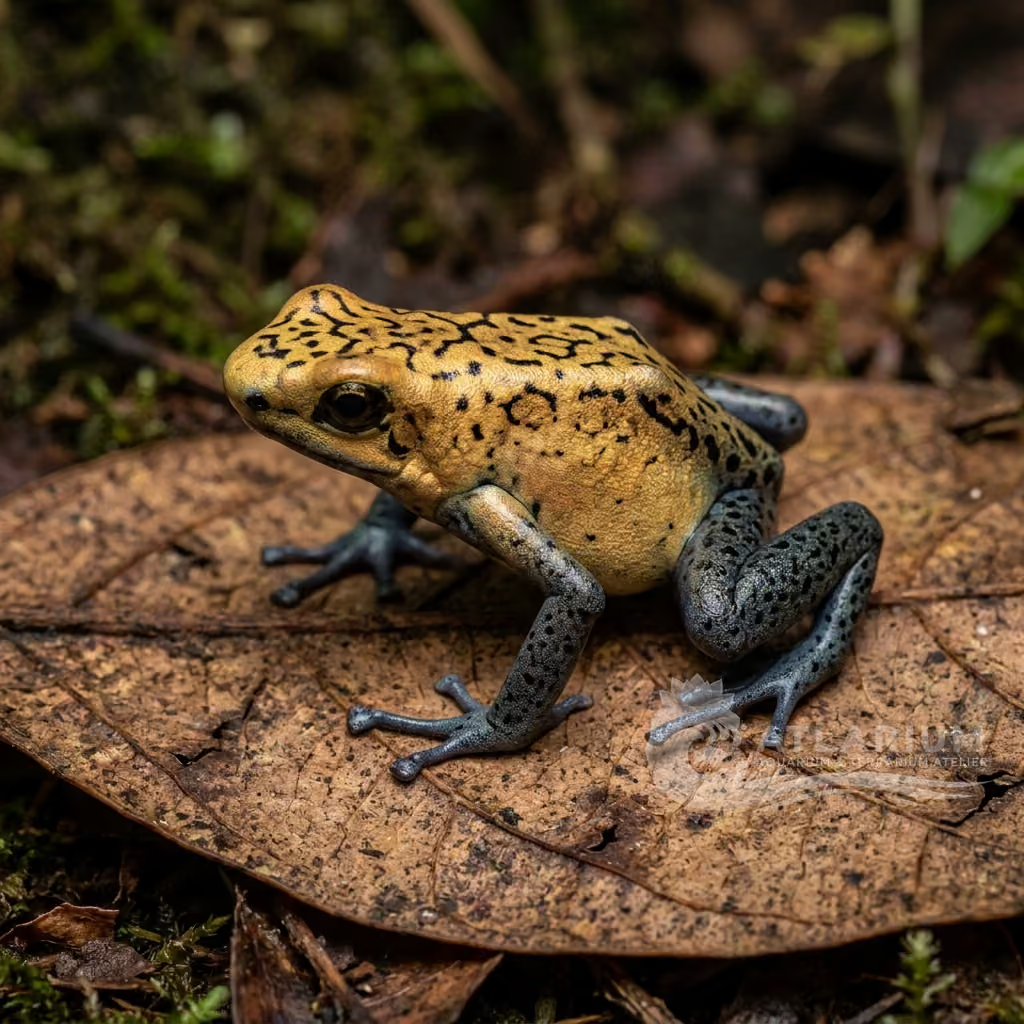
Ranitomeya ventrimaculata is a popular dwarf poison dart frog, highly sought after for its gorgeous yellow-orange striped dorsum and brilliant blue, black-spotted underbelly.
Environment
Terrestrial
Humidity
80 - 90 %
Day temperature
22 - 26 °C
Night temperature
18 - 20 °C
Ambient temperature
22 - 26 °C
Minimum enclosure
>= 30 L

Species description
Geographical Origin and Habitat: This tiny amphibian is native to the warm, hyper-humid lowland rainforests of the Upper Amazon Basin, with a range spanning parts of Colombia, Ecuador, Peru, and northern Brazil. It is a strictly arboreal species, belonging to the 'thumbnail' poison frog group. It spends almost its entire life cycle high above the forest floor, residing within the water-filled leaf axils of epiphytic bromeliads and woody lianas.
Taxonomy and Genetics: Belonging to the Dendrobatidae family, Ranitomeya ventrimaculata was historically taxonomic cousins with R. amazonica, which was once classified as a geographic color variant. Genetic research has highlighted its complex evolutionary warning color patterns (aposematism). In the wild, its skin glands secrete highly active toxic alkaloids, which are metabolized from a specialized diet of venomous forest ants and mites.
Behavior and Habits: Extremely energetic, fast, and agile. They are diurnal, active searchers that spend their day climbing, jumping between leaves, and searching for micro-insects. Males establish vocal territories, emitting a high-pitched, metallic trilling or buzzing sound to attract females. Females lay small clutches of 4-5 gelatinous eggs inside bromeliad cups, which are then guarded and transported by the male.
Morphology: True to their 'thumbnail' name, adults are tiny, measuring only 1.6 to 1.8 cm in total length. The dorsal surface features a bold pattern of alternating bright yellow, gold, or orange longitudinal stripes on a dark black background. The legs and ventral side are a contrasting bright neon blue or turquoise, marked with a fine reticulated pattern of black spots. Females are slightly larger and rounder when carrying eggs.

Care, breeding and tankmates
Terrarium Setup: Requires a vertically oriented, heavily planted vivarium. A minimum tank size of 30x30x40 cm is necessary for a pair, but larger is preferred. The back and side walls should be covered in natural cork or tree fern panels. Epiphytic bromeliads (such as Neoregelia species) are absolutely essential, as their central water wells are used for hydration, sleeping, and tadpole rearing. Use a drainage layer under a substrate of peat and live moss.
Lighting and Heating: Prefers stable tropical conditions. Maintain daytime temperatures between 24°C and 26°C. They are highly sensitive to overheating; temperatures exceeding 28°C can cause heat stress and quick mortality. Provide a nighttime temperature drop to 20-22°C. A low-output 5% UVB light source combined with bright LED plant grow lights is required to keep both the frogs and live bromeliads healthy.
Humidity and Hydration: Must be kept at constant high humidity, between 80% and 95%. Use an automated misting system with reverse osmosis (RO) or distilled water, as tap water containing chlorine will damage their highly permeable skin. Proper ventilation is required; use dual-vent screens to prevent stagnant, moldy air, which can cause lethal bacterial infections.
Feeding and Supplementation: Strictly micro-insectivorous. Their diet in captivity consists almost entirely of flightless fruit flies (Drosophila melanogaster) and springtails. Flightless fruit flies must be lightly dusted at every feeding with a high-quality calcium, D3, and vitamin A supplement (such as Dendrocare) to prevent metabolic diseases and spindly leg syndrome. Feed them small amounts 3-4 times per week.
Compatibility: Best housed in sexed pairs (one male, one female). Females are highly territorial and can engage in wrestling matches, during which they may destroy the eggs of rivals or drown submissive females in bromeliad cups. Do not house with other species of dart frogs to prevent cross-contamination, stress, and potential hybridization.
Health and Common Diseases: Highly delicate. Handling should be avoided entirely unless absolutely necessary, and only done with wet, powder-free gloves. They are prone to dehydration if humidity drops, and to 'red leg' disease (a bacterial infection) in dirty environments. Stressed frogs may hide constantly and succumb to starvation. Ensure bromeliad water wells are kept clean and flushed weekly.

Geographic origin and distribution
This tiny amphibian is native to the warm, hyper-humid lowland rainforests of the Upper Amazon Basin, with a range spanning parts of Colombia, Ecuador, Peru, and northern Brazil. It is a strictly arboreal species, belonging to the 'thumbnail' poison frog group. It spends almost its entire life cycle high above the forest floor, residing within the water-filled leaf axils of epiphytic bromeliads and woody lianas.
Origin
Amazon, Orinoco, and GuianasNorth America

Amphibian profile
- Diet
- Insectivore
- The Amazonian Poison Dart Frog relies on a diet of incredibly small insects, primarily consisting of springtails, mites, and tiny ants found in the leaf litter. Captive specimens are fed a strict diet of appropriately sized, flightless fruit flies, specifically D. melanogaster. These insects must be dusted with a high-quality calcium and multivitamin supplement at every feeding to prevent nutritional deficiencies.
- Life expectancy
- 4-8 years
- Adult size
- 1.8 cm
- Lifestyle/Microhabitat
- Arboreal
- Highly adapted to an arboreal lifestyle, the Amazonian Poison Dart Frog spends the vast majority of its time in the upper canopy, climbing branches and leaves with specialized adaptations.
- Activity cycle
- Diurnal
- The Amazonian Poison Dart Frog is primarily active during the day, typical of diurnal species that rely on light to navigate, forage, and interact.
- Sociality
- Gregarious
- This small frog is highly active and arboreal, spending much of its time climbing through the undergrowth and lower canopy. They are bold and social among their own kind, often found living in small, loose groups in the wild. Despite their size, males can be vocally assertive, producing a soft, prolonged buzz to communicate territory and readiness to mate.
- Reproduction
- Oviparous
- Breeding often takes place in the axils of bromeliads or other water-holding plants where the environment remains consistently humid. Females lay small clutches of 4-8 eggs just above the waterline, which are fertilized by the male. Upon hatching, the male will carefully transport the tadpoles to various water-filled crevices to complete their growth.
- Toxicity
- Harmless
- Like many in its genus, it synthesizes its lipophilic alkaloid toxins from the specific dietary components available in the Amazon basin. These toxins are exuded onto the skin's surface, creating a deadly barrier against predators. Since the captive diet lacks these precursor compounds, captive-bred frogs are completely devoid of these dangerous toxins.
- Life stage
- Metamorphosis
- The eggs are highly dependent on high humidity and develop into tadpoles within 12 to 14 days. These tadpoles are completely aquatic and generally herbivorous or detritivorous, feeding on algae and decaying matter. Metamorphosis occurs after approximately 60 to 80 days, resulting in tiny, terrestrial froglets that are fully independent.
- Handling tolerance
- Display only
- As a highly sensitive or fragile species, the Amazonian Poison Dart Frog should be considered a display-only animal. Handling causes immense stress and should only occur during emergencies.
- Brumation
- The Amazonian Poison Dart Frog originates from stable tropical environments and does not require or tolerate a winter brumation period; temperatures must remain consistently warm year-round.
- Molting
- Periodic
- Shedding for the Amazonian Poison Dart Frog heavily relies on high ambient humidity. A humid hide or frequent misting is crucial to prevent stuck shed and ensure a smooth, complete molt.

Related species
Recommendations grouped by close relatives, companion choices, and similar care.