Vicente's Poison Frog
Oophaga vicentei
Endemic to Panama's montane rainforests, this arboreal dart frog lives high in the canopy. It demands a tall vertical terrarium covered with tree fern panels and epiphytic bromeliads.
Environment
Terrestrial
Humidity
80 - 100 %
Day temperature
22 - 26 °C
Night temperature
19 - 21 °C

Species description
Geographical Origin and Habitat: Endemic to the montane and premontane rainforests of central Panama, specifically in the provinces of Veraguas and Coclé. It is an arboreal species that inhabits the upper canopy of the forest, living 5 to 20 meters above ground in epiphytic plants.
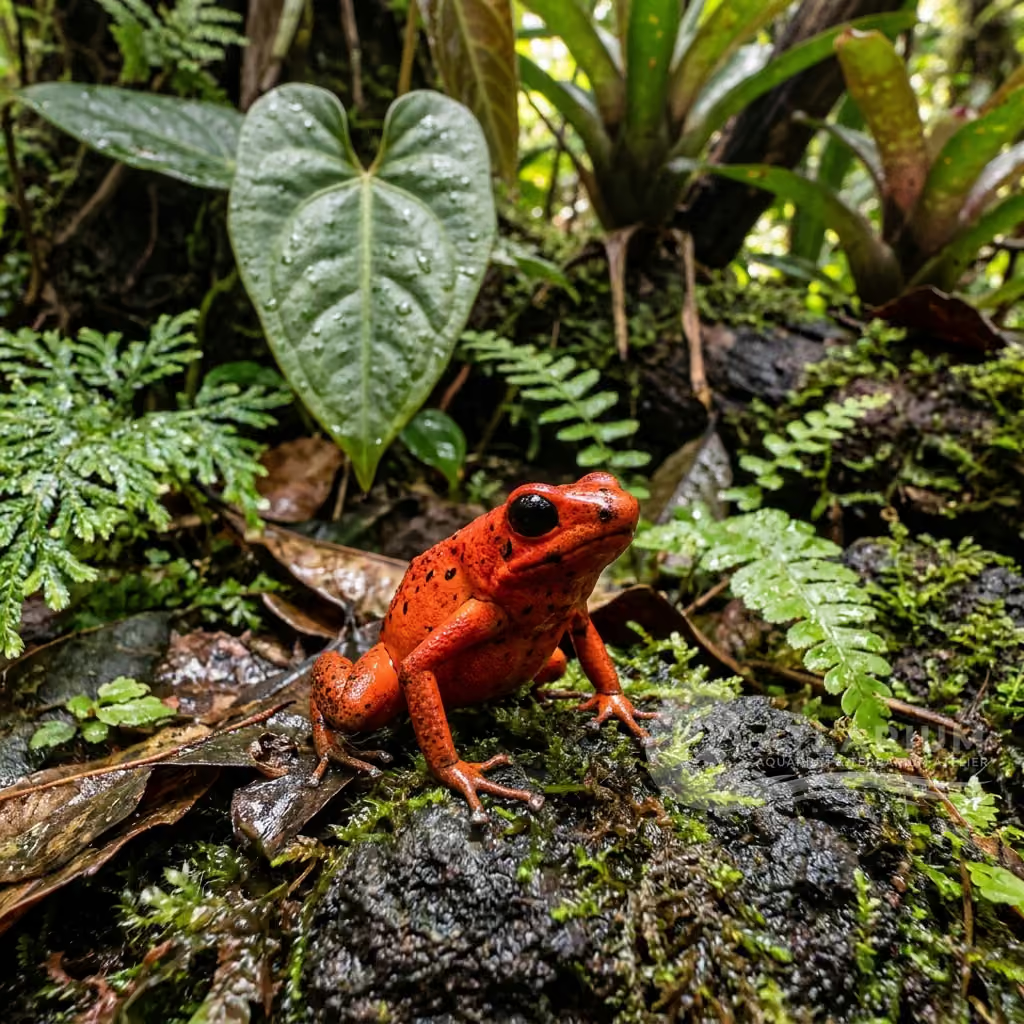
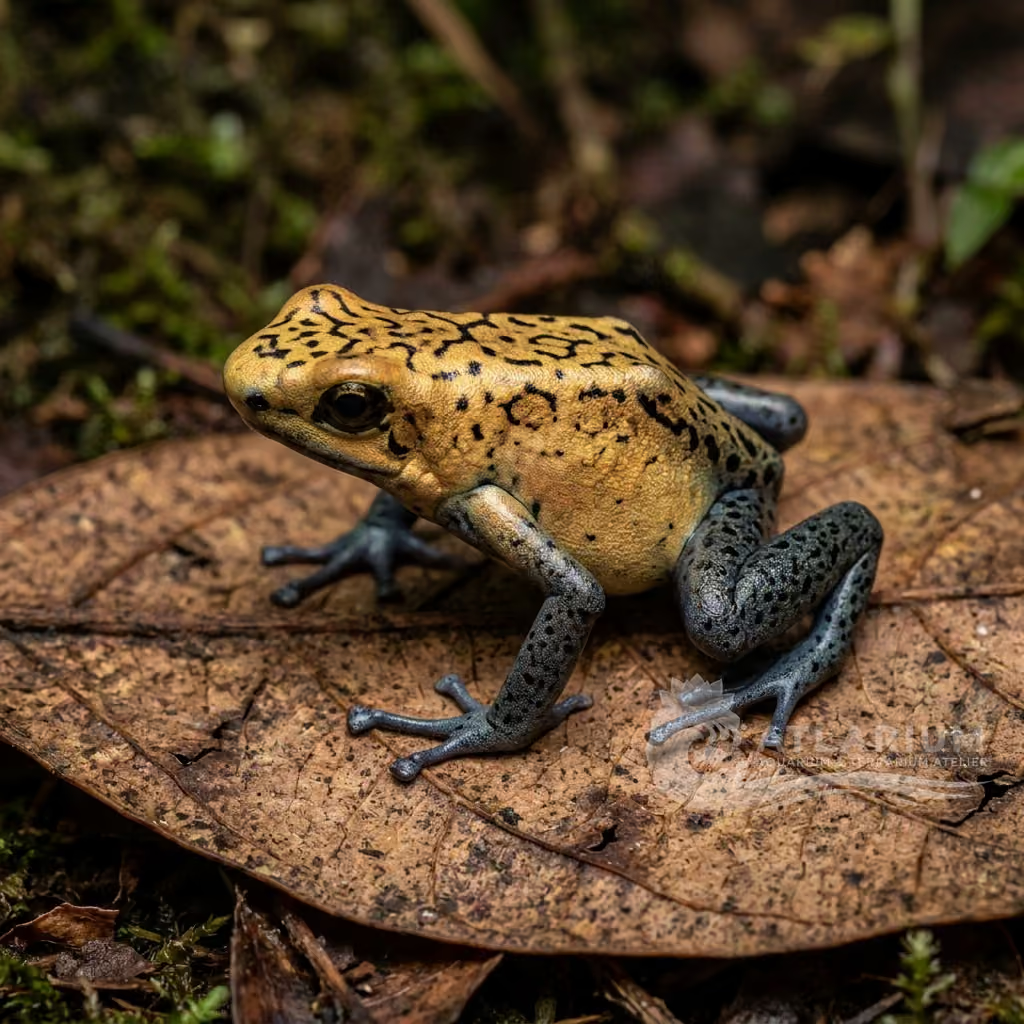
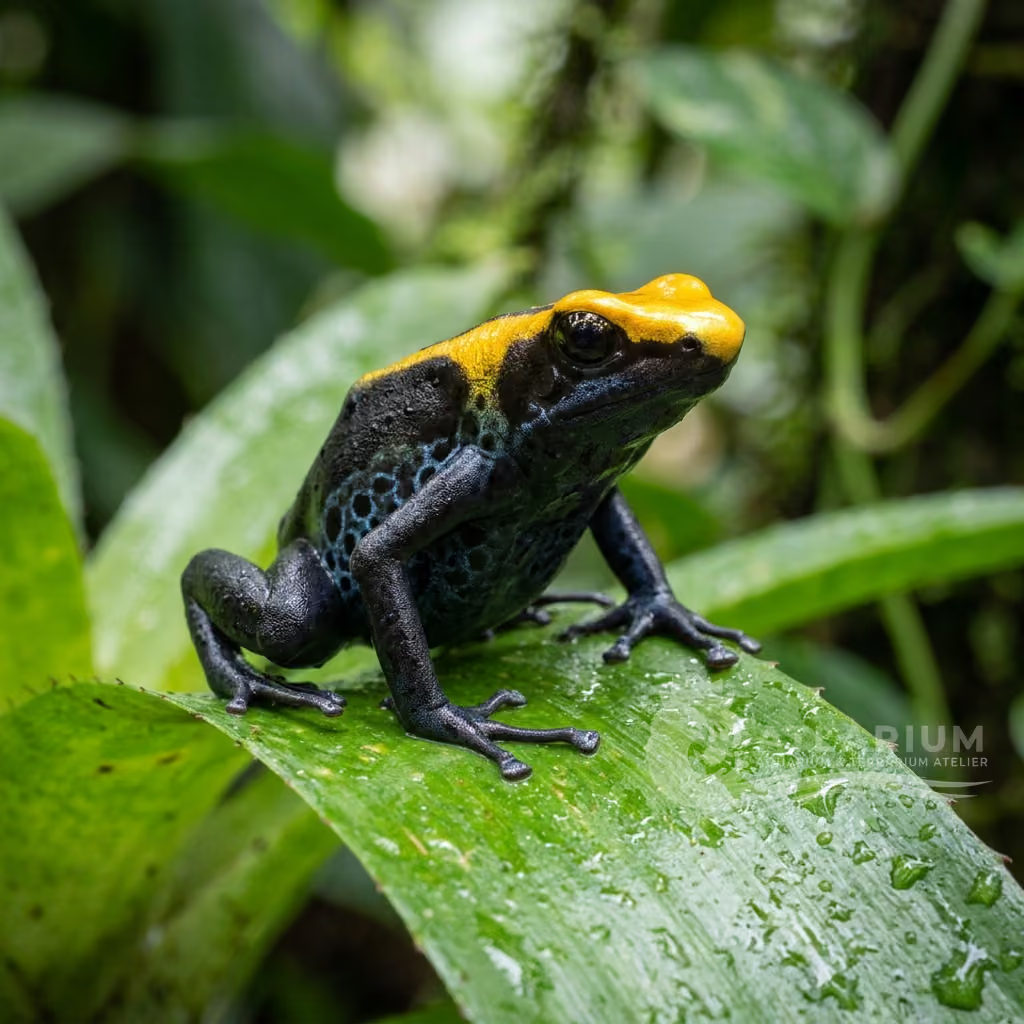
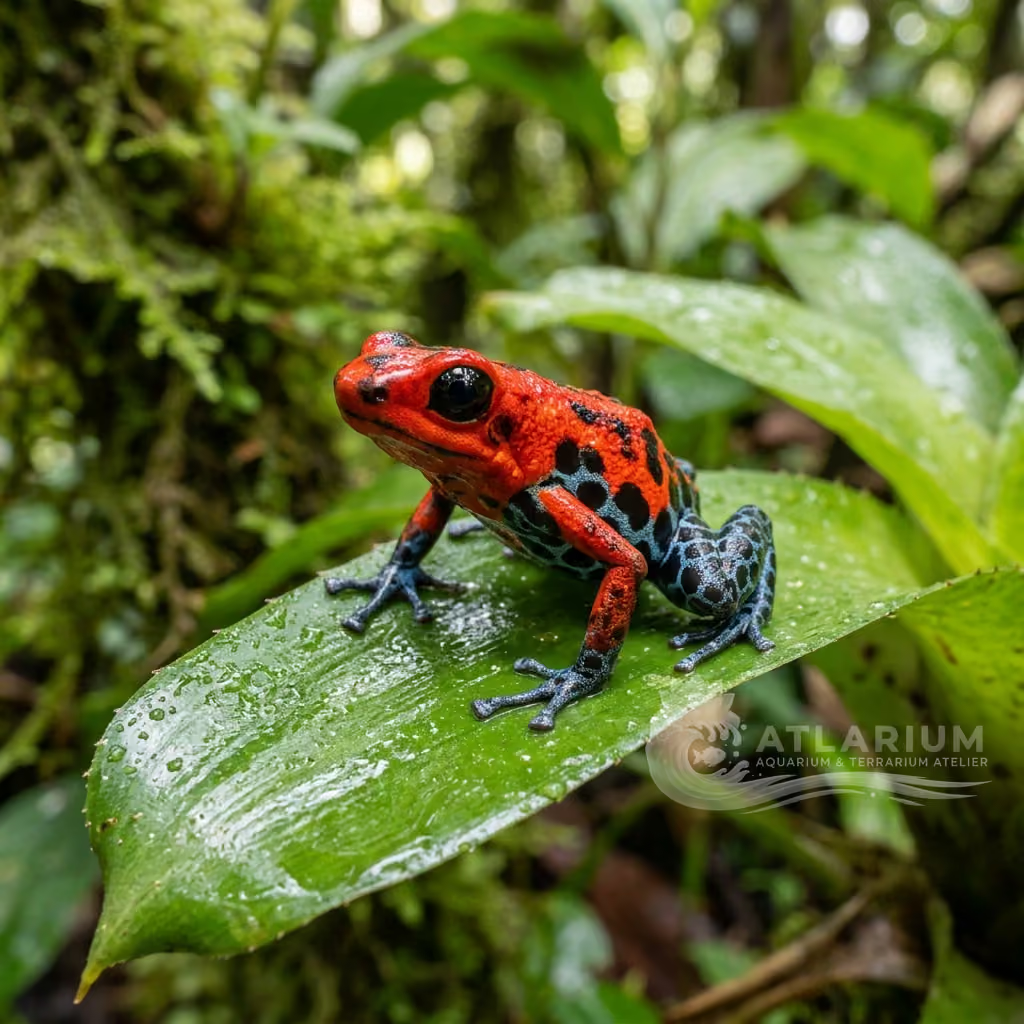
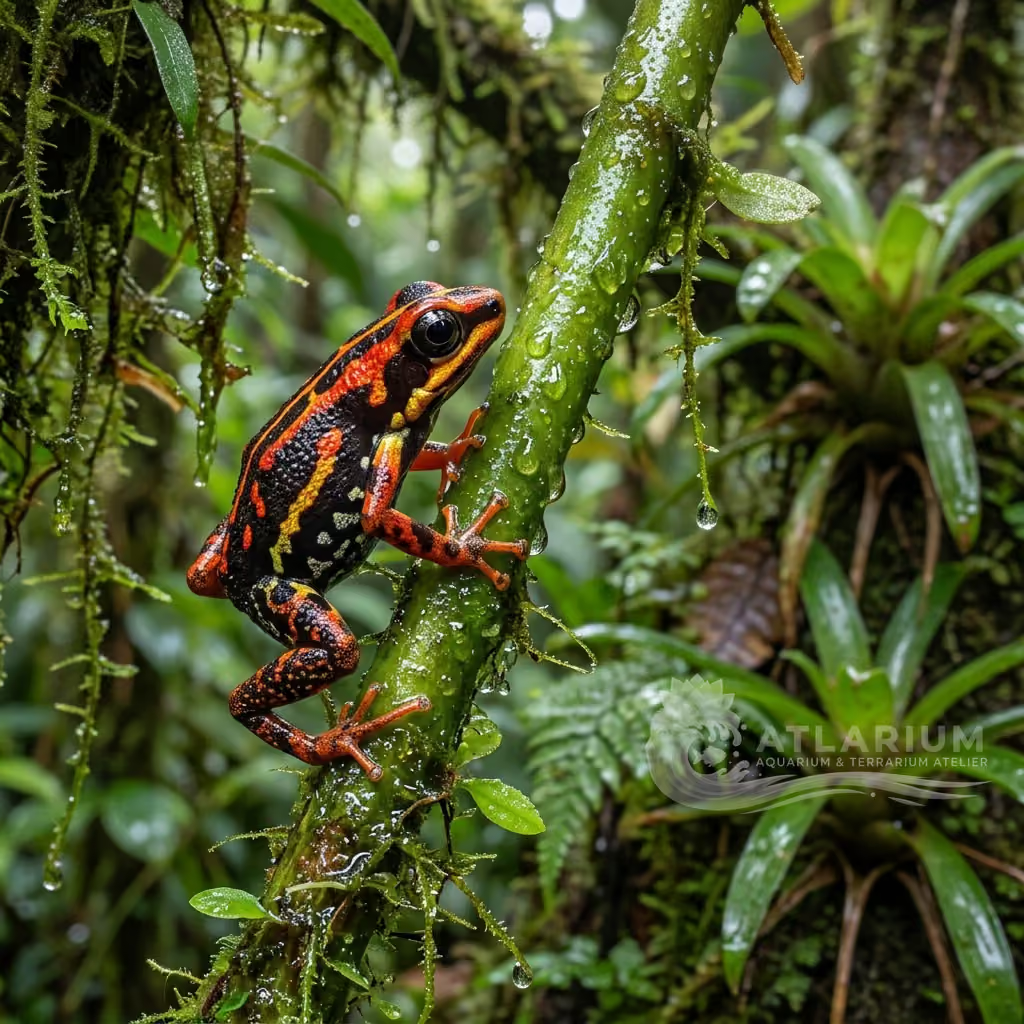
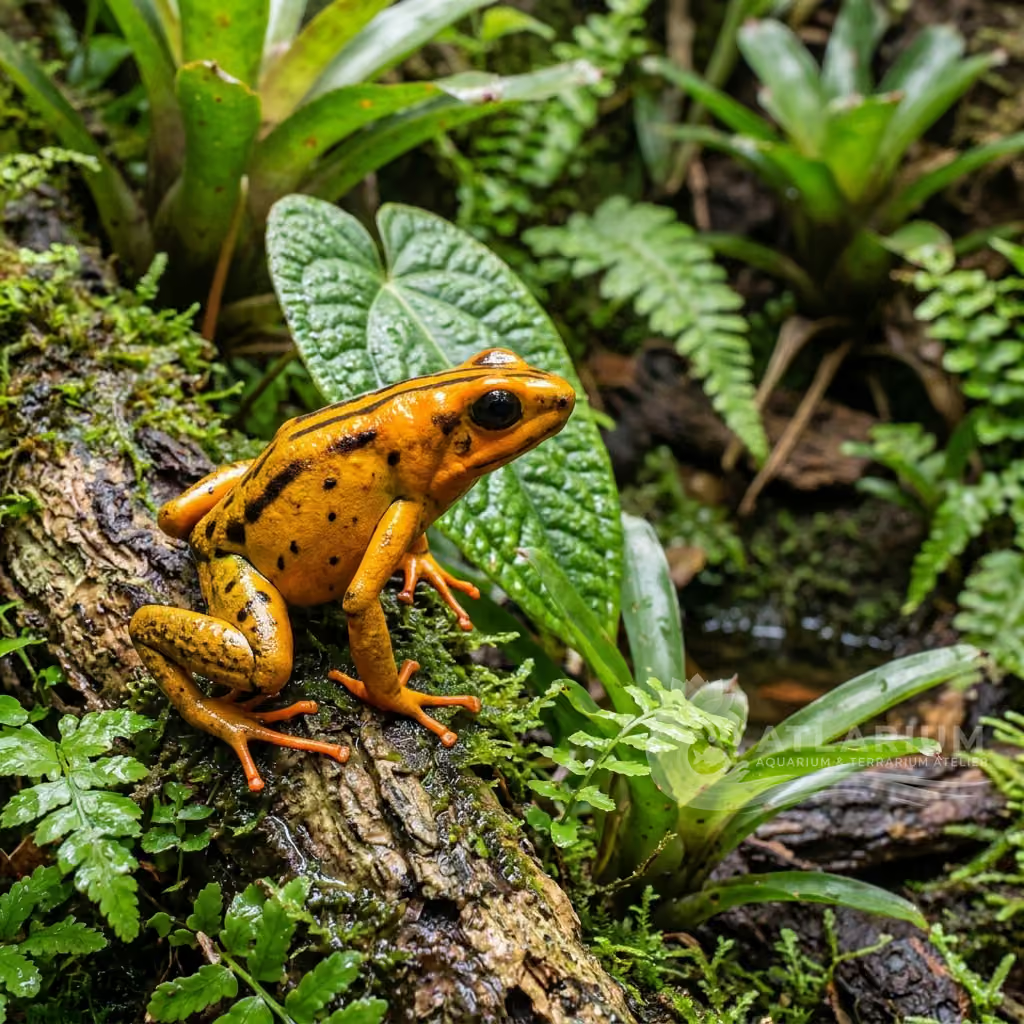
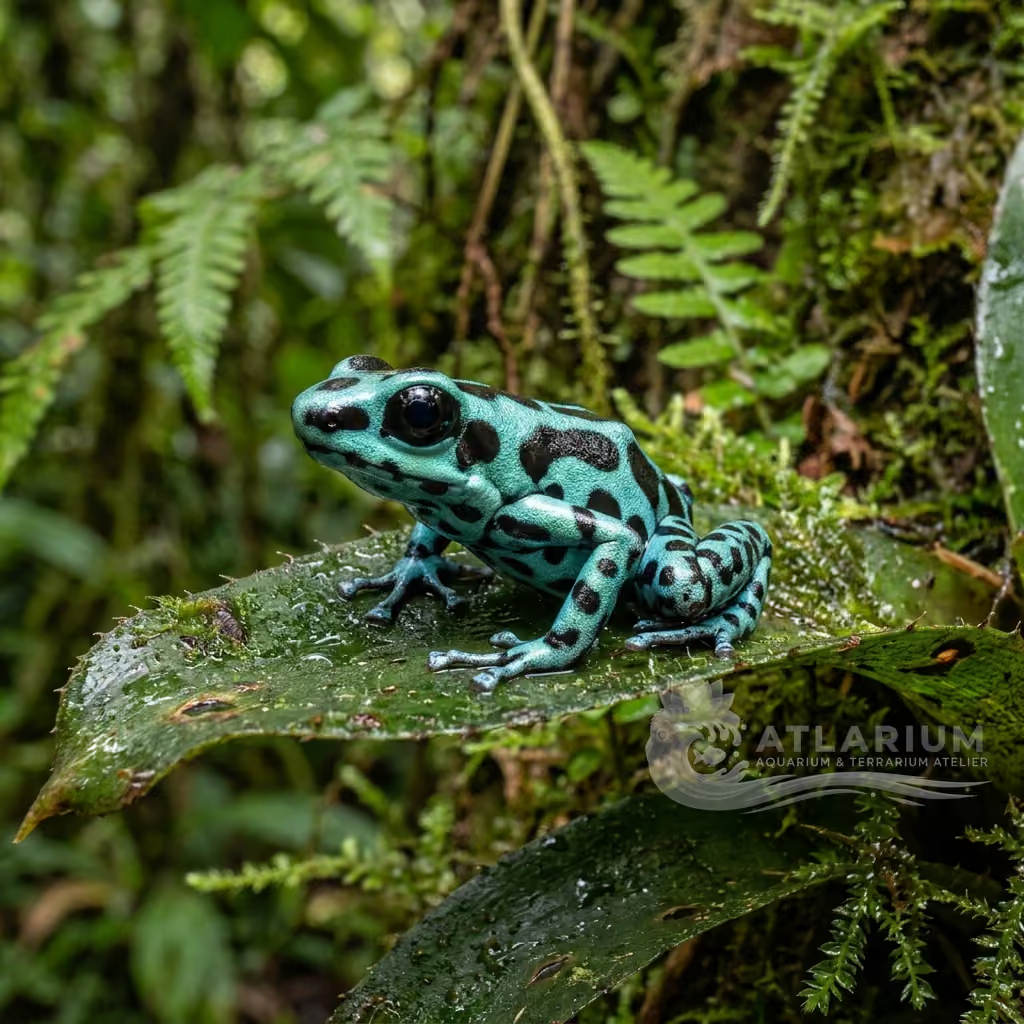
Taxonomy and Genetics: Belongs to the Dendrobatidae family. *Oophaga vicentei* exhibits high polymorphism, with numerous local color morphs displaying reticulated, blue, green, golden, or red patterns with dark veining.
Behavior and Habits: Diurnal and strictly arboreal. Males call from the upper leaves of bromeliads to defend their territory. Females forage in the canopy and exhibit complex maternal behaviors to care for their offspring.
Morphology: Features a slender, agile body, with adult sizes ranging between 1.5 and 2.5 cm. Skin is smooth and lacks warts. Females are slightly larger and rounder, while males possess a dark vocal sac under the chin.

Care, breeding and tankmates
Terrarium Setup: Requires a tall, vertically oriented terrarium (minimum 60-80 cm high). Cover the walls with tree fern panels or cork, and plant numerous epiphytic bromeliads (such as Neoregelia) to provide shelter and water holding cups.
Lighting and Heating: Maintain daytime temperatures between 24°C and 25°C, ensuring they do not exceed 26°C. Provide a night cooling drop to 21-22°C. Use full-spectrum LED lighting to support plant growth, alongside low-level UVB.
Humidity and Hydration: Maintain high, constant relative humidity between 80% and 100%. Use an automated misting system with reverse osmosis water to fill the bromeliad axils, ensuring the substrate is well-drained and not waterlogged.
Feeding and Supplementation: Strictly feeds on micro-prey, such as Drosophila melanogaster and springtails. Supplements containing calcium, vitamin A, and D3 must be applied to prey items regularly to prevent metabolic bone disease.
Compatibility: Highly sensitive to crowding and territorial stress. Best kept in pairs (one male, one female) or trios (one male, two females). Housing multiple males in the same enclosure is discouraged due to aggressive territoriality.
Health and Common Diseases: Exhibits obligate oophagy, where the mother feeds tadpoles with unfertilized eggs. Handling must be avoided to protect their sensitive skin. Nutritional deficiencies and fungal infections are common risks.

Geographic origin and distribution
Endemic to the montane and premontane rainforests of central Panama, specifically in the provinces of Veraguas and Coclé. It is an arboreal species that inhabits the upper canopy of the forest, living 5 to 20 meters above ground in epiphytic plants.
Origin
Central America and Caribbean

Amphibian profile
- Diet
- Insectivore
- Oophaga vicentei requires a well-balanced diet to maintain optimal health and vitality in captivity. Its feeding regimen should closely mimic its natural dietary habits in the wild, including proper vitamin and mineral supplementation. Providing appropriate portion sizes and maintaining a regular feeding schedule are crucial for its digestive health.
- Life expectancy
- 8-15 years
- Adult size
- 2.4 cm
- Lifestyle/Microhabitat
- Arboreal
- Oophaga vicentei has adapted to a specific lifestyle that dictates the type of habitat it requires. It relies heavily on proper environmental enrichment, climbing structures, or burrowing substrates depending on its natural adaptations. Creating a terrarium that reflects these requirements allows the animal to thrive and minimizes captivity-related stress.
- Activity cycle
- Diurnal
- The activity pattern of Oophaga vicentei is largely dictated by its natural rhythms and environmental cues. Knowing whether it is diurnal, nocturnal, or crepuscular is essential for providing appropriate lighting and heating schedules. Proper management of these cycles ensures the animal remains active, healthy, and exhibits natural foraging behaviors.
- Sociality
- Gregarious
- Oophaga vicentei exhibits a variety of fascinating behaviors that can be observed both in the wild and in an enclosure. These behaviors range from territorial displays and communication methods to foraging strategies. Understanding these actions helps keepers provide a more enriching environment and detect any signs of stress early on.
- Reproduction
- Oviparous
- The reproductive cycle of Oophaga vicentei involves specific environmental triggers such as temperature and humidity changes. Successful breeding requires careful conditioning of both the male and female to ensure they are healthy. Once eggs or live young are produced, specialized care and incubation are often necessary for a high success rate.
- Toxicity
- Harmless
- Harmless in a terrarium. Batrachotoxin fades.
- Life stage
- Adult only
- Canopy tree frog, inhabits very high bromeliads.
- Handling tolerance
- Display only
- A visual pet only; handling should be strictly avoided due to their extreme fragility, stress susceptibility, and to protect their delicate, moisture-dependent skin.
- Brumation
- Not required
- They do not brumate. A consistent, warm tropical climate without significant seasonal cooling is essential for their long-term health and breeding.
- Molting
- Periodic
- Shedding happens frequently but is rarely seen as it is done quickly and the skin is ingested. Constant high ambient humidity is necessary to prevent shedding complications.

Related species
Recommendations grouped by close relatives, companion choices, and similar care.