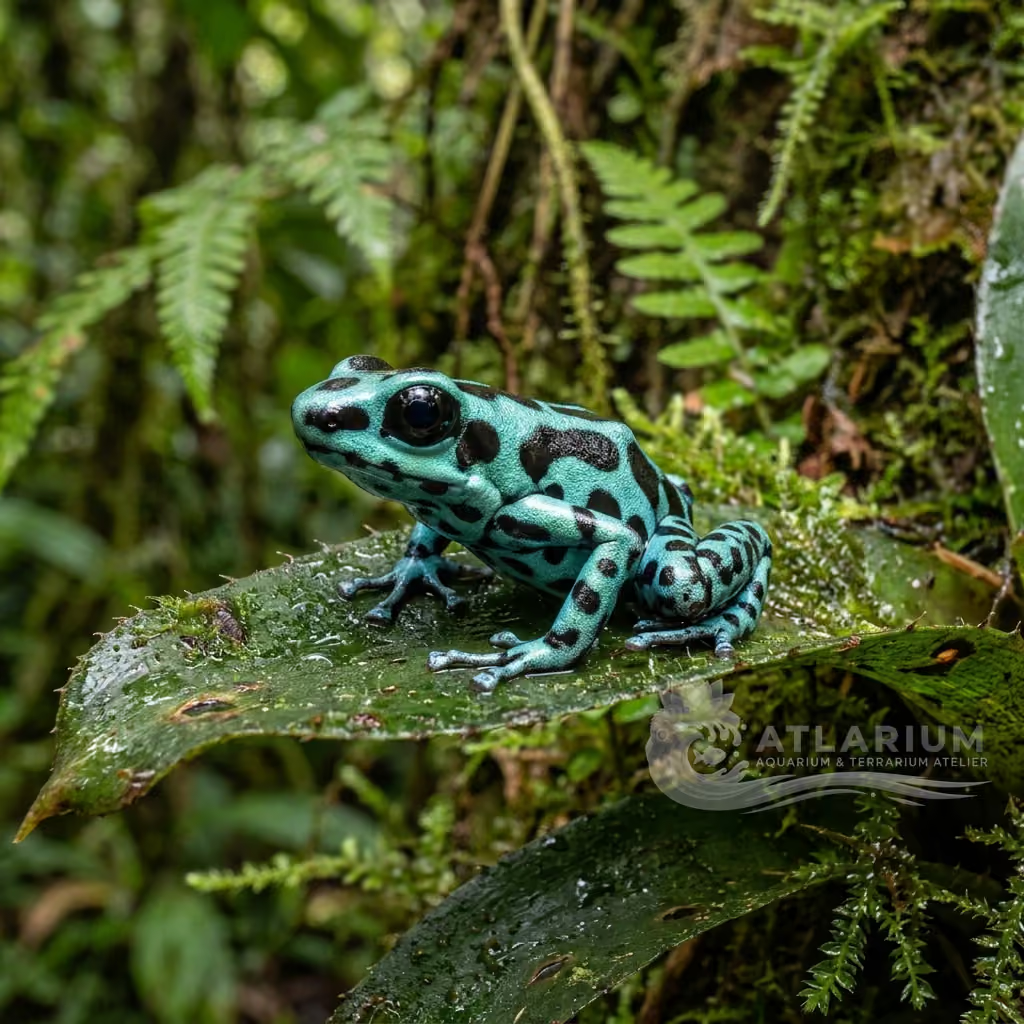
Fine Spot bumblebee poison frog
Dendrobates leucomelas
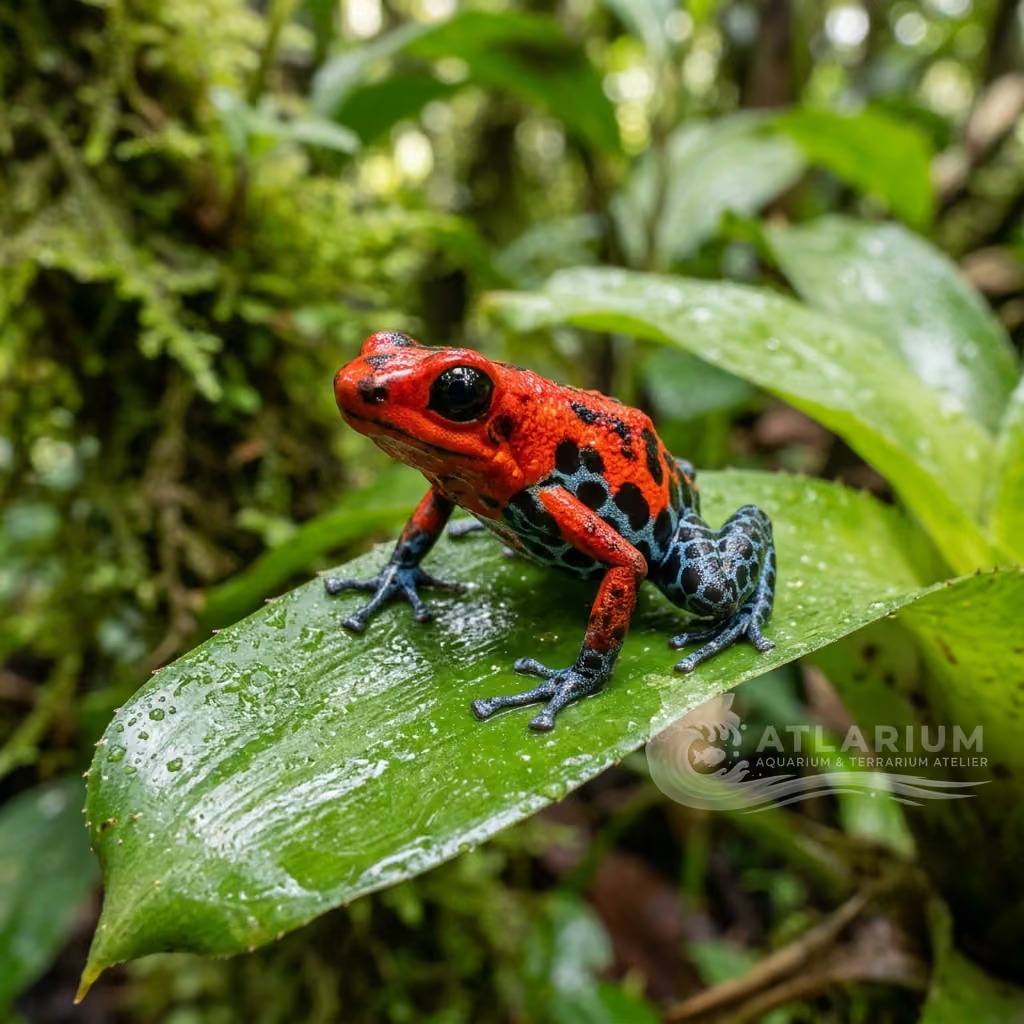
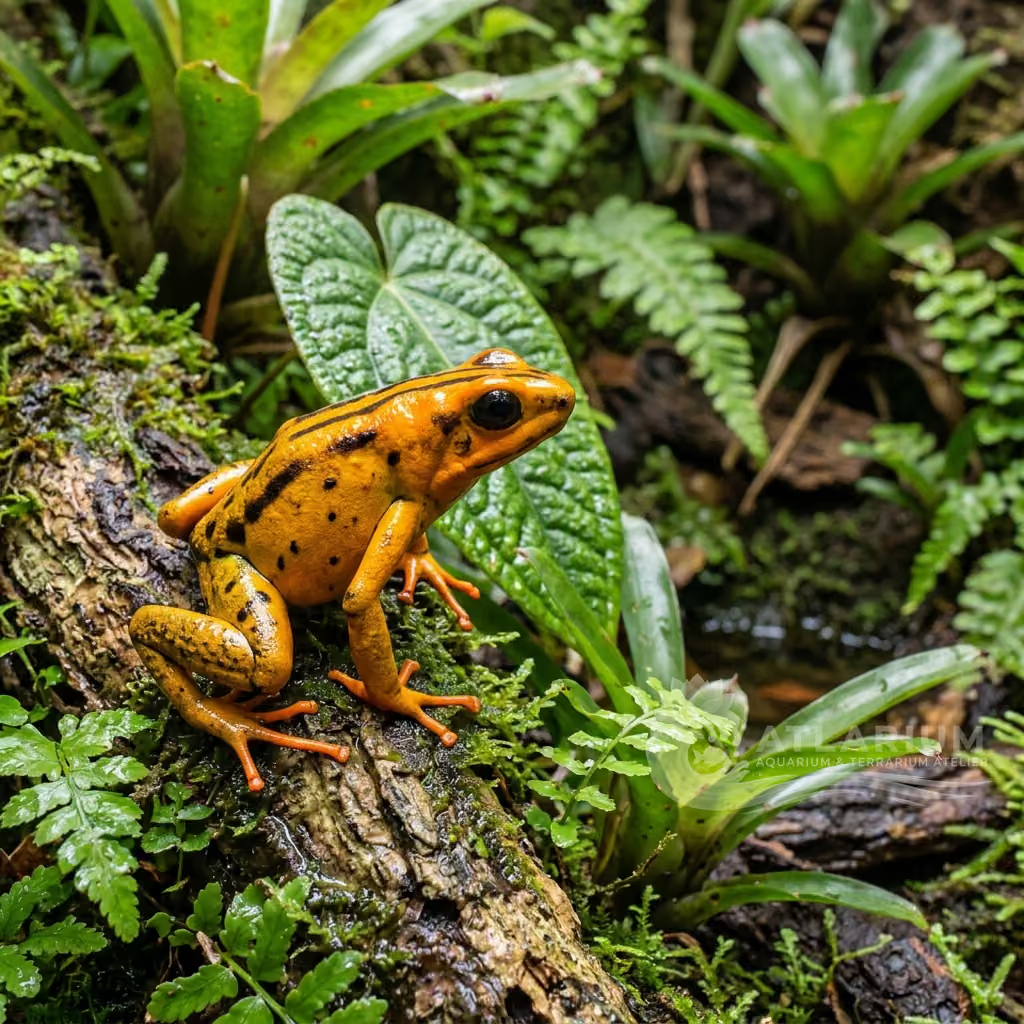
A highly sought-after color morph of Dendrobates leucomelas, characterized by tiny black dots on a bright yellow-orange background and outstanding adaptability.
Environment
Terrestrial
Humidity
80 - 100 %
Day temperature
22 - 26 °C
Night temperature
19 - 21 °C
UVB
Ferguson 1-2
UVI
0 - 1 UVI

Species description
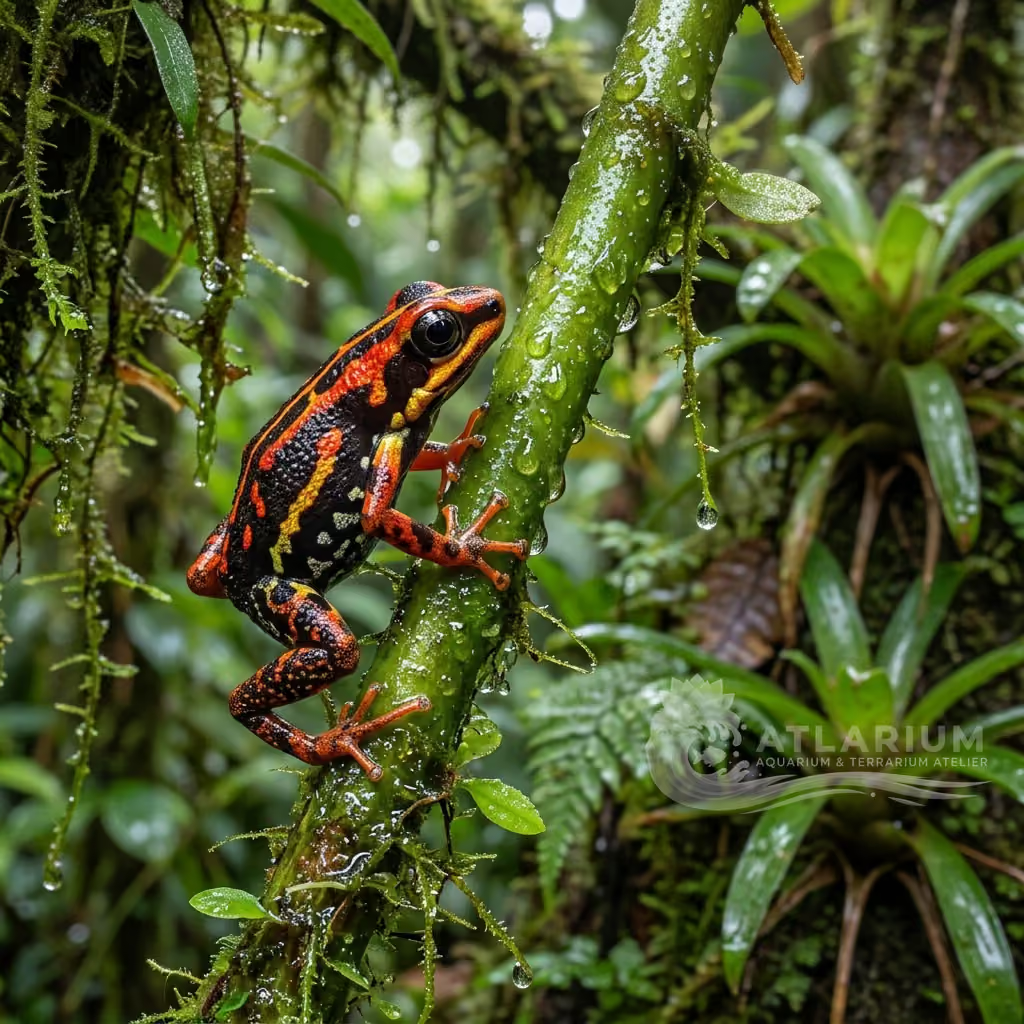
Geographical Origin and Habitat: Dendrobates leucomelas 'Fine Spot' is a morphological color variant native to the tropical rainforests of the northern Amazon basin, primarily distributed in southern Venezuela, Guyana, Suriname, and northern Brazil. It inhabits the warm and humid lowland forest floor, where temperatures remain high year-round. It is often found on the ground among the decomposing leaf litter layer, emerging roots, and at the base of large trees. It shows excellent climbing abilities, frequently ascending tree trunks and bromeliads up to several meters high in search of moisture and food.
Taxonomy and Genetics: Belonging to the family Dendrobatidae, genus Dendrobates. The 'Fine Spot' variant represents a stable geographical form or color morph of the nominate species Dendrobates leucomelas. Genetically, it shares most biological characteristics with the typical broad-banded form, but possesses a heritable mutation that affects the distribution of black melanin pigments on the skin, reducing the bands to small, densely distributed dots.
Behavior and Habits: It is a diurnal, extremely active, curious, and bold frog. Unlike other shyer poison dart frogs, Dendrobates leucomelas 'Fine Spot' is confident and spends significant time in the open. It is famous for being one of the few dendrobatids capable of tolerating short dry spells in its natural habitat by entering a resting state. Males are territorial but peaceful, producing a melodious, bird-like whistling call during the breeding season.
Morphology: The morphology of this frog is compact and robust. Adults measure between 3.5 and 4 centimeters in length, with females being slightly larger and rounder than males. The coloration is highly aposematic: a bright yellow or saturated yellow-orange background covered by a myriad of very small, round black dots distributed across the entire body, including the head and legs. The smooth skin secretes alkaloid toxins in the wild, derived from its diet of toxic ants.

Care, breeding and tankmates
Terrarium Setup: Requires a specific bioactive terrarium with minimum dimensions of 45x45x45 cm for a pair or a trio. The setup must recreate a tropical forest floor environment: a draining substrate layer covered with peat and an abundant layer of dry oak or Indian almond leaves. It is essential to include live plants such as bromeliads, pothos, and mosses, along with branches and cork bark pieces arranged vertically. A small, shallow water dish is welcome, but with no risk of drowning.
Lighting and Heating: Requires a 12-hour light cycle using specific LED lamps for plants. The use of a weak UVB bulb (2-5%) is recommended to aid calcium absorption. Daytime temperature must be kept between 24°C and 26°C (75-79°F), with a hot spot of 27°C (81°F). At night, the temperature should drop to approximately 20-22°C (68-72°F). Heating can be managed with heat cables or heat mats placed on the sides and connected to a thermostat.
Humidity and Hydration: Humidity must be kept constantly high, ranging between 70% and 90%. This is achieved by misting the terrarium two or three times a day with reverse osmosis water to avoid staining the glass and harming the plants. While loving humidity, the terrarium must have good ventilation (via metal mesh grilles) to prevent stagnant air that would encourage harmful mold and bacterial infections.
Feeding and Supplementation: In captivity, it loses its skin toxicity due to the change in diet. It must be fed daily with live micro-insects such as wingless fruit flies (Drosophila melanogaster and D. hydei), springtails, aphids, and pinhead crickets. It is ABSOLUTELY ESSENTIAL to dust the live food with a calcium, vitamin D3, and vitamin A supplement for amphibians at every feeding for juveniles, and twice a week for adults, to prevent metabolic diseases.
Compatibility: Unlike other dendrobatids, this species shows good social tolerance. They can be housed in small mixed groups of males and females if space is sufficient and there are enough hiding places and food. However, it is important to monitor behaviors to rule out bullying between specimens of the same sex. Avoid cohabitation with other species of amphibians or reptiles.
Health and Common Diseases: The main risks are metabolic bone disease due to calcium and D3 deficiency, short tongue syndrome (caused by vitamin A deficiency), and fungal skin infections like chytridiomycosis. It is important to remove uneaten food promptly and siphon wet areas periodically. All new specimens must undergo a strict quarantine of at least 30 days.

Geographic origin and distribution
Dendrobates leucomelas 'Fine Spot' is a morphological color variant native to the tropical rainforests of the northern Amazon basin, primarily distributed in southern Venezuela, Guyana, Suriname, and northern Brazil. It inhabits the warm and humid lowland forest floor, where temperatures remain high year-round. It is often found on the ground among the decomposing leaf litter layer, emerging roots, and at the base of large trees. It shows excellent climbing abilities, frequently ascending tree trunks and bromeliads up to several meters high in search of moisture and food.
Origin
Selective breeding and cultivarsAmazon, Orinoco, and GuianasNorth America

Amphibian profile
- Diet
- Insectivore
- Their diet consists mainly of fruit flies, springtails, and other very small live insects. Regular dusting with calcium and multivitamin supplements is necessary to prevent nutritional deficiencies. They have an excellent appetite and will actively pursue fast-moving prey. Feeding small amounts daily helps mimic their natural foraging habits.
- Life expectancy
- 10-15 years
- Adult size
- 5 cm
- Lifestyle/Microhabitat
- Arboreal
- Although they are primarily terrestrial frogs, they are surprisingly adept climbers. It is common to find them scaling backgrounds, wood branches, and broad-leaved plants. Their habitat should incorporate both a deep leaf litter floor and vertical climbing opportunities. They require high humidity and plenty of microclimates to regulate their temperature effectively.
- Activity cycle
- Diurnal
- Being diurnal, they exhibit their most energetic behaviors during the daylight hours. They are particularly active in the early morning and late afternoon when humidity is highest. A strong, full-spectrum lighting schedule encourages natural activity and breeding behaviors. During the night, they will seek out secure spots among the foliage to sleep.
- Sociality
- Gregarious
- They are generally bold and make excellent display frogs in the terrarium. Known to be highly active, they will utilize all levels of the enclosure, constantly exploring their surroundings. Groups can be kept together successfully, though minor squabbles over feeding or territory may occur. Their loud, trilling call is a unique characteristic that adds a lively element to the vivarium.
- Reproduction
- Oviparous
- Males will call loudly from elevated perches to attract females during the breeding season. Eggs are usually laid on broad leaves or in smooth artificial deposition sites like petri dishes. The male guards the eggs and later carries the hatched tadpoles on his back to water sources. Providing numerous water-filled bromeliads or small cups is essential for successful tadpole rearing.
- Toxicity
- Toxic
- Non-toxic in captivity due to an alkaloid-free diet.
- Life stage
- Neotenic
- Tadpoles are aquatic and often cannibalistic, requiring separate rearing.
- Handling tolerance
- Display only
- These frogs should be considered a display-only species. Their highly permeable skin is incredibly sensitive to the natural oils, salts, and any chemicals present on human hands. Handling causes severe stress and can easily compromise their health.
- Brumation
- Not required
- This tropical species does not undergo true brumation. They require consistently warm and highly humid conditions year-round. While breeders may slightly reduce misting to simulate a dry season and trigger breeding, temperatures should remain stable.
- Molting
- Periodic
- Shedding occurs regularly and is heavily dependent on maintaining high humidity levels (80-100%). The frog will perform stretching motions to loosen the old skin and will typically consume it entirely to recycle nutrients. Low humidity can lead to stuck shed and fatal dehydration.

Related species
Recommendations grouped by close relatives, companion choices, and similar care.