Golden Poison Dart Frog (Yellow)
Phyllobates terribilis
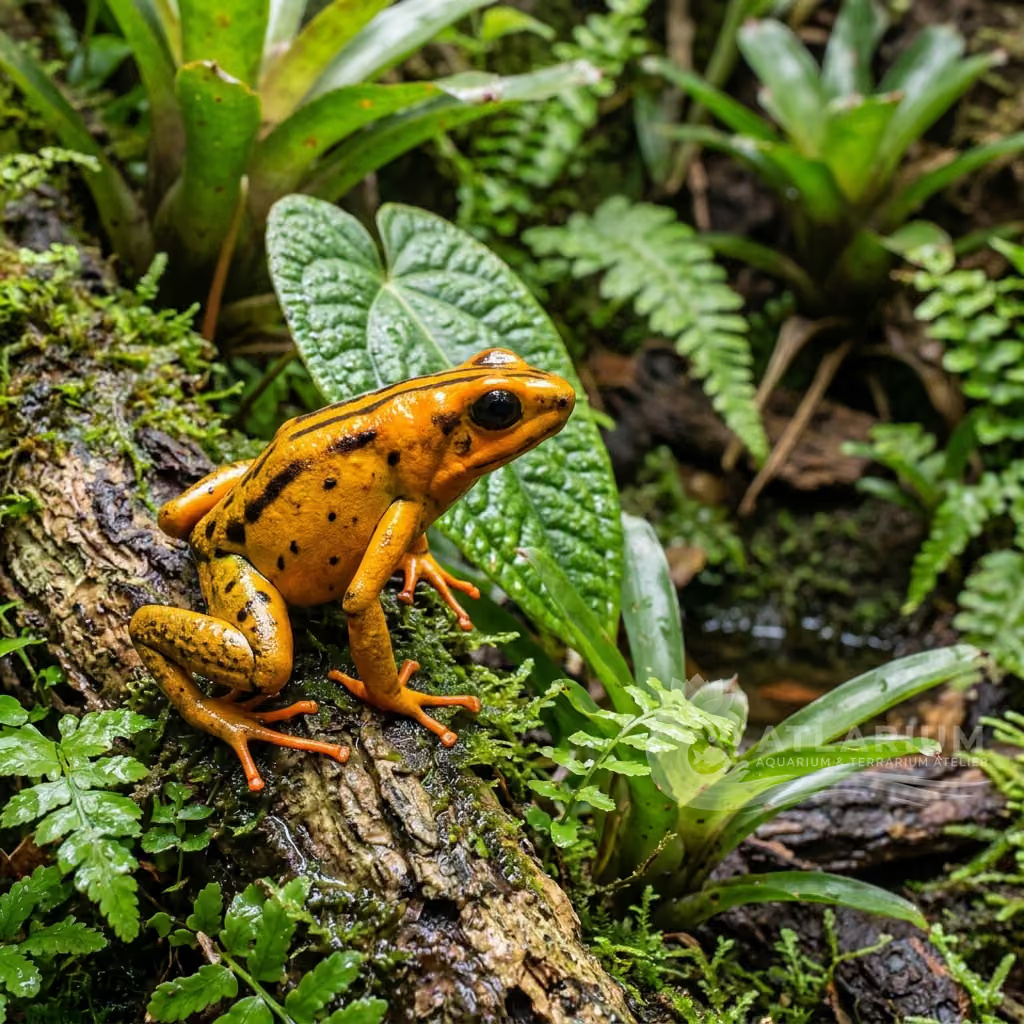
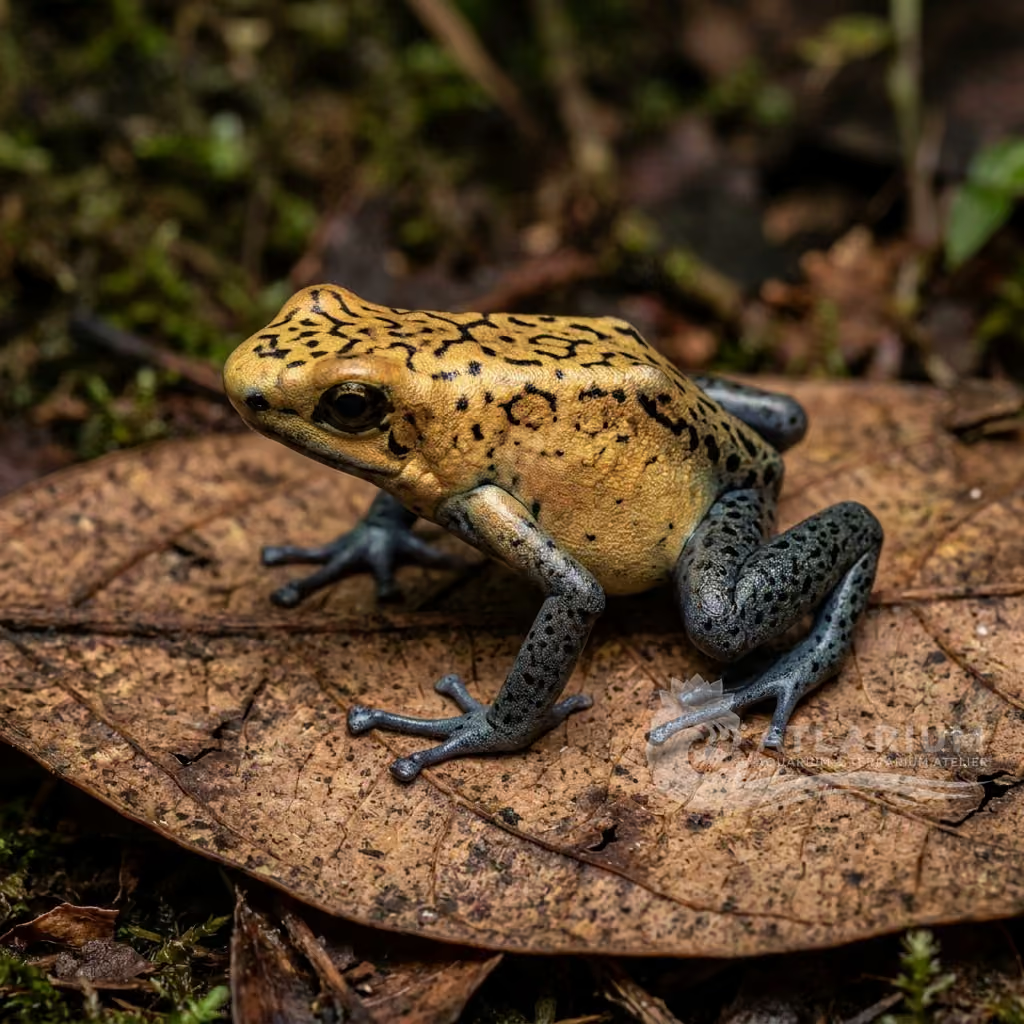
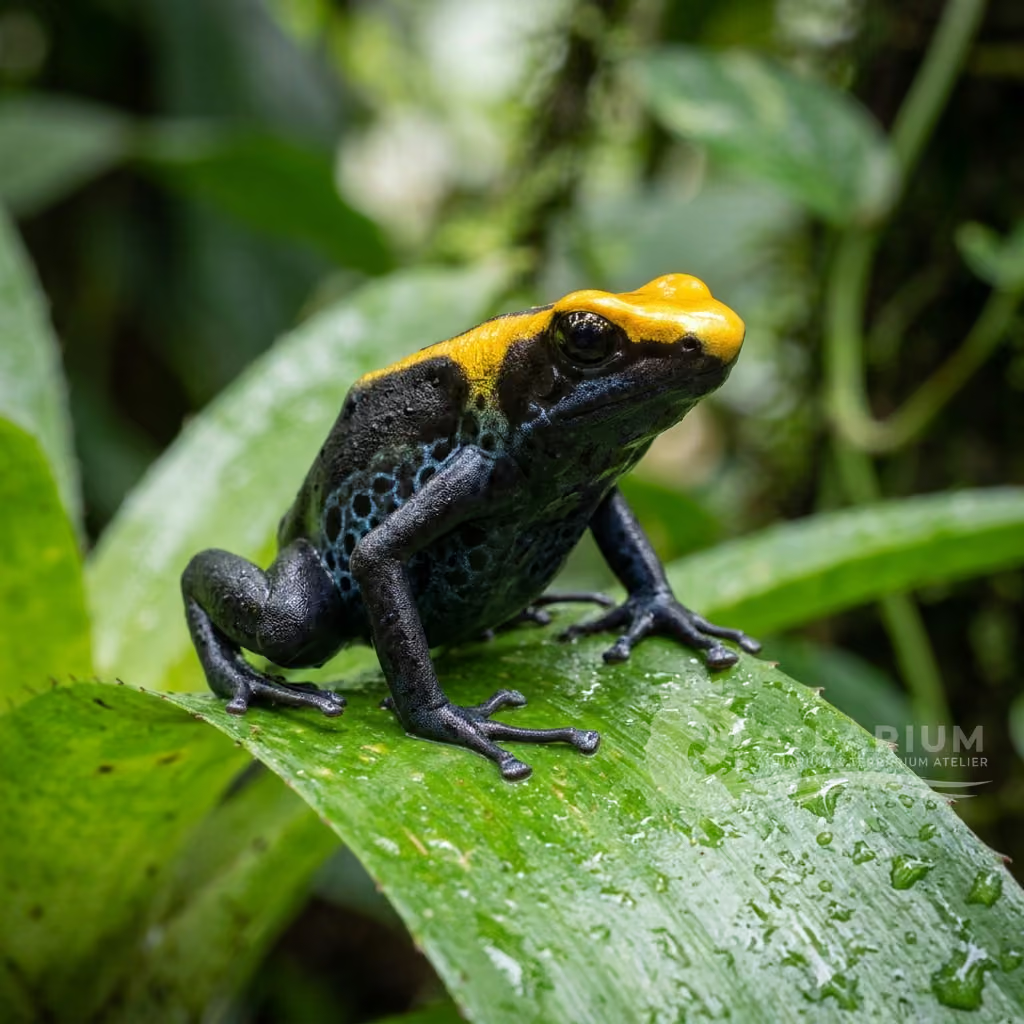
The 'Yellow' morph of the Golden Poison Dart Frog, displaying a solid, vibrant gold color. The most poisonous vertebrate in the wild, but entirely harmless in captivity.
Environment
Terrestrial
Humidity
70 - 100 %
Day temperature
21 - 26 °C
Night temperature
18 - 21 °C
UVB
Ferguson 2
UVI
0.7 - 1 UVI

Species description
Geographical Origin and Habitat: Heavily endangered species restricted to a small strip of pristine lowland rainforest along the Pacific coast of Colombia. They are strictly terrestrial hunters that forage through deep leaf litter in damp, shaded forest floors.
Taxonomy and Genetics: Belonging to the family Dendrobatidae. Commonly known as the Golden Poison Frog, its scientific name terribilis is earned due to its extraordinary toxicity in the wild. The captive-bred specimens do not produce toxins.
Behavior and Habits: Diurnal, bold, and highly active. In captivity, they lack fear and remain constantly visible. They are highly social and can be housed in large conspecific groups without aggression. They move with heavy, deliberate hops and long strides.
Morphology: Can reach up to 4.5–5 cm in size, making it one of the largest dendrobatids. Females are generally larger, wider, and heavier. Males are identified by their long, continuous trilling calls and the presence of a vocal sac.

Care, breeding and tankmates
Terrarium Setup: A large horizontal terrarium (minimum 90x45x45 cm for 3 adults) is required. A thick layer of clean leaf litter (magnolia or oak) is vital. Provide cork bark tubes and sturdy live plants. A functional false bottom drainage layer is mandatory to prevent soggy soil.
Lighting and Heating: Keep temperatures stable between 22 and 26°C. Temperatures reaching 28°C and above are fatal due to heat stroke. Provide bright lighting for plant growth and low-intensity (2–5%) UVB.
Humidity and Hydration: Maintain high humidity levels of 80–100%. Mist daily with dechlorinated water. Excellent ventilation is required to ensure gas exchange and prevent stagnant air.
Feeding and Supplementation: Highly voracious. Feed large fruit flies (Drosophila hydei), small crickets (5–7 mm), and isopods. Dust all prey with a high-quality calcium and multivitamin supplement containing D3 at every feeding to prevent metabolic bone disease.
Compatibility: Exceptionally peaceful and social with conspecifics. Can be housed in large groups of males and females in a spacious enclosure. Do not mix with other poison frog species.
Health and Common Diseases: Completely non-toxic in captivity due to their domestic diet. Never handle with bare hands; human skin oils and soap residues cause painful chemical burns. Prone to foot rot if substrate is constantly waterlogged.

Geographic origin and distribution
Heavily endangered species restricted to a small strip of pristine lowland rainforest along the Pacific coast of Colombia. They are strictly terrestrial hunters that forage through deep leaf litter in damp, shaded forest floors.
Origin
Selective breeding and cultivarsExtra-Amazon South AmericaAfrica and Madagascar

Amphibian profile
- Diet
- Insectivore
- They are voracious eaters, preying on a wide variety of insects, including crickets, fruit flies, and small roaches. In captivity, their diet should be dusted with high-quality vitamin and calcium supplements at every feeding. They require larger prey items compared to smaller dart frog species.
- Life expectancy
- 8-15 years
- Adult size
- 5.5 cm
- Lifestyle/Microhabitat
- Terrestrial
- Primarily terrestrial, they require a spacious terrarium with plenty of floor space, leaf litter, and hiding spots. They inhabit lowland tropical forests and thrive in warm, humid conditions. A shallow water feature or heavy misting is necessary for hydration.
- Activity cycle
- Diurnal
- Diurnal and highly active throughout the day. They spend much of their time foraging on the forest floor or terrarium substrate. Providing a bright, well-lit enclosure encourages natural behaviors.
- Sociality
- Gregarious
- They are incredibly bold, active, and social frogs that make excellent display animals. They do well in groups, although minor squabbles over food may occur. Wild specimens are the most toxic vertebrates on earth, but captive-bred individuals lack this toxicity.
- Reproduction
- Oviparous
- Breeding involves the male calling to attract a female, followed by the female laying eggs on a smooth surface like a leaf or petri dish. The male guards and hydrates the eggs until they hatch. He then carries the tadpoles on his back to a larger body of water where they develop.
- Toxicity
- Harmless
- Famous as the 'Golden Poison Frog', wild individuals synthesize highly lethal batrachotoxin from their diet of specific, toxic neotropical insects. However, captive-bred "Yellow" morphs, raised on a standardized diet of domestic, non-toxic insects, lack the building blocks needed to create these toxins. As a result, they are completely harmless and are entirely safe for hobbyists to maintain in their homes.
- Life stage
- Metamorphosis
- The omnivorous tadpoles are large, hardy, and require clean, warm water and a protein-rich diet to successfully complete metamorphosis. Post-metamorphosis, the young froglets grow rapidly and transition quickly from eating springtails to larger fruit flies. Adult frogs are heavily built, exclusively terrestrial, and display a spectacular, uniform golden-yellow coloration that makes them a striking centerpiece in any terrarium.
- Handling tolerance
- Display only
- Direct handling with bare hands is highly detrimental, as their delicate, semi-permeable skin easily absorbs harmful oils, salts, and chemicals from human skin. Handling causes significant physiological stress and can permanently damage their protective mucous layer, leaving them vulnerable to pathogens. When absolutely necessary, handling should be done indirectly by coaxing the frog into a clean container or by using wet, powder-free gloves.
- Brumation
- Not required
- Native to the stable, intensely tropical Chocó region of Colombia, this species does not undergo brumation and cannot tolerate cool temperatures. They must be kept in a consistently warm environment year-round, with ideal daytime temperatures ranging from 74°F to 80°F. Any significant drop in temperature will severely compromise their immune system, leading to rapid metabolic decline and death.
- Molting
- Periodic
- Shedding is a crucial and frequent process, essential for accommodating their rapid growth and maintaining the permeability of their skin for respiration. The process involves the frog stretching and using its limbs to wipe the old skin towards its mouth, ultimately ingesting it to conserve nutrients. Providing a consistently humid environment is critical; low humidity can cause the skin to adhere tightly, potentially restricting blood flow to the toes and limbs.

Related species
Recommendations grouped by close relatives, companion choices, and similar care.