Dyeing Poison Dart Frog (Oyapock)
Dendrobates tinctorius
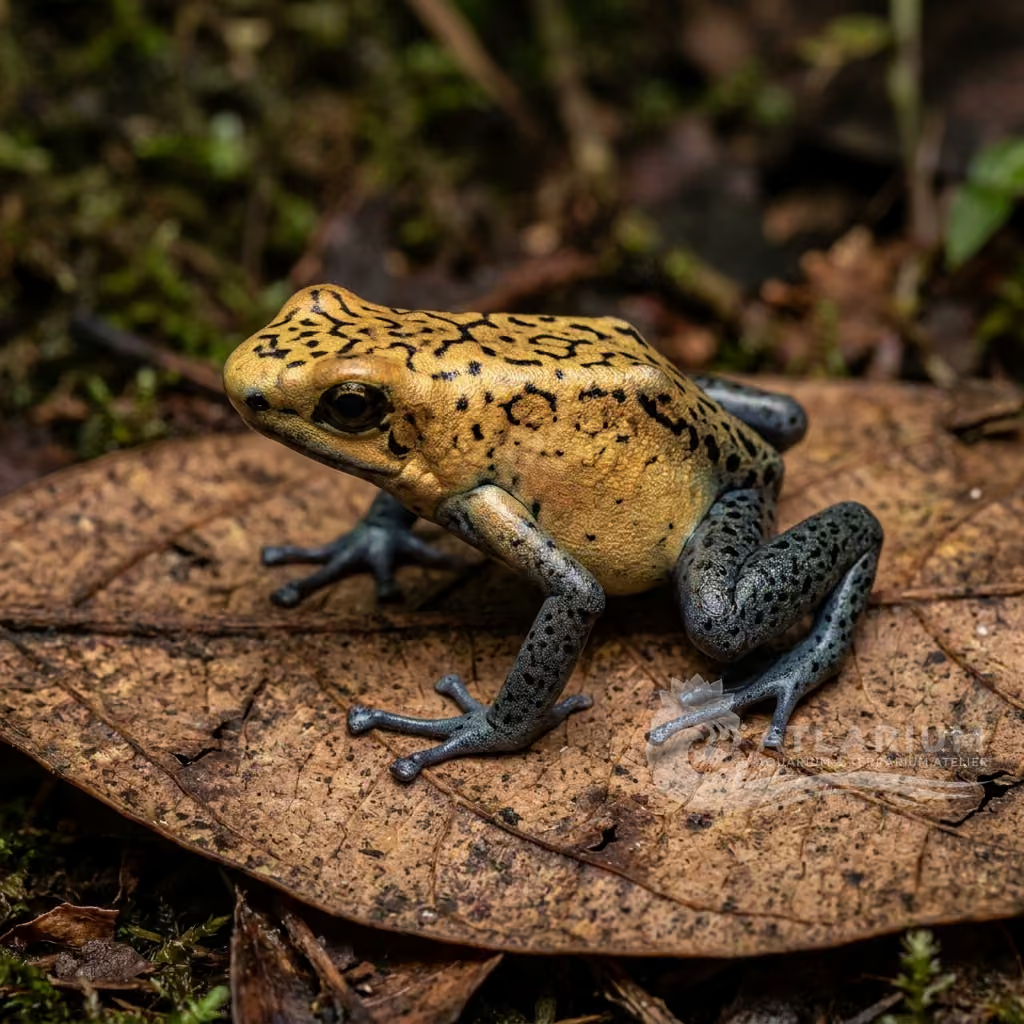
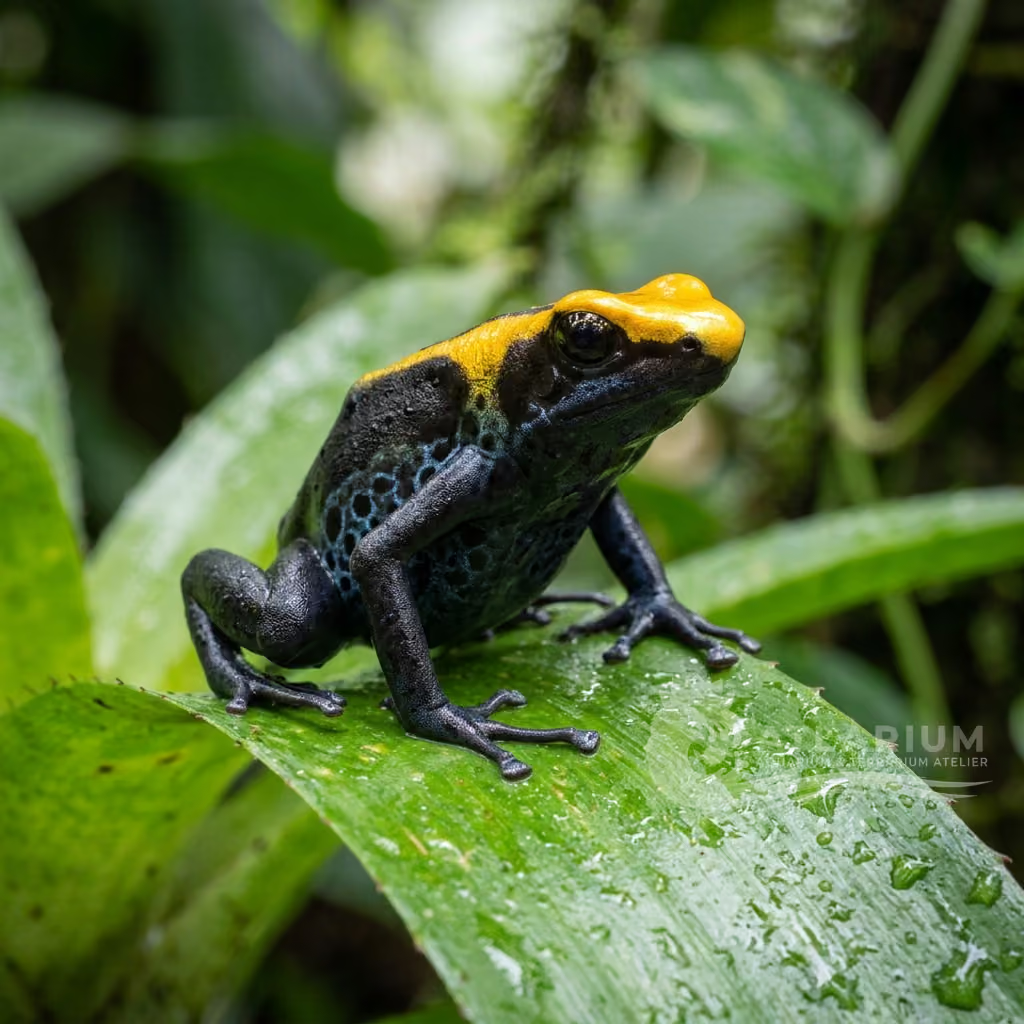
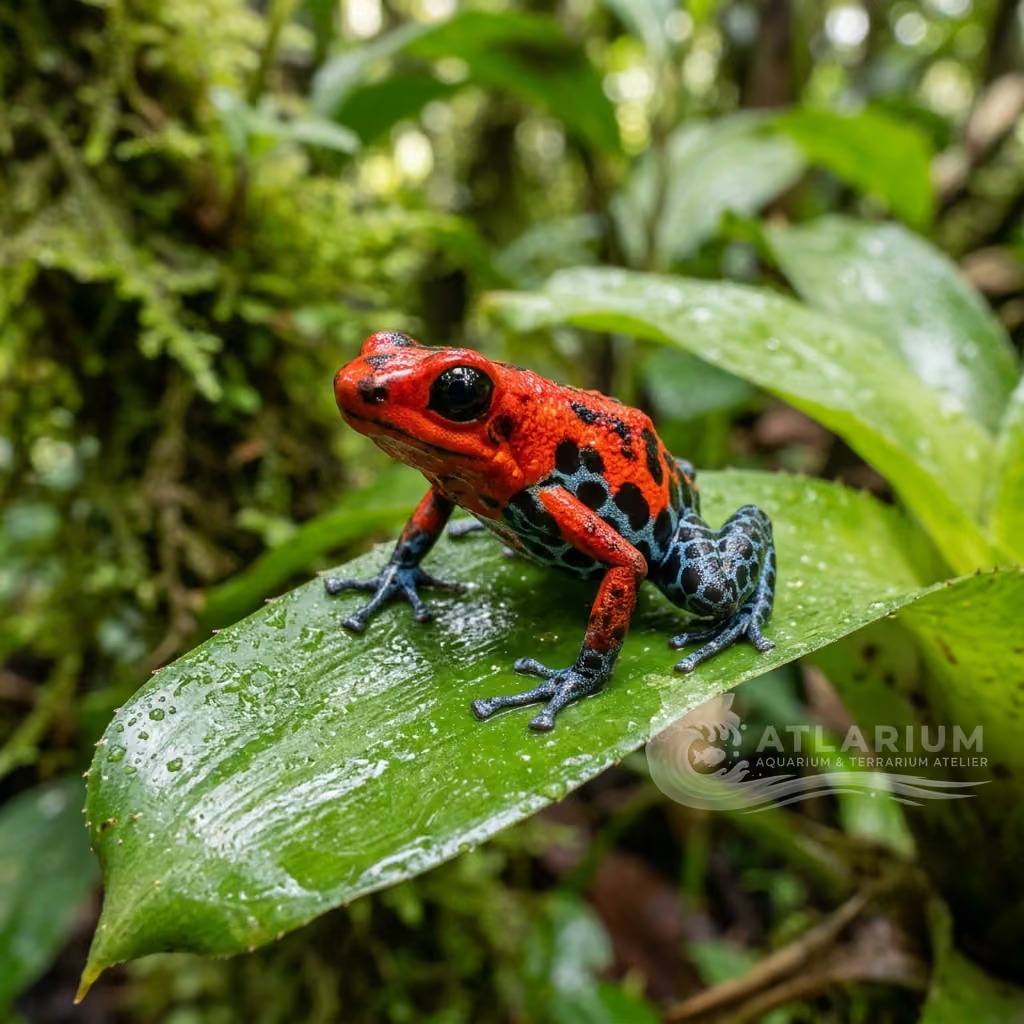
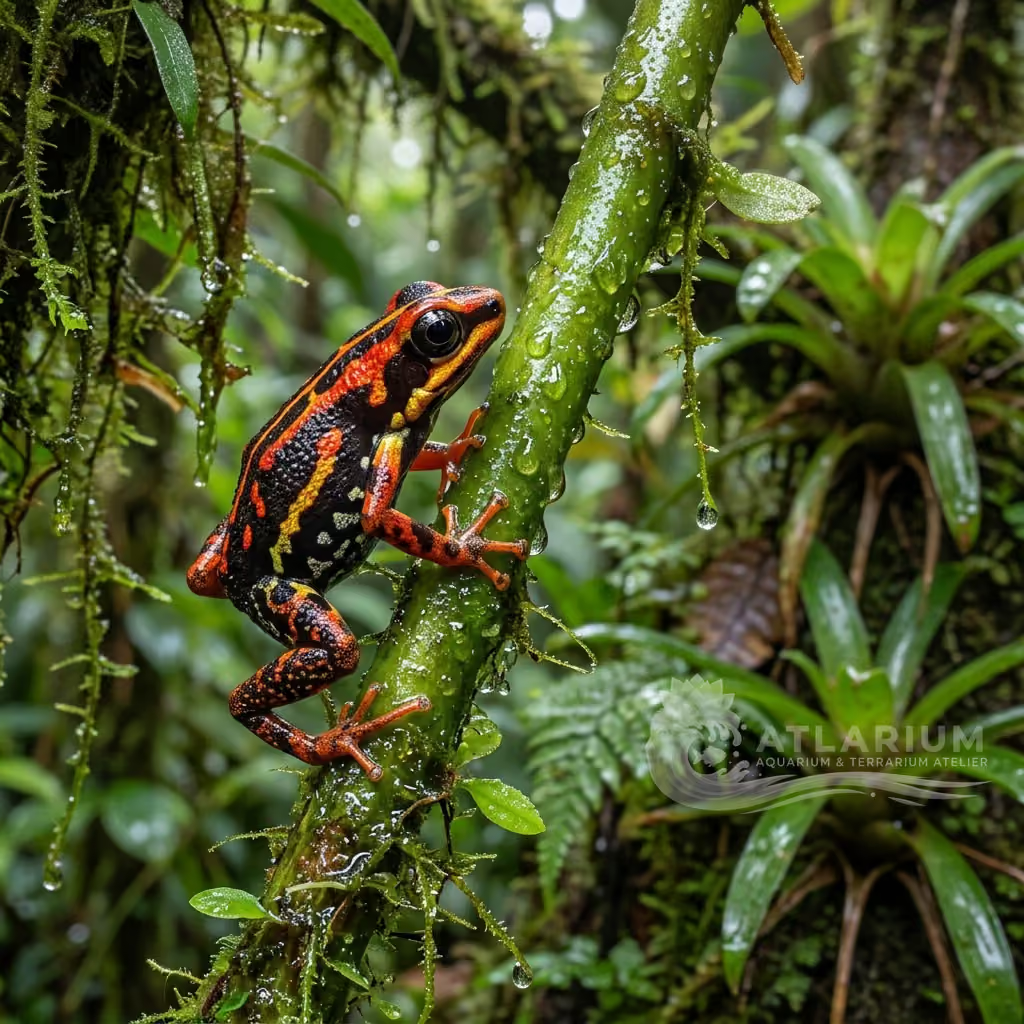
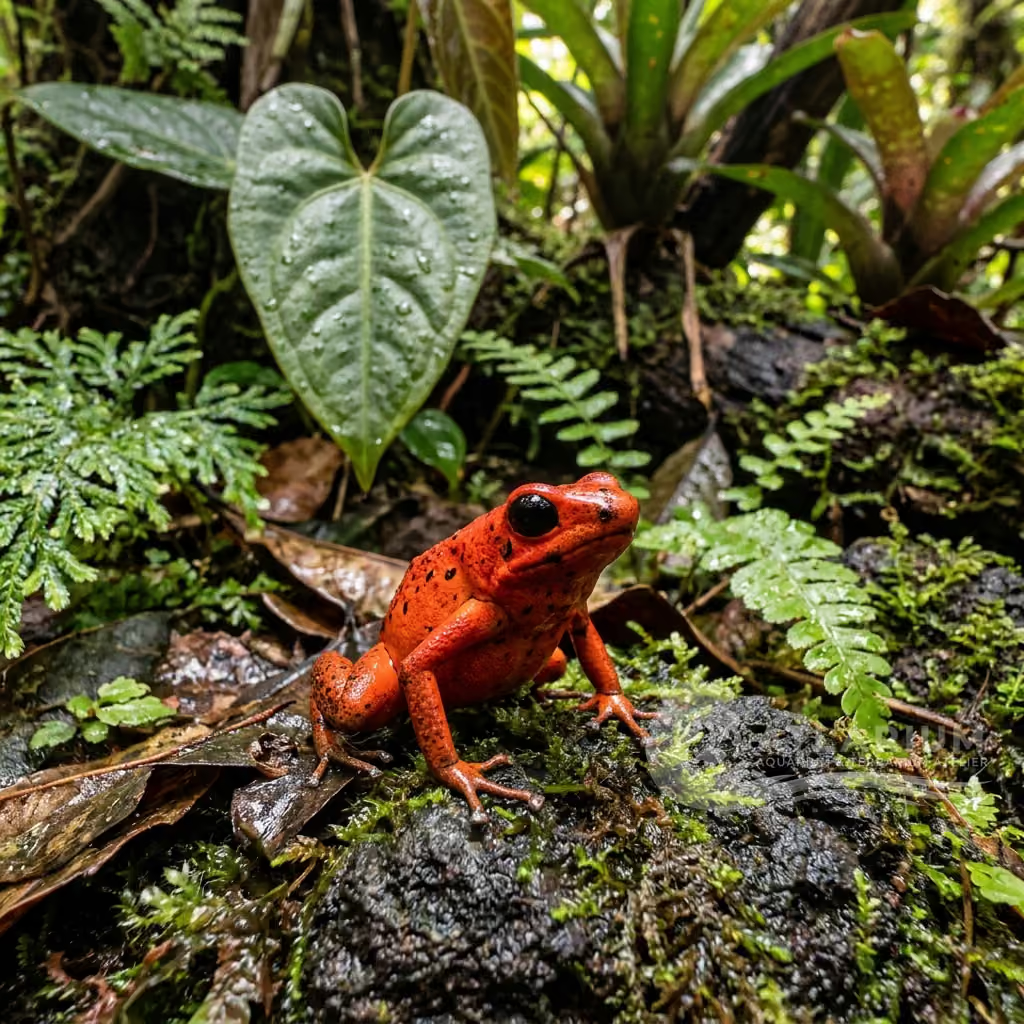
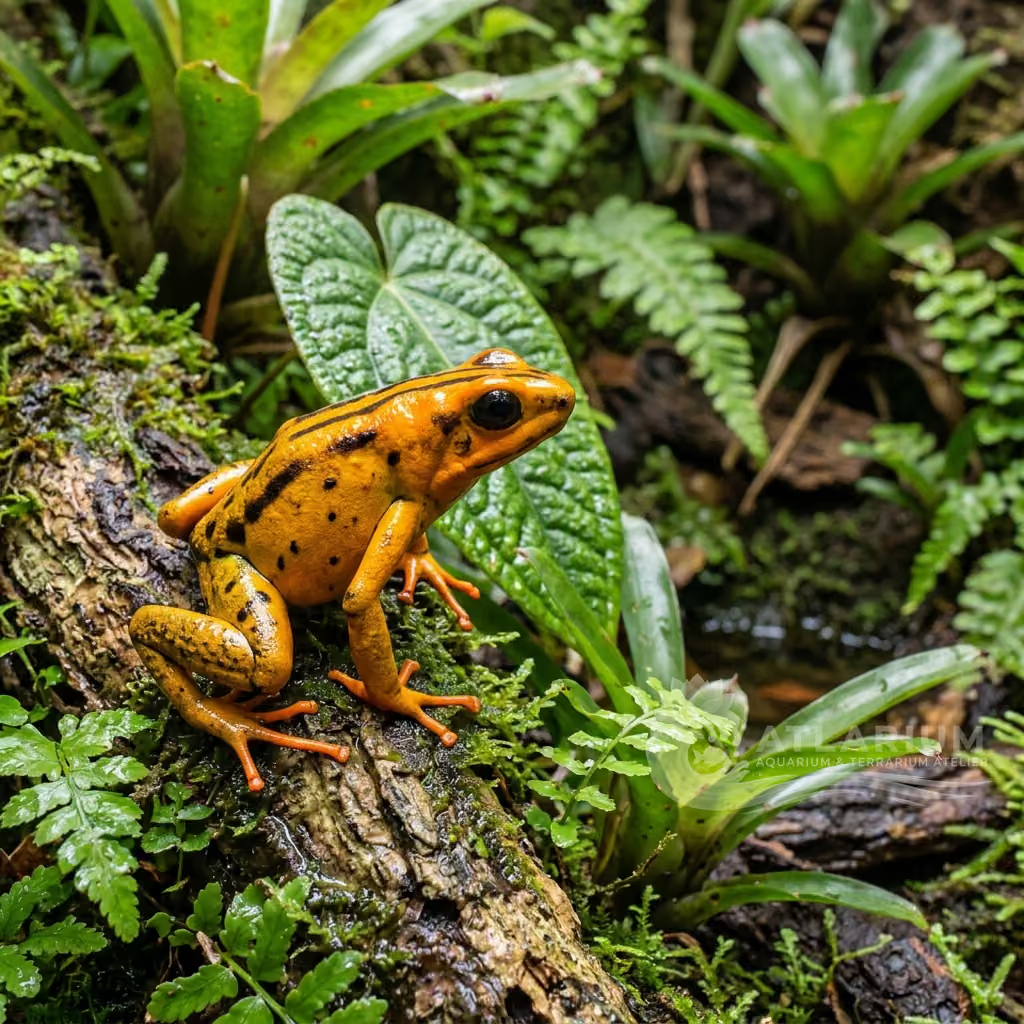
Small locality of Dyeing Poison Dart Frog. Deep black body decorated by very fine, orderly circular white lines on the back. Very shy.
Environment
Terrestrial
Humidity
80 - 100 %
Day temperature
22 - 26 °C
Night temperature
18 - 20 °C
Ambient temperature
24 °C
Minimum enclosure
>= 45 L
UVB
Ferguson 1-2
UVI
0 - 1 UVI

Species description
Geographical Origin and Habitat: The "Oyapock" morph is a small locality of Dyeing Poison Dart Frog characterized by a deep black body decorated with very fine, orderly circular white lines on the back. It is a very shy frog. These amphibians are endemic to the dense primary rainforests of the Guiana Shield (southern Suriname, Guyana, French Guiana, and parts of northern Brazil). They live exclusively on the forest floor, moving among the thick litter of decaying leaves, ferns, and rocks near watercourses, where humidity borders on saturation and light barely filters through the canopy.
Taxonomy and Genetics: They belong to the Dendrobatidae family, known as poison dart frogs. The name "tinctorius" comes from an ancient indigenous legend that the venom of these frogs, rubbed on the skin of young parrots, caused them to grow feathers of different colors (often red or yellow). They are extremely polymorphic: there are dozens of chromatically distinct morphs that are geographically isolated in the wild.
Behavior and Habits: Diurnal, strictly terrestrial, and very active frogs. Despite their bright warning coloration, they are shy creatures that spend the day incessantly combing the undergrowth in search of tiny insects. Males are territorial and defend small areas by emitting a faint buzz (similar to a buzzing insect). Females are known to be aggressive toward each other: they fight fiercely for the right to mate, often going so far as to devour the eggs of their rivals.
Morphology: They are among the largest Dendrobates, exceeding 5-6 cm in length and 6-8 grams in weight, with a massive and stocky build. Coloration ranges from deep black with yellow and white stripes, to cobalt blue, and near-total electric blue. Sexual dimorphism is subtle but visible in adulthood: females are noticeably larger and rounder, while males have a slenderer body and slightly wider digital discs (on the front toes) to grasp the female during mating.

Care, breeding and tankmates
Terrarium Setup: A horizontal or cubic bioactive terrarium is required (e.g. 60x45x45h cm for a pair). Since they are poor climbers, vertical space is less important than a large walkable surface area. It is MANDATORY to provide a thick layer of leaf litter (sterilized oak or magnolia leaves), which offers vital hiding spots and supports the breeding of springtails. Add coconut half-shells and branches at ground level to provide safe shelters and areas for exploration.
Lighting and Heating: Being understory frogs, they prefer cool temperatures: 22-26°C during the day and a slight drop to 20-22°C at night. They are EXTREMELY sensitive to heat: prolonged temperatures above 28°C can be fatal and cause thermal shock. Plant LED lighting is ideal. Although they receive very little UVB in the wild due to the canopy, a weak UVB lamp (e.g. Arcadia ShadeDweller) is recommended in the terrarium to ensure vitamin D3 synthesis and prevent Metabolic Bone Disease (MBD).
Humidity and Hydration: They require constant humidity between 80% and 100%. The terrarium substrate must never be soggy or waterlogged, but consistently moist. Use an automatic misting system set to short daily cycles, especially in the morning. They do not use water bowls, as they absorb moisture directly from the environment through their skin and from puddles that form on broad leaves and in bromeliads.
Feeding and Supplementation: Insatiable micro-predators. Their diet is based entirely on tiny, moving, live insects. The main meal consists of wingless fruit flies (Drosophila hydei and melanogaster), offered daily or every other day. High-quality supplementation is essential: every meal must be dusted with pure calcium (without D3), and a complete supplement with Calcium + D3 and essential vitamins should be used 1-2 times a week.
Compatibility: This species must be kept in isolation or in a single sexed pair (one male and one female). Housing multiple females in the same terrarium is not recommended, as female intraspecific aggression is very high, causing lethal stress and reproductive suppression for subordinate females. Cohabitation with other poison dart frog species (mixed species enclosures) must be avoided due to pathogen risks, hybridization, stress, and food competition.
Health and Common Diseases: Like all amphibians, they must never be handled with bare hands; the oils, salts, and heat of human skin (37°C) destroy their mucosal barrier, leading to osmotic toxicosis. Capture them only by gently guiding them into a plastic cup. They are susceptible to vitamin deficiencies (Spindly Leg Syndrome in tadpoles and MBD in adults) and deadly fungal infections such as Chytridiomycosis (Batrachochytrium dendrobatidis), for which a strict quarantine is mandatory before introducing new animals.

Geographic origin and distribution
The "Oyapock" morph is a small locality of Dyeing Poison Dart Frog characterized by a deep black body decorated with very fine, orderly circular white lines on the back. It is a very shy frog. These amphibians are endemic to the dense primary rainforests of the Guiana Shield (southern Suriname, Guyana, French Guiana, and parts of northern Brazil). They live exclusively on the forest floor, moving among the thick litter of decaying leaves, ferns, and rocks near watercourses, where humidity borders on saturation and light barely filters through the canopy.
Origin
Selective breeding and cultivarsAmazon, Orinoco, and Guianas

Amphibian profile
- Diet
- Insectivore
- In the wild, their diet consists almost entirely of tiny invertebrates like ants, termites, and micro-arthropods scavenged from the forest floor. In captivity, they eagerly consume live, flightless fruit flies dusted with essential vitamin and calcium supplements. Springtails and small isopods can also be provided as both a supplementary food source and terrarium cleaners. They hunt visually, snapping up fast-moving prey with a quick flick of their sticky tongue.
- Life expectancy
- 10-20 years
- Adult size
- 5 cm
- Lifestyle/Microhabitat
- Terrestrial
- While capable climbers, Dendrobates species are predominantly terrestrial floor-dwellers. They require heavily planted, bioactive rainforest enclosures with a thick layer of leaf litter over a well-draining substrate, utilizing the forest floor to forage and find shallow water pockets for laying eggs.
- Activity cycle
- Diurnal
- Poison dart frogs are strictly diurnal, being highly active throughout the daylight hours. Their bright, aposematic coloration naturally deters predators, allowing them to confidently explore the terrarium floor, hunt for micro-insects, and engage in complex territorial and courtship behaviors in the open.
- Sociality
- Solitary
- This species is relatively bold and active during the day, making them excellent display animals in heavily planted vivariums. They are territorial, especially the females, who may wrestle with rivals over prime egg-laying sites or mates. They spend the majority of their time navigating the leaf litter and climbing low branches in search of food.
- Reproduction
- Oviparous
- Breeding often coincides with periods of high humidity resembling the tropical rainy season. Females lay small clutches of eggs on broad leaves or within secluded, moist hiding spots, which the male attentively guards and hydrates. Once the tadpoles emerge, the male transports them on his back to small, isolated pools of water, such as those found in bromeliad axils. The tadpoles are carnivorous and are fed unfertilized eggs by the female in some related species, but predominantly rely on detritus and algae.
- Toxicity
- Harmless
- In their native habitat, they accumulate powerful alkaloid toxins from their specialized diet of toxic ants and mites, secreting them through their skin as a defense mechanism. Their bright, contrasting coloration serves as aposematic warning to potential predators. However, captive-bred individuals lose their toxicity entirely because they lack access to these specific dietary precursors.
- Life stage
- Metamorphosis
- They begin life as fully aquatic tadpoles before metamorphosing into small, miniature versions of the adults. The froglets require abundant food and high humidity to successfully navigate this vulnerable transition. Once mature, they exhibit striking adult coloration and can live for well over a decade in captivity.
- Handling tolerance
- Display only
- As amphibians with highly porous and sensitive skin, they are strictly display-only animals. The oils, salts, and soaps on human skin are toxic to them. While captive-bred individuals lack the lethal alkaloids of their wild counterparts, handling causes severe, potentially fatal physiological stress.
- Brumation
- Native to stable tropical rainforest environments in Central and South America, these frogs do not brumate. They demand consistent year-round daytime temperatures between 22°C and 26°C with a slight nighttime drop, and any significant thermal fluctuations can quickly compromise their health.
- Molting
- Periodic
- They shed their outer layer of skin frequently, often every few days, to keep their skin clean and permeable for respiration and moisture absorption. They typically consume the shed skin immediately in a contorted shedding behavior. Near 100% relative humidity is essential to prevent their delicate skin from drying out.

Related species
Recommendations grouped by close relatives, companion choices, and similar care.