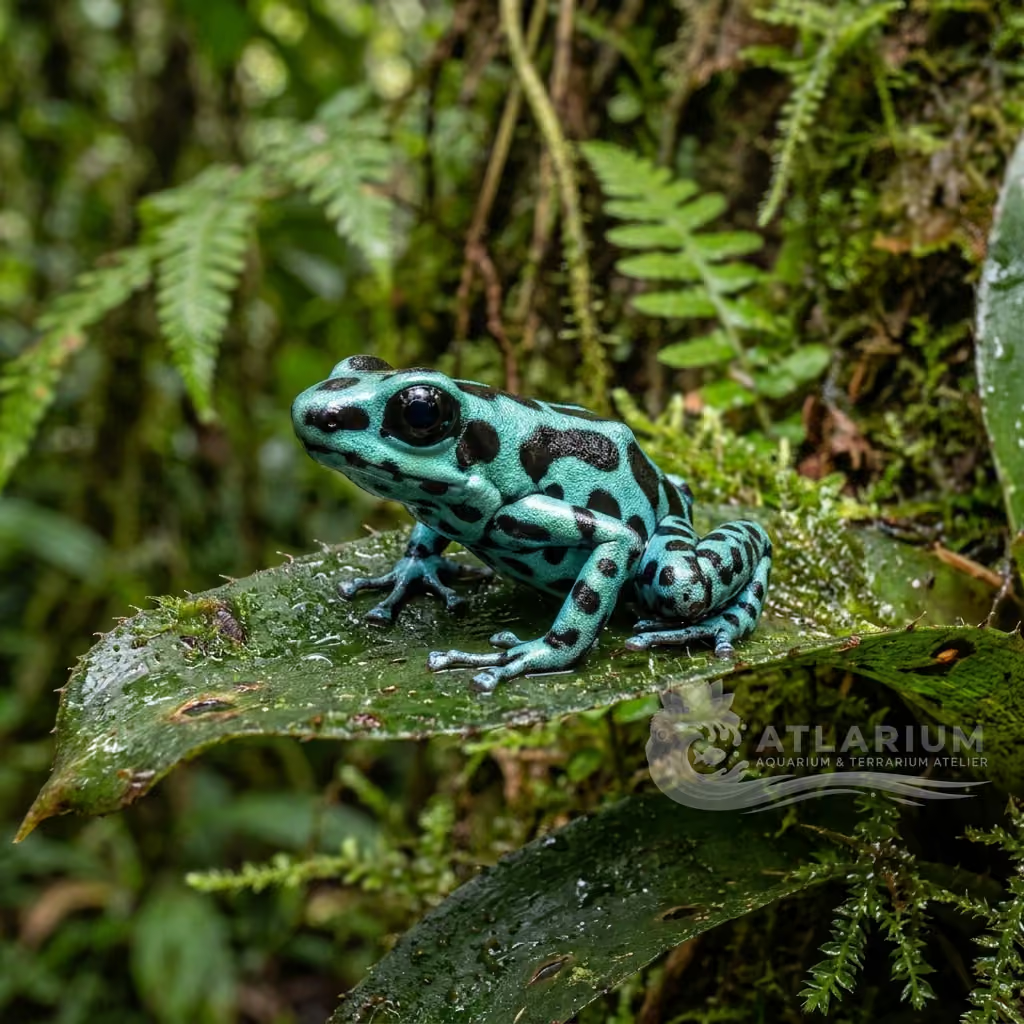
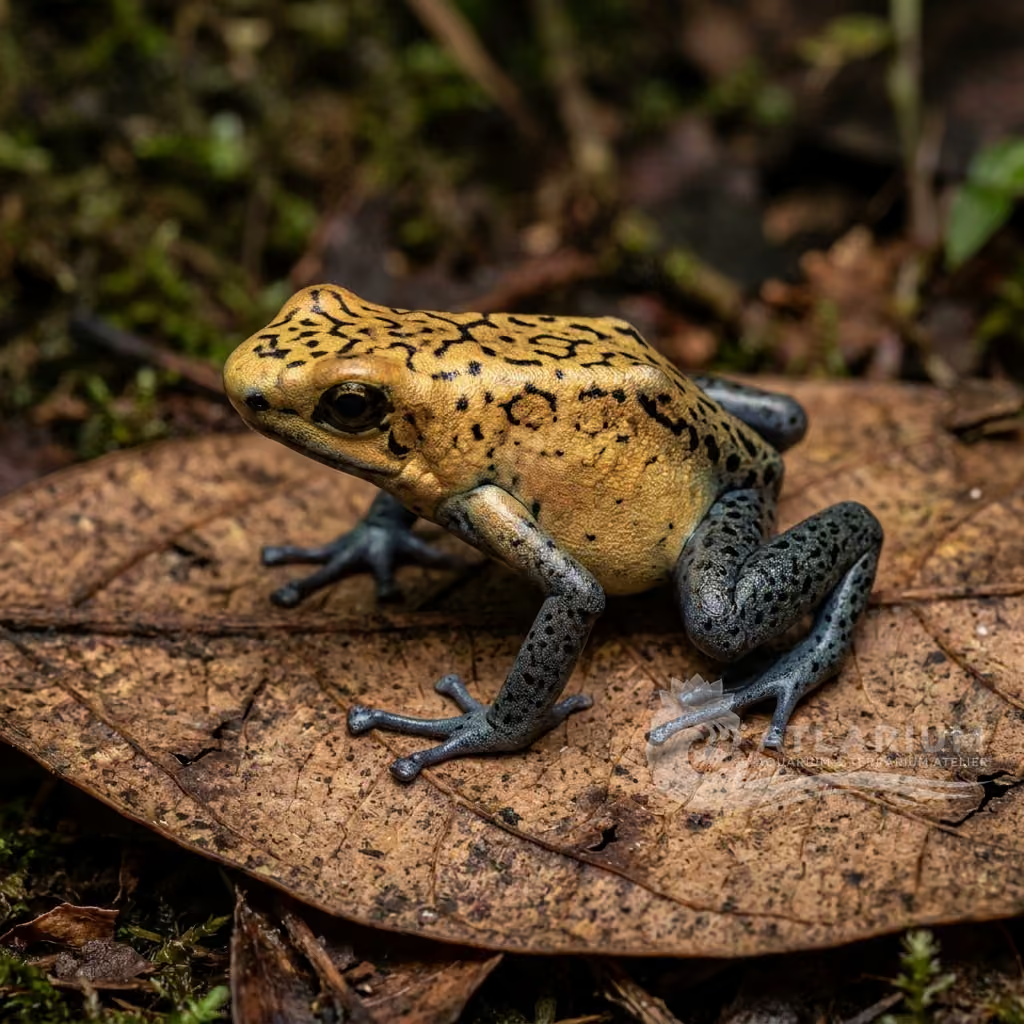
Strawberry Poison Frog (Blue Jeans)
Oophaga pumilio
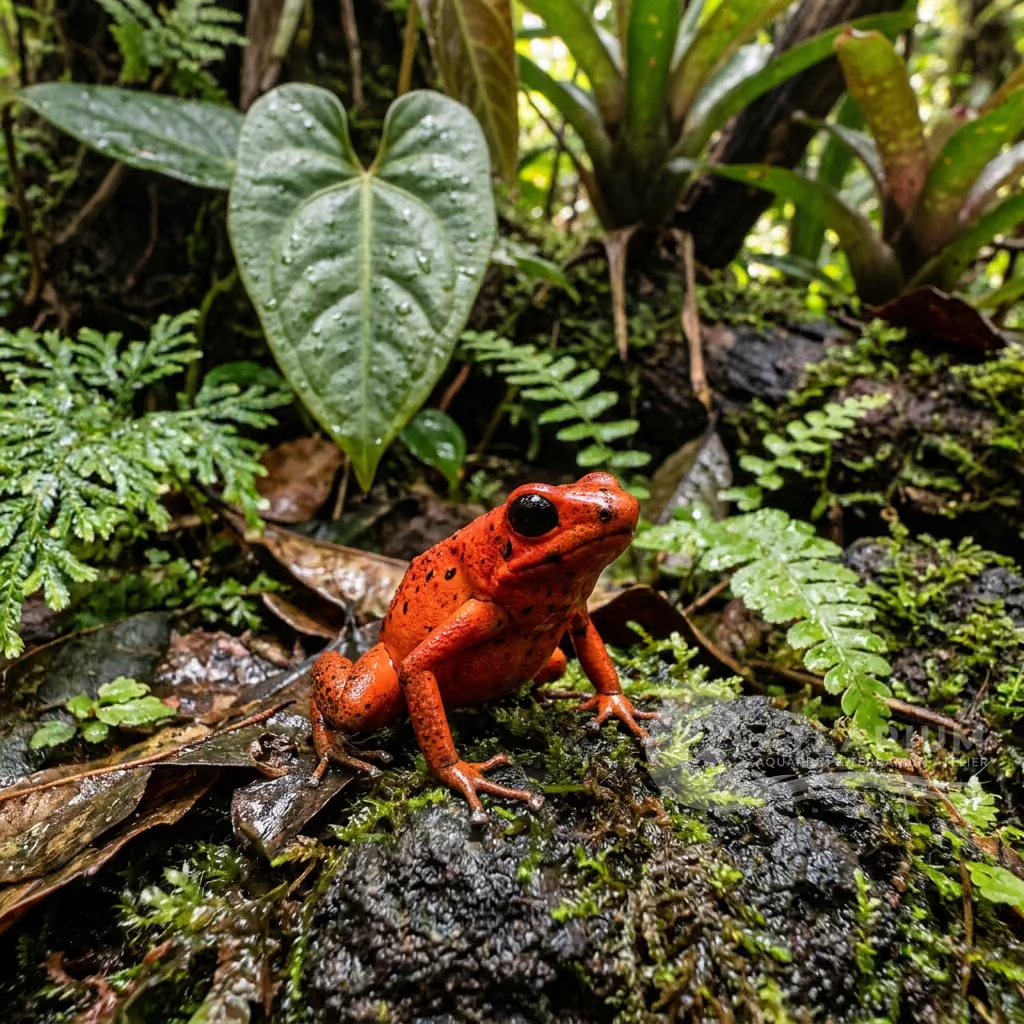
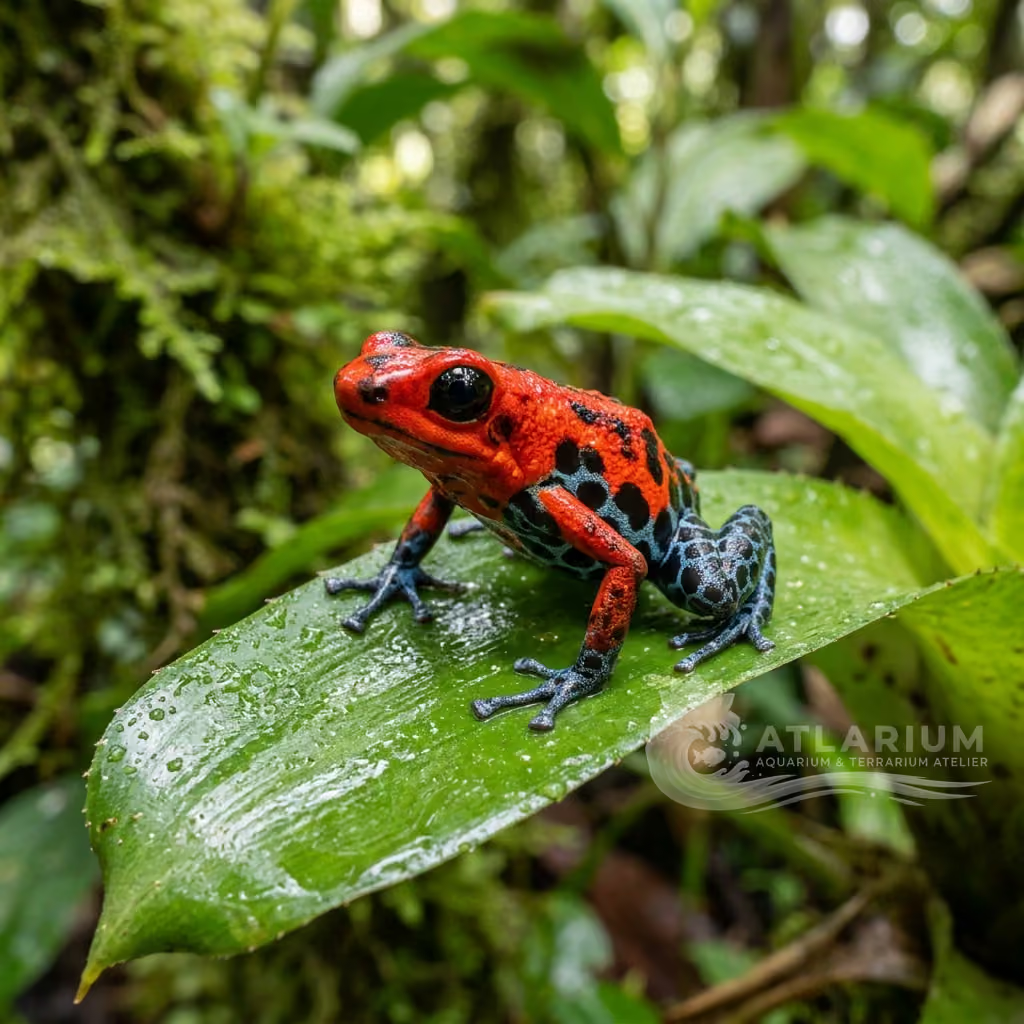
The Strawberry Poison Frog is a brilliantly colored micro-amphibian renowned for its complex maternal care. Highly territorial and active, it demands dense bromeliads and constant high humidity.
Environment
Terrestrial
Humidity
80 - 100 %
Day temperature
24 - 27 °C
Night temperature
20 - 22 °C
Ambient temperature
24 °C
Minimum enclosure
>= 30 L
UVB
Ferguson 2
UVI
0.7 - 1 UVI

Species description
Geographical Origin and Habitat: Widely distributed across Central America from Nicaragua through Costa Rica to Panama. They inhabit humid tropical lowlands, cocoa and banana plantations, and secondary forests. This species is highly arboreal, relying on epiphytic bromeliads that grow on tree trunks, which they use for shelter and as breeding pools (phytotelmata) for their tadpoles.
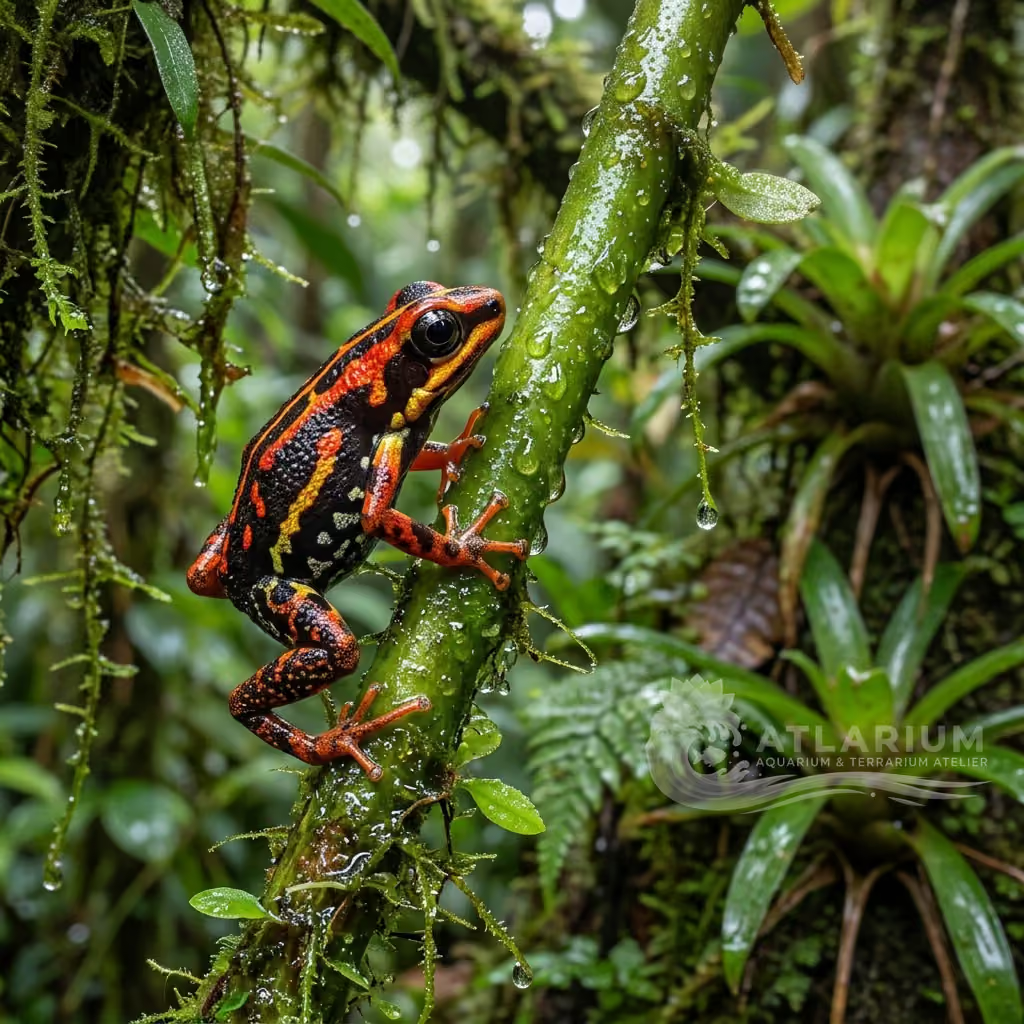
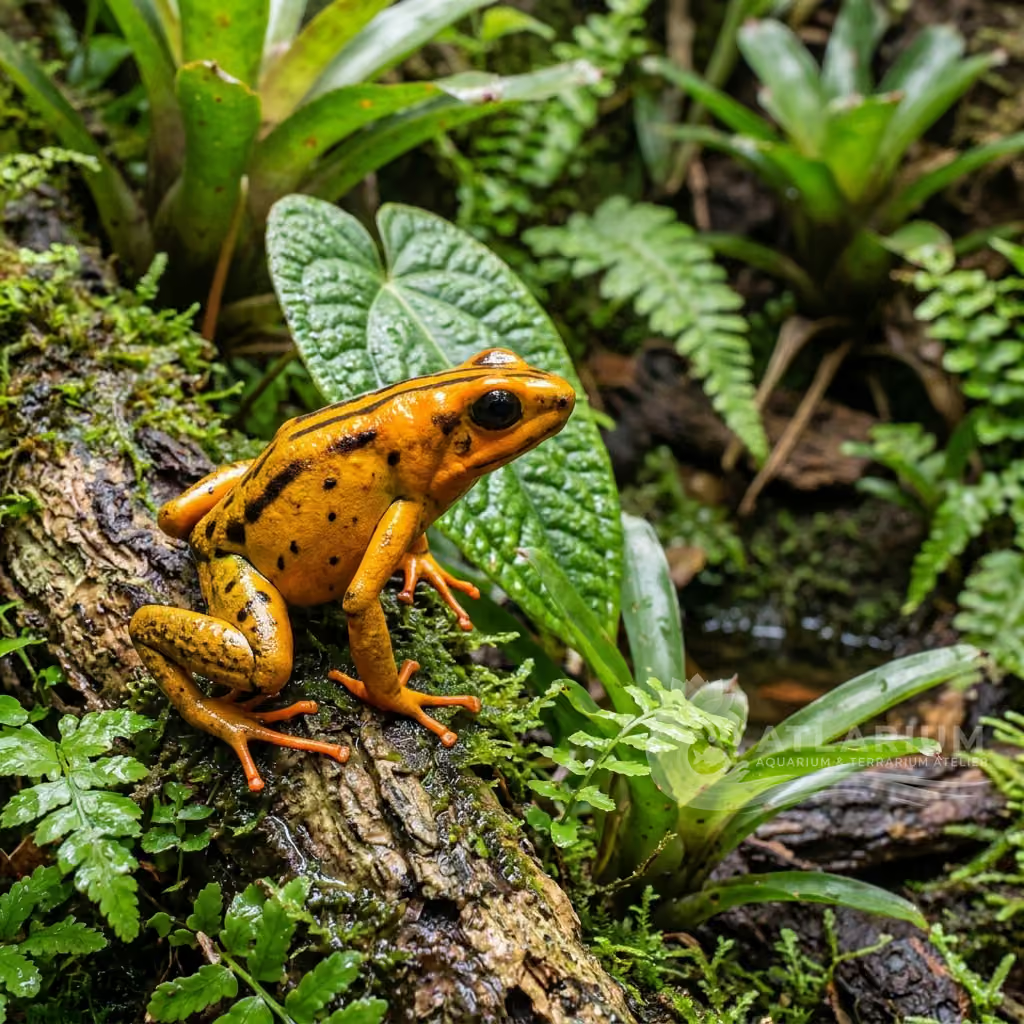
Taxonomy and Genetics: The strawberry poison frog is one of the most polymorphic species of vertebrates, with over 30 distinct color morphs found throughout its range. The standard morph features a bright red body with contrasting dark blue legs and arms. They are miniature frogs, with adults measuring only 1.8 to 2.5 cm. Their toes are slender and equipped with pads for climbing.
Behavior and Habits: Diurnal and highly active. Males are extremely territorial and vocal, calling from elevated perches to defend their territory and attract mates. The species is named for its extraordinary maternal care: the female deposits unfertilized eggs in the water-filled leaf axils of bromeliads to feed her developing tadpoles, which is their sole food source.
Morphology: Sexual dimorphism is subtle. Males and females are similar in size, but mature males possess a darker, expandable vocal sac under the throat, which becomes slightly wrinkled or loose after vocalizing.

Care, breeding and tankmates
Terrarium Setup: Requires a vertically oriented terrarium (minimum 45x45x60 cm) decorated with dense live plants, climbing branches, and moss. Epiphytic bromeliads (especially Neoregelia) are absolutely mandatory, as the water pooled in their leaf axils is essential for the frogs' nesting and the survival of their tadpoles.
Lighting and Heating: Prefers temperatures between 24-27°C during the day, with a nightly drop to 20-22°C. Excellent lighting is necessary for plant growth, particularly for bromeliads. A low-intensity UVB light is beneficial to support calcium absorption and simulate the natural forest canopy light.
Humidity and Hydration: Requires exceptionally high relative humidity (85-100%). Due to their small body size, they dehydrate rapidly if humidity drops. An automatic misting system is highly recommended. The water pools in the bromeliads must never dry out, as they are crucial for tadpole rearing.
Feeding and Supplementation: Feed exclusively on micro-insects due to their small size. The primary diet should consist of fruit flies (Drosophila melanogaster) and springtails. Dust all feeder insects regularly with a high-quality supplement containing calcium, vitamin A, and vitamin D3 to prevent nutritional deficiencies.
Compatibility: Intraspecific competition is intense. House them in single pairs or small, well-established harems in large terrarios. Housing multiple males in a standard-sized enclosure will result in aggressive wrestling matches, causing fatal stress to subordinate individuals. Do not mix with other species.
Health and Common Diseases: Recommended only for experienced keepers. Their high metabolic rate means they cannot tolerate fasting for more than 48 hours, requiring a reliable, constant supply of live micro-prey. Avoid handling, as their permeable skin is highly sensitive to the oils and pathogens on human hands.

Geographic origin and distribution
Widely distributed across Central America from Nicaragua through Costa Rica to Panama. They inhabit humid tropical lowlands, cocoa and banana plantations, and secondary forests. This species is highly arboreal, relying on epiphytic bromeliads that grow on tree trunks, which they use for shelter and as breeding pools (phytotelmata) for their tadpoles.
Origin
Selective breeding and cultivarsCentral America and Caribbean

Amphibian profile
- Diet
- Insectivore
- The diet of Oophaga pumilio must be carefully managed to ensure optimal health and longevity. In its natural habitat, Oophaga pumilio typically consumes a variety of specific prey items or plant matter. Captive specimens require a similarly balanced intake, often supplemented with essential vitamins and calcium. It is important to offer food that is appropriately sized to avoid choking or digestive issues. Regular monitoring of their feeding response helps in identifying any potential health problems early.
- Life expectancy
- 10-15 years
- Adult size
- 2.1 cm
- Lifestyle/Microhabitat
- Terrestrial
- The lifestyle of Oophaga pumilio varies greatly depending on whether they are terrestrial, arboreal, aquatic, or semi-aquatic. Designing an enclosure that accommodates their specific mode of living is essential for their physical and mental health. This includes providing the right substrate, climbing branches, or water features as needed. A proper setup allows Oophaga pumilio to exercise, hide, and thermoregulate effectively. Understanding their lifestyle choices helps in creating a thriving captive environment.
- Activity cycle
- Diurnal
- The activity pattern of Oophaga pumilio typically dictates when they feed, explore, and rest. Depending on their biology, they may be predominantly active during the day, night, or twilight hours. Replicating appropriate lighting and temperature cycles is crucial for maintaining their natural rhythm. Disruptions to this schedule can lead to stress and a decline in the health of Oophaga pumilio. Keepers should try to interact with them during their most active periods to minimize disturbance.
- Sociality
- Solitary
- The behavior of Oophaga pumilio is deeply influenced by its natural instincts and environment. These creatures exhibit unique social and territorial behaviors that must be respected in captivity. Providing a habitat that mimics their wild surroundings can greatly reduce stress and encourage natural activities. Oophaga pumilio may show specific defensive or communicative displays when interacting with its environment. Observing these behaviors is key to understanding their overall well-being and comfort.
- Reproduction
- Oviparous
- Reproduction in Oophaga pumilio requires specific environmental triggers such as temperature and humidity changes. Breeding these animals in captivity can be challenging and often demands a dedicated setup. Once successful mating occurs, careful attention must be given to the incubation of eggs or the care of live young. The offspring of Oophaga pumilio are usually fragile and require highly specific conditions to thrive. Keepers must thoroughly research their reproductive cycle to achieve positive breeding results.
- Toxicity
- Harmless
- Wild individuals possess highly toxic skin secretions rich in pumiliotoxin, primarily derived from their specialized diet of toxic mites and ants. This chemical defense mechanism can cause muscle contractions and even death in small predators. However, captive-bred specimens are completely non-toxic due to the absence of these specific alkaloid-rich prey items in their diet.
- Life stage
- Metamorphosis
- Tadpoles are strictly dependent on water-filled phytotelmata and rely entirely on unfertilized eggs provided by their mother for nourishment. Following metamorphosis, the tiny froglets leave the bromeliads and must begin hunting immediately to sustain their high metabolism. They reach sexual maturity within ten to twelve months of age.
- Handling tolerance
- Display only
- Like all dart frogs, they should never be handled. They are tiny, fragile, and their semi-permeable skin makes them highly susceptible to any chemicals on human hands.
- Brumation
- They require continuous tropical conditions without any brumation. Constant warmth and high humidity mimic their Central American rainforest home.
- Molting
- Periodic
- Shedding is almost invisible to the keeper, occurring quickly as the frog consumes the old skin. Pristine vivarium conditions and microfauna are essential for skin health.

Related species
Recommendations grouped by close relatives, companion choices, and similar care.