Amazonian Poison Frog
Ranitomeya amazonica
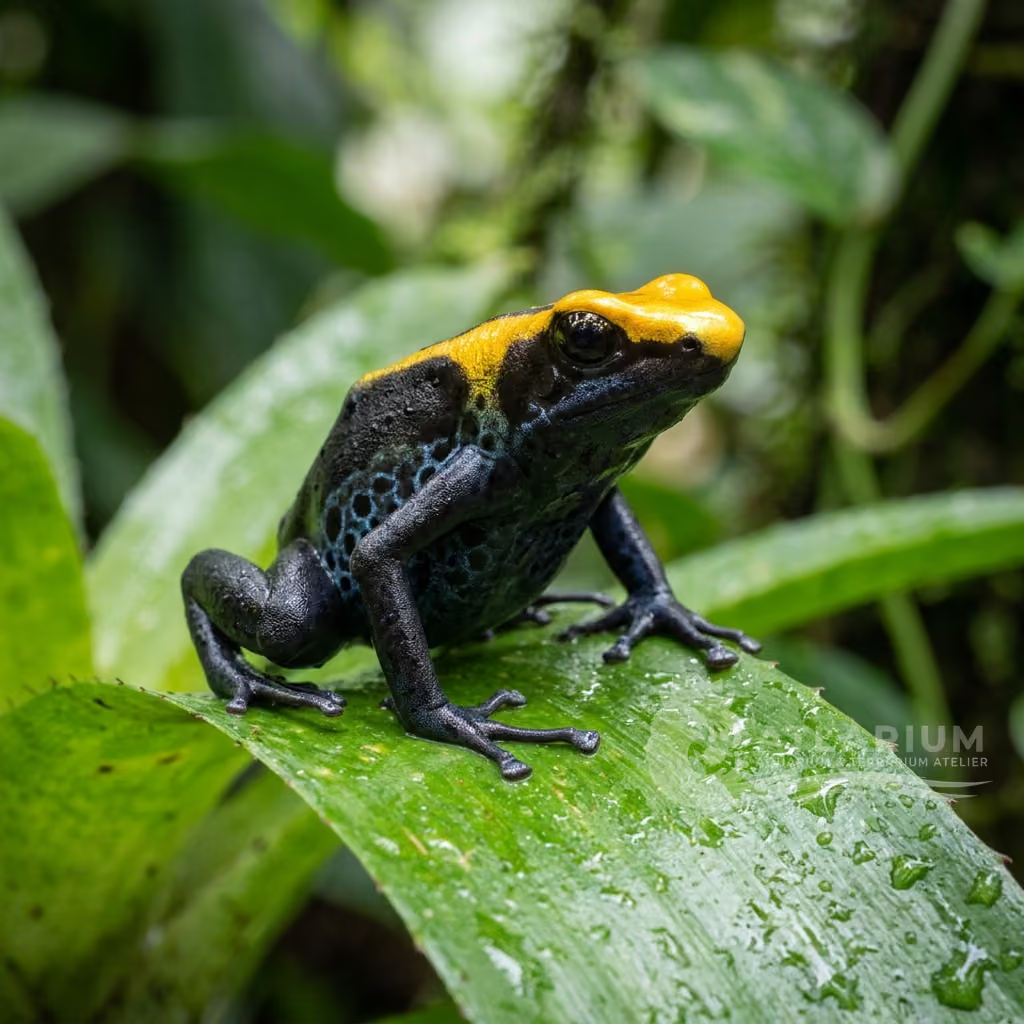
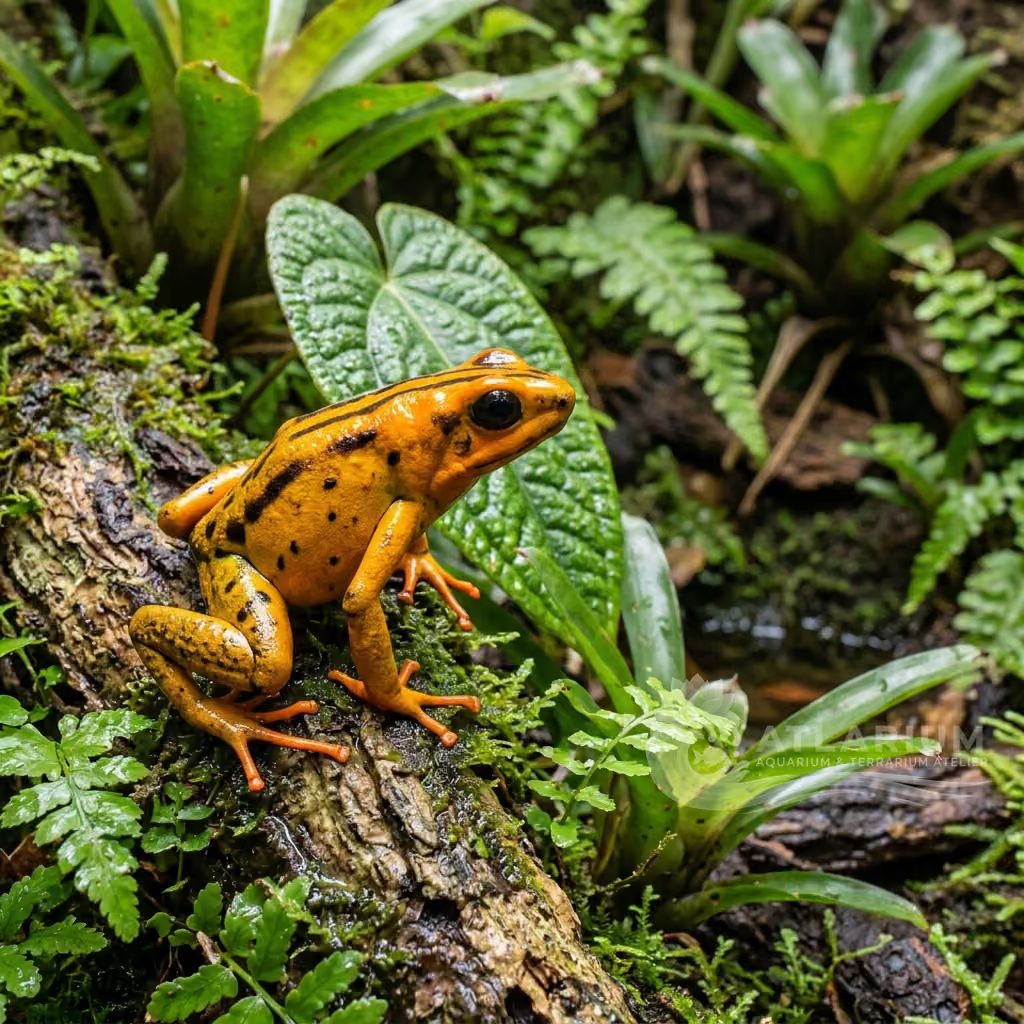
The Amazonian Poison Frog is a stunning micro-amphibian displaying vibrant orange and blue colors. A fast, arboreal jewel, it requires high humidity, tiny insect prey, and dense bromeliad canopies.
Environment
Terrestrial
Humidity
80 - 100 %
Day temperature
22 - 26 °C
Night temperature
20 - 22 °C

Species description
Geographical Origin and Habitat: Native to the dense primary and secondary rainforests of the Amazon Basin, with key populations distributed across Peru, northern Brazil, southern Colombia, and French Guiana. It is an strictly arboreal species that spends its life in the forest understory and canopy, heavily relying on water-filled bromeliads (phytotelmata) for shelter and breeding.
Taxonomy and Genetics: A member of the Dendrobatidae family under the genus Ranitomeya, commonly known as the Amazonian Poison Frog. Historically confused with Ranitomeya ventrimaculata, it was established as a distinct species based on acoustic analysis and genetic markers. It belongs to the 'thumbnail' group, with adult sizes ranging between 1.6 and 1.8 centimeters.
Behavior and Habits: Strictly diurnal, highly active, and agile. They spend their active hours climbing among leaves and hunting micro-insects. Males are territorial and defend their calling sites, emitting a short, metallic, buzz-like call to court females. Paternal care is highly developed: males carry hatched tadpoles on their backs to transport them to separate water pools.
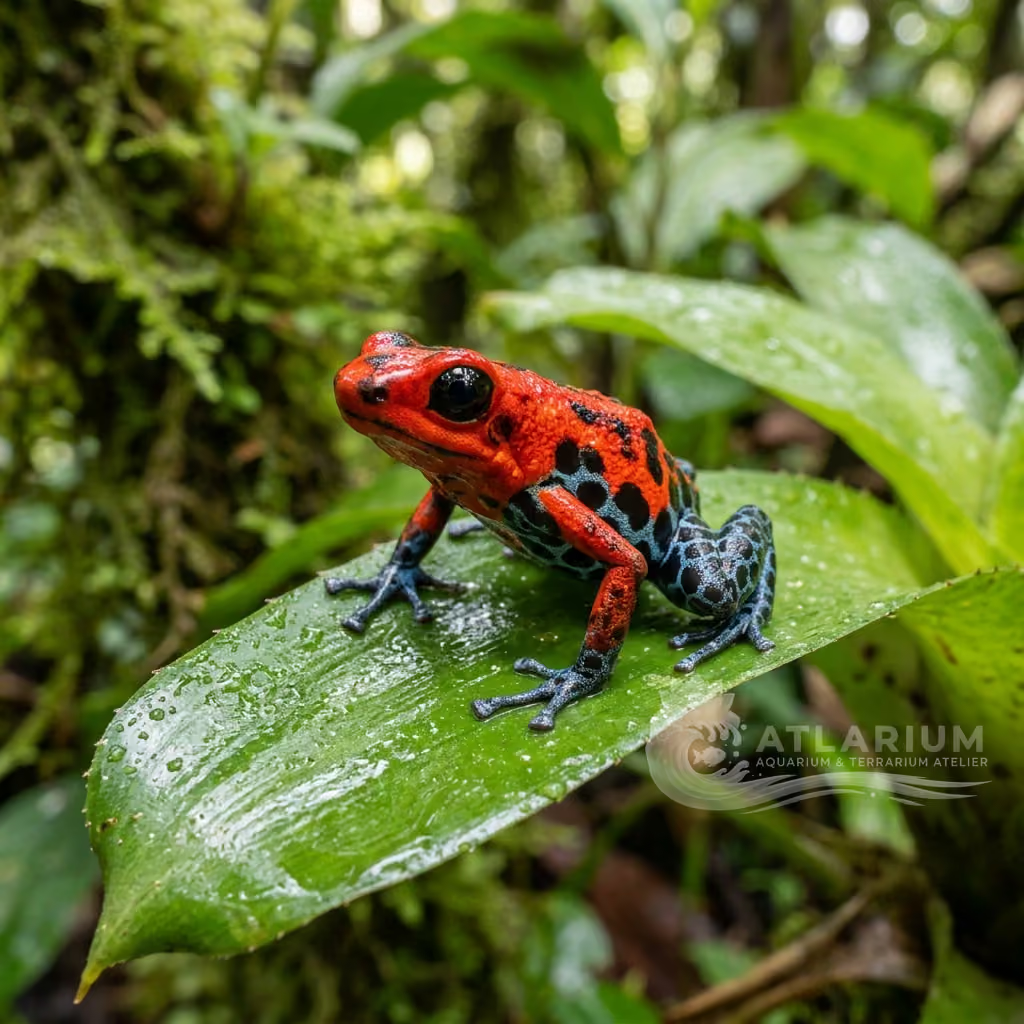
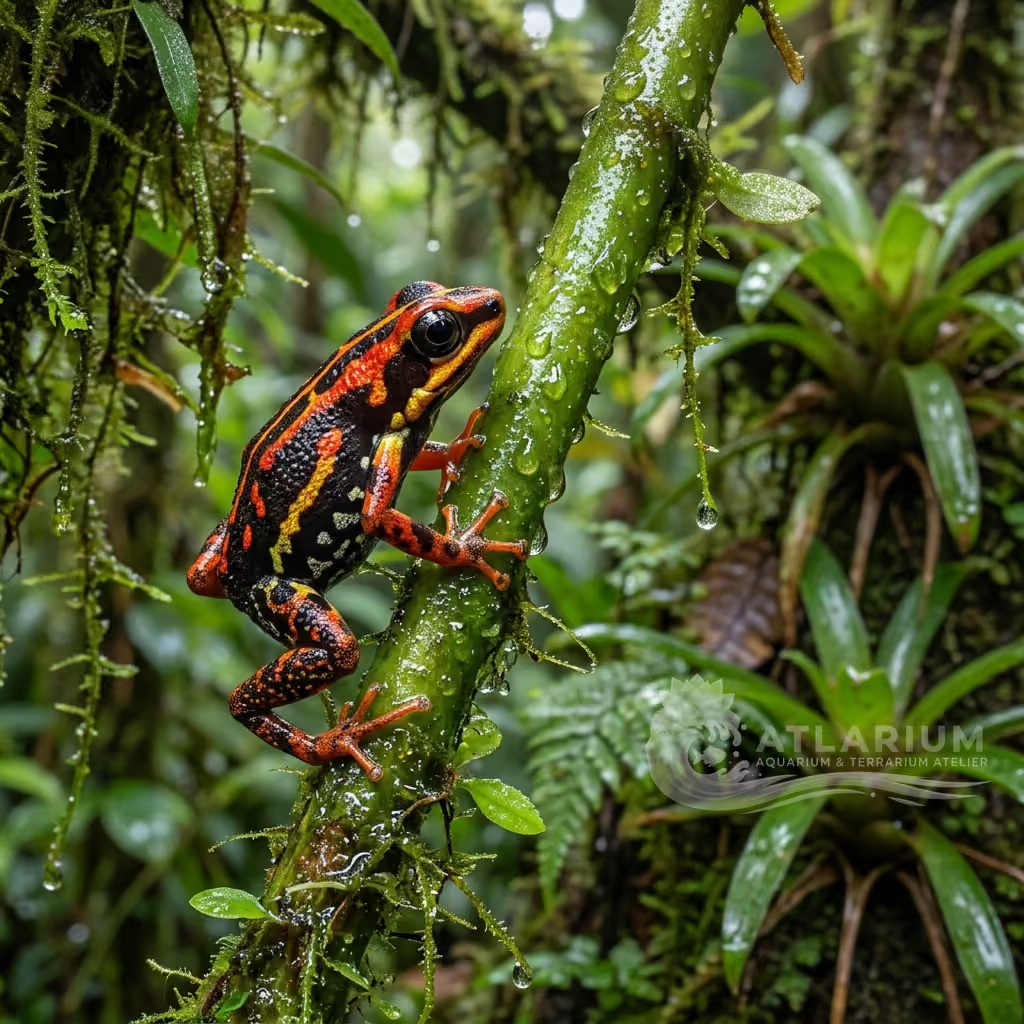
Morphology: Possesses a striking aposematic coloration. The head and upper dorsum display brilliant fiery red-orange stripes forming a characteristic Y-pattern on a black background. The legs and underbelly are colored in electric blue or cyan, covered with a fine black reticulated mosaic pattern. Their toes are equipped with wide, sticky pads for climbing wet vertical leaves.

Care, breeding and tankmates
Terrarium Setup: Requires a vertically oriented terrarium, with minimum dimensions of 30x30x45 cm (12x12x18 inches) for a single breeding pair. It must be densely planted with live bromeliads, climbing vines, and ferns. Use a well-draining substrate (clay balls topped with coco-fiber and dried leaf litter). Provide hollow branches and cork bark. Leaf axils must contain clean water.
Lighting and Heating: Bright LED lighting is required to sustain live plants. A low-output 2% to 5% UVB source is highly recommended to promote vitamin D3 synthesis and prevent metabolic bone disease. Maintain daytime temperatures at 24-27°C (75-81°F) using heat mats if necessary. Provide a nocturnal temperature drop to 20-22°C (68-71°F). Avoid heat exceeding 29°C (84°F).
Humidity and Hydration: Humidity must remain consistently high, between 80% and 95%. This is best achieved using an automatic misting system spraying reverse-osmosis water 2 to 4 times daily. However, clean air circulation through fine mesh vents is mandatory to prevent stagnant, waterlogged conditions that lead to bacterial infections and skin rot.
Feeding and Supplementation: Strictly micro-insectivorous. Their diet in captivity consists of Drosophila melanogaster fruit flies, springtails, pea aphids, and newly hatched pinhead crickets. It is vital to dust all food at every feeding with a high-quality calcium and multivitamin supplement containing preformed Vitamin A, preventing spindle leg syndrome and malnutrition.
Compatibility: Best kept in single breeding pairs. Group housing is possible only in larger terrariums (minimum 45x45x60 cm) with multiple bromeliads to reduce territorial aggression, especially among females competing for nesting sites. Do not house them with other species of poison dart frogs to avoid hybridization and stress.
Health and Common Diseases: The primary care risks are rapid dehydration if humidity drops below 70% and fatal overheating during summer months (temperatures above 30°C/86°F are lethal). Because of their micro-size and permeable skin, they are strictly observation-only pets; handling with bare hands should never occur due to toxic residues on human skin.

Geographic origin and distribution
Native to the dense primary and secondary rainforests of the Amazon Basin, with key populations distributed across Peru, northern Brazil, southern Colombia, and French Guiana. It is an strictly arboreal species that spends its life in the forest understory and canopy, heavily relying on water-filled bromeliads (phytotelmata) for shelter and breeding.
Origin
Amazon, Orinoco, and GuianasNorth America

Amphibian profile
- Diet
- Insectivore
- Being an incredibly small species, they require the smallest available prey, primarily springtails and D. melanogaster fruit flies. A constant, thriving population of micro-insects within the vivarium is essential to prevent these fast-metabolizing frogs from starving. Proper dusting with calcium and vitamins is critical due to their rapid life cycle and continuous breeding habits.
- Life expectancy
- 8-10 years
- Adult size
- 1.8 cm
- Lifestyle/Microhabitat
- Arboreal
- They are obligate arboreal frogs, demanding vertically oriented, heavily planted vivariums with numerous bromeliads and climbing vines. High humidity (80-100%) and moderate tropical temperatures (72-78°F) are absolute requirements. Without elevated hiding spots and small water pockets, they will fail to thrive or reproduce.
- Activity cycle
- Diurnal
- Activity strictly follows a diurnal pattern, beginning shortly after the terrarium lights turn on. They hunt and vocalize vigorously throughout the morning and early afternoon. By nightfall, they retreat deeply into bromeliad axils or film canisters to sleep securely.
- Sociality
- Solitary
- They are incredibly bold, diurnal frogs that spend their days constantly exploring and hunting throughout the terrarium. Despite their tiny size, they are highly territorial; males will wrestle and aggressively chase away intruders. They move with sudden, jerky hops, utilizing both the floor and the highest reaches of the canopy.
- Reproduction
- Oviparous
- Males attract females with a soft, buzzing call high up in the canopy, often leading them to bromeliad axils to deposit small clutches of eggs. The male monitors the eggs, and upon hatching, carries the tadpoles to individual water pockets. In some cases, adults will deposit unfertilized feeder eggs for the tadpoles to eat, though they can also be raised on detritus.
- Toxicity
- Harmless
- Wild specimens sequester a highly potent array of toxins from a diet rich in specialized rainforest mites and ants. In captivity, without access to this native diet, they do not produce these toxins and are considered harmless. Their brilliant red, yellow, and blue striping acts as an evolutionary warning to predators.
- Life stage
- Metamorphosis
- Tadpoles are naturally raised in phytotelmata (water-holding plants) and must be reared individually due to cannibalistic tendencies. Froglets are microscopic upon leaving the water and demand a constant supply of springtails and extreme humidity. Adults reach only about 16mm in size but are fiercely active and can live over 8 years in captivity.
- Handling tolerance
- Display only
- Handling must be entirely avoided. Their microscopic size and incredibly delicate skin make physical contact highly dangerous and stressful. Transfers should only be done by placing a small tube or cup over the frog and gently sliding a card underneath.
- Brumation
- Not required
- This Amazonian species experiences no winter or brumation in the wild. They must be kept in stable, consistently warm, and extremely humid conditions every day of the year. Any significant drop in temperature or humidity will rapidly lead to death.
- Molting
- Periodic
- Shedding is a near-invisible process due to their minuscule size and the speed at which it occurs. They shed frequently to accommodate growth and clear the skin of potential pathogens. The shed skin is promptly eaten, conserving energy and essential proteins.

Related species
Recommendations grouped by close relatives, companion choices, and similar care.