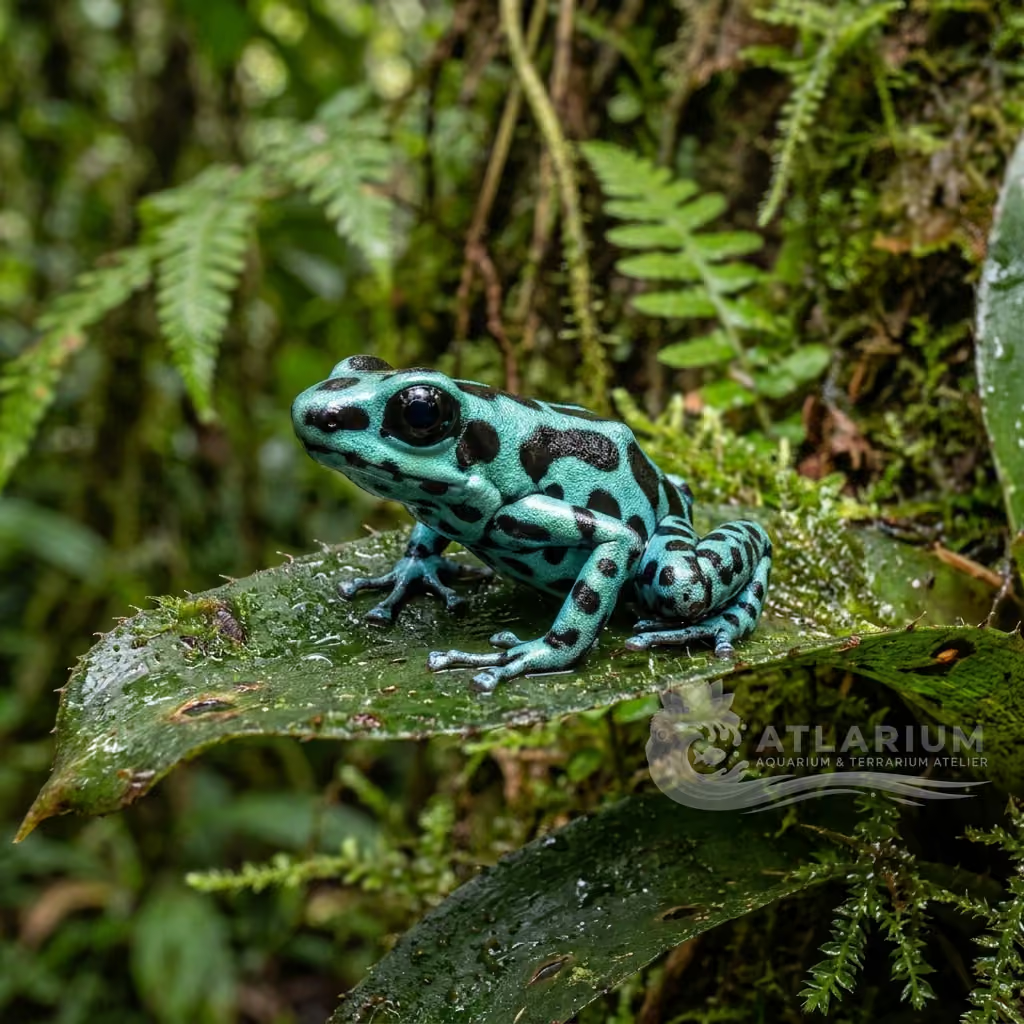
Green and Black Dart Frog "Bronzewing"
Dendrobates auratus
A distinct auratus morph featuring a dark body with beautiful bronze or metallic brown striping. Shy and terrestrial, it needs a cool, humid environment with plenty of hiding spots.
Environment
Terrestrial
Humidity
80 - 100 %
Day temperature
23 - 26 °C
Night temperature
20 °C
Ambient temperature
23 - 26 °C
Minimum enclosure
>= 45 L
UVB
Ferguson 1-2
UVI
0 - 1 UVI

Species description
Geographical Origin and Habitat: Widely distributed in Central America (Nicaragua, Costa Rica, Panama) and northern Colombia, this species inhabits humid lowland rainforests, cacao plantations, and damp gardens, often staying near small streams.
Taxonomy and Genetics: Reaches an adult size of 3.5 to 4.5 cm. This specific "Bronzewing" morph is characterized by a dark, almost black body highlighted by green patterns and distinctive bronze reflections or bands on the limbs.
Behavior and Habits: Generally shy and active during the day, they spend time hidden in dense foliage, emerging to hunt in the morning or after rainfall. The male's call is a low, buzzing hum. They are semi-arboreal, frequently climbing fallen logs and root systems.
Morphology: Sexual dimorphism is subtle. Adult females are typically larger, wider, and more rounded than males. Reproductively active males may show weakly developed nuptial pads and are generally slimmer.

Care, breeding and tankmates
Terrarium Setup: Requires a terrarium with a footprint prioritizing ground area but allowing moderate vertical height (e.g. 45x45x60 cm). Provide dense live plants, climbing branches, moss, bromeliads, and a thick leaf litter layer to help reduce their natural shyness.
Lighting and Heating: Maintain moderate temperatures between 23-26°C during the day, with a nighttime drop to around 20°C. Temperatures above 28°C can cause severe stress. Provide high-quality plant lighting and low UVB (2-5% UVI) to establish natural day-night cycles.
Humidity and Hydration: Maintain high humidity levels between 80% and 95% with automated daily misting. Excellent cross-ventilation is essential to prevent stagnant air and reduce the risk of mold or bacterial growth.
Feeding and Supplementation: Feed 4-5 times a week with flightless fruit flies (Drosophila melanogaster or D. hydei), springtails, and dwarf isopods. Dust prey with fine calcium carbonate at every feeding, and a vitamin/D3 complex once a week.
Compatibility: Relatively tolerant for dart frogs, they can be kept in small groups or harems (one male and multiple females) if space is abundant. Mild wrestling for dominance or egg laying sites may occur.
Health and Common Diseases: Highly susceptible to the chytrid fungus and bacterial skin infections if kept in poor sanitary conditions. Check regularly for clean, glossy skin. Avoid handling, and use reverse osmosis or dechlorinated water.

Geographic origin and distribution
Widely distributed in Central America (Nicaragua, Costa Rica, Panama) and northern Colombia, this species inhabits humid lowland rainforests, cacao plantations, and damp gardens, often staying near small streams.
Origin
Selective breeding and cultivarsExtra-Amazon South AmericaCentral America and CaribbeanNorth AmericaEast AsiaTropical oceans and reefsCosmopolitan or introduced

Amphibian profile
- Diet
- Insectivore
- This species primarily feeds on small invertebrates such as fruit flies, springtails, and dwarf isopods. It is essential to dust their food with high-quality vitamin and calcium supplements at nearly every feeding. Offering a varied diet ensures optimal health and coloration. In captivity, they eagerly hunt down actively moving prey items.
- Life expectancy
- 10-15 years
- Adult size
- 4 cm
- Lifestyle/Microhabitat
- Terrestrial
- Primarily terrestrial, they spend most of their time dwelling in the leaf litter of the forest floor. However, they will also occasionally climb low-lying branches and vegetation to explore. A terrarium with a thick layer of magnolia or oak leaves best replicates their natural habitat. They thrive in highly humid environments that simulate tropical rainforest floors.
- Activity cycle
- Diurnal
- They are strictly diurnal, meaning they are most active during daylight hours. Throughout the morning and late afternoon, they actively hunt for prey across the terrarium floor. During the hottest parts of the day, they may retreat to cooler, shaded areas. A proper day-night lighting cycle is important for regulating their natural circadian rhythms.
- Sociality
- Gregarious
- These frogs are known for their relatively bold and active nature in a well-planted vivarium. They can be territorial, especially males, though they can often be kept in small groups if enough space is provided. They spend a large portion of their day actively foraging and exploring the leaf litter. Providing ample hiding spots will encourage them to be more visible and reduce stress.
- Reproduction
- Oviparous
- Breeding often occurs after a period of heavy misting simulating the rainy season. Females typically lay small clutches of eggs on smooth leaves or in specialized breeding huts. Once tadpoles hatch, males often transport them to small water pockets such as bromeliad axils. Proper humidity and temperature are critical to encourage successful mating behavior.
- Toxicity
- Toxic
- While wild individuals possess potent lipophilic alkaloid toxins derived from their specific natural diet, captive-bred specimens are completely harmless and non-toxic. The lack of dietary alkaloid precursors in captivity prevents them from synthesizing these defensive chemicals. However, despite their lack of toxicity in captivity, their bright warning coloration (aposematism) remains a stunning display of evolutionary adaptation. Basic hygiene practices should still be observed after terrarium maintenance.
- Life stage
- Neotenic
- The life cycle begins with eggs laid in moist, terrestrial locations, which develop into aquatic tadpoles over a period of a few weeks. The adult frog actively transports the newly hatched tadpoles on its back to small pools of water, such as bromeliad axils, to complete their development. Metamorphosis into tiny froglets takes several months, and the resulting adults can live for 10 to 15 years or more under exceptional captive care.
- Handling tolerance
- Display only
- Direct physical handling should be strictly avoided due to the extreme fragility of their delicate, semi-permeable skin. Human skin oils, salts, and standard household chemicals can easily be absorbed and cause severe, life-threatening stress or toxicity to the frog. When transferring individuals, it is highly recommended to gently coax them into a clean, smooth container rather than grasping them by hand.
- Brumation
- As tropical amphibians originating from consistently warm and humid equatorial environments, this species does not undergo brumation or hibernation. They require stable, warm temperatures and high humidity year-round to maintain their metabolic processes and overall health. Any significant or prolonged drop in temperature can compromise their immune system and lead to serious health complications or death.
- Molting
- Periodic
- Like all healthy amphibians, they shed their outer layer of skin on a regular basis, a process that occurs more frequently during periods of rapid growth. The shedding process is remarkably quick and involves the frog contorting its body to loosen the skin before pulling it forward and consuming it. This natural behavior helps the animal recycle vital nutrients and is often completed in a secluded area, making it rarely observed by keepers.

Related species
Recommendations grouped by close relatives, companion choices, and similar care.