Granular Poison Frog
Oophaga granulifera
One of the rarest, smallest, and most difficult Oophaga in the world. Famous for its intensely granular skin (hence the name) and its metallic machine-gun call. Reserved for absolute purists: it demands ultra-specialized aerial terrariums, exclusive oophagous parental care (the mother feeds tadpoles), and unforgiving hygiene parameters.
Environment
Terrestrial
Humidity
85 - 100 %
Day temperature
24 - 27 °C
Night temperature
23 °C
Ambient temperature
24 - 27 °C
Minimum enclosure
>= 45 L

Species description
Geographical Origin and Habitat: Inhabits fragments of pristine rainforest and coastal mangroves of the southern Pacific of Costa Rica and northern Panama. It is an exquisitely arboreal frog that spends its life defying gravity. Never on the muddy ground: it lives, fights, and breeds inside the endless tangle of epiphytes (Guzmania and Vriesea) growing yards high in the suffocating hot, dark canopy.
Taxonomy and Genetics: Belongs to the complex and deadly genus Oophaga. The name 'granulifera' describes the texture of its epidermis, studded with small glands that give it a wrinkled appearance, like a poisonous citrus fruit. Once lumped with pumilio, it stands apart genetically, vocally, and visually. It presents spectacular local morphs (often endangered): from the flaming fire red of the Golfo Dulce, down to olive green and yellow variants.
Behavior and Habits: They are fierce, swaggering lilliputians. Adult males are relentless territorial sentinels that sing incessantly from their perch on a bromeliad. The call is unmistakable: a rapid metallic 'ch-ch-ch-ch' similar to a small ratchet or a distant machine gun. Male-on-male fights break out into literal miniature extreme wrestling matches for the control of the precious axillary water pools of the plants.
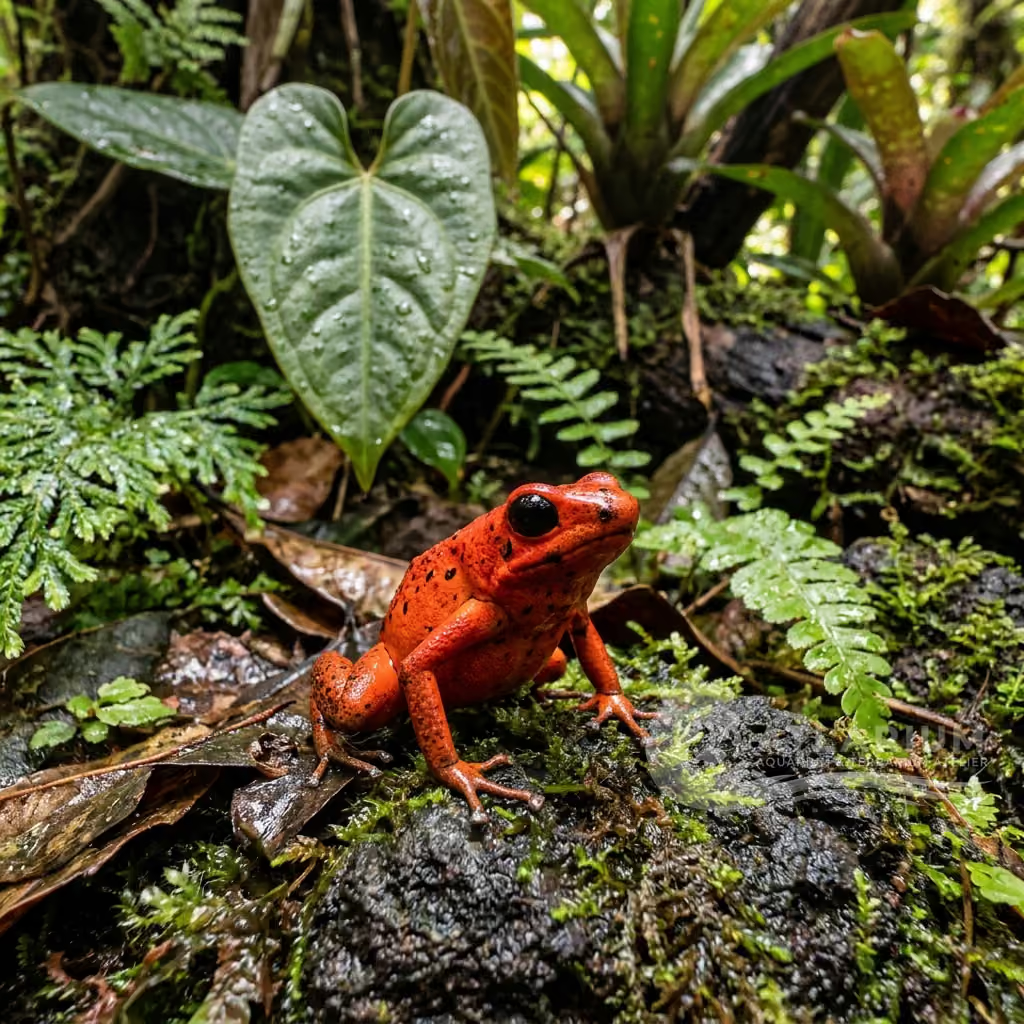
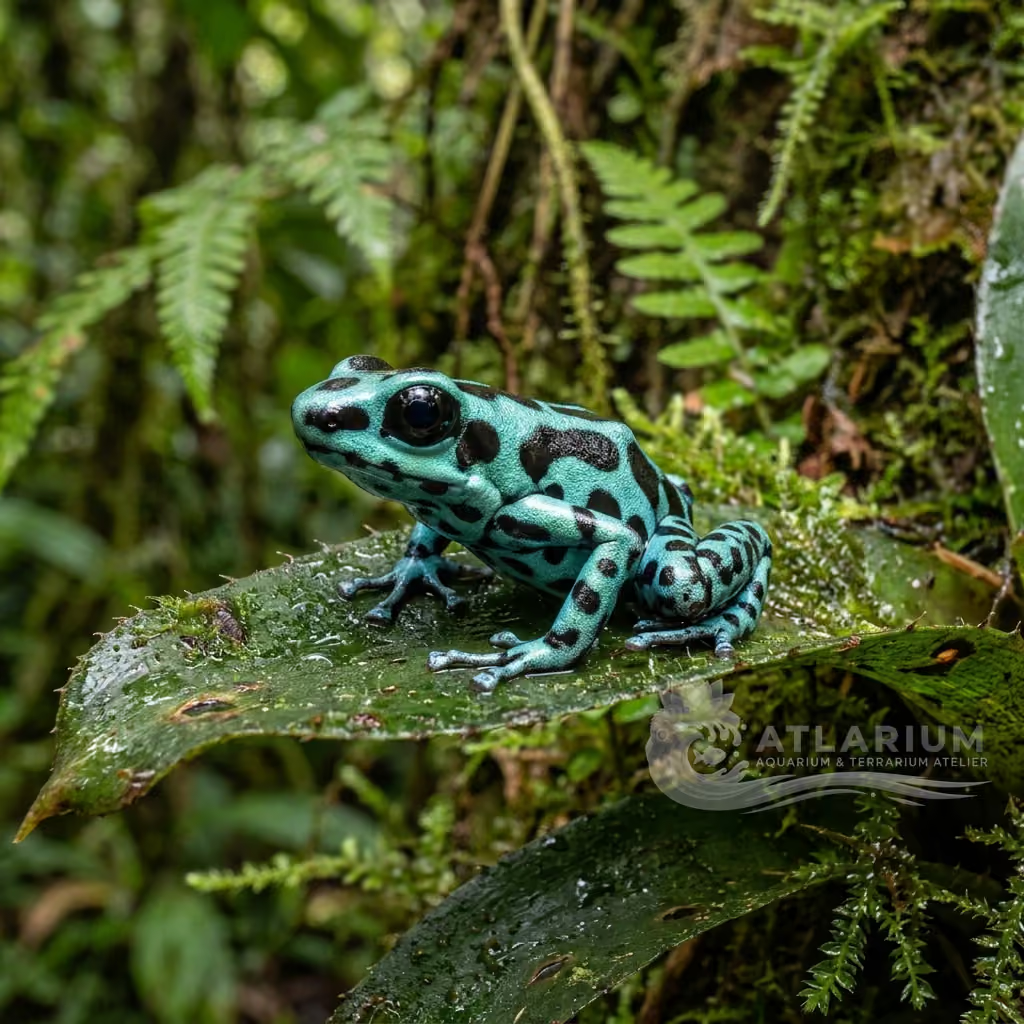
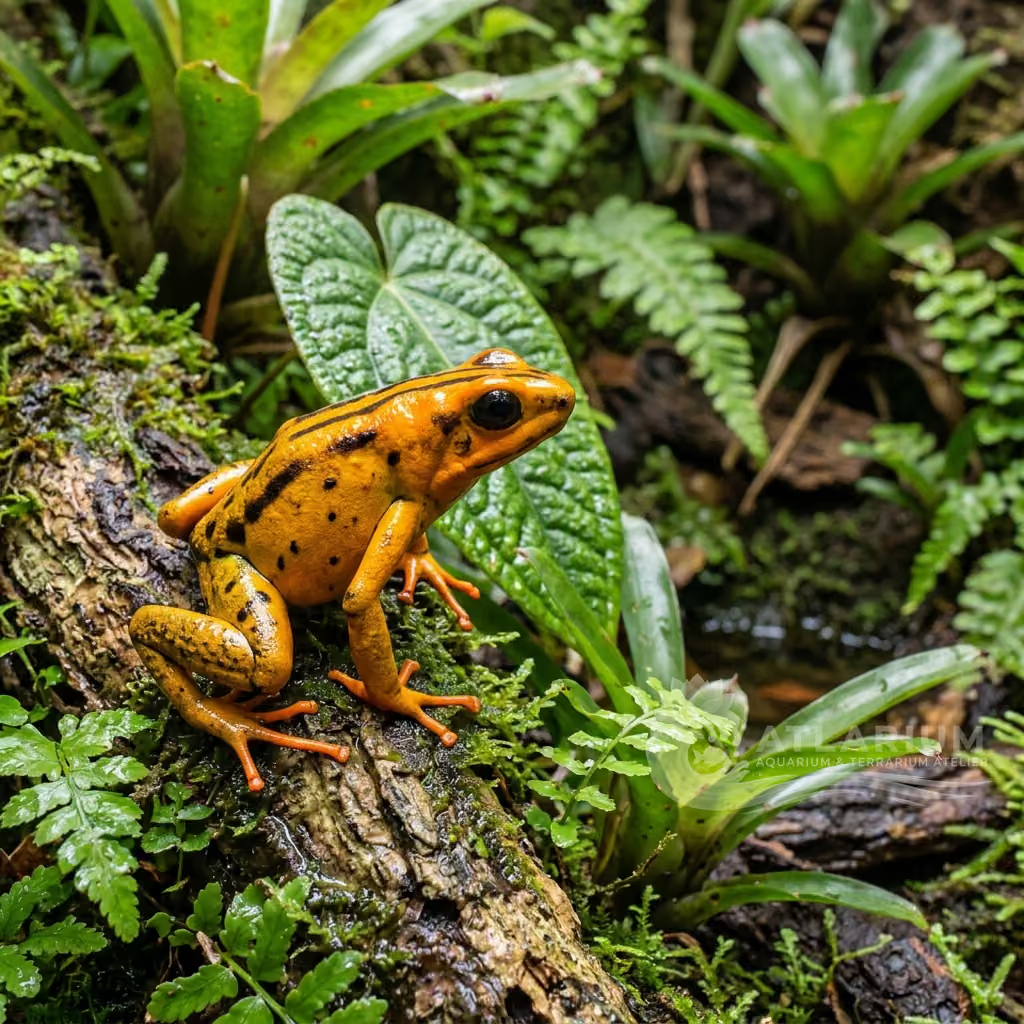
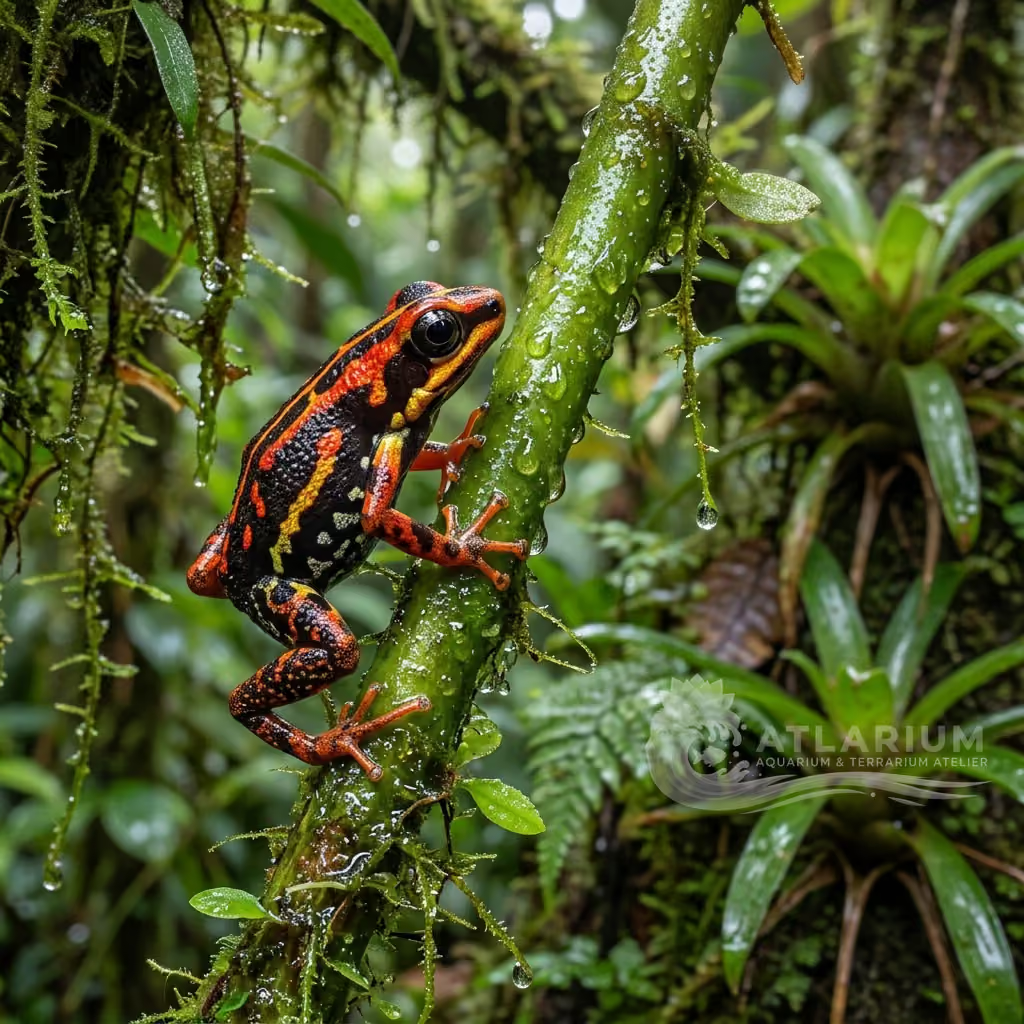
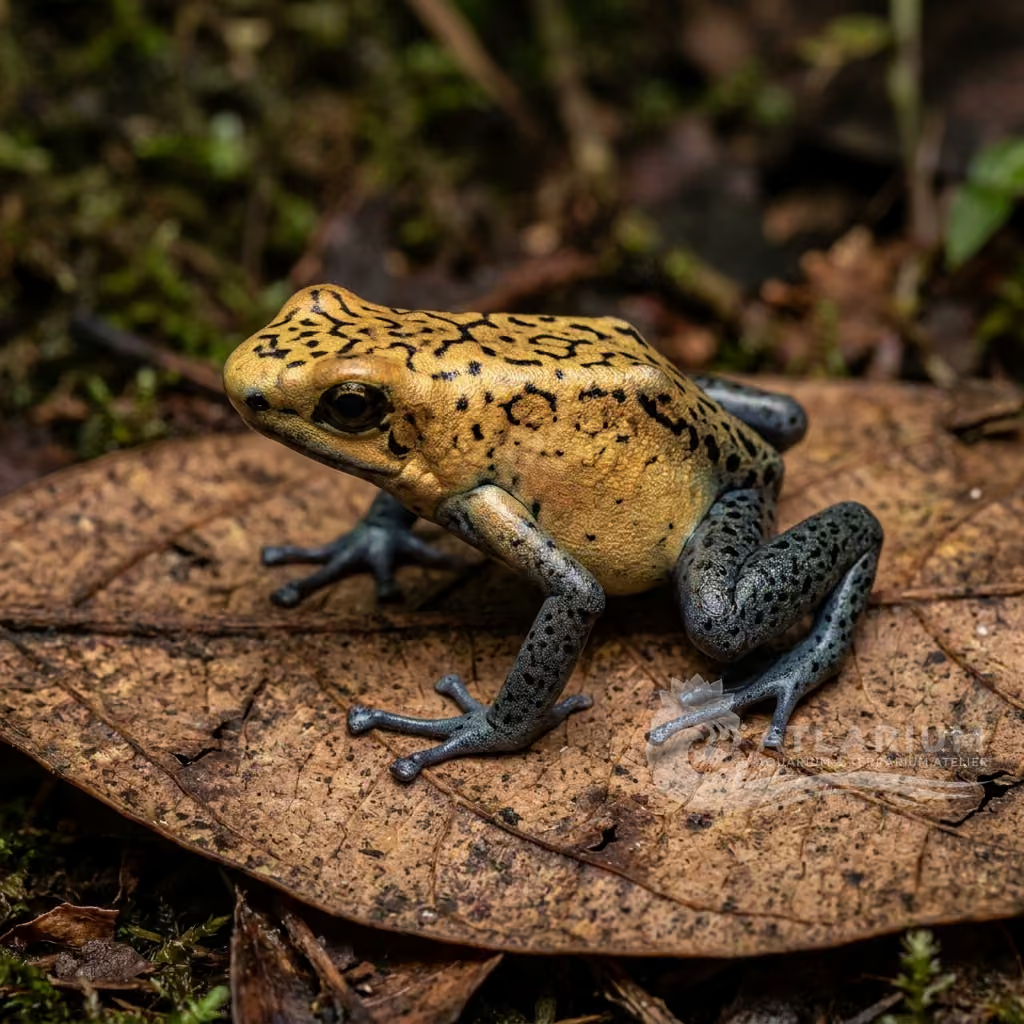
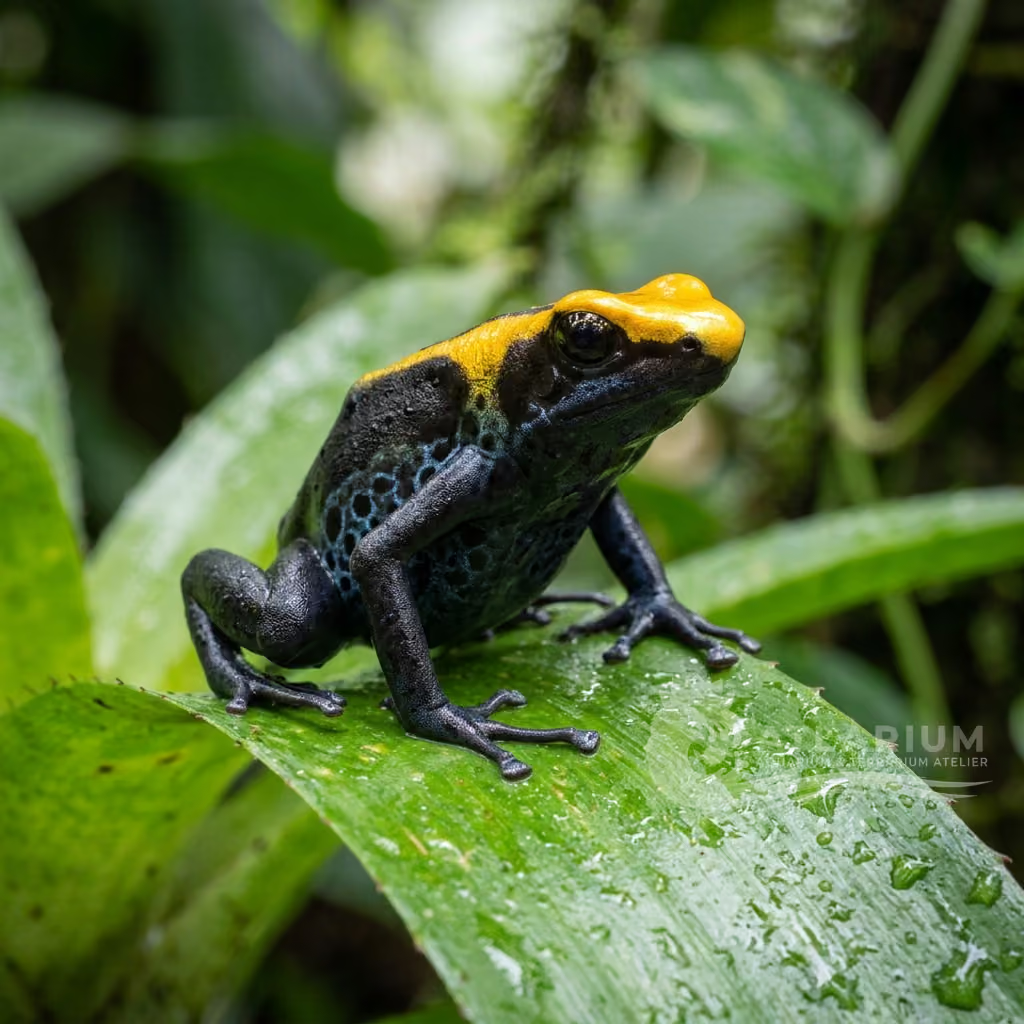
Morphology: Tiny, fragile, and sharp. Both sexes measure barely between 0.7 and 0.85 inches (18-22 mm), the size of a thumbnail. The body features a bright orange-red back and head (often with a blue or white belly) on cobalt blue or emerald green legs. The rough, granular skin on the back is diagnostic and differentiates it from the smooth skin of O. pumilio. Impossible to sex by sight, except when the male puffs up his explosive dark throat vocal sac while singing.

Care, breeding and tankmates
Terrarium Setup: Extreme aerial jungle microcosm (min. 18x18x24h inches). The floor has almost zero importance except for cultivating springtails. The back wall must be a vertical sponge of tree fern panels (xaxim) or cork, studded with dozens of live Bromeliads rooted up high, tangled vines (Ghostwood), and climbing ferns. Bromeliads are not decoration, they are THEIR HOME: they act as shelter, hunting ground, singing territory, and nursery.
Lighting and Heating: Ultra-precise thermal machines. A heatstroke of 86°F (30°C) kills these jewels in three hours, causing fatal neurological shock. Temperature strictly kept between 75°F and 80°F (24-27°C) maximum during the day, with a life-saving night drop to 72-73°F (22-23°C). Extremely powerful plant-stimulating LED lighting is mandatory to make the live jungle thrive, accompanied by a faint 2% UVB to guarantee vital D3 synthesis.
Humidity and Hydration: Frogs dependent on pure water vapor. They demand 85-100% humidity but with perfect ventilation. Stagnant, stale air and boggy water on the bottom will inexorably kill them with lethal bacterial infections to their paper-thin permeable skin. You need an automatic misting system programmed for light, warm sprays multiple times a day with ONLY RO water.NEVER spray freezing cold water on frogs under penalty of acute fatal heart shock lung failure.
Feeding and Supplementation: Unstoppable hungry micro-jaws. They can ONLY feed on thousands of springtails and tiny fruit flies (Drosophila melanogaster). They eat every single day. They are frantic insectivores that collapse from bone hypocalcemia (MBD) or paresis from Vitamin A deficiency if you don't dust their insects EVERY DAY with pure extra-fine Calcium powder and a professional pharmacy-grade vitamin complex (like Repashy Calcium Plus). If you skip Calcium, their tiny transparent femurs will snap, sadly shattering in bitter lethargy.
Compatibility: CHAOTIC MURDER ALERT. Must be kept only in pure pairs (1.1) or carefully balanced, hyper-planted small harems in gigantic glass aviaries. Two males in the same 18-inch tank will fight to exhaustion: the loser will retreat down into the dark mud, stop singing, stop eating, and let himself die of psychogenic starvation, wasted and pale, asphyxiated by pure in a corner.
Reproduction: Oophagy (Extraterrestrial Magic).: You will NEVER be able to breed them by pulling the eggs. The mother (and only her) has the titanic task of laying on a dry leaf, and when the tadpoles hatch, SHE CARRIES THEM ONE BY ONE ON HER BACK to climb the tree and place them in tiny water pools (one per tadpole) in the Bromeliads. For WEEKS the mother will return to the water cups and lay her own unfertilized egg directly into the tadpole's mouth to feed it. No human can replace this magical, astounding act. A separated tadpole or an underfed mother will condemn the larvae to and fetid lethal starvation in mutually cruel rotting agony.
Health and Common Diseases: Extremely sensitive; prone to toxicities from accumulated waste and dehydration if high humidity levels and proper ventilation are not maintained.

Geographic origin and distribution
Inhabits fragments of pristine rainforest and coastal mangroves of the southern Pacific of Costa Rica and northern Panama. It is an exquisitely arboreal frog that spends its life defying gravity. Never on the muddy ground: it lives, fights, and breeds inside the endless tangle of epiphytes (Guzmania and Vriesea) growing yards high in the suffocating hot, dark canopy.
Origin
Selective breeding and cultivarsCentral America and CaribbeanTropical oceans and reefs

Amphibian profile
- Diet
- Insectivore
- Oophaga granulifera requires a well-balanced diet to maintain optimal health and vitality in captivity. Its feeding regimen should closely mimic its natural dietary habits in the wild, including proper vitamin and mineral supplementation. Providing appropriate portion sizes and maintaining a regular feeding schedule are crucial for its digestive health.
- Life expectancy
- 10-15 years
- Adult size
- 3 cm
- Lifestyle/Microhabitat
- Terrestrial
- Oophaga granulifera has adapted to a specific lifestyle that dictates the type of habitat it requires. It relies heavily on proper environmental enrichment, climbing structures, or burrowing substrates depending on its natural adaptations. Creating a terrarium that reflects these requirements allows the animal to thrive and minimizes captivity-related stress.
- Activity cycle
- Diurnal
- The activity pattern of Oophaga granulifera is largely dictated by its natural rhythms and environmental cues. Knowing whether it is diurnal, nocturnal, or crepuscular is essential for providing appropriate lighting and heating schedules. Proper management of these cycles ensures the animal remains active, healthy, and exhibits natural foraging behaviors.
- Sociality
- Solitary
- Oophaga granulifera exhibits a variety of fascinating behaviors that can be observed both in the wild and in an enclosure. These behaviors range from territorial displays and communication methods to foraging strategies. Understanding these actions helps keepers provide a more enriching environment and detect any signs of stress early on.
- Reproduction
- Oviparous
- The reproductive cycle of Oophaga granulifera involves specific environmental triggers such as temperature and humidity changes. Successful breeding requires careful conditioning of both the male and female to ensure they are healthy. Once eggs or live young are produced, specialized care and incubation are often necessary for a high success rate.
- Toxicity
- Harmless
- The Granular Poison Frog secretes potent pumiliotoxins from its skin glands, a chemical defense acquired entirely from its wild diet. These toxins cause severe muscle contractions and pain in predators attempting to consume them. Captive-bred individuals, deprived of their natural toxic prey, are completely harmless, though handling should still be avoided to protect their sensitive skin.
- Life stage
- Adult only
- The life cycle begins as a gelatinous egg, which develops into a highly specialized, egg-eating tadpole within a few weeks. The tadpole stage lasts several months, heavily dependent on the mother's trophic egg provisioning. Following metamorphosis, the froglets emerge as miniature adults, taking several months to reach full sexual maturity.
- Handling tolerance
- Display only
- As a poison dart frog, it is considered a display-only species. Its delicate skin can easily be damaged by the oils and salts on human hands, and handling causes significant stress.
- Brumation
- This tropical frog does not undergo brumation. They require stable, warm temperatures and high humidity year-round, reflecting their native Costa Rican and Panamanian rainforest habitats.
- Molting
- Periodic
- Shedding is a continuous, almost unnoticeable process. High humidity (80-100%) is strictly required to keep their permeable skin hydrated and facilitate proper shedding; they typically consume their shed skin.

Related species
Recommendations grouped by close relatives, companion choices, and similar care.