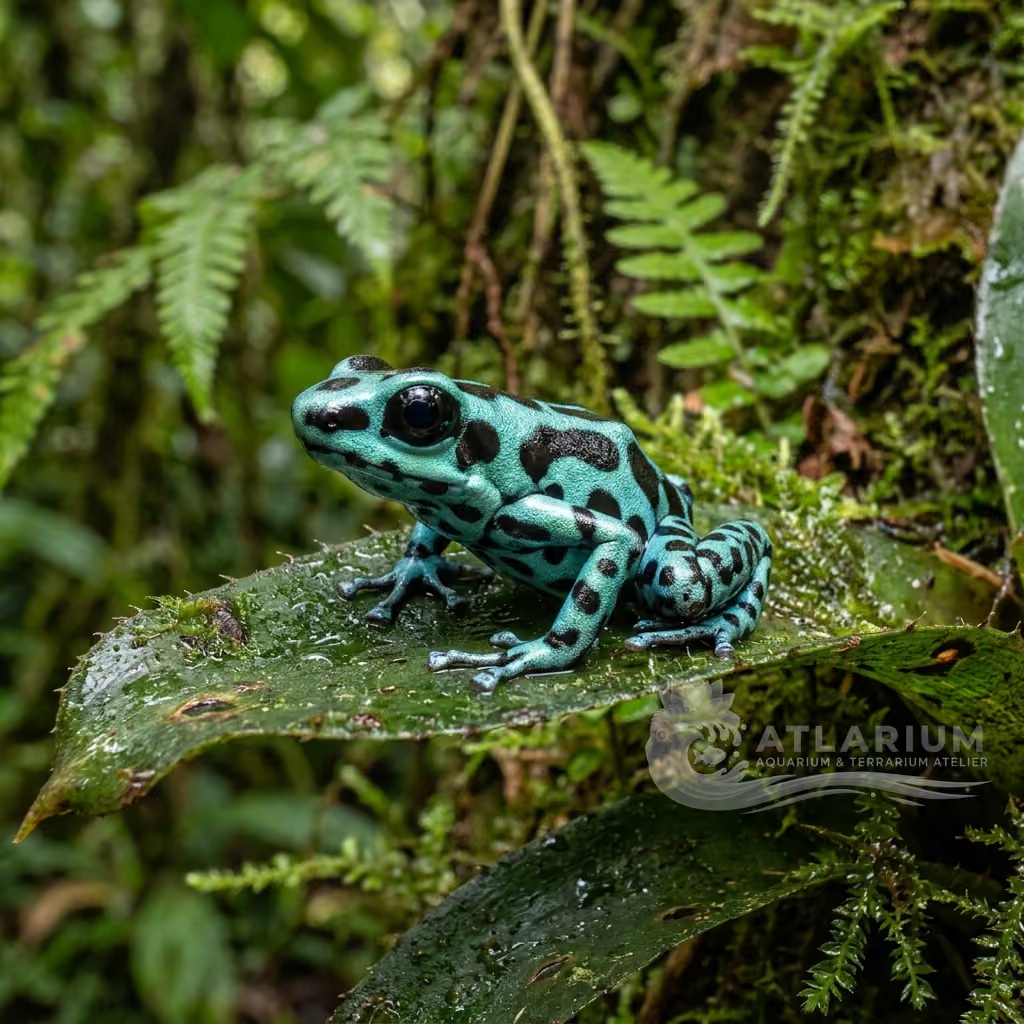
Dyeing Poison Dart Frog
Dendrobates tinctorius
One of the largest and most brilliantly colored poison dart frogs, native to the Guiana Shield. Active, diurnal, and perfect for well-planted bio-active vivariums.
Environment
Terrestrial
Humidity
75 - 95 %
Day temperature
22 - 26 °C
Night temperature
18 - 21 °C
Ambient temperature
24 °C
Minimum enclosure
>= 50 L
UVB
Ferguson 1-2
UVI
0 - 1 UVI

Species description
Geographical Origin and Habitat: Widely distributed in the eastern part of the Guiana Shield, encompassing Suriname, French Guiana, northern Brazil, and Guyana. It inhabits the humid floor of primary tropical rainforests, microhabitats characterized by leaf litter, fallen logs, exposed roots, and moss-covered stones. They are terrestrial, rarely climbing more than two meters above the ground.
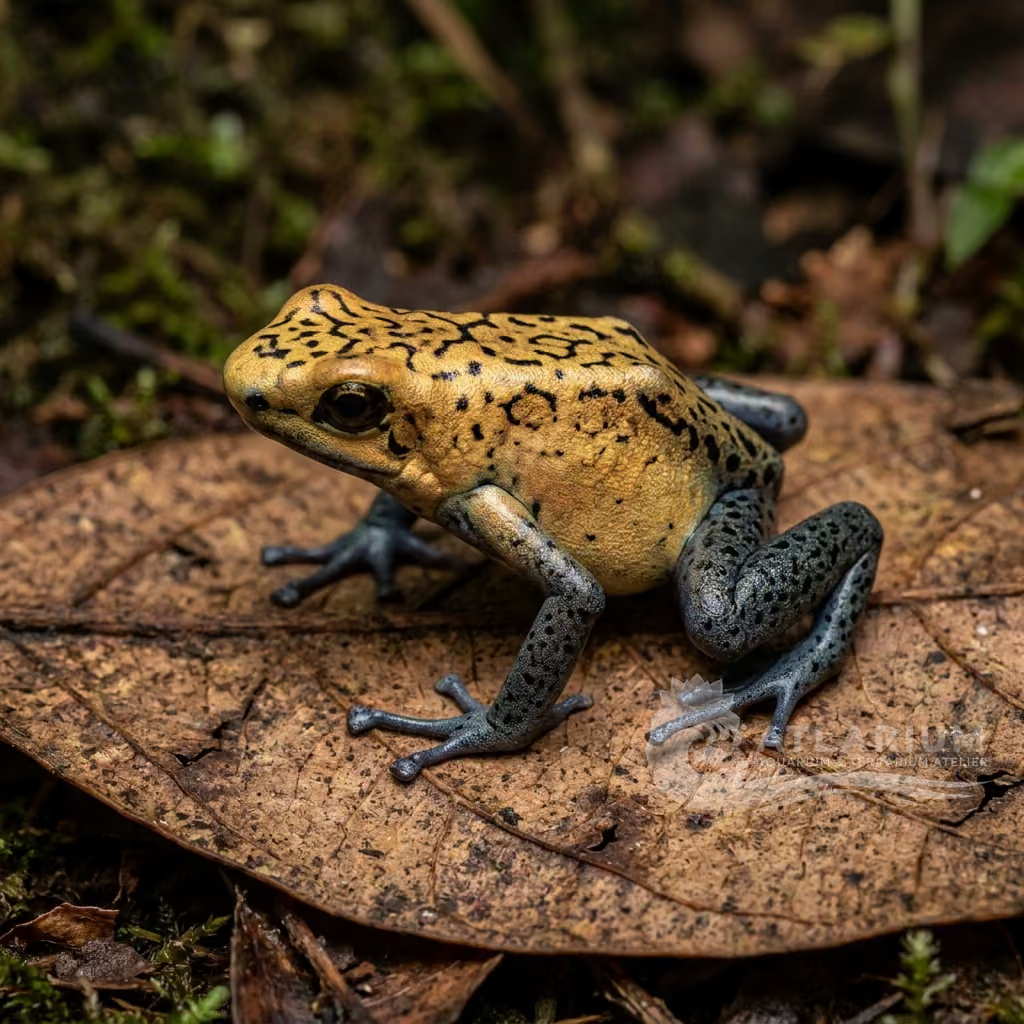
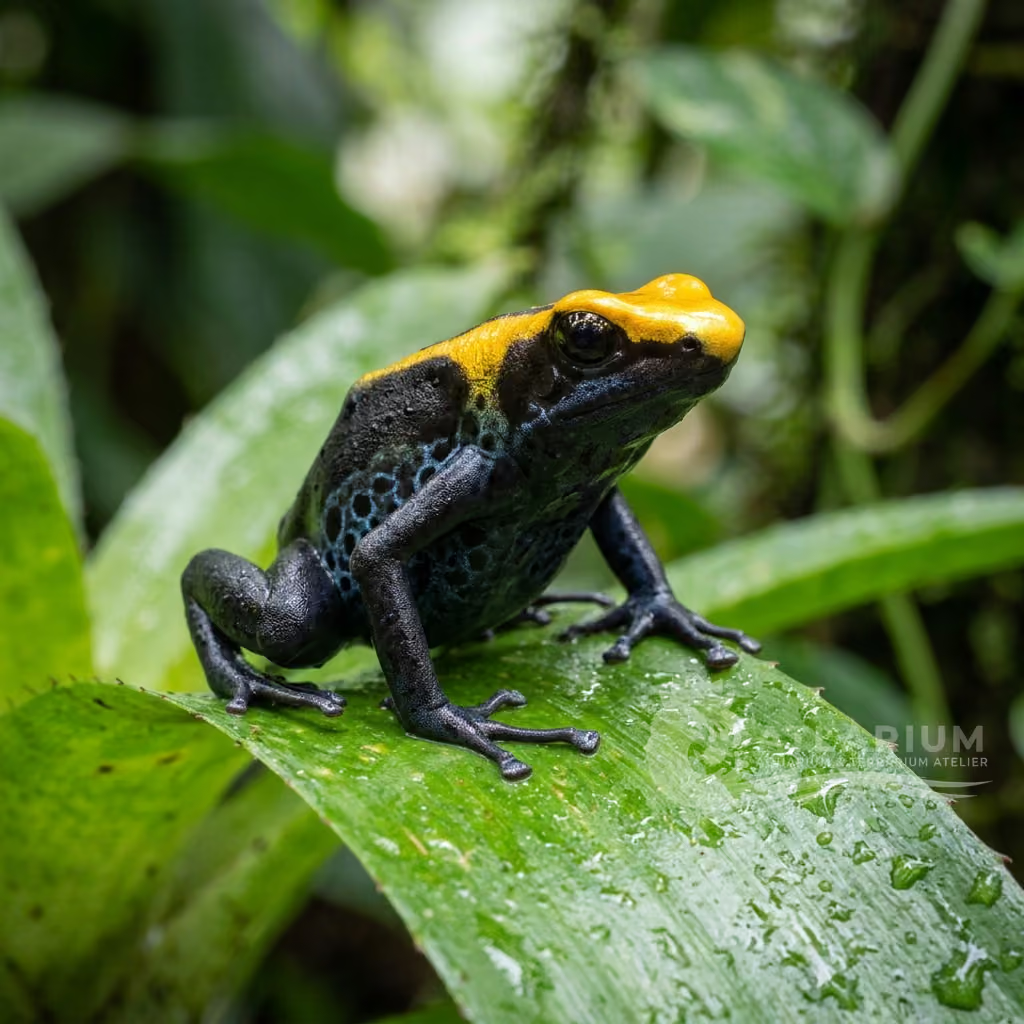
Taxonomy and Genetics: Belongs to the class Amphibia, order Anura, family Dendrobatidae, and genus Dendrobates. Described by Cuvier in 1797. It is highly polymorphic, with dozens of distinct localized populations displaying unique color patterns (known as morphs, e.g., 'Azureus', 'Alanis', 'Patricia', 'Citronella'). Captive breeding must maintain clean bloodlines to avoid mixing morphs.
Behavior and Habits: Diurnal, bold, and highly active. Unlike many other amphibians, they are not particularly shy and spend their day foraging for tiny insects. Both sexes, but especially females, display territorial behavior and will engage in physical wrestling matches to defend territory or secure mates.
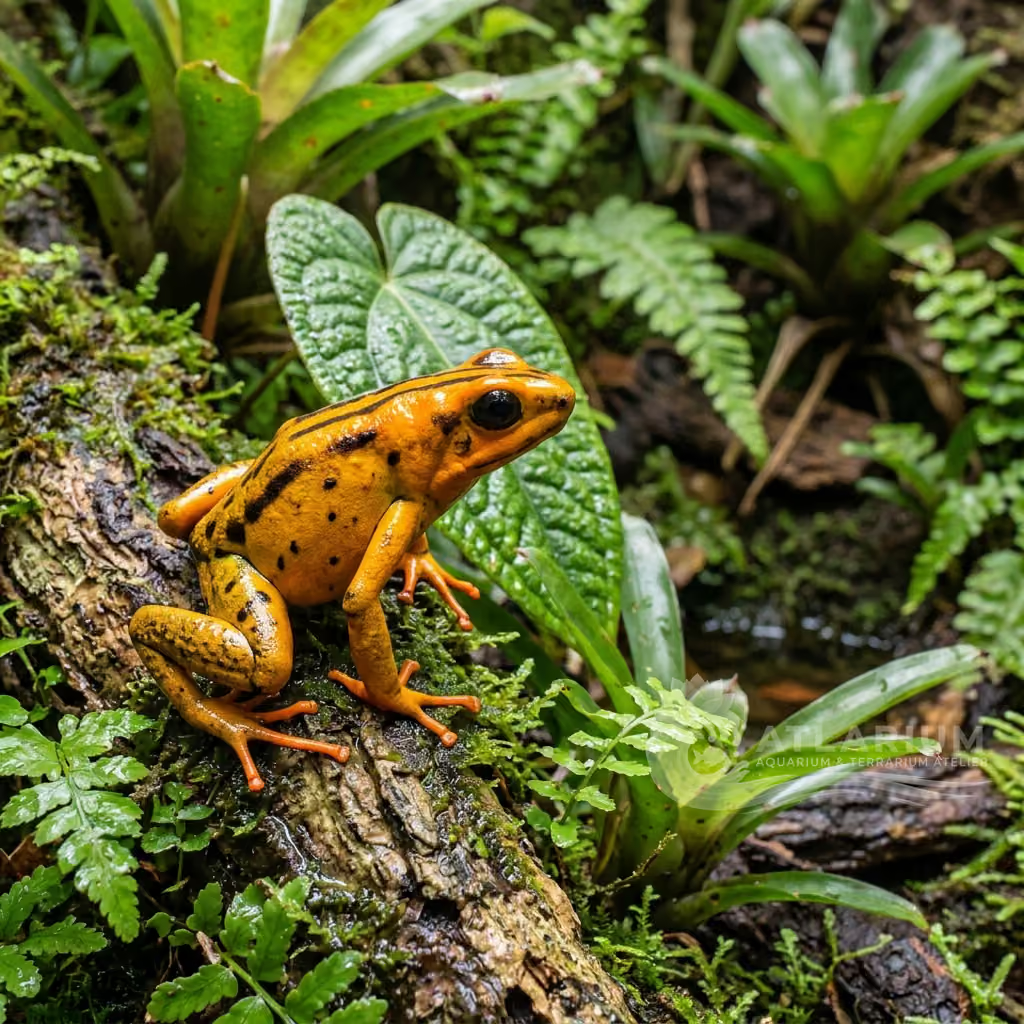
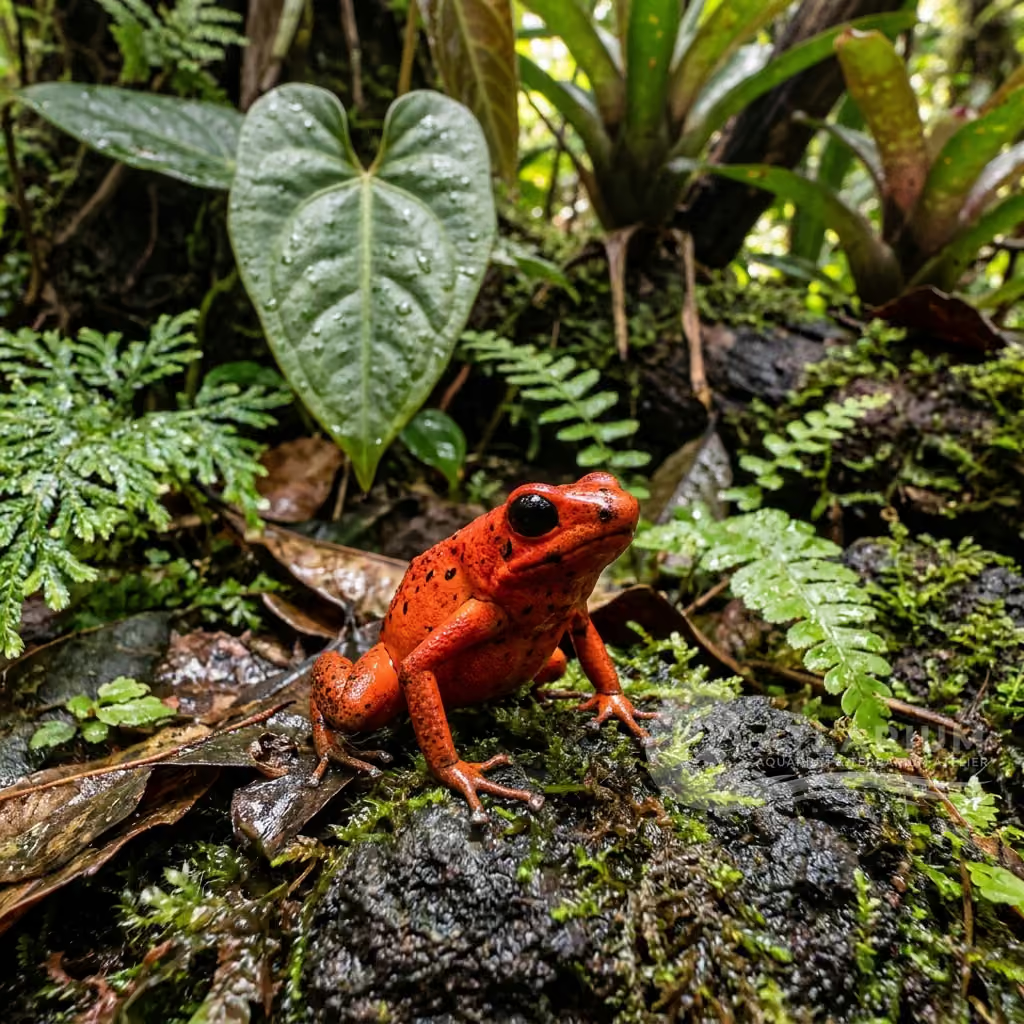
Morphology: One of the largest poison dart frog species, with adult females reaching sizes of 4.5 to over 6 cm (1.8-2.4 inches). The skin is smooth and secretes toxic alkaloids in the wild (which are lost in captivity due to diet changes). Coloration varies by morph, showcasing brilliant combinations of blue, yellow, black, and white in stripes or spots.

Care, breeding and tankmates
Terrarium Setup: A horizontally oriented or cubic enclosure is preferred. A minimum size of 60x45x45 cm (24x18x18 inches) is recommended for a pair. A bio-active setup with a drainage layer, moist tropical soil covered with leaf litter (oak or magnolia leaves), coconut shell hides, and live plants like Bromeliads, Pothos, and ferns is ideal.
Lighting and Heating: Being forest floor dwellers, they do not tolerate high heat. The ideal temperature range is 22-26°C (71-79°F) during the day, dropping to 18-20°C (64-68°F) at night. Temperatures exceeding 28°C (82°F) can be fatal. Moderate LED lighting for plant growth is sufficient; low-level UVB (2.0) is highly recommended.
Humidity and Hydration: Humidity must be kept high, ideally between 80% and 95%. Mist the enclosure 2-3 times daily with reverse osmosis or dechlorinated water. The substrate should be moist but never soggy or waterlogged, as poor drainage causes foot rot. These frogs do not swim and can drown in deep water.
Feeding and Supplementation: Feeds on live micro-insects. The staple diet in captivity consists of flightless fruit flies (Drosophila melanogaster and D. hydei), springtails, isopods, and pea aphids. Dust all feeder insects at every feeding with a high-quality calcium and multivitamin supplement, including Vitamin A.
Compatibility: Best kept in established male-female pairs. Avoid keeping multiple females together as they are aggressive and will stress each other. Never mix different morphs or other dart frog species in the same enclosure to prevent hybridization and stress-induced health issues.
Health and Common Diseases: Highly vulnerable to dehydration and heat stress. Poor sanitation can lead to bacterial or fungal skin infections (such as chytrid fungus). Short Tongue Syndrome, caused by vitamin A deficiency, prevents them from catching food. Ensure supplements are fresh and stored properly.

Geographic origin and distribution
Widely distributed in the eastern part of the Guiana Shield, encompassing Suriname, French Guiana, northern Brazil, and Guyana. It inhabits the humid floor of primary tropical rainforests, microhabitats characterized by leaf litter, fallen logs, exposed roots, and moss-covered stones. They are terrestrial, rarely climbing more than two meters above the ground.
Origin
Selective breeding and cultivarsAmazon, Orinoco, and Guianas

Amphibian profile
- Diet
- Insectivore
- Exclusively insectivorous, feeding on micro-invertebrates such as fruit flies, springtails, isopods, and pinhead crickets. Due to their fast metabolism, they require daily feeding and a constant supply of microfauna in their enclosure. All feeder insects must be dusted regularly with high-quality vitamin and calcium supplements containing vitamin A.
- Life expectancy
- 10-15 years
- Adult size
- 5 cm
- Lifestyle/Microhabitat
- Terrestrial
- Primarily terrestrial but surprisingly agile climbers, inhabiting the leaf litter and lower vegetation of the Amazon rainforest. They require a densely planted bioactive terrarium with a thick layer of leaf litter, high humidity (80-100%), and temperatures between 21-26°C (70-79°F). Proper ventilation and a drainage layer are crucial to prevent the substrate from becoming waterlogged.
- Activity cycle
- Diurnal
- Strictly diurnal, waking up with the morning light to hunt and engage in social behaviors. They are constantly on the move during the day, patrolling their territory and searching for small insects among the leaf litter. Activity levels decrease noticeably as evening approaches, at which point they retreat to a secure hiding spot to sleep.
- Sociality
- Solitary
- Highly active, diurnal frogs that spend their days boldly foraging for food and exploring their environment. They rely on their striking aposematic coloration to warn predators of their toxicity, though captive-bred individuals lack these toxins. Males can be territorial and will wrestle each other to establish dominance, so keeping them in pairs or female-heavy groups is recommended.
- Reproduction
- Oviparous
- Males call to attract females, who lay small clutches of 4-10 eggs on smooth leaves or in petri dishes under half-coconut hides. Once the eggs hatch into tadpoles, the male transports them on his back to small water bodies, such as bromeliad axils or small cups. The tadpoles are omnivorous and require regular feeding and water changes until metamorphosis.
- Toxicity
- Harmless
- In the wild, Dyeing poison dart frogs accumulate potent alkaloid toxins in their skin glands derived from their diet of specialized ants and mites. These toxins serve as an incredibly effective defense mechanism against predators, advertised by their brilliant, high-contrast coloration. Interestingly, specimens bred in captivity lack access to these specific dietary precursors and are therefore completely non-toxic. Regardless, handling should still be minimized to protect their delicate, permeable skin from human oils.
- Life stage
- Metamorphosis
- The frogs begin as gelatinous eggs that quickly develop into fully aquatic, herbivorous and detritivorous tadpoles. These tadpoles remain in their small water pools, growing legs and reabsorbing their tails over the course of about two months. Upon completing metamorphosis, the froglets emerge onto land as exact, albeit tiny, replicas of the adults. They will then spend several months voraciously hunting tiny insects until they reach their full mature size.
- Handling tolerance
- Display only
- While captive-bred specimens are completely non-toxic (as they lack their wild alkaloid-rich diet of specific ants and mites), they are strictly display-only. Their skin is incredibly fragile, and human salts, oils, and soaps will rapidly cause systemic poisoning and death.
- Brumation
- Hailing from the constant tropical climate of the Guiana Shield in South America, they do not undergo brumation. They require stable, warm conditions year-round, typically kept at 22-26°C (72-78°F) with no seasonal fluctuation.
- Molting
- Periodic
- Dart frogs shed their skin almost daily as they grow rapidly. This process happens in the blink of an eye; the frog stretches, wipes the transparent skin off over its head with its front legs, and eats it. An ambient humidity of 80-100% is absolutely required for this micro-shedding to occur safely.

Related species
Recommendations grouped by close relatives, companion choices, and similar care.