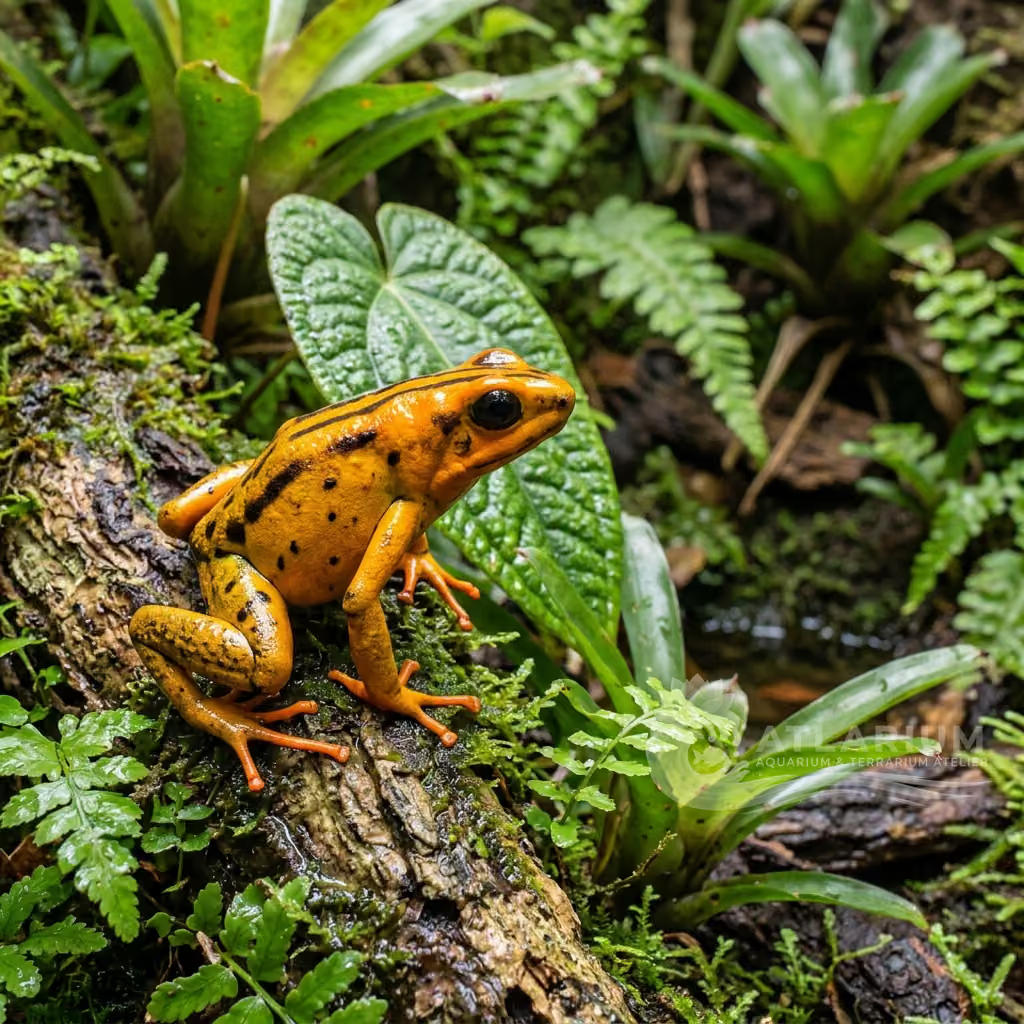
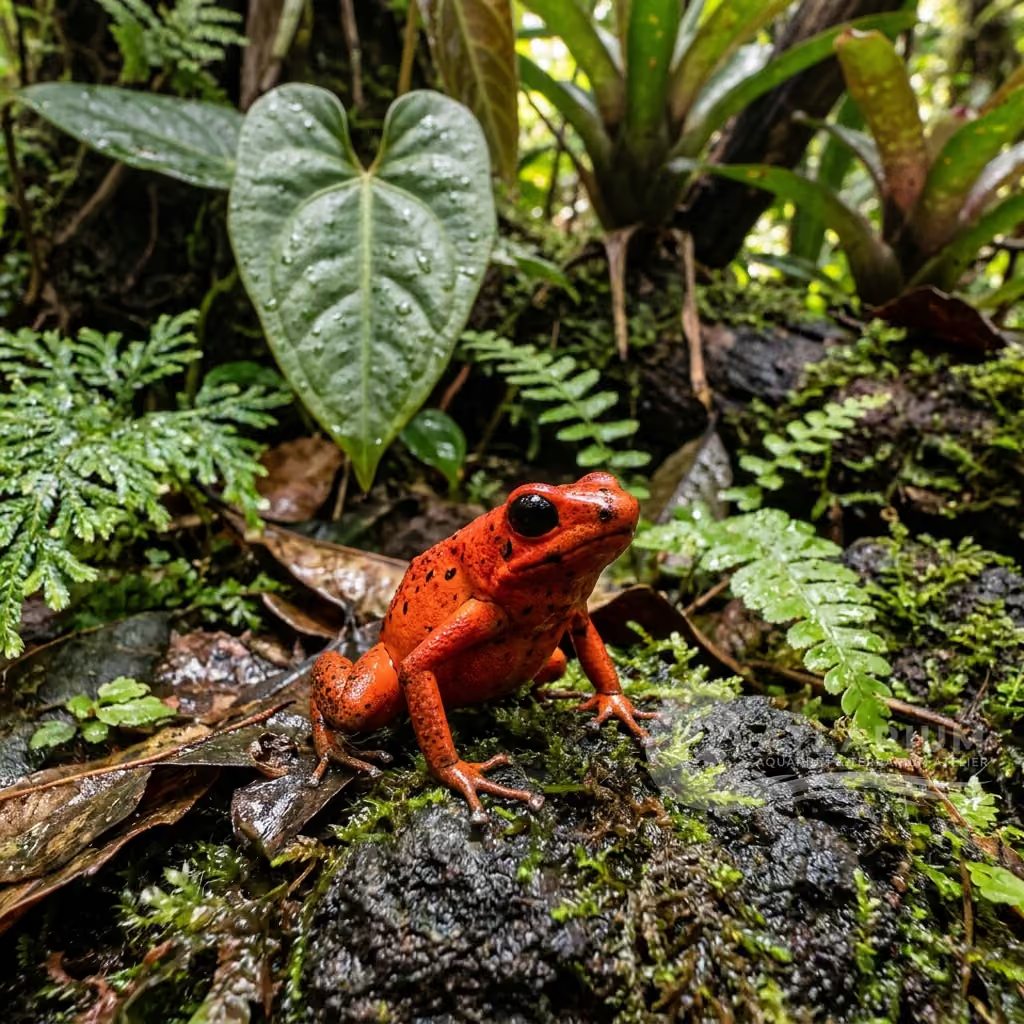
Golden Poison Dart Frog
Phyllobates terribilis
The golden poison frog is the most toxic vertebrate in the wild, but in captivity, lacking its wild diet, it is completely non-toxic and harmless. Visually bold and active, it is a terrestrial giant that requires large bioactive terrariums, high humidity, and consistent calcium and vitamin supplementation.
Environment
Terrestrial
Humidity
80 - 100 %
Day temperature
21 - 24 °C
Night temperature
18 - 20 °C
Ambient temperature
24 °C
Minimum enclosure
>= 50 L
UVB
Ferguson 2
UVI
0.7 - 1 UVI

Species description
Geographical Origin and Habitat: Critically endangered and restricted to a tiny area of pristine lowland rainforest on the Pacific coast of Colombia. They are terrestrial frogs that spend their time foraging in the thick leaf litter of the wet forest floor.
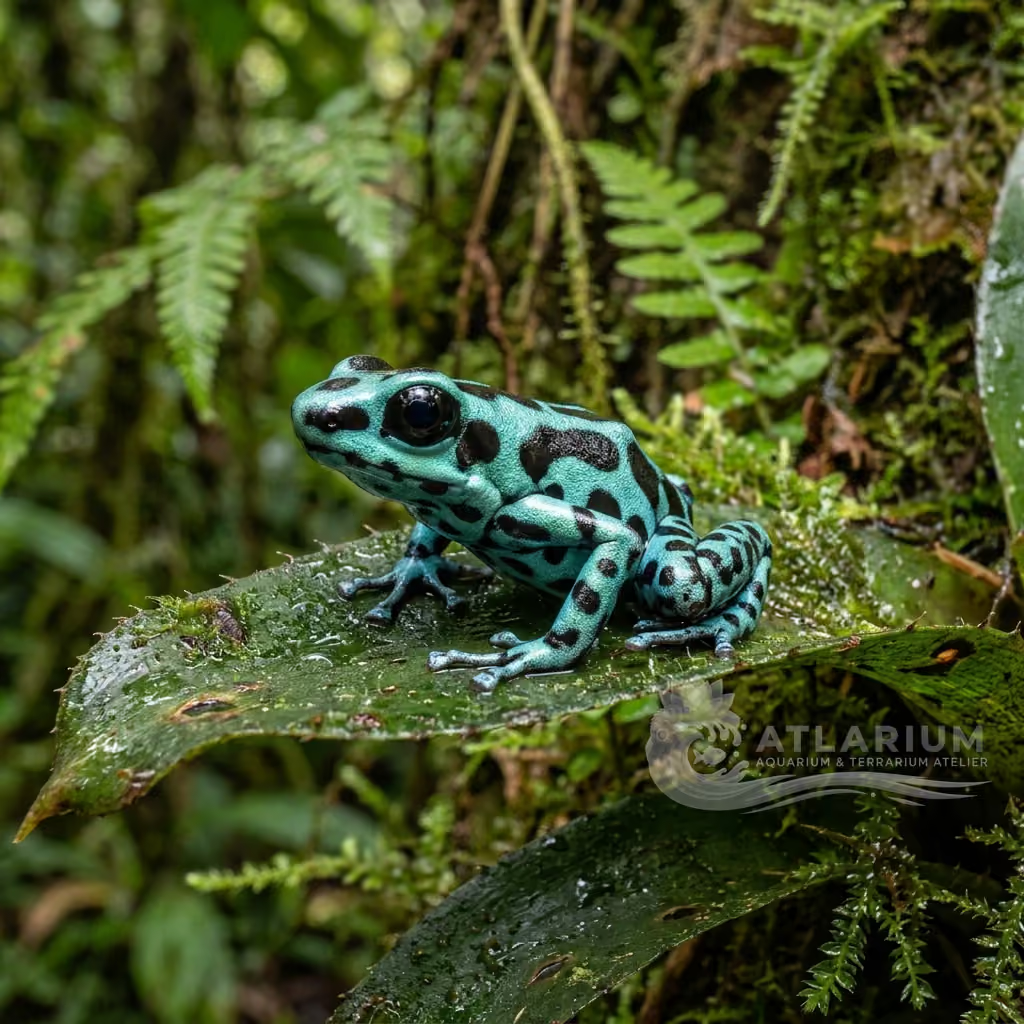
Taxonomy and Genetics: Belonging to the family Dendrobatidae, Phyllobates terribilis has three main color morphs in the hobby: golden-yellow, mint-green, and orange. In the wild, they sequester lethal batrachotoxins from their diet, but captive-bred specimens are completely non-toxic and harmless.
Behavior and Habits: Bold, diurnal, and active. Because they have no natural predators due to their wild toxicity, they exhibit zero fear and remain highly visible. Unlike other dart frogs, they are highly social and thrive when housed in groups.
Morphology: The largest of the poison dart frogs, reaching up to 5.5 cm. They have robust bodies with broad toe pads. Females are slightly larger and wider, while mature males are slightly smaller and can be identified by their vocal sacs and distinct trilling calls.

Care, breeding and tankmates
Terrarium Setup: Requires a large horizontal bioactive enclosure (minimum 90x45x45 cm for a small group). Provide a thick layer of magnolia or oak leaf litter. A well-drained substrate with active cleanup crews (springtails and isopods) is essential to prevent soil saturation and foot rot.
Lighting and Heating: Maintain temperatures between 22 and 26°C. Temperatures above 28°C are extremely dangerous and can cause fatal heat stress. Provide low-intensity UVB lighting.
Humidity and Hydration: Maintain relative humidity between 80% and 100% with daily misting of RO water. Front cross-ventilation is mandatory to prevent stagnant air and respiratory infections.
Feeding and Supplementation: Voracious insectivores. Feed on flightless fruit flies (Drosophila hydei), small crickets (5-7 mm), and springtails. Dust all prey items with high-quality calcium, vitamin D3, and vitamin A at every feeding to prevent Metabolic Bone Disease.
Compatibility: Highly social and peaceful. Can be safely housed in small groups or communities. Do not house with other species of amphibians to avoid stress and disease transmission.
Health and Common Diseases: Never handle with bare hands; human skin oils and soap residues can burn their skin and cause respiratory distress. Prevent foot rot by maintaining clean, well-drained substrate.

Geographic origin and distribution
Critically endangered and restricted to a tiny area of pristine lowland rainforest on the Pacific coast of Colombia. They are terrestrial frogs that spend their time foraging in the thick leaf litter of the wet forest floor.
Origin
Selective breeding and cultivarsExtra-Amazon South America

Amphibian profile
- Diet
- Insectivore
- In the wild, Golden Poison Dart Frogs consume a massive amount of small, alkaloid-rich insects such as toxic ants, beetles, and termites. In captivity, their diet shifts to easily cultured non-toxic insects, specifically flightless fruit flies, bean beetles, and pinhead crickets. It is vital to heavily supplement their captive diet with high-quality vitamin and calcium powders to maintain their health and bone structure.
- Life expectancy
- 10-20 years
- Adult size
- 5 cm
- Lifestyle/Microhabitat
- Terrestrial
- The most toxic vertebrate in the wild, though completely harmless in captivity. As a highly adapted terrestrial species, the Phyllobates Terribilis utilizes its environment to the fullest. This lifestyle requires a terrarium setup that mimics such conditions, focusing on floor space and hiding spots. Proper enrichment should be provided to allow for natural behaviors.
- Activity cycle
- Diurnal
- The Phyllobates Terribilis is predominantly diurnal in its natural habitat. It typically exhibits its highest levels of activity during the day, emerging to forage for food and explore its surroundings while resting during the alternating periods to conserve energy and avoid predators.
- Sociality
- Gregarious
- These frogs are bold, diurnal, and entirely terrestrial, spending their days actively hunting and foraging in the dense leaf litter. Unlike many other small frogs, they are not prone to hiding and will confidently sit out in the open, relying entirely on their bright warning colors. They are highly social and can be successfully kept in small groups if provided with adequate space and visual barriers.
- Reproduction
- Oviparous
- Males attract females with a loud, trilling call that echoes through the rainforest floor. After a complex courtship, the female lays a small clutch of eggs on a smooth leaf, which the male then guards and keeps moist. Once the eggs hatch, the devoted male carries the tadpoles on his back to a small pool of water, where they will fully develop.
- Toxicity
- Harmless
- Phyllobates terribilis is famous for being the most toxic vertebrate in the world, carrying enough batrachotoxin in its skin to kill several adult humans. This incredible toxicity is entirely diet-derived, meaning captive-bred individuals fed a standard terrarium diet are completely harmless. However, wild-caught specimens can retain their deadly skin toxins for years, making them exceedingly dangerous.
- Life stage
- Metamorphosis
- They begin life as completely aquatic tadpoles that feed on detritus and algae within small water bodies. After completing metamorphosis in about two months, the tiny froglets emerge onto land and begin consuming micro-insects. It takes approximately one year for them to reach their impressive adult size and full, vibrant golden coloration.
- Handling tolerance
- Display only
- When it comes to interactions, the Phyllobates Terribilis is generally considered display only. It is best kept as a display animal to avoid causing stress or potential injury.
- Brumation
- Regarding seasonal cycles, brumation is no for the Phyllobates Terribilis. It does not require a brumation period and should be maintained at consistent optimal temperatures year-round to ensure proper digestion and health.
- Molting
- Periodic
- The Phyllobates Terribilis requires high humidity conditions for a successful molt. Adequate moisture is critical; providing a humid hide and regular misting ensures the shedding process goes smoothly without stuck sheds.

Related species
Recommendations grouped by close relatives, companion choices, and similar care.