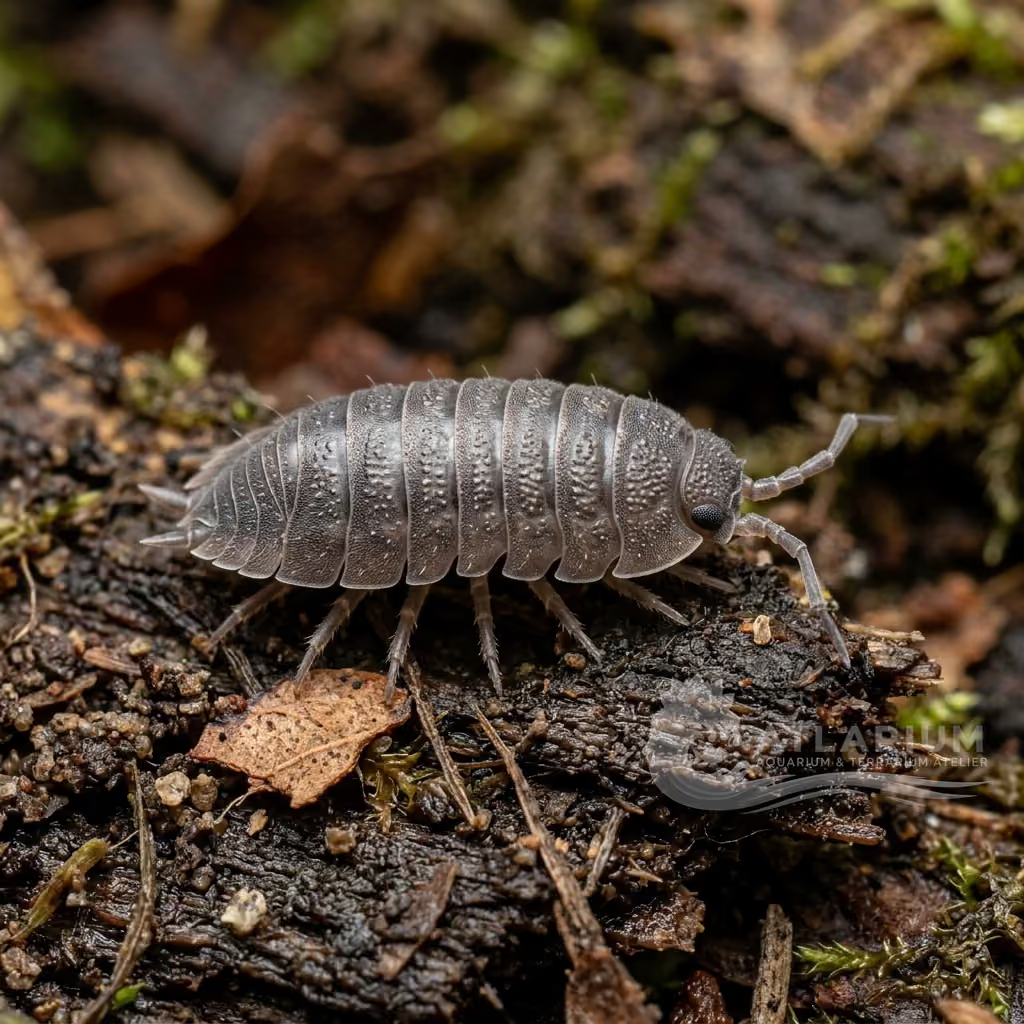
Depressed Pillbug (A. depressum)
Armadillidium depressum
The Depressed Isopod (Armadillidium depressum). A massive (up to 0.8 inches) and very particular 'pillbug' known throughout the northern world. The name does not derive from mood, but from its unique shape: unlike the perfect balls of the vulgare, the edges of the armor (epimera) are 'flattened' ('depressed') flaring outwards like the skirt of a flared medieval helmet. It is therefore incapable of closing into a perfect sphere. Rustic, massive cast-iron gray and very slow climber.
Environment
Terrestrial
Humidity
50 - 70 %
Day temperature
21 - 26 °C
Night temperature
18 - 22 °C

Species description
Geographical Origin and Habitat: Cold and humid cosmopolitan: Ancient mossy dry stone walls (famous in the old ruins of south-west England), rotten European woodpiles and damp limestone cliffs.
Taxonomy and Genetics: Family Armadillidiidae. (The Fake Flared Conglobator). Similar to the Nasatum due to the inability to make perfect hermetic balls, it differs due to the absence of the 'nose' (scutellum) and the lateral edges extended outwards (flared edges) that give it a much more flattened silhouette compared to the convex dome of the other Armadillidium.
Behavior and Habits: Slow northern steamrollers. Incredibly slow. Depressum spend most of their time motionless on damp vertical surfaces of limestone rock (Excellent nocturnal climbers of ancient walls). If attacked, they try to close into a very elongated ball, leaving a large uncovered slit (C shape conglobation) that English spiders habitually exploit.
Morphology: Flattened in the center (Depressed) and massive (Up to 0.8 inches / 2 cm). The armor is of a very elegant pale ferrous gray or dense gunmetal (Lead gray), and the extreme lower edges open in the shape of a flared miniskirt, protecting the legs. Often the females possess a back mottled with opalescent mud spots (Mottled brown morph).

Care, breeding and tankmates
Terrarium Setup: STANDARD BINS OR MIXED/FRENCH BIOACTIVE TERRARIUMS. Resistant and unstoppable species. Deep peat combined with lots of limestone rock (stones, calcareous masonry) and a colossal mass of chopped dried leaves and moss. They appreciate vertical branches to climb in the dark of the night.
Lighting and Heating: ABSENCE OF DIRECT LIGHT. They survive everything and tolerate abyssal colds (English animals accustomed to the damp frost of the walls): 59-75°F (15-24°C). They collapse from starvation and heat if subjected to constant temperatures above 79°F asphyxiating summer or Spanish heat.
Humidity and Hydration: DAMP-RAINY GRADIENT (60-85%). They love water and dripping moss. They infest greenhouses and do not suffer if you vaporize the environment (while ensuring the correct outflow of stagnant air from the lateral holes of the terrarium). Half the box must be a vital mossy swamp to hide and hatch the babies (mancae), the other half crispy dry leaves.
Feeding and Supplementation: Burrowing Herbivorous Detritivores. They grind all the rotten and soggy white wood you provide them (fundamental for acid microbiome). They consume tons of ferns, damp English rotten leaves, slices of zucchini and rotting potato. Very few protein needs and great need for free-range exogenous calcium (limestone from stone or crushed cuttlefish).
Compatibility: Excellent Protected Northern Cleaning Crew. Very useful in massive terrariums of European saurians, salamanders (they adore them as cleaners) or toads that need strong seasonal thermal changes and very penetrating humidity, where the classic Spanish giants would rot asphyxiated.
Health and Common Diseases: Unstoppable Slowed Decay (Silent 'Death Collapse' from heat). If you forget them at 86°F (30°C) in the attic in closed dry boxes without wet moss: you will find them rolled up halfway (imperfect C), with their viscera exploded and evaporated due to the lethal thermal/arid shock.

Geographic origin and distribution
Cold and humid cosmopolitan: Ancient mossy dry stone walls (famous in the old ruins of south-west England), rotten European woodpiles and damp limestone cliffs.
Origin
Selective breeding and cultivarsEurope, Mediterranean, and West AsiaCosmopolitan or introduced

Terrestrial invertebrate profile
- Diet
- Detritivore
- This species thrives on a varied diet rich in decaying organic matter. They primarily consume high-quality leaf litter and soft rotting wood. Supplemental calcium and occasional vegetable scraps are essential for maintaining proper health and a strong exoskeleton.
- Adult size
- 2 cm
- Lifestyle/Microhabitat
- Terrestrial
- They are robust terrestrial invertebrates that thrive in a well-maintained terrarium environment. A distinct moisture gradient is crucial to prevent both fatal dehydration and harmful fungal infections. They spend the vast majority of their time navigating the complex microhabitats of the damp forest floor.
- Activity cycle
- Nocturnal
- This species is primarily active during the night and the dimmer crepuscular hours. They typically remain hidden during the peak daylight hours to conserve vital moisture and avoid predators. Providing a natural day-night light cycle helps regulate their natural foraging and resting behaviors.
- Sociality
- Gregarious
- They are social creatures that fare very well in colonies. They interact peacefully and naturally cluster together, especially in preferred hiding spots under bark or within the substrate.
- Reproduction
- Marsupial
- Reproduction occurs consistently throughout the year when kept under optimal terrarium conditions. Females incubate their developing eggs within a specialized ventral brood pouch known as a marsupium. The young emerge as fully formed miniatures and require stable moisture to survive their initial delicate molts.
- Venomous
- No
- Handling tolerance
- Tolerant
- Handling should be kept to an absolute minimum to avoid causing unnecessary stress. Their incredibly delicate bodies and limbs can be easily injured by improper or forceful grasping. If relocation is absolutely necessary, gently move them by scooping up the bark or leaf they are resting on.
- Brumation
- Not required
- They generally do not require any brumation period when kept in a controlled captive environment. Maintaining stable and appropriately warm temperatures ensures continuous year-round activity and breeding success. It is important to avoid extreme cold to prevent potential and sudden colony crashes.
- Molting
- Periodic
- Molting occurs in two very distinct phases to allow the isopod continuous mobility during the process. Adequate environmental humidity is absolutely essential for them to successfully shed their old exoskeleton without complications. They will usually consume their freshly shed skin in order to rapidly reclaim lost calcium.

Related species
Recommendations grouped by close relatives, companion choices, and similar care.