Splash-backed poison frog Moonshine
Adelphobates galactonotus
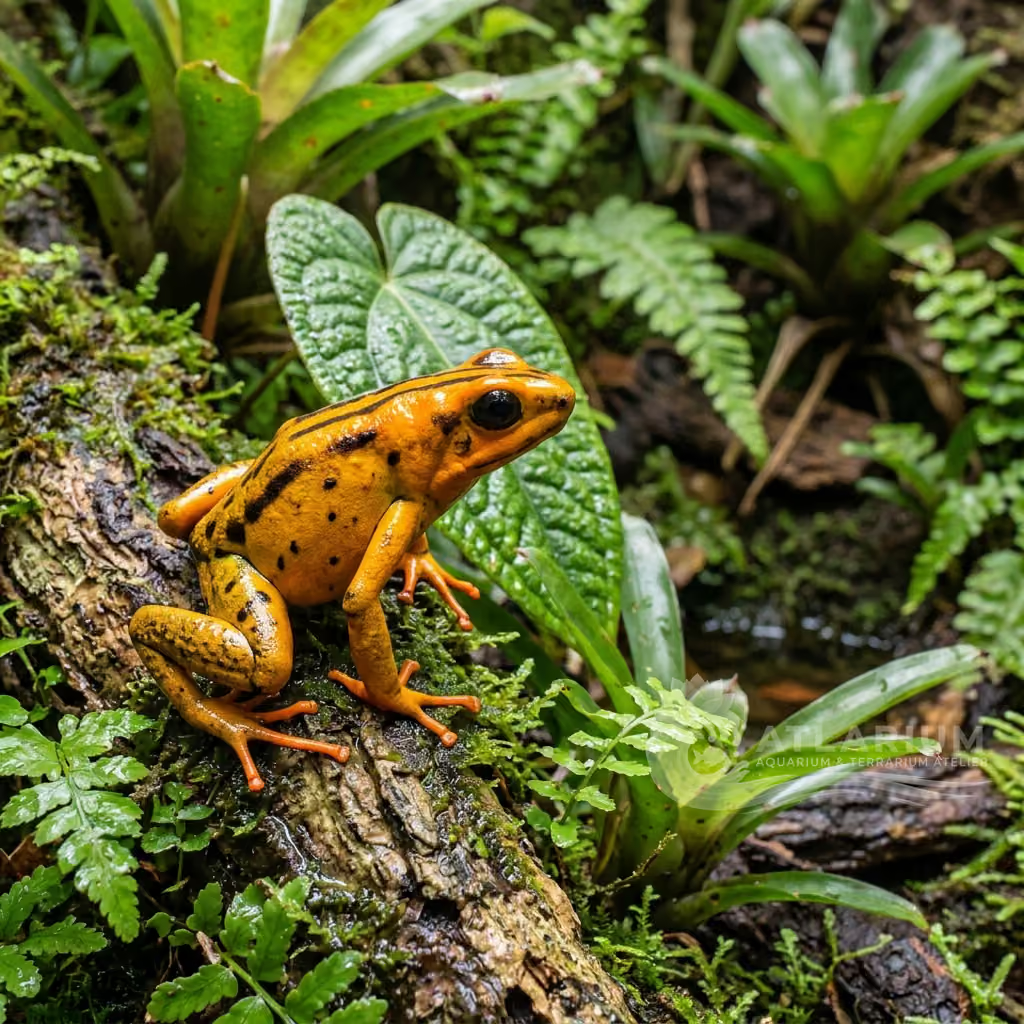
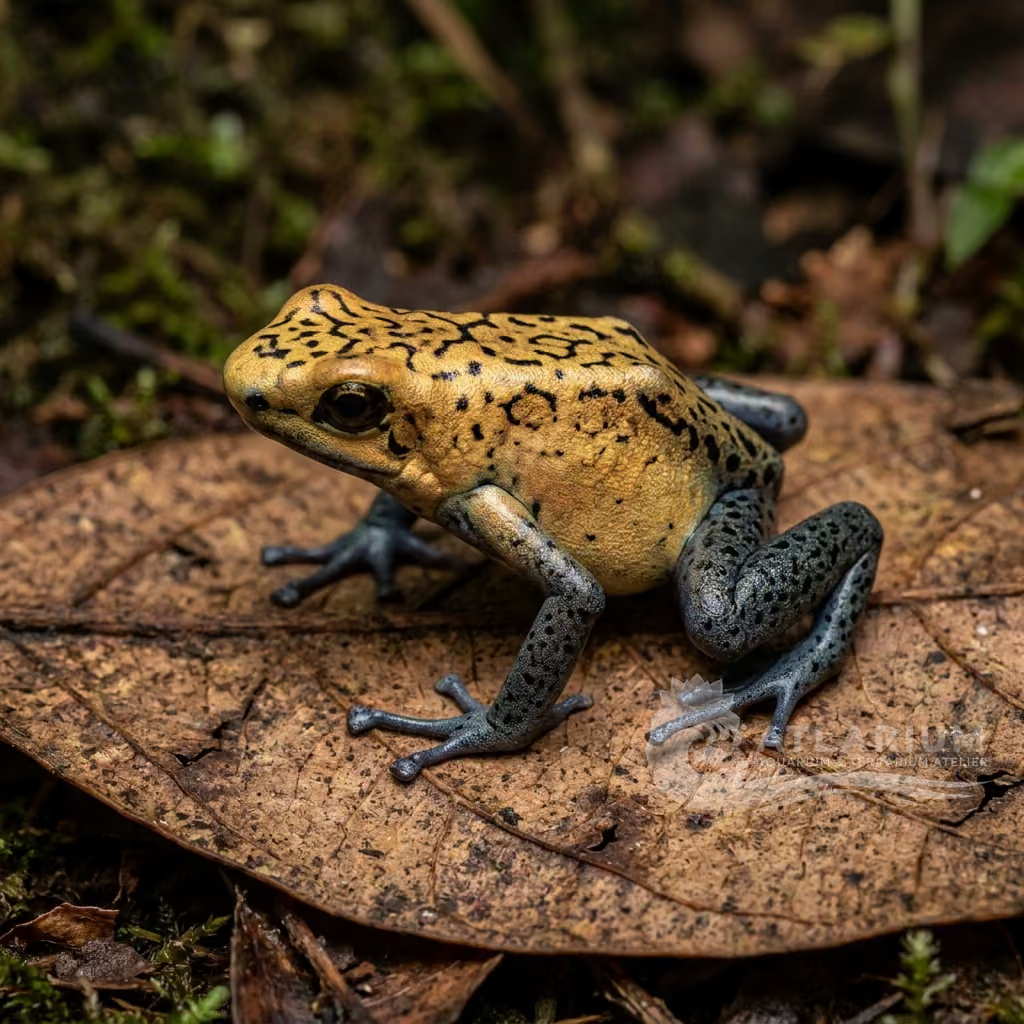
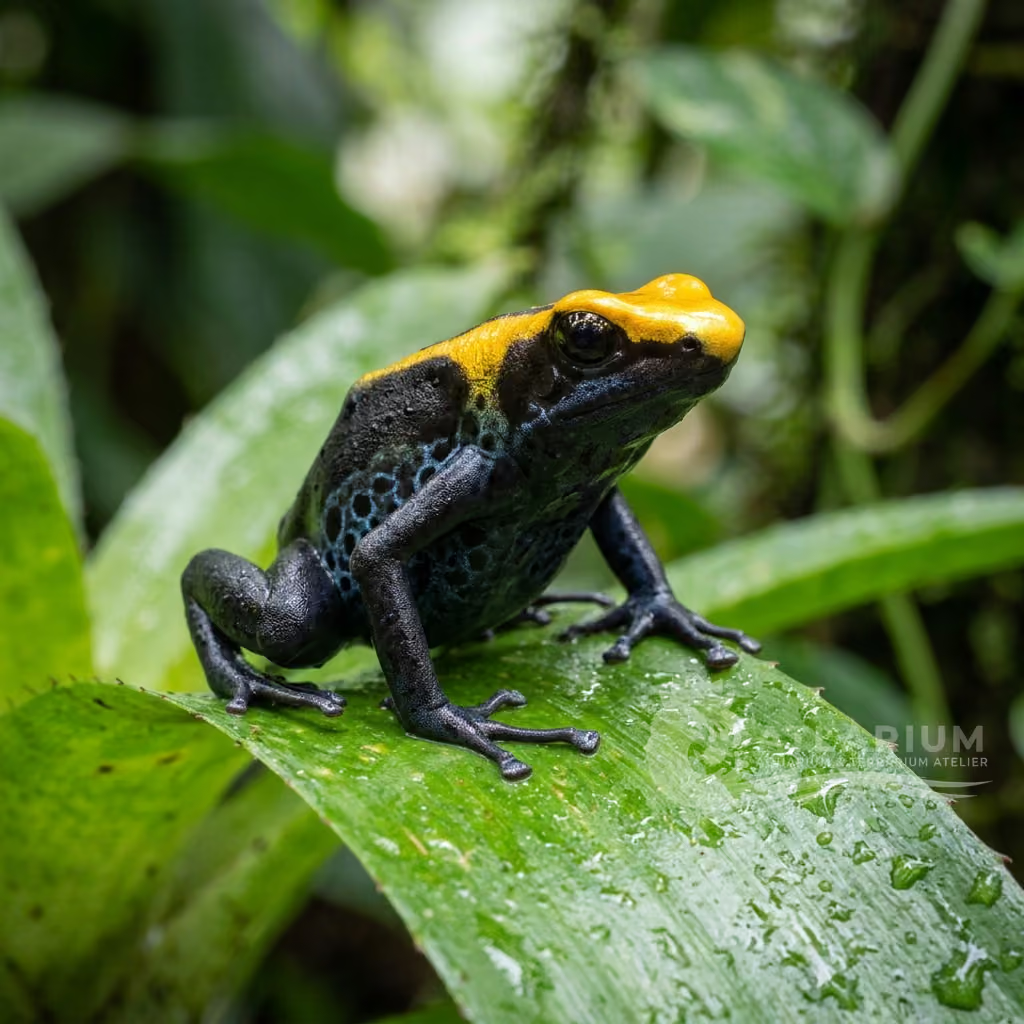
A rare and deeply captivating color morph featuring a glowing silver-white dorsal back that beautifully contrasts with its solid jet-black sides.
Environment
Terrestrial
Humidity
70 - 100 %
Day temperature
20 - 26 °C
Night temperature
18 - 21 °C

Species description
Geographical Origin and Habitat: Adelphobates galactonotus is native to the southern Amazon basin in Brazil, specifically found in the states of Pará, Maranhão, and Tocantins. It inhabits warm, humid lowland tropical rainforests, spending most of its time on the forest floor among dry leaf litter and decaying wood. The 'Moonshine' color morph is a captive-bred mutation that has been selectively isolated, characterized by a genetic reduction of warm yellow/red pigments.
Taxonomy and Genetics: Belonging to the family Dendrobatidae and the genus Adelphobates. Previously classified under the genus Dendrobates, the species galactonotus was moved to Adelphobates in 2006. The 'Moonshine' morph is a recessive genetic mutation that alters carotenoid synthesis, replacing the wild-type's bright yellow, orange, or red dorsal 'splash' with a solid silver-white or translucent cream color.
Behavior and Habits: Diurnal and terrestrial. Compared to some other poison dart frogs, it can be slightly shy initially, spending time hidden beneath dry leaves or inside hollow cork logs. However, it becomes bolder and highly visible once acclimatized to a quiet, densely planted terrarium. Males call with a soft, buzzing sound and show moderate territorial defense during breeding.
Morphology: This is a medium-sized dart frog, with adult specimens reaching lengths of 3.5 to 4.0 cm. It features a robust, slightly flattened body shape. The defining feature of the 'Moonshine' morph is its dorsal coloration: a solid, clean silvery-white or pale cream patch covers the entire back, looking as if it is illuminated by moonlight. This light dorsum contrasts sharply with the jet-black color of its limbs and belly.

Care, breeding and tankmates
Terrarium Setup: Requires a tropical forest terrarium measuring at least 45x45x45 cm for a pair or a small trio. The substrate must consist of a clay ball drainage layer, a separator mesh, and a soil-peat mixture, topped with a thick, clean layer of oak leaf litter and moss. Furnish with cork bark tubes, climbing branches, bromeliads, and broad-leafed plants like Philodendron.
Lighting and Heating: Requires slightly warmer temperatures than other dart frogs, with a daytime range of 24°C to 28°C (75-82°F). At night, the temperature should drop to 21-22°C (70-72°F). A 2.0 or 5.0 UVB linear bulb is recommended for 10-12 hours daily to facilitate vitamin D3 synthesis and calcium metabolism, along with LEDs for live plants.
Humidity and Hydration: Maintain high humidity levels between 80% and 90%. Mist the enclosure twice daily using reverse osmosis (RO) water. Avoid deep water dishes as these frogs cannot swim well. A shallow plastic lid or petri dish filled with a few millimeters of clean water is perfect for hydration, or use water collected in bromeliad axils.
Feeding and Supplementation: Insectivorous. In captivity, feed them flightless fruit flies (Drosophila melanogaster and D. hydei), springtails, pea aphids, and dwarf tropical isopods. Dust all prey items at every feeding with a high-quality calcium, vitamin D3, and vitamin A powder supplement to prevent nutritional deficiencies and bone disorders.
Compatibility: Can be kept in pairs or small groups of 3-4 frogs. Females of this species are generally less aggressive toward each other than D. tinctorius, but close monitoring is still required to detect any bullying. Do not house with other species of frogs or other color morphs of A. galactonotus to prevent cross-hybridization.
Health and Common Diseases: Vulnerable to metabolic bone disease (MBD) due to calcium deficiencies and bacterial skin infections if the substrate becomes soggy and waterlogged. Prevent organic waste buildup and use only chlorine-free water to protect their permeable skin from toxic shock syndrome.

Geographic origin and distribution
Adelphobates galactonotus is native to the southern Amazon basin in Brazil, specifically found in the states of Pará, Maranhão, and Tocantins. It inhabits warm, humid lowland tropical rainforests, spending most of its time on the forest floor among dry leaf litter and decaying wood. The 'Moonshine' color morph is a captive-bred mutation that has been selectively isolated, characterized by a genetic reduction of warm yellow/red pigments.
Origin
Selective breeding and cultivarsAmazon, Orinoco, and GuianasNorth America

Amphibian profile
- Diet
- Insectivore
- Their diet consists of small insects such as fruit flies, springtails, and pinhead crickets. Captive frogs must receive properly gut-loaded and supplemented prey to prevent nutritional deficiencies. Feeding should occur almost daily due to their high metabolism.
- Life expectancy
- 8-10 years
- Adult size
- 4.2 cm
- Lifestyle/Microhabitat
- Terrestrial
- Primarily terrestrial but will climb low vegetation and hardscape. They require a highly humid environment with deep leaf litter to mimic their native Amazonian forest floor. Providing a complex environment with varying moisture gradients is beneficial.
- Activity cycle
- Diurnal
- Diurnal, with peak activity occurring in the morning and late afternoon. They spend their days actively hunting for food and interacting with conspecifics. A regular light cycle helps maintain their natural rhythms.
- Sociality
- Gregarious
- They are generally bold and active, making them great subjects for a planted vivarium. They can be somewhat territorial, so adequate space and visual barriers are important if keeping a group. Their bright coloration serves as a warning to predators in the wild.
- Reproduction
- Oviparous
- Males call from hidden locations to attract females for breeding. Eggs are typically laid on wet leaves or in the axils of plants. The male attends to the eggs and later transports the newly hatched tadpoles to small pools of water to complete their metamorphosis.
- Toxicity
- Harmless
- In their natural habitat, they obtain specific toxic alkaloids from their diet of wild ants, rendering their skin highly poisonous as a natural defense. However, captive-bred "Moonshine" morphs are raised on harmless domestic insects and entirely lack the dietary precursors necessary to synthesize these toxins. Consequently, they are completely non-toxic, harmless to humans, and perfectly safe to handle when necessary procedures are followed.
- Life stage
- Metamorphosis
- The aquatic tadpoles are robust but can be fiercely cannibalistic, requiring individual housing in clean, warm water and a high-protein diet. Metamorphs need a very secure, highly humid environment with a constant supply of micro-insects to fuel their rapid transition to adulthood. Adult frogs are large, heavily built, and display a striking, solid white or pale silver dorsum over black legs, making them visually stunning display animals.
- Handling tolerance
- Display only
- Direct handling with human skin must be completely avoided, as their delicate, semi-permeable skin easily absorbs harmful oils, salts, and chemical residues. Handling induces extreme physiological stress, compromises their protective mucous layer, and significantly increases their susceptibility to fatal bacterial infections. When movement is unavoidable, it must be done using wet, powder-free nitrile gloves or by gently coaxing the frog into a clean transfer cup.
- Brumation
- Not required
- Native to the consistently hot and humid lowland Amazon rainforest, this species lacks the biological ability to brumate and is extremely sensitive to cold. They require a stable, warm tropical environment year-round, with ideal terrarium temperatures strictly maintained between 75°F and 85°F. Exposure to sudden or prolonged temperature drops will quickly cause severe metabolic suppression, illness, and potentially death.
- Molting
- Periodic
- Shedding is a vital biological process that allows for growth and maintains the critical permeability and cleanliness of their skin for proper respiration. The frog will stretch and contort its body to loosen the old skin, using its limbs to push it forward before completely ingesting it to recycle nutrients. A consistently high level of ambient humidity in the terrarium is absolutely essential to ensure the skin sheds cleanly and safely without adhering to the frog.

Related species
Recommendations grouped by close relatives, companion choices, and similar care.