Horned pit viper
Protobothrops cornutus
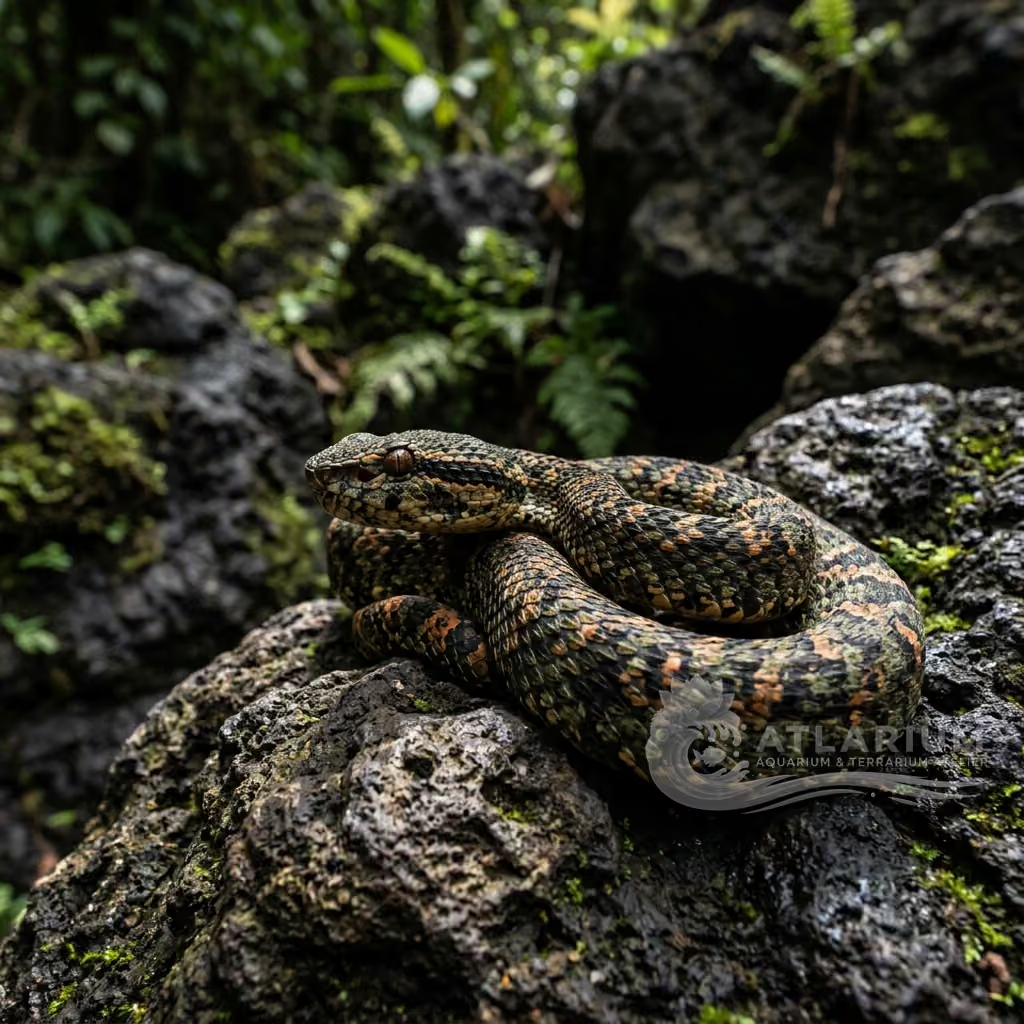
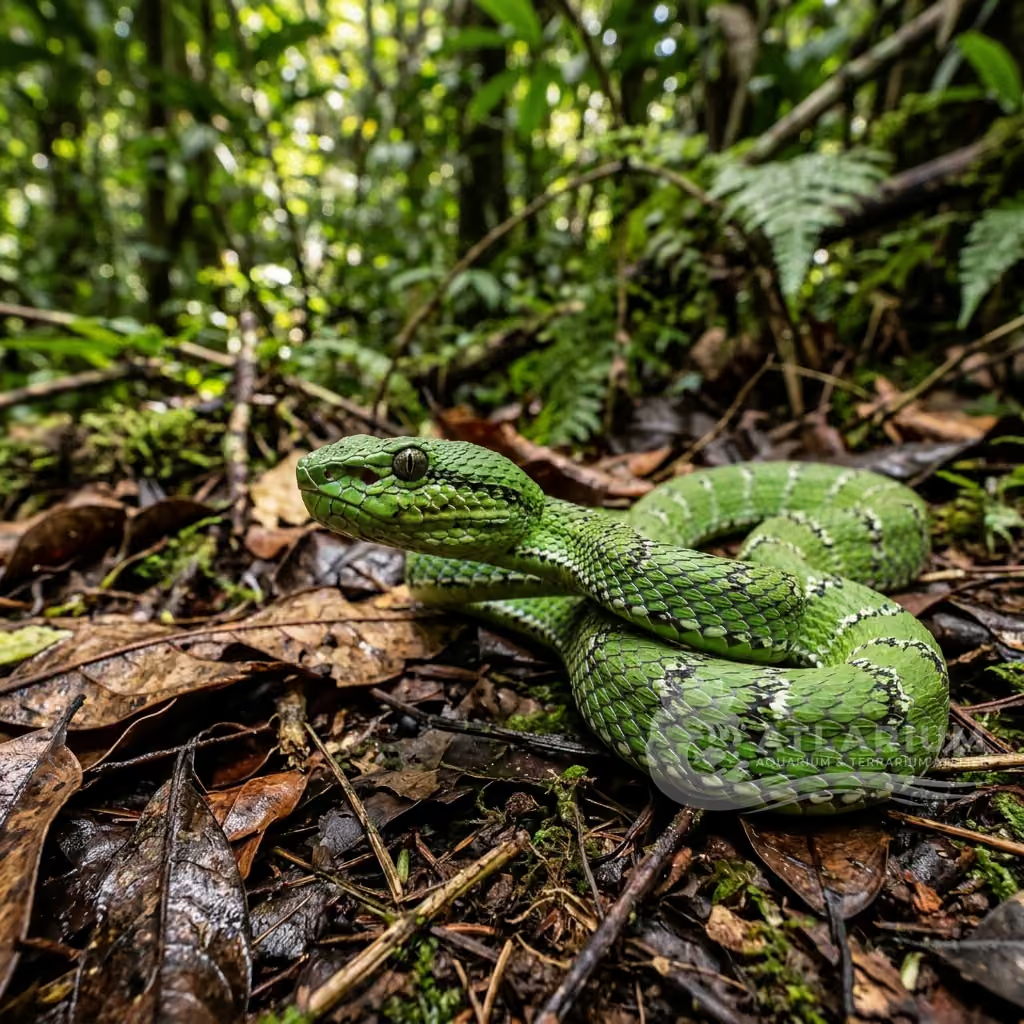
A spectacularly rare high-altitude pitviper from Indochina. It is easily and instantly identified by the unique, menacing horn-like scales protruding directly above its eyes.
Environment
Terrestrial
Humidity
75 - 85 %
Day temperature
19 - 23 °C
Ambient temperature
19 - 23 °C
Night temperature
15 - 17 °C
Basking spot
25 °C
Adult size
75 cm
Minimum enclosure
>= 150 L
Brumation temperature
8 - 12 °C

Species description
Geographical Origin and Habitat: The Horned pit viper is a rare venomous snake native to northern Vietnam and adjacent mountainous regions of southern China. It inhabits pristine montane rainforests, particularly rocky escarpments, karst limestone hills, and humid forest habitats at elevations between 800 and 2000 meters.
Taxonomy and Genetics: Belonging to the family Viperidae and subfamily Crotalinae. This species is unique due to its highly specialized supraocular scales that project upward, forming small 'horns' above each eye. Genetics and morphology show a strong evolutionary link to karst limestone and high-altitude microhabitats.
Behavior and Habits: An extremely elusive, nocturnal, and terrestrial snake. It spends the day concealed deep within limestone crevices or underneath dense forest cover. It is an ambush predator that feeds on small mammals, birds, and amphibians, relying on its moss-like coloration for camouflage.
Morphology: Features a moderately slender but strong body with a highly distinct triangular head. Adults typically reach a length of 60 to 80 centimeters. The most striking features are the upward-pointing horn-like scales above the eyes. The body is patterned with brown, gray, and dark geometric blotches.

Care, breeding and tankmates
Terrarium Setup: A highly secure, locked terrarium (minimum 80x50x50 cm) is required. The setup should feature stable karst or limestone rock formations arranged to create secure crevices, along with climbing branches and a substrate of damp peat moss and sphagnum. Excellent ventilation via double mesh screens is critical.
Lighting and Heating: As a high-altitude montane species, it is sensitive to heat. Maintain daytime temperatures between 20°C and 24°C, with a maximum warm spot of 26°C. Night temperatures should drop to a cool 16-18°C. Provide minimal, low-wattage lighting to simulate natural photoperiods without causing stress.
Humidity and Hydration: High humidity of 75% to 90% is essential. Mist the enclosure daily with purified or RO water to keep the environment damp and encourage proper shedding. A heavy, stable water dish with fresh, clean water must always be accessible in the cool area of the terrarium.
Feeding and Supplementation: Feed on appropriately sized mice or small rats. Adults should be fed once every 10 to 14 days, and juveniles weekly. Supplementation is not typically required if the feeder rodents are healthy and gut-loaded. Avoid overfeeding, as high-altitude species have slower metabolisms.
Compatibility: Strictly solitary. House individually at all times. Co-housing causes severe stress and can lead to fatal feeding accidents. Due to the venomous nature and cryptic behavior of this snake, handling should only be performed by professionals using proper snake hooks and tubes.
Health and Common Diseases: Vulnerable to overheating; temperatures exceeding 28°C can quickly lead to heat stress and death. Stagnant air combined with high humidity can trigger respiratory infections or skin blister disease. Regular spot-cleaning of the damp substrate is vital for hygiene.

Geographic origin and distribution
The Horned pit viper is a rare venomous snake native to northern Vietnam and adjacent mountainous regions of southern China. It inhabits pristine montane rainforests, particularly rocky escarpments, karst limestone hills, and humid forest habitats at elevations between 800 and 2000 meters.
Origin
South and Southeast AsiaEast Asia

Reptile profile
- Diet
- Carnivore
- The horned pit viper preys extensively on small rodents, frogs, and sometimes small birds that share its rugged limestone habitat. It employs a sit-and-wait strategy, remaining perfectly motionless on the forest floor or low vegetation while waiting for prey to wander past. The heat-sensing pits located between its eyes and nostrils allow it to hunt with pinpoint accuracy at night. A quick, venomous strike ensures its prey is rapidly subdued before ingestion.
- Adult size
- 75 cm
- Lifestyle/Microhabitat
- Terrestrial
- A terrestrial to semi-terrestrial snake, it typically dwells on the forest floor, utilizing leaf litter, root systems, and low-lying vegetation for camouflage and ambush hunting. While they may occasionally ascend low shrubs, their enclosure should prioritize maximum floor space with abundant terrestrial hideouts to foster a sense of security.
- Activity cycle
- Nocturnal
- This species is primarily nocturnal, remaining hidden during the daylight hours to avoid extreme heat and predators. As dusk approaches, the Protobothrops cornutus becomes active, emerging from its diurnal retreat to forage and hunt. Enclosure lighting should reflect a natural day-night cycle, but the snake will exhibit its most natural active behaviors after the lights go out.
- Sociality
- Solitary
- Characterized by the prominent horn-like scales above its eyes, this viper relies heavily on its cryptic appearance to avoid detection. It is largely nocturnal and can be found either coiled on the ground or draped over lower branches in karst forests. Known for a generally irritable temperament, it will fiercely defend itself if cornered or handled. Its defensive display includes coiling into an S-shape, hissing forcefully, and lunging with impressive reach.
- Reproduction
- Viviparous
- This snake reproduces via oviparity, meaning the female lays eggs rather than giving birth to live young. Clutches are typically deposited in hidden, stable microclimates such as rock crevices or under thick organic debris. The eggs require a lengthy incubation period, during which they are vulnerable to predators and environmental fluctuations. Hatchlings are precocial, born equipped with fangs and venom, ready to sustain themselves on small lizards and insects.
- Handling tolerance
- Display only
- Due to its highly potent and medically significant venom, the Protobothrops cornutus is strictly a display-only species. Under no circumstances should this snake be free-handled. All interactions, enclosure maintenance, and feeding must be performed using professional snake hooks, secure lockable terrariums, and strict safety protocols to prevent life-threatening envenomation.
- Brumation
- Required
- To replicate its natural seasonal cycles, a winter brumation period is highly recommended, especially if breeding is desired. Temperatures should be gradually reduced to roughly 12-15°C (53-59°F) over several weeks, during which feeding is completely halted to prevent rotting of undigested food in the gut. This cooling period typically lasts 2 to 3 months.
- Molting
- Periodic
- Originating from highly humid tropical environments, this snake requires consistently elevated ambient humidity to shed its skin properly. Frequent daily misting or a rain system should be utilized when the snake goes into blue. A properly humidified enclosure prevents dysecdysis (abnormal shedding), which can lead to restricted blood flow or infection.

Related species
Recommendations grouped by close relatives, companion choices, and similar care.