Baron's Mantella
Mantella baroni
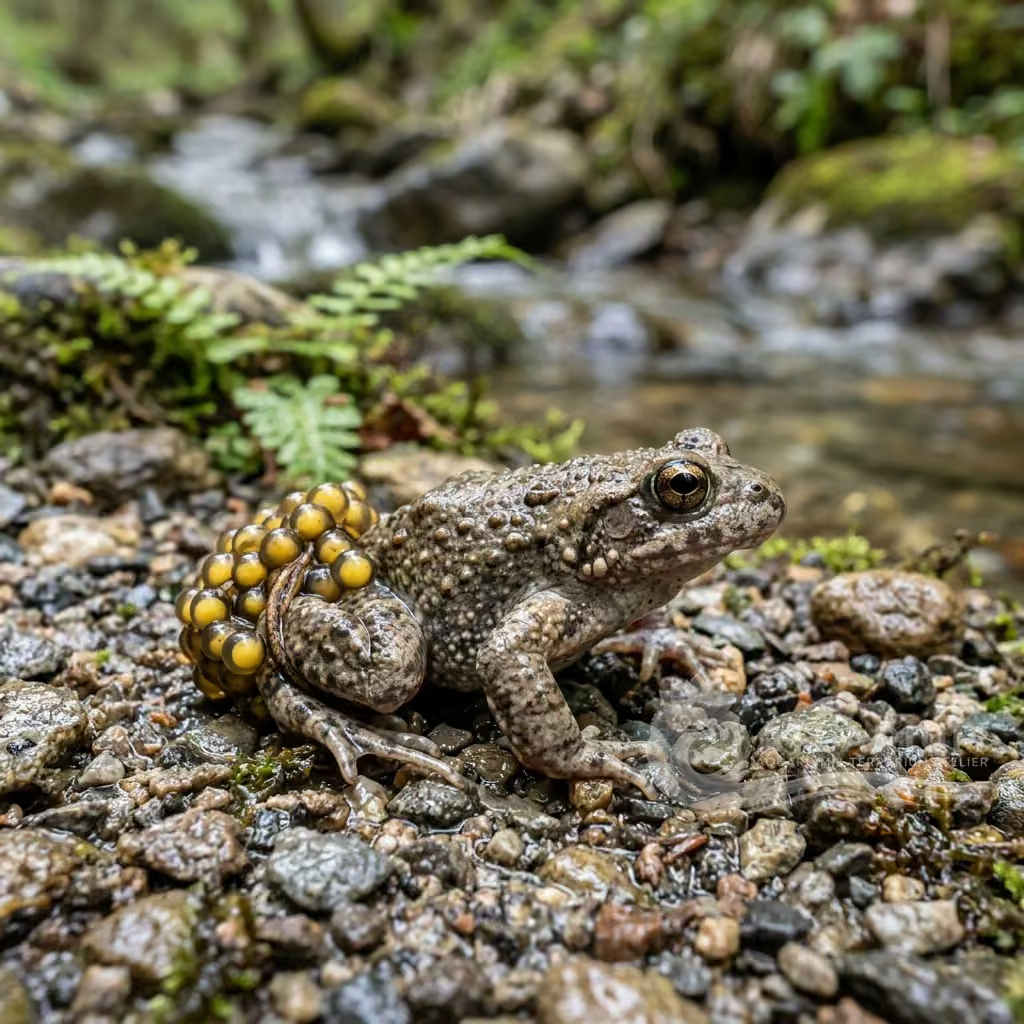
Baron's Mantella is a lively Malagasy frog painted with spectacular green and black contrast. Strictly terrestrial, it hunts actively during the day and thrives in cool, highly humid woodland terrariums.
Environment
Terrestrial
Humidity
80 - 90 %
Day temperature
19 - 22 °C
Night temperature
16 - 18 °C
Ambient temperature
19 - 22 °C
Minimum enclosure
>= 45 L

Species description
Geographical Origin and Habitat: Widespread and endemic to the humid montane rainforests of central-eastern and southeastern Madagascar. A strictly terrestrial species inhabiting the damp leaf litter, mossy roots, and rocky banks of clean streams.
Taxonomy and Genetics: Belonging to the family Mantellidae. Commonly known as Baron's Mantella. It is morphologically very similar to Mantella madagascariensis, sharing the aposematic color pattern that warns predators of skin toxins.
Behavior and Habits: Diurnal, terrestrial, and highly active. They spend the day foraging along the forest floor. Although bold when hunting, they quickly seek shelter under leaves if disturbed. Males vocalize with a series of short, metallic clicking sounds.
Morphology: A small frog reaching 2.5–3.0 cm in length. Females are larger and noticeably rounder when gravid. Males are smaller, more slender, and possess vocal sacs. They lack large adhesive pads on their toes.

Care, breeding and tankmates
Terrarium Setup: A horizontal forest enclosure (minimum 60x45x45 cm) is recommended. Provide a deep, bioactive soil substrate topped with a thick layer of leaf litter (such as oak or magnolia leaves) and cork bark hides. A wide, shallow water area with slow flow must be provided.
Lighting and Heating: Prefers cool temperatures of 19–22°C during the day, with a night drop to 16–18°C. Temperatures above 25°C are dangerous and can be fatal. Provide a low-output (2–5%) UVB source to support coloration and bone health.
Humidity and Hydration: Maintain high relative humidity of 80–90%. Spray the terrarium daily with clean, dechlorinated water. Good ventilation is critical to prevent stagnant, hot conditions.
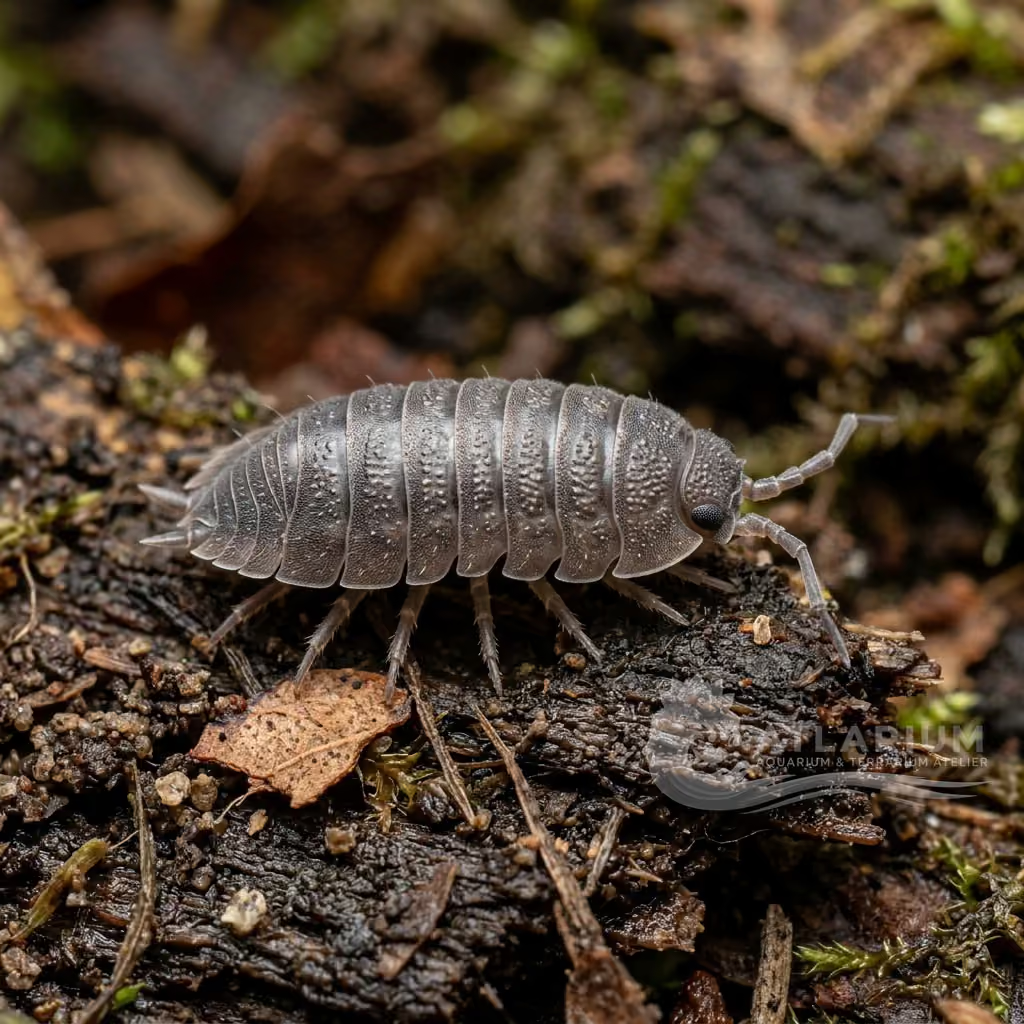
Feeding and Supplementation: Strictly insectivorous. Feed tiny live insects such as fruit flies, springtails, dwarf isopods, and pinhead crickets. Dust food with calcium and vitamins three times a week.
Compatibility: Highly peaceful and gregarious. Can be kept in small groups or harems in spacious setups. Do not house with larger, predatory species or mixed amphibian groups.
Health and Common Diseases: Heat stroke is the primary threat. Dirty conditions can lead to bacterial skin infections (red leg syndrome). Handle only when necessary with wet, powder-free gloves.

Geographic origin and distribution
Widespread and endemic to the humid montane rainforests of central-eastern and southeastern Madagascar. A strictly terrestrial species inhabiting the damp leaf litter, mossy roots, and rocky banks of clean streams.
Origin
Extra-Amazon South AmericaNorth AmericaAfrica and Madagascar

Amphibian profile
- Diet
- Insectivore
- Eat bugs. Feed daily. Add vitamins.
- Life expectancy
- 5-10 years
- Adult size
- 3 cm
- Lifestyle/Microhabitat
- Terrestrial
- Need high humidity. Forage constantly. Stable temps.
- Activity cycle
- Diurnal
- Strictly diurnal. Morning peaks. 12h cycle.
- Sociality
- Gregarious
- Very active. Males defend. Add barriers.
- Reproduction
- Oviparous
- Breed in rain. Males call. Tads swim.
- Toxicity
- Harmless
- In nature, their vibrant green, black, and orange coloring warns predators of the toxic lipophilic alkaloids present in their skin. They bioaccumulate these toxins entirely from their specialized arthropod diet. Consequently, captive-born individuals fed a standard terrarium diet are completely non-toxic and pose no danger to their keepers.
- Life stage
- Metamorphosis
- The eggs develop in terrestrial nests for about 10 to 14 days before hatching into tadpoles. These tadpoles are primarily herbivorous, feeding on algae and plant detritus in small pools and streams. Metamorphosis occurs after approximately two months, producing miniature froglets that immediately adopt a terrestrial lifestyle.
- Handling tolerance
- Display only
- The Baron's Mantella is considered a display-only species. Their delicate skin is highly permeable and easily damaged by the natural oils, salts, and chemicals on human hands. Handling induces severe stress and should be strictly avoided except during essential health checks or enclosure transfers.
- Brumation
- The Baron's Mantella originates from relatively stable tropical or subtropical environments and does not undergo a true brumation. They require consistently warm and stable temperatures year-round to maintain proper digestion, metabolic activity, and overall immune health.
- Molting
- Periodic
- High ambient humidity (typically 70-90%) is critical for the Baron's Mantella. Like most amphibians, they routinely shed their outer layer of skin and rely on moisture to prevent it from sticking or restricting movement. They often consume the shed skin for nutrient recycling.

Related species
Recommendations grouped by close relatives, companion choices, and similar care.