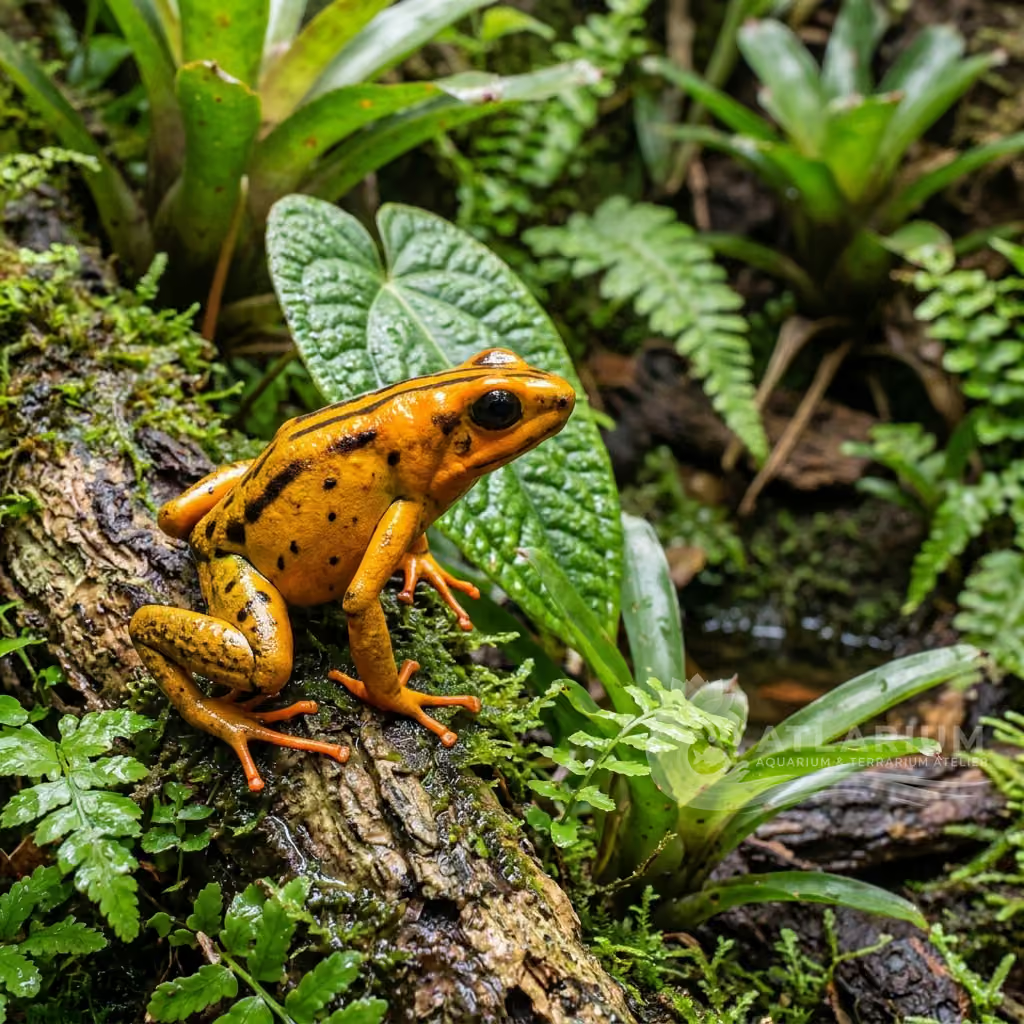
Oriental Fire-bellied Toad
Bombina orientalis
The Oriental Fire-bellied Toad is a captivating semi-aquatic amphibian featuring a bright red-orange belly. Highly social and active, it flourishes in a cool paludarium with rich plant life.
Water Temperature
18 - 24 °C
pH Value
6.5 - 7.5
Environment
Freshwater / Semi-aquatic
Humidity
60 - 80 %
Day temperature
20 - 24 °C
Night temperature
15 - 18 °C
Ambient temperature
20 - 24 °C
Minimum enclosure
>= 80 L
UVB
Ferguson 1-2
UVI
0 - 1 UVI

Species description
Geographical Origin and Habitat: Bombina orientalis, commonly known as the Oriental Fire-bellied Toad, is native to East Asia. Its natural range includes northeastern China, the Korean Peninsula, southeastern Russia (Primorsky region), and parts of Japan. It primarily inhabits humid temperate forests, mountain meadows, swamps, rice paddies, and slow-moving streams. As a semi-aquatic species, it frequently moves between shallow bodies of water and the surrounding damp forest floor, seeking shelter under stones or decaying logs.
Taxonomy and Genetics: This amphibian belongs to the order Anura, family Bombinatoridae, and genus Bombina. No valid subspecies of Bombina orientalis are currently recognized, making the species genetically homogeneous across most of its range, although minor regional morphological variations exist. Like other members of the family Bombinatoridae, it exhibits primitive features such as the lack of a visible external tympanum and the presence of rudimental ribs.
Behavior and Habits: It is active during both day and night, displaying a distinct semi-aquatic nature. It spends a significant amount of time floating on the water surface or resting on damp banks. It has a peaceful but gregarious temperament, thriving in small groups. When threatened, it exhibits a unique defensive reflex known as the 'Unkenreflex': it arches its back and raises its legs to display the bright red and black coloration of its belly, warning predators of its toxic skin secretions.
Morphology: Small in size, adults typically measure between 4 and 5.5 centimeters in length. The dorsal skin is covered with sharp-looking tubercles and glandular warts, displaying a bright green or olive-green base color interrupted by black spots. The most distinctive morphological feature is the ventral side (belly), which has a brilliant red-orange or yellow-orange color decorated with an irregular mosaic of black patches. The pupils of the eyes are heart-shaped or triangular.

Care, breeding and tankmates
Terrarium Setup: For a small group of 3-4 toads, a horizontal terrarium of at least 60-80 liters is required. Being a semi-aquatic species, they need a paludarium setup with a 50/50 land-to-water ratio. The aquatic zone should contain clean, dechlorinated water about 5-10 cm deep, equipped with a ramp for easy exit. The land zone can be composed of damp coconut fiber covered with sphagnum moss and cork bark. Live plants like Pothos or ferns and driftwood provide excellent hiding spots.
Lighting and Heating: This species does not require supplemental heating, as it prefers cool temperatures between 18°C and 24°C. Temperatures exceeding 28°C for prolonged periods can be fatal. In winter, they tolerate temperature drops down to 10-12°C. Provide lighting using a low-wattage fluorescent bulb to simulate a 12-hour day/night cycle. A low-output UVB lamp (2.0 or 5.0) is recommended to support vitamin D3 synthesis and overall bone health.
Humidity and Hydration: Ambient humidity must be kept consistently high, around 70-80%, by misting the enclosure once or twice daily with dechlorinated or RO water. The water in the aquatic section must be changed regularly (or filtered with a low-flow sponge filter to avoid strong currents). Using a water conditioner to remove chlorine and chloramines is mandatory, as these are highly toxic to the porous skin of amphibians.
Feeding and Supplementation: A voracious carnivore and insectivore. In captivity, feed them live insects of appropriate size, such as crickets, roaches, mealworms, small earthworms, and silkworms. Prey should be dusted with calcium and a multivitamin supplement specific for amphibians once or twice a week. A varied diet rich in carotenoids ensures the belly maintains its brilliant red-orange color.
Compatibility: A gregarious species that lives peacefully with other fire-bellied toads of similar size. However, due to the toxic skin secretions (bombesin) produced by their cutaneous glands, they must never be housed in the same terrarium with other amphibian or reptile species, as they would be poisoned even through contact with the shared water.
Health and Common Diseases: Common health issues include bacterial skin infections (such as red-leg disease) caused by poor hygiene or ammonia buildup in the water. Nutritional deficiencies like Metabolic Bone Disease (MBD) can be prevented with proper calcium and UVB supplementation. Ensure the terrarium lid is tightly secured, as these toads are agile climbers and prone to escaping.

Geographic origin and distribution
Bombina orientalis, commonly known as the Oriental Fire-bellied Toad, is native to East Asia. Its natural range includes northeastern China, the Korean Peninsula, southeastern Russia (Primorsky region), and parts of Japan. It primarily inhabits humid temperate forests, mountain meadows, swamps, rice paddies, and slow-moving streams. As a semi-aquatic species, it frequently moves between shallow bodies of water and the surrounding damp forest floor, seeking shelter under stones or decaying logs.
Origin
East Asia

Amphibian profile
- Diet
- Insectivore
- Oriental Fire-bellied Toads are insectivores that thrive on a varied diet of live invertebrates. Their staple meals should include small crickets, fruit flies, mealworms, and earthworms. Prey items should be dusted with calcium and multivitamin powders to support healthy bone development and maintain their vibrant coloration.
- Life expectancy
- 15-20 years
- Adult size
- 5 cm
- Lifestyle/Microhabitat
- Semi-aquatic
- They are semi-aquatic amphibians that require a paludarium setup with both terrestrial and aquatic zones. A significant portion of their enclosure should be shallow, filtered water where they can swim and soak, along with land areas featuring moss and hides. Good water quality and a secure lid are essential for a healthy environment.
- Activity cycle
- Diurnal
- Bombina orientalis is considered diurnal, being quite active during the daytime compared to many other amphibians. They can often be seen basking under low-level UVB light or hunting for insects around their enclosure. However, they may also show periods of activity during the evening or night depending on temperature and feeding schedules.
- Sociality
- Gregarious
- These toads are highly social and do very well in small groups, frequently interacting with one another. When threatened, they exhibit the 'unken reflex', arching their backs to display their brightly colored, toxic bellies to warn off predators. They are active and curious amphibians that spend significant time exploring both the land and water portions of their habitat.
- Reproduction
- Oviparous
- Breeding occurs in the spring and summer when males call out to attract females with a distinctive barking sound. Females deposit small clusters of eggs on aquatic vegetation, which hatch into tadpoles within a few days. The aquatic tadpoles feed on algae and detritus before morphing into terrestrial toadlets after a couple of months.
- Toxicity
- Toxic
- Oriental fire-bellied toads secrete toxins from their skin glands when stressed or threatened by predators. These toxins, though generally mild to humans, can cause irritation if they come into contact with mucous membranes or open cuts. The bright red or orange underside of the toad serves as aposematic coloration, warning potential predators of their unpalatable taste. Hand washing is highly recommended after interacting with these animals or cleaning their enclosure.
- Life stage
- Metamorphosis
- The life cycle begins with aquatic eggs that rapidly develop into herbivorous tadpoles within a few days. These tadpoles graze on algae and detritus in the water, gradually developing hind legs and then front arms. Metamorphosis into the terrestrial juvenile form usually takes about six to eight weeks, depending on the temperature. The young toadlets then emerge from the water to begin hunting small insects on land.
- Handling tolerance
- Display only
- They are strictly a display-only species. When severely stressed or threatened, they arch their backs to display their bright red or orange bellies (the 'Unken reflex') and secrete mildly toxic, bitter skin secretions that can heavily irritate human mucous membranes and eyes.
- Brumation
- Brumation is optional but naturally occurs in their native East Asian habitats. Lowering the temperature to 10-15°C (50-59°F) for 6-8 weeks during winter can stimulate intense springtime breeding activity and more vibrant skin coloration, though it is not strictly required for survival.
- Molting
- Regular
- Like other amphibians, they shed their skin frequently, typically completing the process in the water or at the water's edge. The high humidity inherent in a semi-aquatic paludarium setup generally guarantees flawless molting, and the frogs eagerly consume the shed skin for nutrients.

Related species
Recommendations grouped by close relatives, companion choices, and similar care.