Tiger Salamander
Ambystoma tigrinum
The tiger salamander is one of the largest terrestrial salamanders, boasting yellow blotches on a dark body. Extremely hardy, it requires a 150L terrarium with deep soil for burrowing and a hearty carnivorous diet.
Environment
Terrestrial
Humidity
70 - 80 %
Day temperature
18 - 22 °C
Night temperature
12 - 16 °C
Ambient temperature
18 - 22 °C
Minimum enclosure
>= 40 L

Species description
Geographical Origin and Habitat: The Tiger Salamander is widely distributed across North America, ranging from southern Canada down to Mexico. It inhabits a variety of environments including deciduous forests, coniferous woodlands, grasslands, and marshy areas, typically remaining close to vernal pools or slow-moving bodies of water necessary for breeding.
Taxonomy and Genetics: It is an amphibian belonging to the family Ambystomatidae. There are several recognized subspecies across its vast range, exhibiting variations in size and pattern.
Behavior and Habits: This species is primarily nocturnal and highly fossorial. It spends the majority of its adult life underground in burrows, emerging mainly at night or during heavy rains to hunt and migrate to breeding pools.
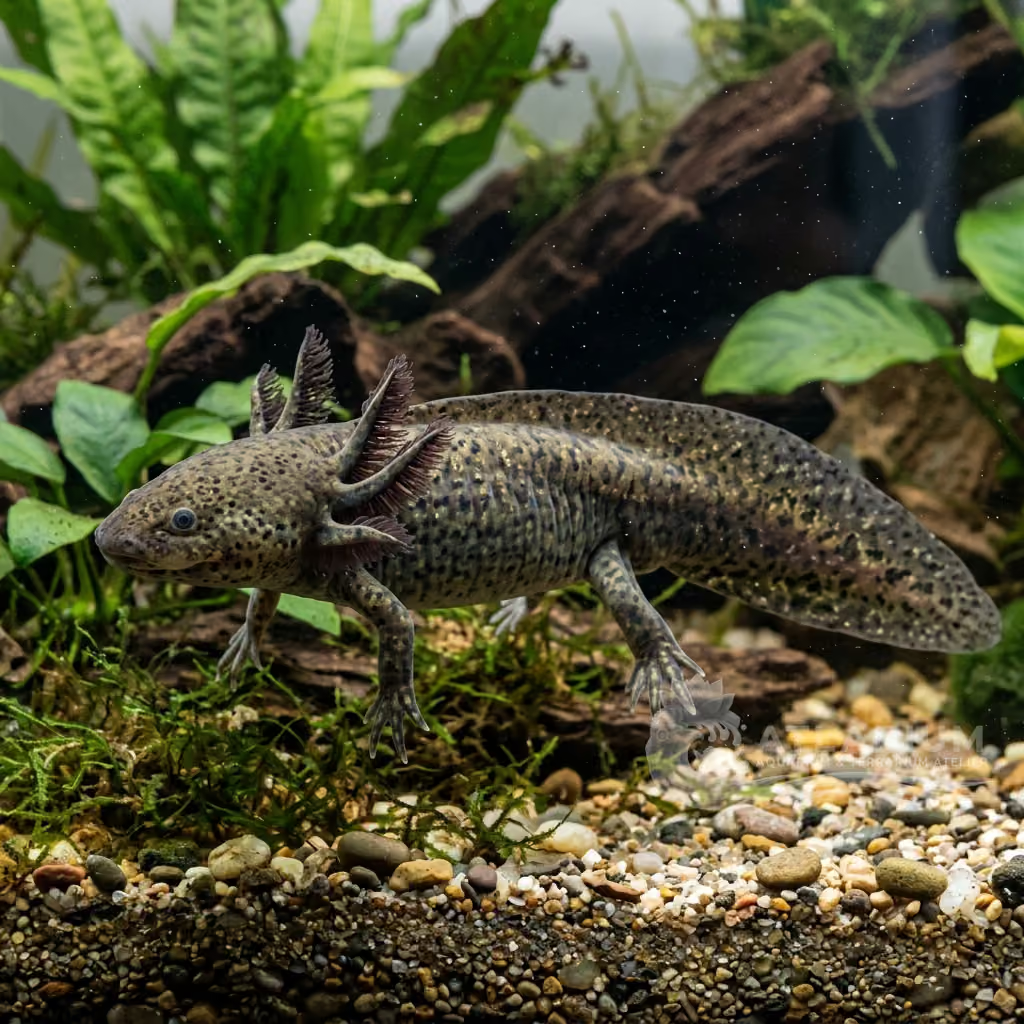
Morphology: It is one of the largest terrestrial salamanders in North America, reaching up to 35 cm (14 inches) in length. It features a robust, stout body, a broad head, and a striking pattern of yellow, olive, or brownish blotches against a dark black or dark brown background.

Care, breeding and tankmates
Terrarium Setup: A spacious terrestrial terrarium is required (minimum 20-40 gallons for an adult). The most critical element is a deep, moisture-retaining substrate (such as topsoil mixed with coco coir) at least 15 cm (6 inches) deep to allow for natural burrowing behaviors. Provide a shallow water dish large enough for soaking.
Lighting and Heating: They prefer cooler temperatures. Ambient room temperature between 18-24°C (65-75°F) is ideal. Temperatures above 26°C (80°F) can cause severe stress. Low-level UVB (Ferguson Zone 1) is beneficial but not strictly mandatory.
Humidity and Hydration: Maintain high substrate moisture without making it swampy or waterlogged. Relative humidity should be kept between 60-80%. The water dish must be cleaned frequently, and dechlorinated water is essential as their skin is highly permeable.
Feeding and Supplementation: Carnivorous and highly opportunistic. The core diet should consist of earthworms, nightcrawlers, crickets, and dubia roaches. Occasional treats like hornworms or pinky mice can be offered to large adults. Dust insects with calcium and a multivitamin supplement weekly.
Compatibility: They can be kept solitary or in small groups of similar-sized individuals. Mixing different sizes will almost certainly result in cannibalism, as they have a strong feeding response.
Health and Common Diseases: Generally hardy, but susceptible to skin infections and bacterial issues if the substrate is excessively wet or unsanitary. They are also vulnerable to amphibian pathogens like chytrid fungus and ranavirus.

Geographic origin and distribution
The Tiger Salamander is widely distributed across North America, ranging from southern Canada down to Mexico. It inhabits a variety of environments including deciduous forests, coniferous woodlands, grasslands, and marshy areas, typically remaining close to vernal pools or slow-moving bodies of water necessary for breeding.
Origin
Central America and CaribbeanNorth America

Amphibian profile
- Diet
- Insectivore
- The Tiger salamander is an opportunistic carnivore that feeds on a wide variety of prey. In the wild, their diet consists primarily of insects, earthworms, slugs, and snails, though larger individuals may consume small mice or frogs. In captivity, they can be fed a staple of earthworms and crickets, supplemented occasionally with pinky mice.
- Life expectancy
- 10-25 years
- Adult size
- 24 cm
- Lifestyle/Microhabitat
- Fossorial
- The terrestrial adults lead a secretive, fossorial lifestyle, relying on deep burrows of small mammals or digging their own in loose soil. They require a cool, damp environment to maintain skin moisture and overall health. Their life cycle is deeply tied to the availability of seasonal water bodies for the aquatic phase of their offspring.
- Activity cycle
- Nocturnal
- This species is primarily nocturnal, emerging from their underground burrows at night to forage for food when the ambient humidity is higher. During periods of heavy rain, they may occasionally be seen active during the day, particularly during their annual breeding migrations. In captivity, they may adapt to daytime feeding routines but largely remain hidden during daylight hours.
- Sociality
- Solitary
- Tiger salamanders are highly fossorial and spend the majority of their time burrowed underground to avoid extreme temperatures and desiccation. They are generally solitary outside of the breeding season and can be somewhat territorial regarding their burrows. While not naturally aggressive, they are bold feeders that quickly learn to associate their keepers with food.
- Reproduction
- Oviparous
- Breeding typically occurs in late winter or early spring shortly after the first heavy rains. Adults migrate to temporary vernal pools or fishless ponds to mate and lay their eggs. Females attach gelatinous egg masses to submerged vegetation, which hatch into aquatic larvae that develop over several months before metamorphosing into terrestrial adults.
- Toxicity
- Mildly toxic
- Mildly toxic skin secretions (harmless to humans unless ingested)
- Life stage
- Neotenic
- Adult (Metamorphosed)
- Handling tolerance
- Display only
- Should not be handled with bare hands; use wet nitrile gloves only when absolutely necessary.
- Brumation
- In the wild, tiger salamanders survive freezing winter temperatures by burrowing deep below the frost line to brumate. In captivity, a strict brumation period is not strictly necessary for their survival unless you intend to breed them. If you choose to cool them down, slowly drop the temperatures to around four to ten degrees Celsius for a couple of months. During this resting phase, you must stop offering food entirely to prevent undigested prey from rotting in their digestive tract. Maintain adequate soil moisture throughout the brumation period to ensure they do not fatally dehydrate while dormant.
- Molting
- Periodic
- Tiger salamanders regularly shed their outer layer of skin as they grow, though the process is often missed by keepers. They typically retreat into their burrows to undergo this delicate molting process in a safe and humid environment. Like many amphibians, they will consume their own shed skin to recycle valuable nutrients and minerals. It is absolutely crucial to maintain high substrate humidity to prevent the shedding skin from adhering dangerously to their toes or eyes. You should never attempt to manually peel off a salamander's shedding skin, as this can severely tear their delicate dermal layer.

Related species
Recommendations grouped by close relatives, companion choices, and similar care.