Marsilea exarata
Marsilea exarata
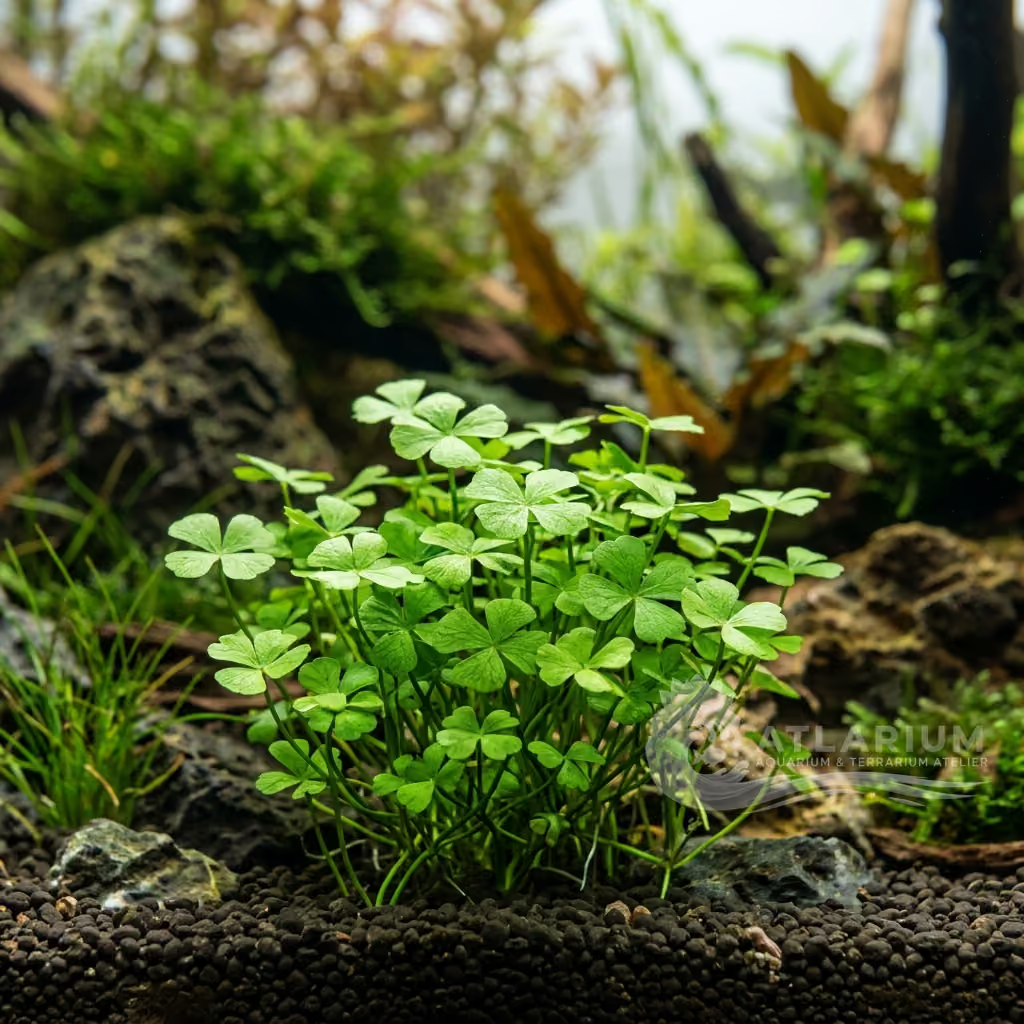
Marsilea exarata is a versatile aquatic fern, ideally suited for midground placement, where it can form a dense carpet or a distinctive accent. Its medium growth rate allows for controlled management within the aquascape layout.
Water Temperature
22 - 28 °C
pH Value
6 - 7.5
Water type
Freshwater
Light
Medium - High
CO2
Medium - High
KH
2 - 10 dKH

Species description
Geographical Origin and Habitat: Marsilea exarata belongs to the genus Marsilea, a group of aquatic and semi-aquatic ferns primarily found in tropical and subtropical regions of Africa, Asia, and Australia. In its natural habitat, it typically thrives in shallow ponds, marshes, and damp areas with muddy or sandy substrates, often in zones subject to seasonal flooding. These varying conditions influence its morphology, allowing it to adapt to both submerged and emergent life forms. Its broad geographical distribution is a testament to its remarkable adaptability to diverse aquatic microclimates.
Taxonomy & Genetics: Marsilea exarata is classified within the Marsileaceae family, a unique group of aquatic ferns known for their clover-like leaves and reproduction via sporocarps. This genus is of particular botanical interest due to its heterosporous nature, producing two types of spores of different sizes, an evolutionary trait common in aquatic plants. Its taxonomy reflects an ancient evolutionary lineage adapted to aquatic environments, and its presence in aquarist collections underscores its distinctiveness among aquarium plants.
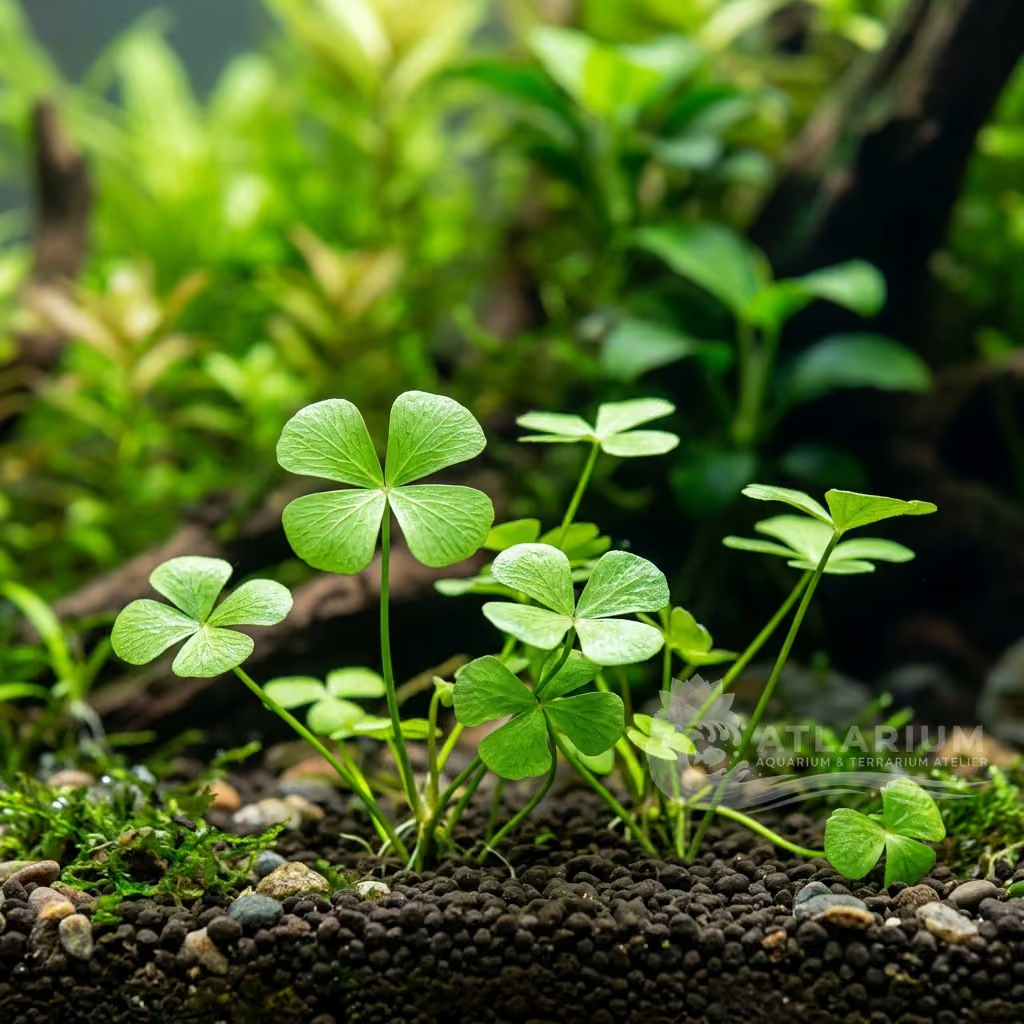
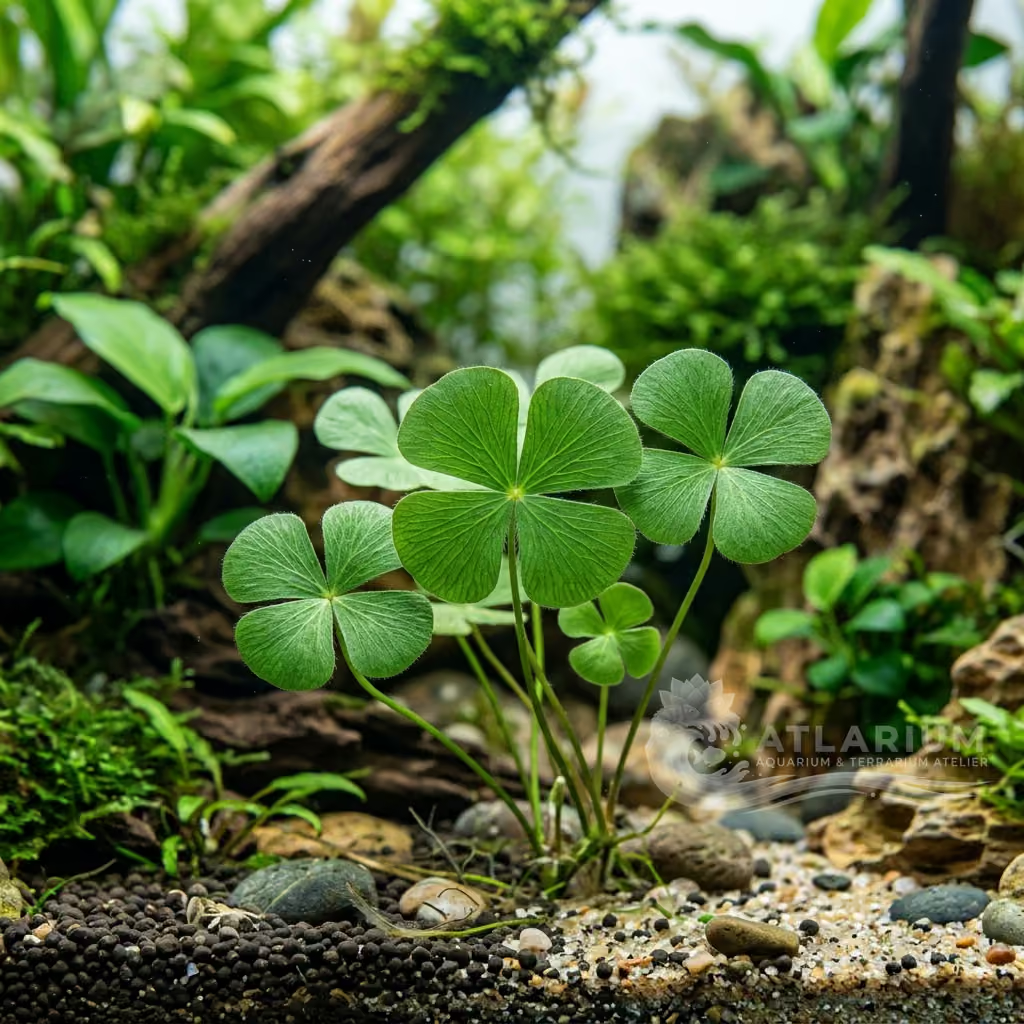
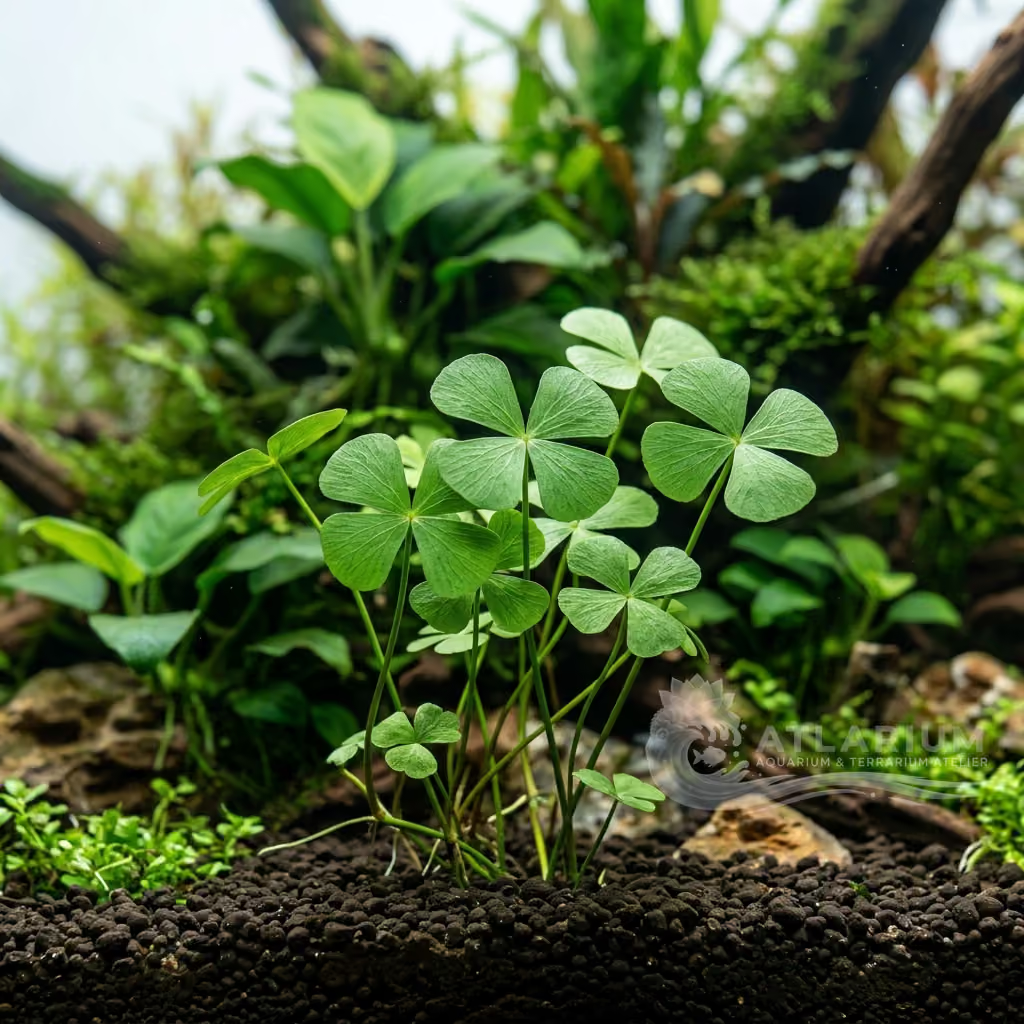
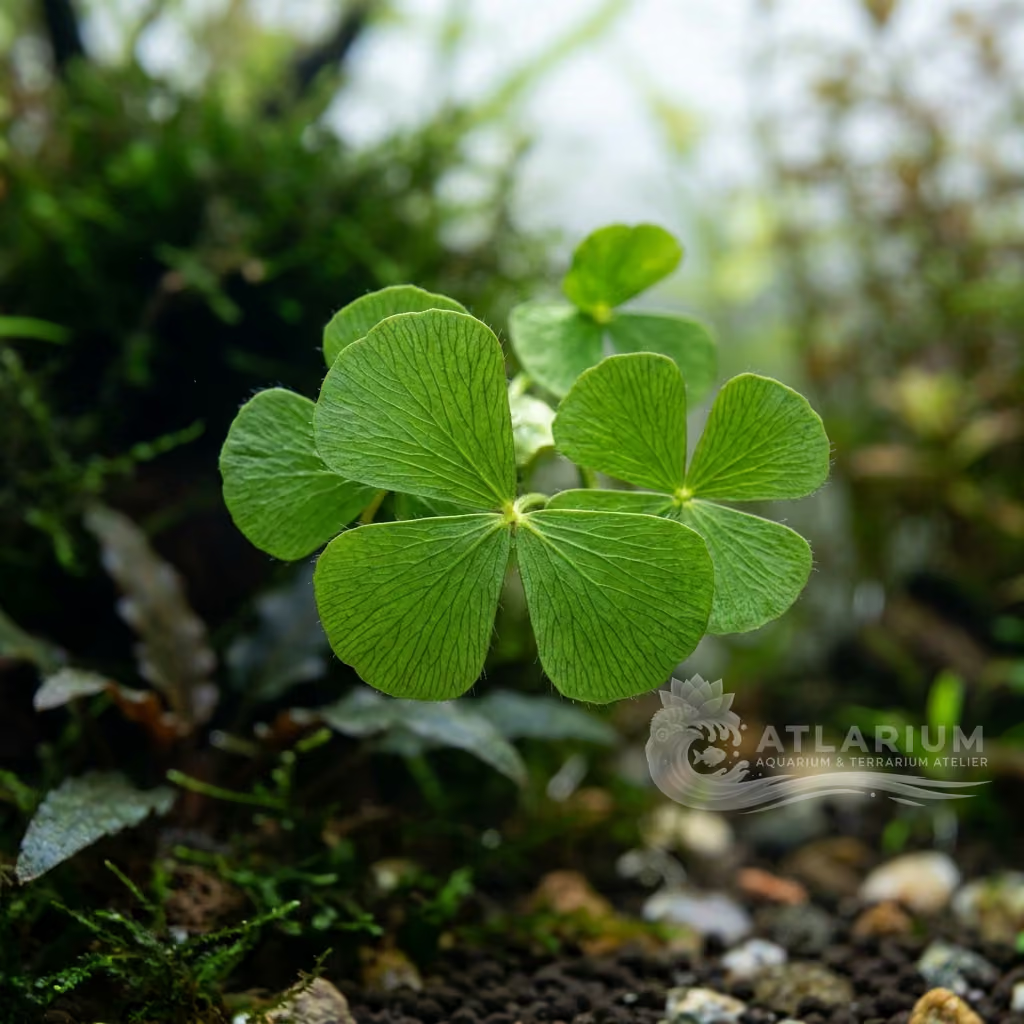
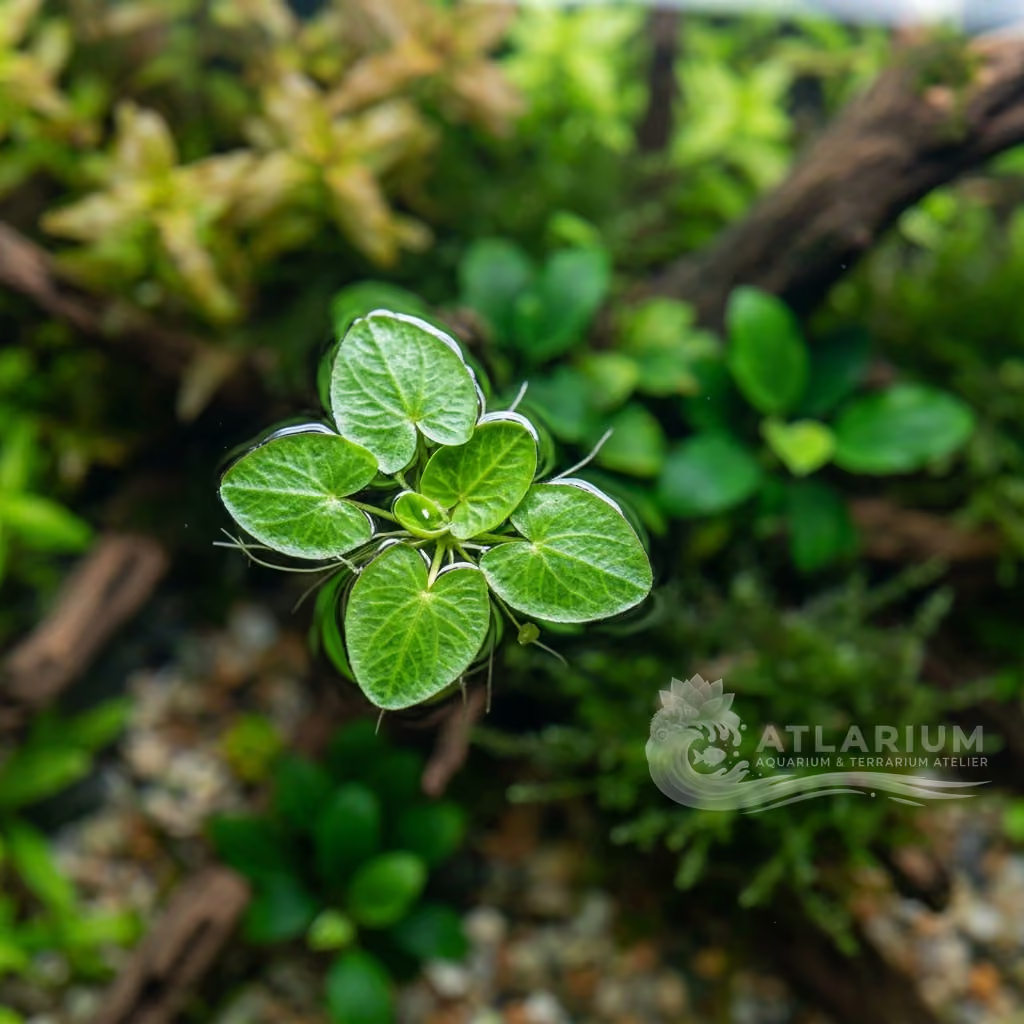
Physical Structure: Marsilea exarata is characterized by its creeping rhizome that develops horizontally within the substrate, from which slender petioles emerge, supporting the leaves. In submerged conditions, the leaves can vary significantly; they often adopt a simpler, oval, or elongated shape, sometimes reduced to a single lobe, rather than the classic four-leaflet clover shape observed in emergent growth. This ability to alter leaf morphology based on environmental conditions, such as water depth and CO2 availability, is a notable adaptive feature of this species, making it a fascinating specimen for observation. Fine roots developing from the rhizome firmly anchor the plant to the substrate.
Color & Texture: The foliage of Marsilea exarata displays a coloration that ranges from vibrant bright green to deep dark green, depending on light intensity, CO2 availability, and nutrient levels. Submerged leaves tend to be a lighter, more translucent green, with a delicate and smooth texture to the touch. This lively hue contributes to creating an attractive contrast within the aquascape, especially when forming a dense carpet or used as a midground focal point. The leaf surface is generally hairless, lending a clean and tidy appearance.

Care, breeding and tankmates
Lighting & CO2: For optimal growth and vibrant coloration, Marsilea exarata requires medium intensity lighting, as specified in its care requirements, typically between 0.5 and 0.7 watts per liter. While it can tolerate higher light levels, excessive illumination may promote algae growth or alter its desired leaf morphology, causing it to creep more or grow less compactly. Carbon dioxide (CO2) supplementation in the
Water Chemistry: is highly recommended to stimulate more robust and compact growth, encouraging faster propagation and preventing the formation of stunted leaves. A stable supply of CO2 will also help the plant compete effectively with algae.
Nutrition & Substrate: As a root-feeding plant with a creeping rhizome, Marsilea exarata greatly benefits from a nutrient-rich substrate packed with trace elements and macronutrients. Specific aquarium substrates such as aquasoils or substrates enriched with fertilizer tabs placed directly under the rhizome are ideal for supporting its root development and promoting healthy, vigorous growth. While primarily a "root feeder," it also absorbs nutrients from the water column, therefore a balanced fertilization regimen including macro (nitrogen, phosphorus, potassium) and microelements (especially iron) is crucial to prevent deficiencies and maintain its lush green foliage. Good water flow is also important for even distribution of dissolved nutrients.
Water Chemistry: Marsilea exarata thrives in a water temperature range of 20 to 28 degrees Celsius, making it suitable for most tropical aquariums. Regarding carbonate hardness (KH), it tolerates a fairly broad range from 2 to 12 dKH, indicating good adaptability to various water compositions, though medium hardness is often preferred. The ideal pH value is between 6.0 and 7.5; maintaining these parameters stably is more crucial than aiming for specific values, as sudden fluctuations can stress the plant, leading to slowed growth or deterioration. Regular monitoring and partial water changes contribute to maintaining a stable environment.
Space Management & Placement: Given its tendency to spread via creeping rhizomes, Marsilea exarata is optimal for midground placement, where it can form a dense and visually striking carpet or an accent cluster that adds depth. It is important to allow sufficient space for its lateral growth, especially if an extensive substrate coverage is desired in a "nature aquarium" layout. To maintain its compact appearance and control its spread in smaller aquariums or specific areas of the layout, regular
Pruning: Pruning Marsilea exarata is essential to maintain the desired aesthetic and plant health, especially when used as a carpet. It is recommended to regularly remove older, damaged, or excessively long leaves at their base, using sharp, long-handled scissors, to encourage new, more compact and vibrant growth. If the plant becomes too dense and the carpet thickens, selective thinning of rhizome portions and their associated leaves allows for better water circulation and light penetration, reducing the risk of excessive shading for the underlying leaves and preventing the accumulation of organic debris. This process helps prevent the decomposition of lower leaves and maintains a healthy, uniform carpet.
Risks & Diseases: Like many aquatic plants, Marsilea exarata can be susceptible to algae attacks if there are imbalances between light, CO2, and nutrients, which can suffocate its delicate leaves. An iron deficiency, for example, can manifest as yellowing of the leaves (chlorosis), while a lack of other macronutrients can lead to stunted growth or holes in the leaves. Drastic changes in water parameters can cause temporary "melting" of leaves, especially if the plant was grown emersed and is introduced submersed into the aquarium. Maintaining stable conditions, monitoring water parameters, and providing adequate nutrition are fundamental to preventing most problems and ensuring the plant's health.

Geographic origin and distribution
Marsilea exarata belongs to the genus Marsilea, a group of aquatic and semi-aquatic ferns primarily found in tropical and subtropical regions of Africa, Asia, and Australia. In its natural habitat, it typically thrives in shallow ponds, marshes, and damp areas with muddy or sandy substrates, often in zones subject to seasonal flooding. These varying conditions influence its morphology, allowing it to adapt to both submerged and emergent life forms. Its broad geographical distribution is a testament to its remarkable adaptability to diverse aquatic microclimates.
Origin
Africa and MadagascarSouth and Southeast AsiaAustralia, New Guinea, and Oceania

Plant profile
- Placement
- Midground
- It is best utilized as a foreground carpeting plant, where its small, interesting foliage can be fully appreciated. It looks incredibly natural when planted to weave around stones or driftwood in the lower sections of the aquascape. In nano aquariums, it provides an excellent scale and can cover the entire bottom if given enough time.
- Botanical form
- Rhizome
- Submersed growth typically features small, simple, spoon-shaped or single-lobed leaves that resemble a small Glossostigma. When grown with lower light or when transitioning to emersed growth, it may develop leaves with two to four lobes, taking on the classic 'water clover' look. The plant spreads via a thin, horizontal rhizome or runner that creeps along the substrate.
- Growth
- Medium
- The growth rate is generally slow to moderate, depending heavily on the availability of light, nutrients, and carbon dioxide. With high-tech conditions, it will carpet relatively quickly, but in low-tech setups, patience is essential as it slowly sends out runners. Trimming overlapping runners can stimulate the plant to grow denser rather than spreading outward.
- Substrate
- High
- A fine, mineral-rich aqua soil is the preferred substrate, allowing its delicate runners to easily penetrate and establish a strong root network. It can grow in plain sand if supplemented with root tabs, but it will spread much more slowly. Coarse gravel should be avoided as it hinders the plant's ability to carpet effectively.
- Column fertilization
- Recommended
- Regular dosing of liquid fertilizers is beneficial, ensuring that micronutrients are readily available for the newly developing leaves. It responds well to water column feeding, especially in setups where the substrate may be older or depleted of nutrients. Maintaining consistent levels of potassium is crucial to prevent the older leaves from deteriorating.
- Root fertilization
- Required
- Because it propagates via runners that root continuously along the substrate, root fertilization is very important. Using a quality aqua soil or inserting root tabs into inert substrates will provide the necessary fuel for its horizontal expansion. Strong root feeding encourages shorter petioles and a tighter, more cohesive carpet.
- Trimming
- Occasional
- Trimming Marsilea exarata is a straightforward process that helps maintain its desired shape and density. Runners can be cut to control its spread, or overgrown leaves trimmed down. It is also crucial to regularly remove any older or decaying plant material to ensure optimal light penetration and overall hygiene.
- Propagation
- Runners
- Propagation is extremely easy and is done by cutting the runners into smaller sections, making sure each section has a few leaves and roots. These cuttings can then be planted individually into the substrate, spacing them an inch or two apart to encourage faster coverage. Ensure the runner is buried slightly while keeping the leaves exposed to light.
- Sensitivity
- Moderate
- Marsilea exarata is generally considered a hardy species, capable of tolerating a fairly wide range of water parameters. It does not typically exhibit extreme sensitivity to standard aquarium medications or minor chemical fluctuations. Nevertheless, care should be taken to maintain a balanced ecosystem, as slow-growing or shaded parts can become susceptible to algae accumulation.
- Layout role
- Midground, group, accent
- In the art of aquascaping, Marsilea exarata primarily functions to provide a lush foreground carpet. Its unique structural appearance offers an excellent visual contrast when placed adjacent to rocks, driftwood, or broader-leafed species. Ultimately, it helps to seamlessly blend different hardscape features and softens the overall aesthetic of the tank.

Related species
Recommendations grouped by close relatives, companion choices, and similar care.