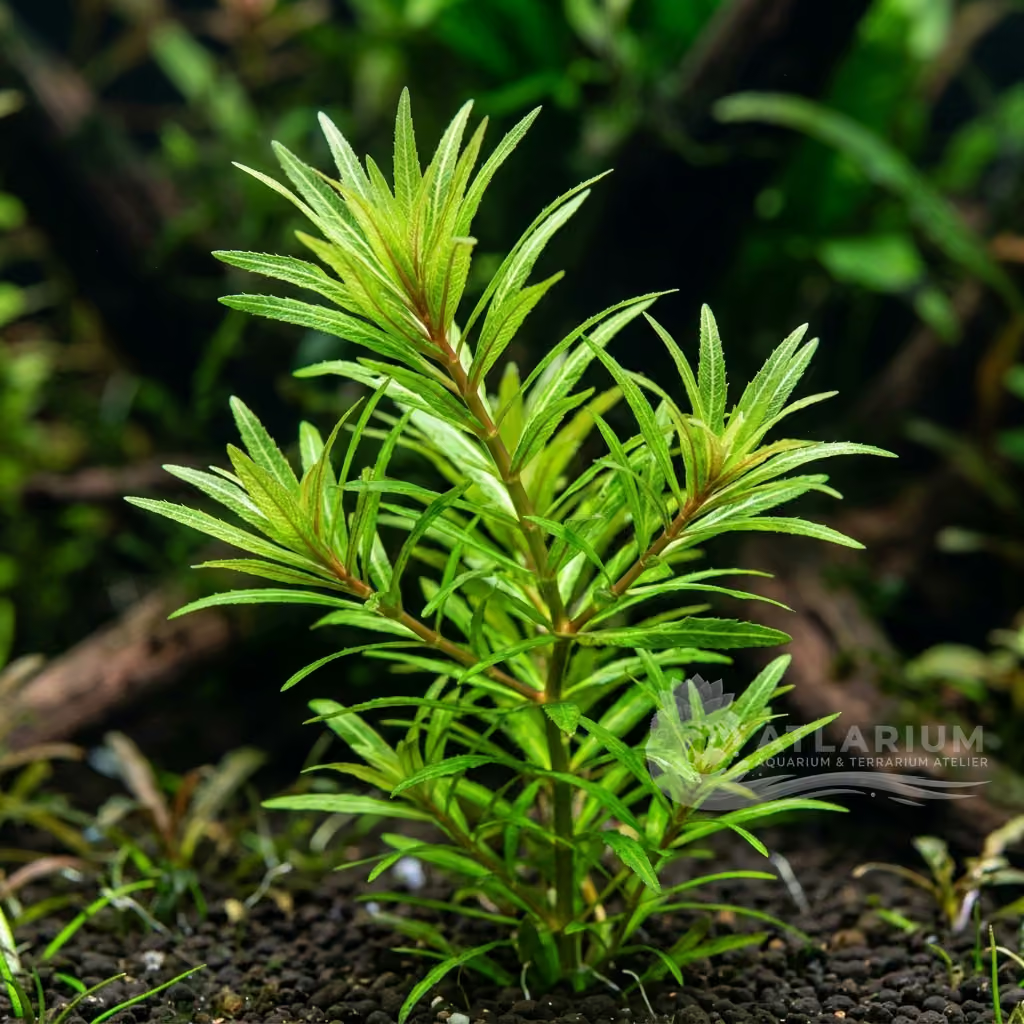
Marsilea drummondii
Marsilea drummondii
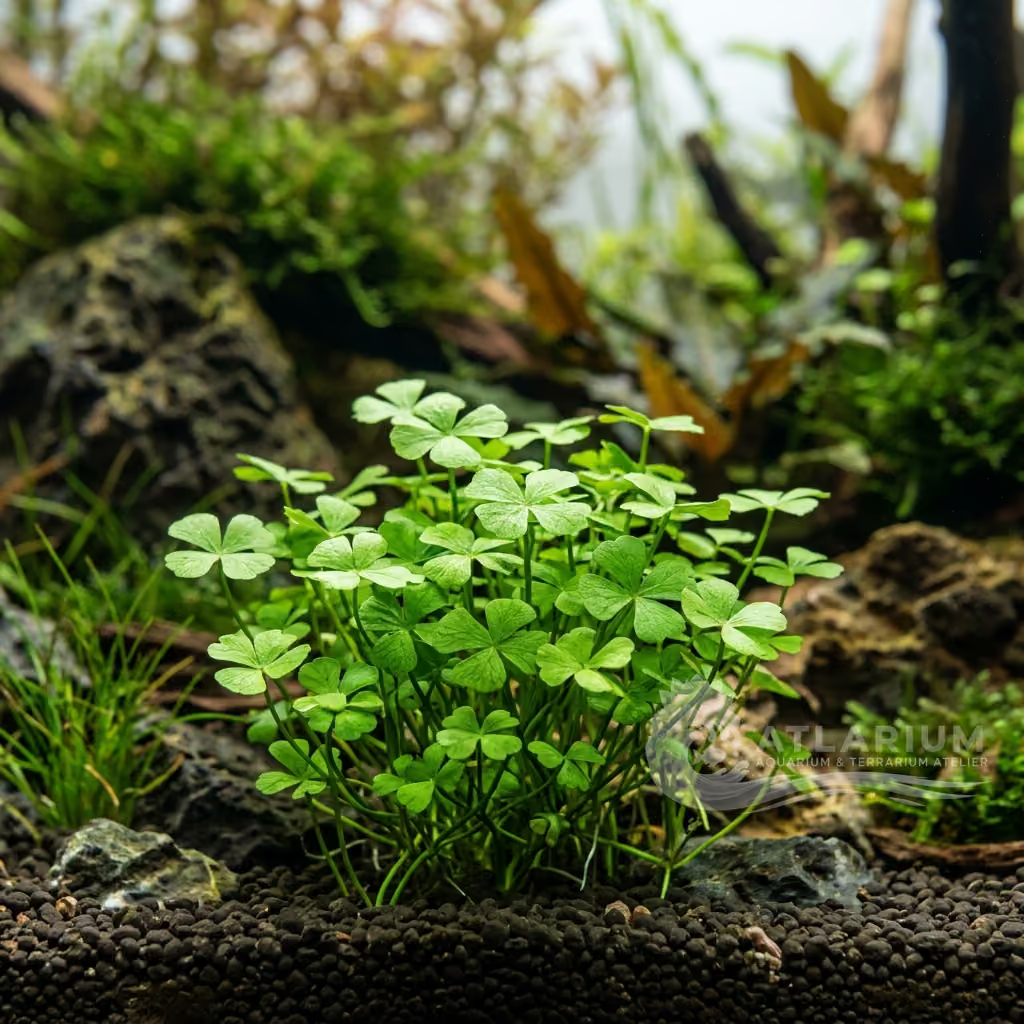
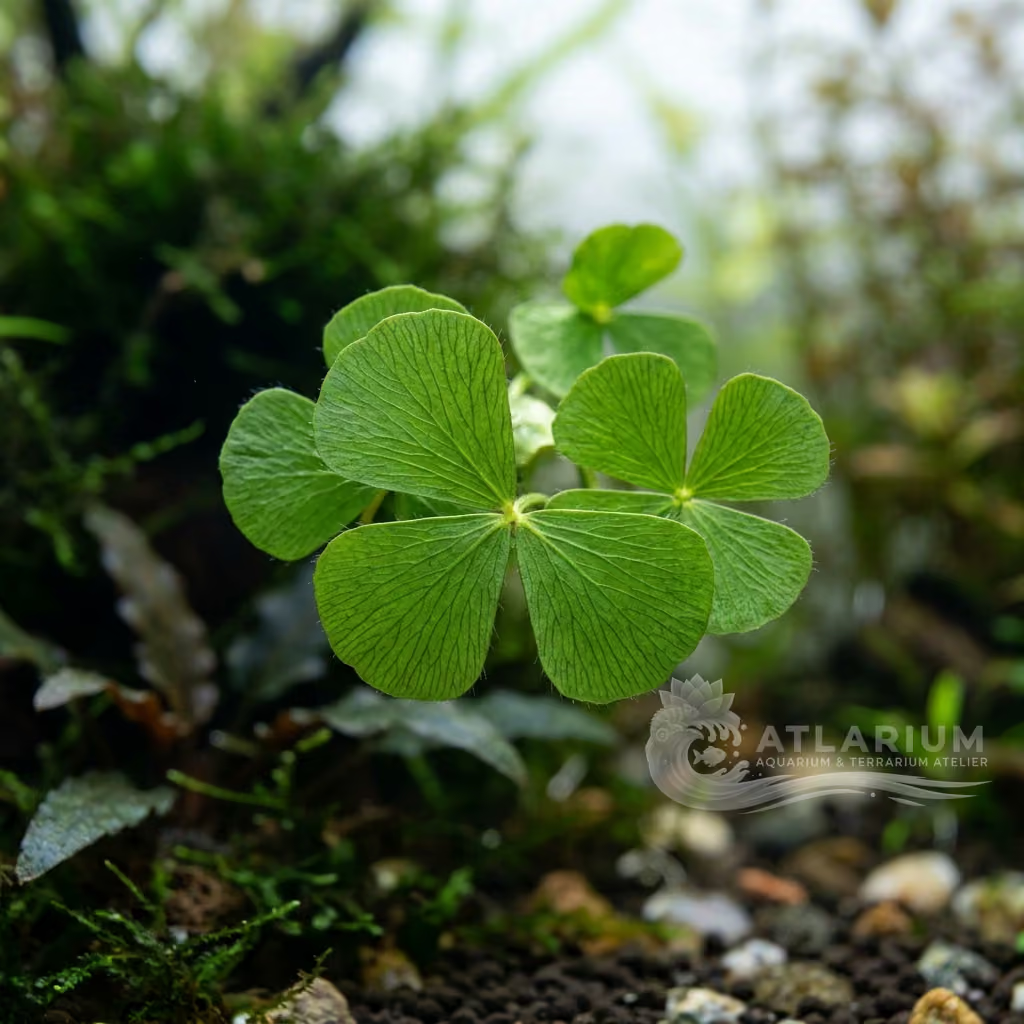
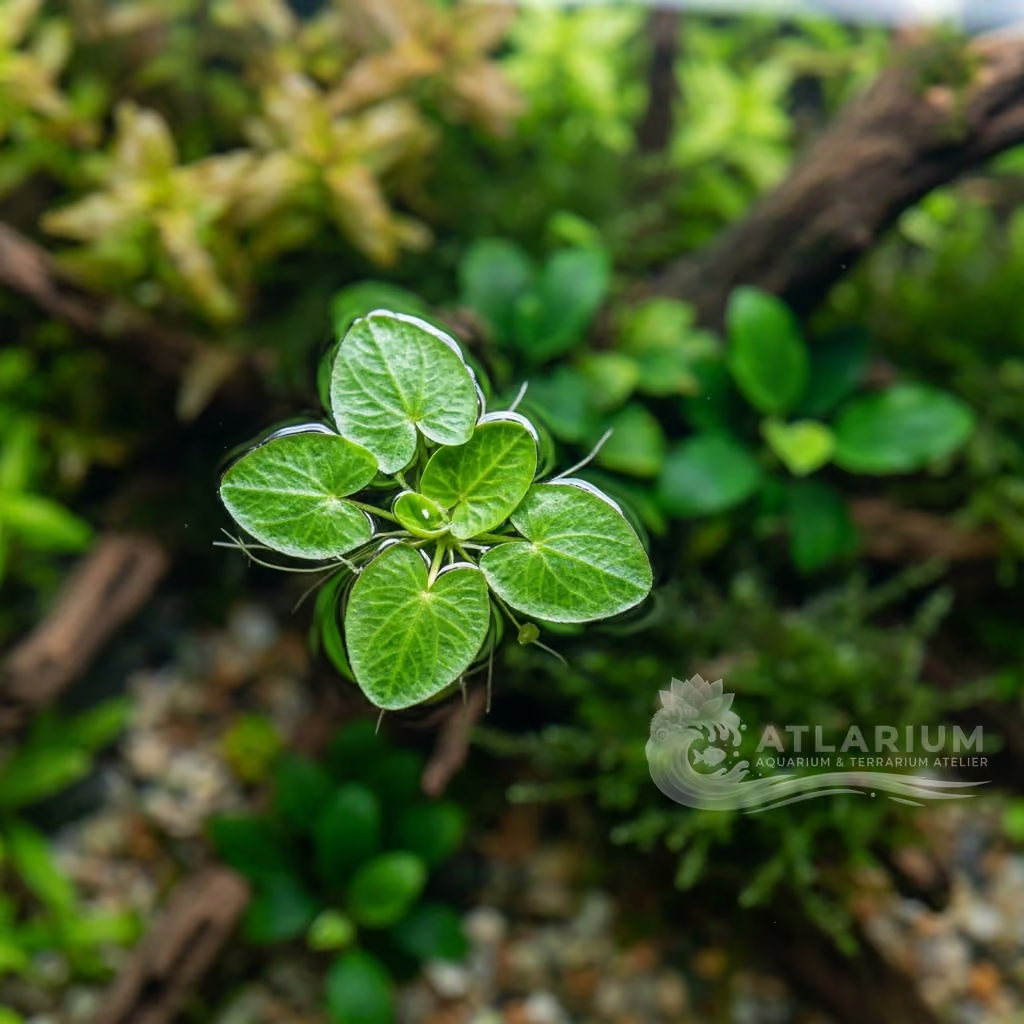
Marsilea drummondii is a charming Australian fern often resembling a four-leaf clover, ideal for midground placement in planted aquariums. With a medium growth rate, it forms attractive carpets or low bushes, bringing a unique botanical texture.
Water Temperature
20 - 28 °C
pH Value
6 - 7.5
Water type
Freshwater
Light
Medium - High
CO2
Medium - High
KH
2 - 10 dKH

Species description
Geographical Origin and Habitat: Marsilea drummondii, commonly known as Nardoo, originates from Australia, where it is widely distributed across various states, including Queensland, New South Wales, Victoria, and South Australia. This semi-aquatic fern thrives in diverse wetland environments, such as the margins of temporary ponds, swamps, slow-moving streams, and flood plains. It demonstrates remarkable adaptability, capable of growing both submerged in water and emersed on damp soil, showcasing different leaf forms depending on its environment. Its natural habitat is characterized by fluctuating water levels, which has shaped its resilient growth habit.
Taxonomy & Genetics: As a member of the family Marsileaceae and the order Salviniales, Marsilea drummondii is a true aquatic fern, distinguishing it from flowering plants. Unlike many aquarium plants that reproduce via seeds, this species propagates through rhizomes and produces sporocarps containing spores for sexual reproduction, though this is rare in an aquarium setting. Its evolutionary lineage places it among ancient vascular plants that have successfully adapted to aquatic lifestyles, exhibiting a unique morphology distinct from most commonly kept aquarium flora. The genus *Marsilea* is notable for its heterosporous nature, producing both microspores and megaspores.
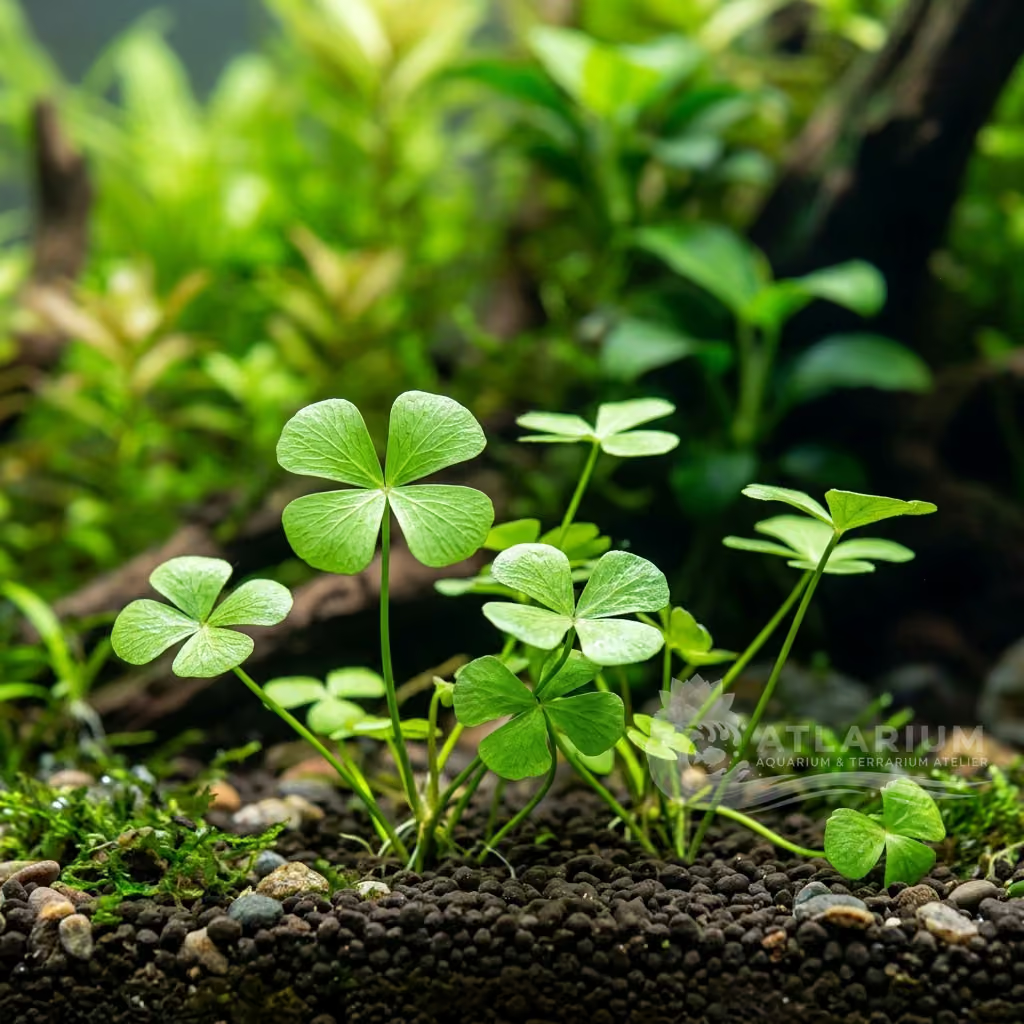
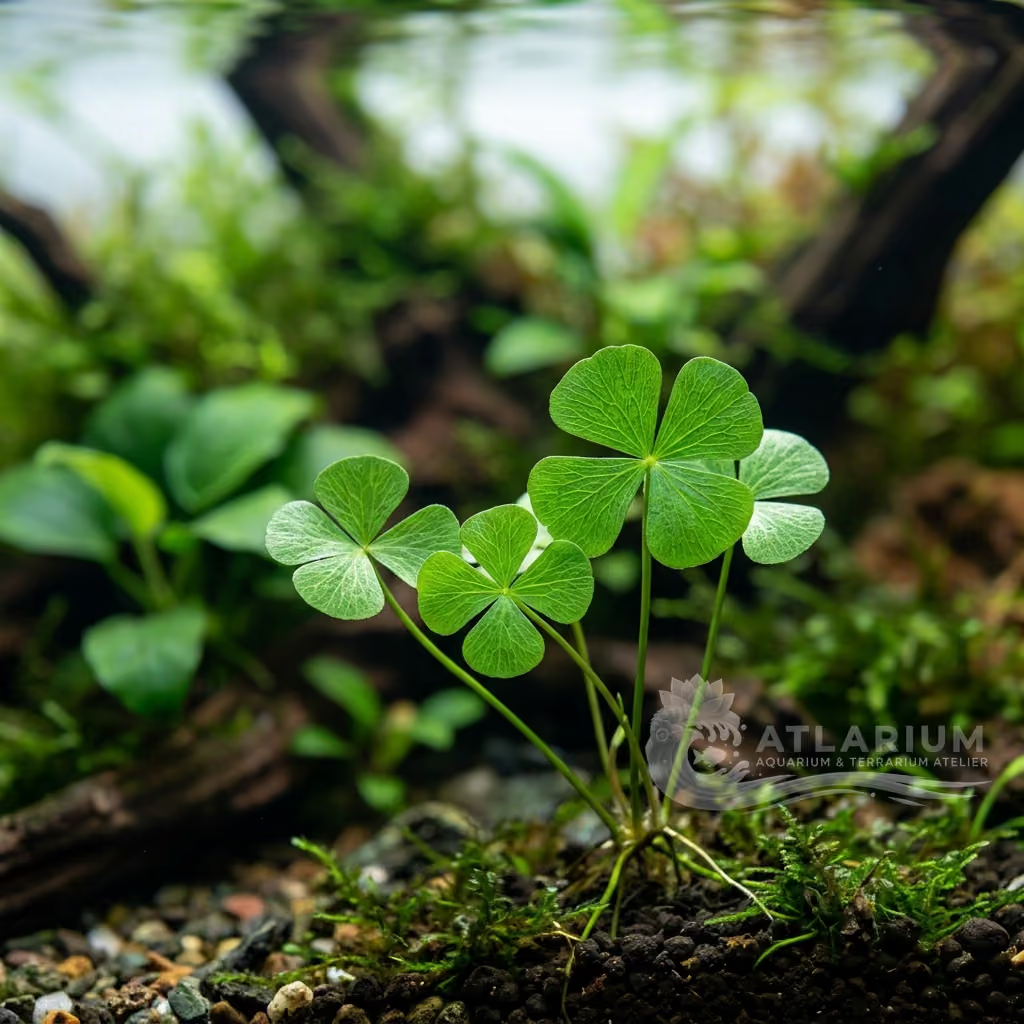
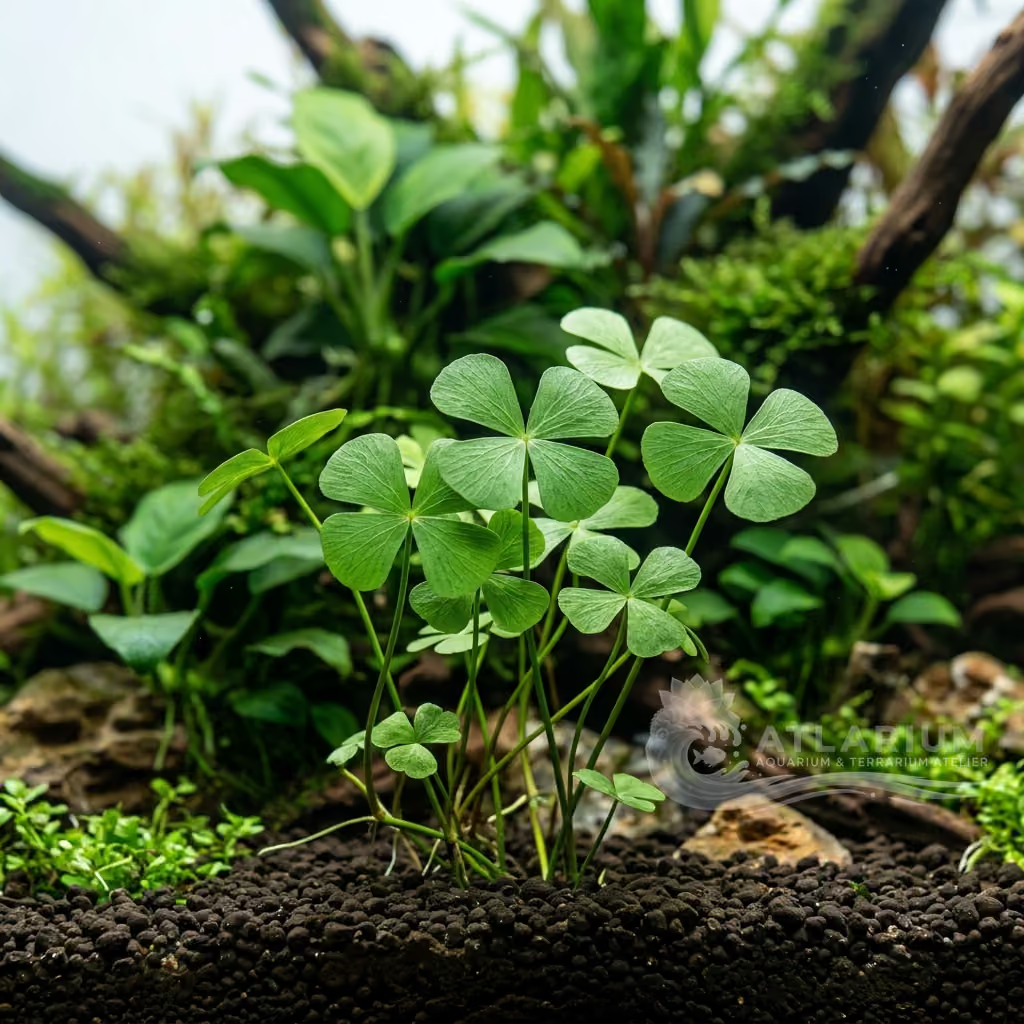
Physical Structure: The physical structure of Marsilea drummondii is characterized by creeping rhizomes that spread horizontally across the substrate, anchoring the plant firmly. From these rhizomes, petioles emerge, bearing the distinctive quadrisect leaves that give it its clover-like appearance. When submerged, the petioles can elongate significantly, and the leaflets may appear more delicate and often slightly narrower than their emersed counterparts. In its emersed form, the plant develops sturdy, hairy petioles and robust, more pronounced leaflets, adapting to atmospheric conditions.
Color & Texture: Marsilea drummondii typically exhibits a vibrant light to medium green coloration, providing a fresh and natural accent in the aquascape. The texture of its leaves is generally smooth and somewhat leathery when emersed, transitioning to a softer, more delicate feel when fully submerged. The surface of emersed leaves often possesses fine hairs, giving them a slightly velvety appearance, a feature largely absent in submerged leaves. The unique four-lobed structure of each leaf creates an interesting visual pattern, adding intricate detail to the planted tank.

Care, breeding and tankmates
Lighting & CO2: For optimal growth and to encourage a dense, compact form, Marsilea drummondii benefits from medium light conditions, though it can tolerate lower light levels with slower growth. Higher light intensity can promote a more carpet-like growth habit, keeping the petioles shorter. While not strictly dependent on CO2 injection, providing supplemental carbon dioxide significantly enhances its growth rate and overall vitality, leading to more robust plants and quicker establishment. Consistent photoperiods of 8-10 hours are ideal to support healthy photosynthesis.
Nutrition & Substrate: Marsilea drummondii is primarily a root feeder, drawing a significant portion of its nutrients directly from the substrate. Therefore, a nutrient-rich substrate, such as an aquatic plant soil or a fine-grained inert substrate enriched with root tabs, is highly recommended. Regular replenishment of root tabs ensures a continuous supply of macro and micronutrients directly to its spreading rhizomes. While it heavily relies on root feeding, supplemental liquid fertilization, particularly with potassium and trace elements, can also support vigorous leaf development.
Water Chemistry: This adaptable fern tolerates a relatively broad range of water parameters, making it suitable for various aquarium setups. It thrives in water temperatures between 20-28°C (68-82°F) and prefers a pH range of 6.0-7.5. A carbonate hardness (KH) between 2-12 dKH is generally acceptable, indicating its resilience to moderately soft to medium-hard water. Stability in water parameters is more crucial than hitting exact numbers; sudden fluctuations can stress the plant.
Space Management & Placement: Given its rhizomatous growth habit, Marsilea drummondii is best placed in the midground where its creeping nature can be utilized to form attractive low carpets or scattered clumps. It requires space to spread its runners, and while it doesn't grow aggressively fast, regular monitoring of its expansion is advisable to prevent it from overrunning smaller foreground plants. Its unique appearance makes it an excellent choice for adding textural contrast or a touch of naturalistic charm to transitional zones within the aquascape.
Pruning: Pruning Marsilea drummondii is primarily focused on managing its spread and removing senescent or damaged leaves. Individual older or yellowing leaves can be snipped at their base where they emerge from the rhizome. To control its horizontal expansion, runners can be carefully trimmed or cut back to restrict growth to a desired area. This practice encourages denser growth in the established patch and prevents it from shading out other plants, maintaining the desired aquascape layout.
Risks & Diseases: Marsilea drummondii is generally robust, but it can suffer from issues related to nutrient deficiencies or unstable water parameters. Melting or sudden decline often indicates a significant environmental shock, such as a drastic change in water chemistry or insufficient CO2/nutrients, especially during the transition from emersed to submerged growth. Algae can sometimes grow on its leaves if light and nutrient levels are imbalanced, though the plant itself is not particularly prone to specific diseases. Maintaining stable, optimal conditions is the best preventive measure.

Geographic origin and distribution
Marsilea drummondii, commonly known as Nardoo, originates from Australia, where it is widely distributed across various states, including Queensland, New South Wales, Victoria, and South Australia. This semi-aquatic fern thrives in diverse wetland environments, such as the margins of temporary ponds, swamps, slow-moving streams, and flood plains. It demonstrates remarkable adaptability, capable of growing both submerged in water and emersed on damp soil, showcasing different leaf forms depending on its environment. Its natural habitat is characterized by fluctuating water levels, which has shaped its resilient growth habit.
Origin
Australia, New Guinea, and Oceania

Plant profile
- Placement
- Midground
- Ideally used as a foreground or midground accent plant, depending on its growth form and the size of the aquarium. It can form a nice, somewhat loose carpet, or act as an interesting transitional element between the foreground and larger hardscape pieces. In shallow water or emersed setups, it can be used near the water's edge to add texture.
- Botanical form
- Rhizome
- Marsilea drummondii typically exhibits lobed leaves that resemble a four-leaf clover, and the leaves can often be hairy or fuzzy in emersed conditions. When grown submersed, the leaves may simplify to single or bilobed forms, similar to other Marsilea species, depending on light intensity. It produces spores in specialized structures called sporocarps near the base of the petioles.
- Growth
- Medium
- It exhibits a moderate to fast growth rate when provided with good lighting and CO2 injection, quickly sending out runners across the tank floor. Under lower tech conditions, its growth will be significantly slower and the leaves may grow taller, reaching for light. Regular trimming of its runners helps to keep it compact and encourages denser lateral growth.
- Substrate
- High
- It establishes best in a fine-grained, nutrient-rich substrate like aqua soil, which allows its creeping runners to take hold easily. In coarser gravels, it may struggle to root securely and could grow more sparsely. A deep substrate bed gives the roots ample room to forage for essential minerals and support the overhead growth.
- Column fertilization
- Recommended
- It benefits from regular liquid fertilization, particularly for trace elements and potassium, which help sustain the health of the rapidly expanding runner network. Liquid dosing ensures that nutrients are available even before the root system is fully established in new plantings. Balancing the liquid nutrients with adequate lighting is key to preventing excessive upward growth.
- Root fertilization
- Required
- As a heavy root feeder that spreads horizontally, providing a nutrient-rich base or using root tabs is highly recommended for optimal development. The plant absorbs a large portion of its required nutrition from the substrate, fueling the continuous production of new leaves and runners. Well-fed roots result in shorter, more compact leaf stalks and a denser overall appearance.
- Trimming
- Occasional
- Trimming Marsilea drummondii is a straightforward process that helps maintain its desired shape and density. Runners can be cut to control its spread, or overgrown leaves trimmed down. It is also crucial to regularly remove any older or decaying plant material to ensure optimal light penetration and overall hygiene.
- Propagation
- Rhizome division
- Propagation is achieved simply by dividing the horizontal runners that the plant naturally produces. Cut a section of the runner containing several healthy leaves and an established root node, then replant it into the substrate. The new cuttings will quickly adapt and begin sending out their own runners to colonize the surrounding area.
- Sensitivity
- Moderate
- Marsilea drummondii is generally considered a hardy species, capable of tolerating a fairly wide range of water parameters. It does not typically exhibit extreme sensitivity to standard aquarium medications or minor chemical fluctuations. Nevertheless, care should be taken to maintain a balanced ecosystem, as slow-growing or shaded parts can become susceptible to algae accumulation.
- Layout role
- Midground, group, accent
- In the art of aquascaping, Marsilea drummondii primarily functions to provide a lush foreground carpet. Its unique structural appearance offers an excellent visual contrast when placed adjacent to rocks, driftwood, or broader-leafed species. Ultimately, it helps to seamlessly blend different hardscape features and softens the overall aesthetic of the tank.

Related species
Recommendations grouped by close relatives, companion choices, and similar care.