Marsilea quadrifolia
Marsilea quadrifolia
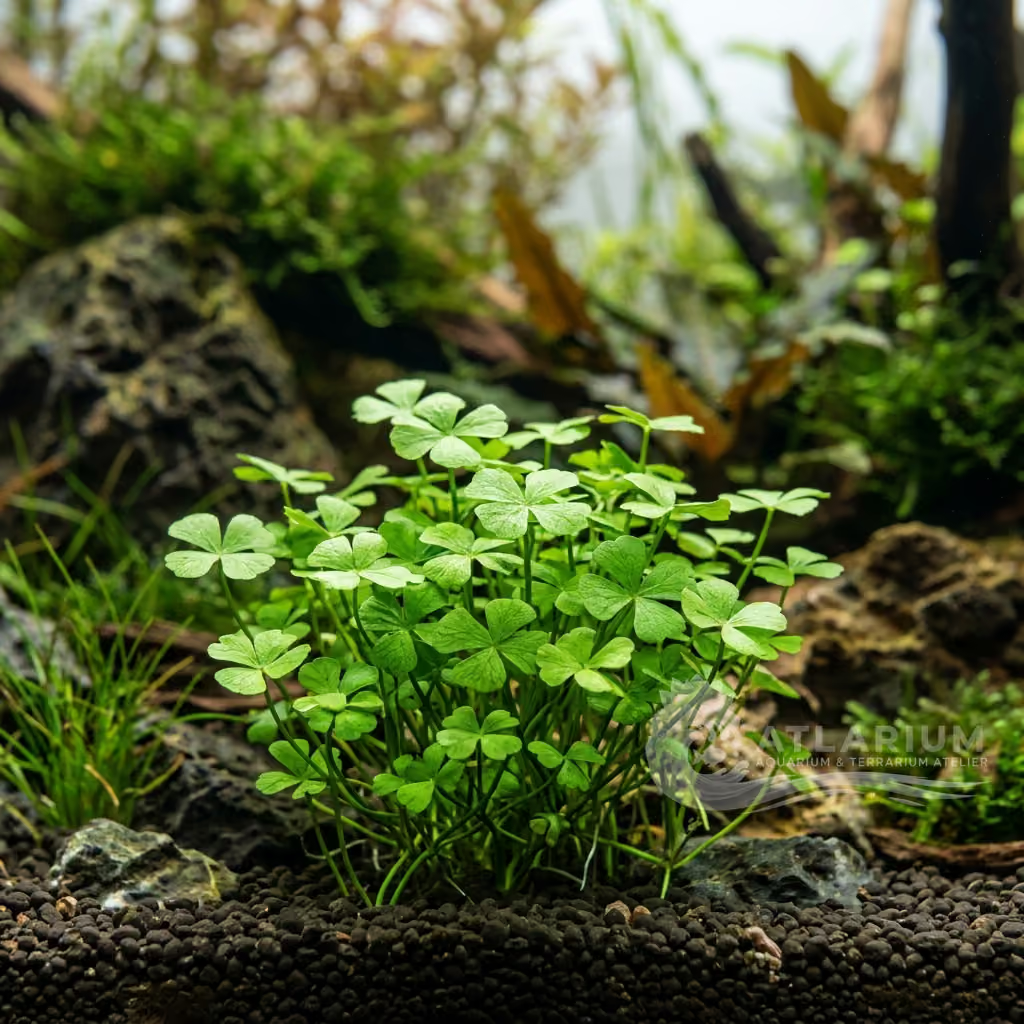
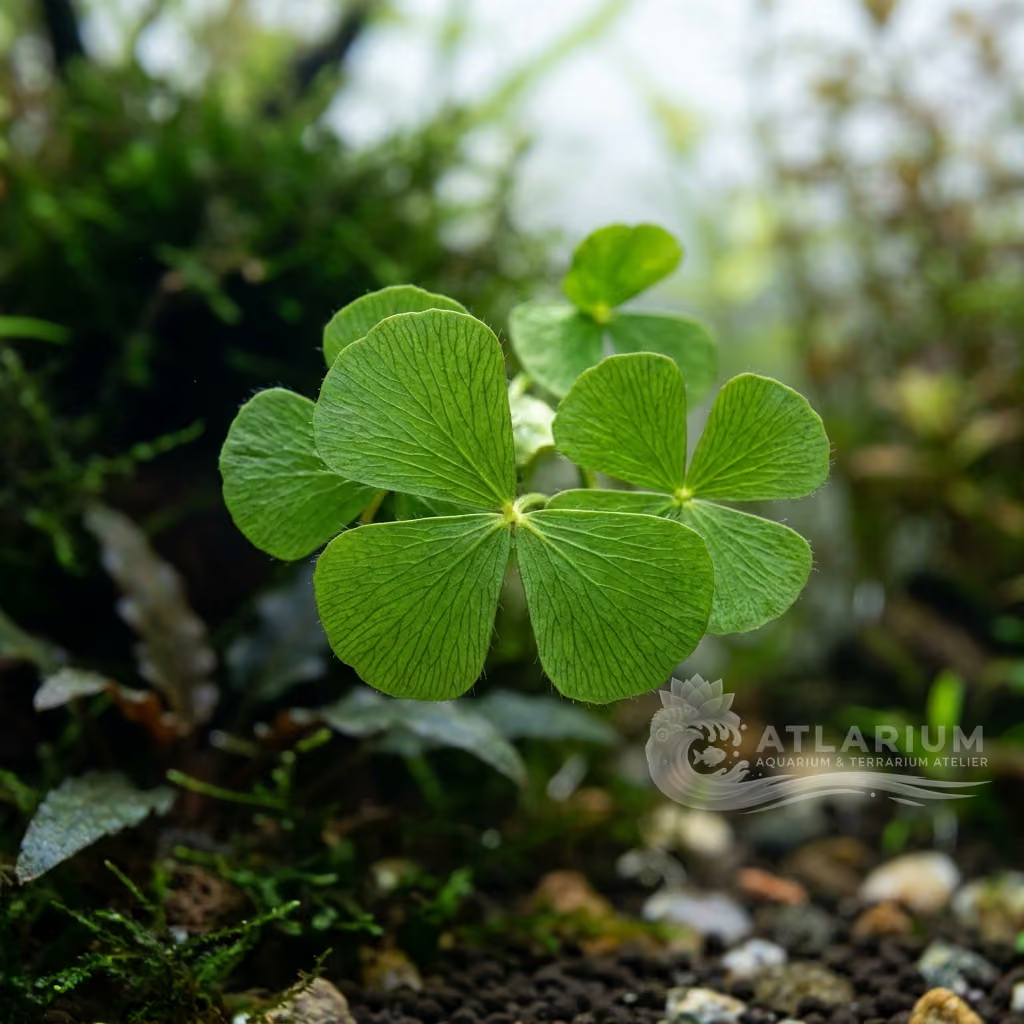
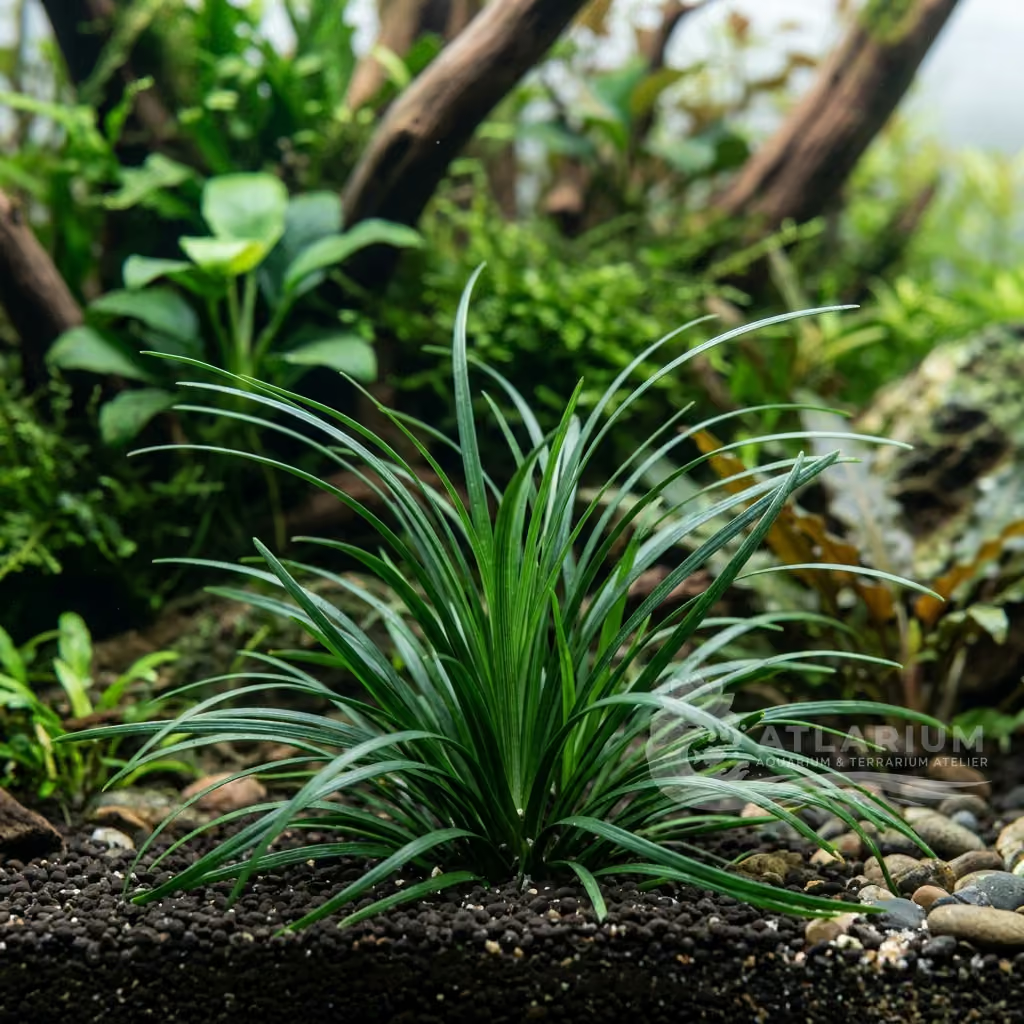
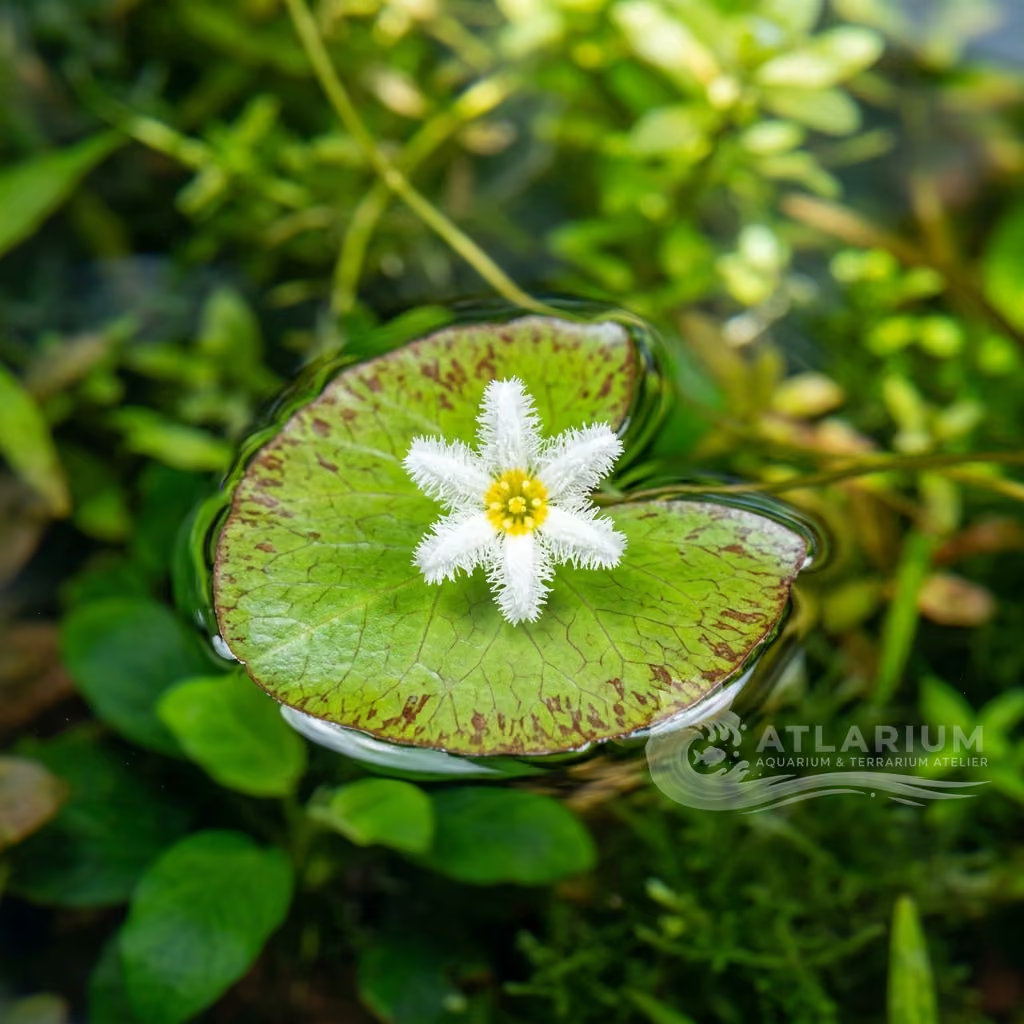
Marsilea quadrifolia is a versatile aquatic fern, ideal for midground placement where it can form a dense carpet or compact bush due to its medium growth rate. Its creeping nature makes it excellent for creating a submerged lawn effect or filling intermediate spaces with its characteristic four-leaf clover foliage.
Water Temperature
4 - 30 °C
pH Value
6 - 7.5
Water type
Freshwater
Light
Medium - High
CO2
Low - High
KH
2 - 10 dKH

Species description
Geographical Origin and Habitat: Marsilea quadrifolia is a cosmopolitan species, widely distributed across temperate and subtropical regions of Europe, Asia, and North America. It is naturally found in shallow aquatic environments, such as lake edges, ponds, ditches, and slow-moving rivers, often rooted in mud or moist substrate. It thrives in calm or nearly stagnant water conditions, where its leaves can emerge or remain fully submerged depending on water levels. This adaptability makes it a robust plant for aquascaping.
Taxonomy & Genetics: Belonging to the family Marsileaceae, Marsilea quadrifolia is a true aquatic fern, not a grass or clover as its appearance might suggest. Its scientific name "quadrifolia" clearly refers to the characteristic four-lobed structure of its leaves, which makes it resemble a four-leaf clover. This classification distinguishes it from flowering plants, as it relies on sporocarps for reproduction, a peculiarity that highlights its ancient evolutionary lineage. It is a fascinating specimen that bridges the world of terrestrial ferns with the aquatic environment.
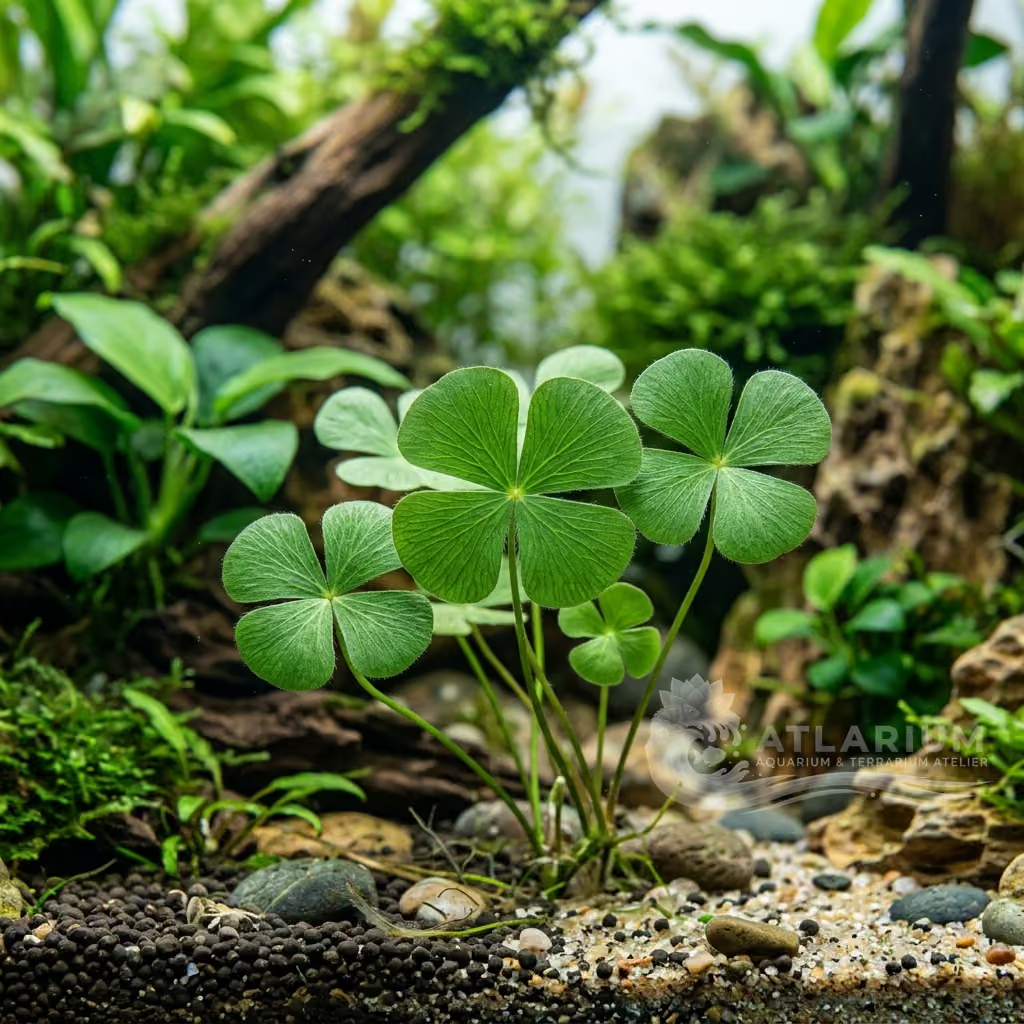
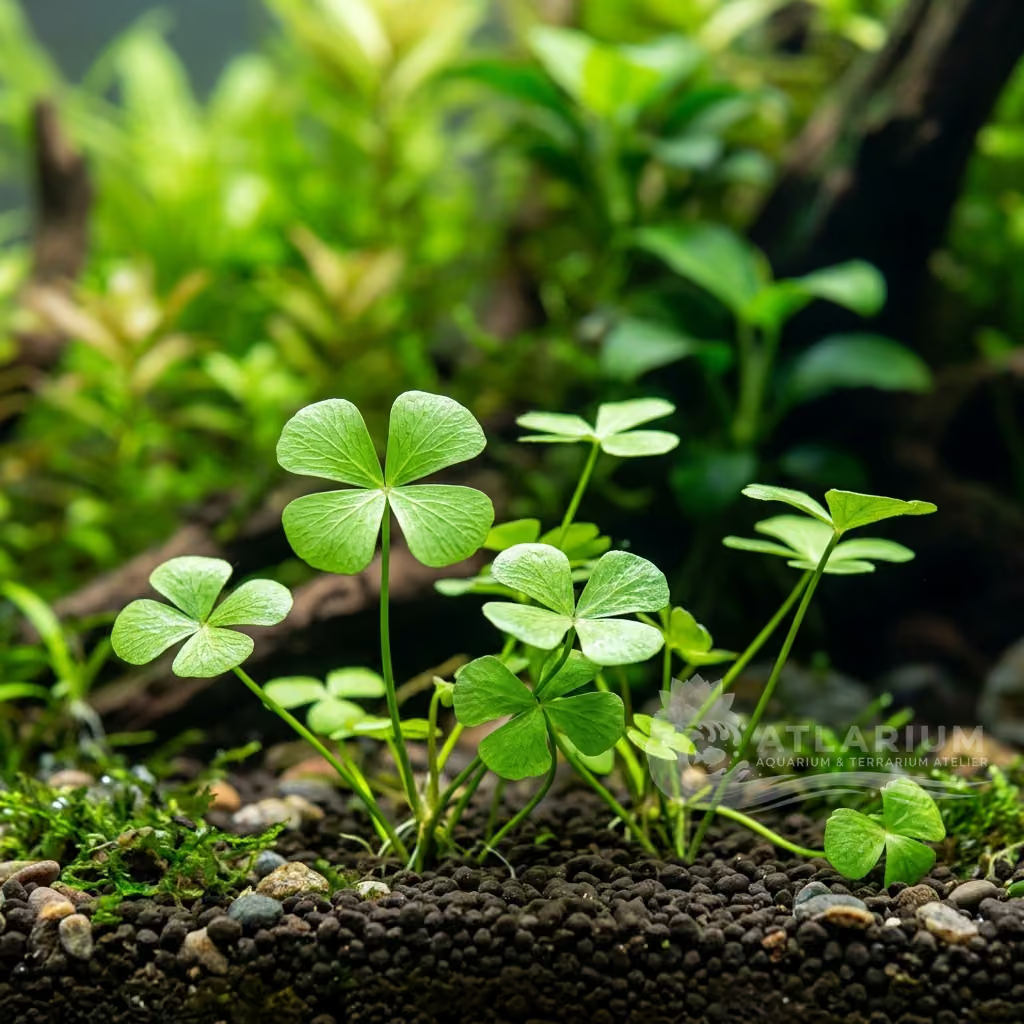
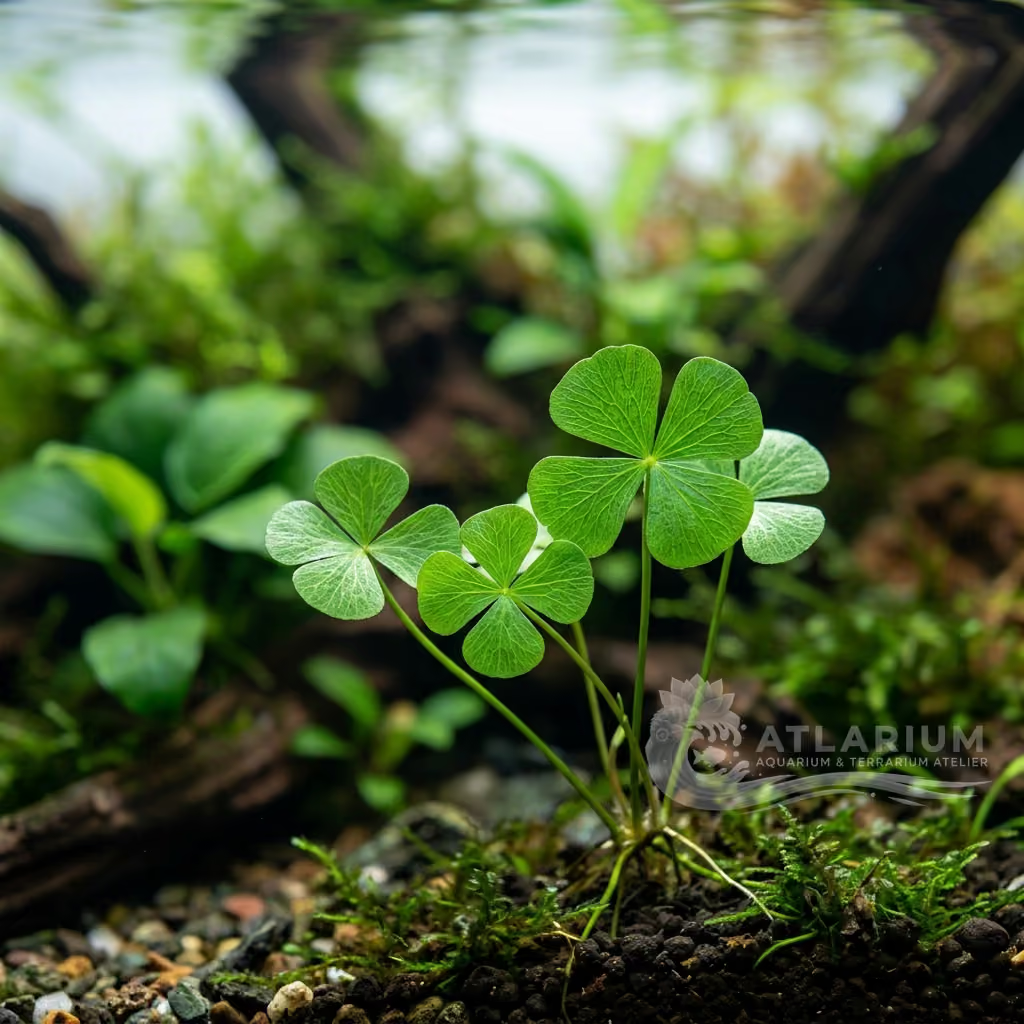
Physical Structure: Marsilea quadrifolia develops from a creeping rhizome that spreads horizontally through the substrate, from which its characteristic fronds emerge. In submerged conditions, the leaves initially take on an elongated or spatulate shape before developing the typical four-leaf clover form when they reach the surface or under strong lighting. The fronds are supported by petioles that can vary in length depending on water depth and light intensity. This structure allows the plant to adapt to various aquatic contexts, from covering the substrate to a more prominent presence in the midground.
Color & Texture: The leaves of Marsilea quadrifolia display a vibrant bright green coloration, which can intensify or shift to darker tones depending on light intensity and nutrient availability. The frond surface is typically smooth and slightly waxy, lending a delicate yet resilient appearance in water. In emersed conditions, the leaves may acquire a tougher texture and a darker shade of green. Its "four-leaf clover" aesthetic adds a unique and attractive visual element to the aquatic landscape, creating an interesting contrast with more traditional-leaved plants.

Care, breeding and tankmates
Lighting & CO2: For Marsilea quadrifolia, medium lighting is generally sufficient for healthy growth and a good green color. However, to encourage more compact growth and more intense coloration, higher light can be provided, provided it is balanced with adequate fertilization and CO2 supplementation. CO2 is not strictly essential for its survival but significantly enhances growth rate and foliage density, contributing to thicker, more vigorous carpets. Insufficient lighting can lead to elongated petioles and smaller, sparser leaves.
Nutrition & Substrate: As a plant that spreads via rhizomes, Marsilea quadrifolia greatly benefits from a nutrient-rich substrate packed with trace elements and macronutrients. The integration of root tabs placed near the rhizome is highly recommended to support robust growth and prevent deficiencies. A balanced liquid fertilizer regime, providing potassium, nitrogen, and micronutrients in the
Water Chemistry: Marsilea quadrifolia is quite tolerant of a wide range of water parameters, making it suitable for various aquarium setups. The ideal temperature ranges between 4.0 and 30.0 C, though stability around 20-26 C is optimal for consistent growth. It maintains good health in a pH range of 6.0 to 7.5 and a carbonate hardness (KH) between 2 and 12. Maintaining stable parameters is more crucial than achieving specific values, as this prevents stress and fosters a balanced growing environment.
Space Management & Placement: Given its carpeting habit and medium growth rate, Marsilea quadrifolia is ideal for midground placement, where it can create a transitional effect between the foreground and taller plants. Its tendency to spread via rhizomes requires space management to prevent it from outcompeting slower-growing neighboring plants. For a dense carpet effect, it can be planted in close groups, allowing the rhizomes to intertwine and cover the desired area. Its versatility also allows it to be used to soften transitions or create a medium-height submerged lawn.
Pruning: Regular pruning is essential to control the growth of Marsilea quadrifolia and maintain its desired shape within the aquarium. Since it spreads rapidly via rhizomes, it is important to trim older or excessively long fronds at the base of the petiole to encourage denser, more compact growth. This method also helps prevent shading of underlying plants and stimulates the production of new, smaller, more vigorous leaves. Periodic trimming keeps the plant healthy and the aquascape tidy.
Risks & Diseases: Marsilea quadrifolia is a robust plant, but it can exhibit problems if conditions are not optimal. Nutrient deficiencies often manifest as yellowing leaves or stunted growth, which can be remedied with appropriate fertilizers. Excessive lighting without sufficient CO2 and nutrients can encourage algae growth on its leaves, compromising photosynthesis and aesthetics. Furthermore, sudden instability in water parameters can cause leaf melt, requiring attention to regular maintenance and gradual water changes.

Geographic origin and distribution
Marsilea quadrifolia is a cosmopolitan species, widely distributed across temperate and subtropical regions of Europe, Asia, and North America. It is naturally found in shallow aquatic environments, such as lake edges, ponds, ditches, and slow-moving rivers, often rooted in mud or moist substrate. It thrives in calm or nearly stagnant water conditions, where its leaves can emerge or remain fully submerged depending on water levels. This adaptability makes it a robust plant for aquascaping.
Origin
Cosmopolitan or introduced

Plant profile
- Placement
- Midground
- It is often used as a midground or foreground plant, depending on the lighting and tank size. Under high light, it stays lower to the ground and forms a nice carpet, while under lower light, it may shoot up taller stalks, making it suitable for the midground. It can also be grown emersed around the edges of open-top tanks or in paludariums.
- Botanical form
- Rhizome
- Unlike some other Marsilea species, this plant frequently retains its iconic four-lobed 'clover' leaves even when grown fully submersed. The leaves are held on thin, flexible petioles that emerge from creeping rhizomes running along the substrate. It has a charming, delicate appearance that adds a unique texture to the planted aquarium.
- Growth
- Medium
- Marsilea quadrifolia exhibits a moderate growth rate, spreading steadily via runners when conditions are favorable. It is generally not an invasive grower, making it relatively easy to maintain compared to faster-growing carpeting plants. In low-tech setups, expect a slow and steady expansion rather than a rapid carpet formation.
- Substrate
- High
- A soft, nutrient-rich substrate like aqua soil is highly beneficial, allowing its runners to easily root and spread across the aquarium floor. It can be grown in sand or finer gravel if root tabs are provided to supply necessary nutrients to the base. Hard, large gravel can impede the spread of its delicate runners.
- Column fertilization
- Recommended
- Regular dosing of a complete liquid fertilizer is recommended to support overall plant health and vibrant coloration. The leaves are capable of drawing nutrients directly from the water column, complementing the nutrients absorbed by the roots. It is particularly responsive to iron additions, which enhance the deep green of its foliage.
- Root fertilization
- Recommended
- Being a runner-based plant, it draws significant nutrition from the substrate, making root tabs or a rich base layer essential for optimal growth. A fertile substrate encourages the plant to spread horizontally rather than growing tall and leggy. Providing targeted root fertilization near new runners will accelerate its carpeting progress.
- Trimming
- Occasional
- Trimming Marsilea quadrifolia is a straightforward process that helps maintain its desired shape and density. Runners can be cut to control its spread, or overgrown leaves trimmed down. It is also crucial to regularly remove any older or decaying plant material to ensure optimal light penetration and overall hygiene.
- Propagation
- Rhizome division
- Propagation is very easy and involves dividing the creeping runners. Simply snip the runner between the leaf nodes, ensuring each new section has a few healthy leaves and roots attached. Plant the cuttings directly into the substrate, spacing them out to cover more area and speed up the carpeting process.
- Sensitivity
- Moderate
- Marsilea quadrifolia is generally considered a hardy species, capable of tolerating a fairly wide range of water parameters. It does not typically exhibit extreme sensitivity to standard aquarium medications or minor chemical fluctuations. Nevertheless, care should be taken to maintain a balanced ecosystem, as slow-growing or shaded parts can become susceptible to algae accumulation.
- Layout role
- Midground, group, accent
- In the art of aquascaping, Marsilea quadrifolia primarily functions to provide a lush foreground carpet. Its unique structural appearance offers an excellent visual contrast when placed adjacent to rocks, driftwood, or broader-leafed species. Ultimately, it helps to seamlessly blend different hardscape features and softens the overall aesthetic of the tank.

Related species
Recommendations grouped by close relatives, companion choices, and similar care.