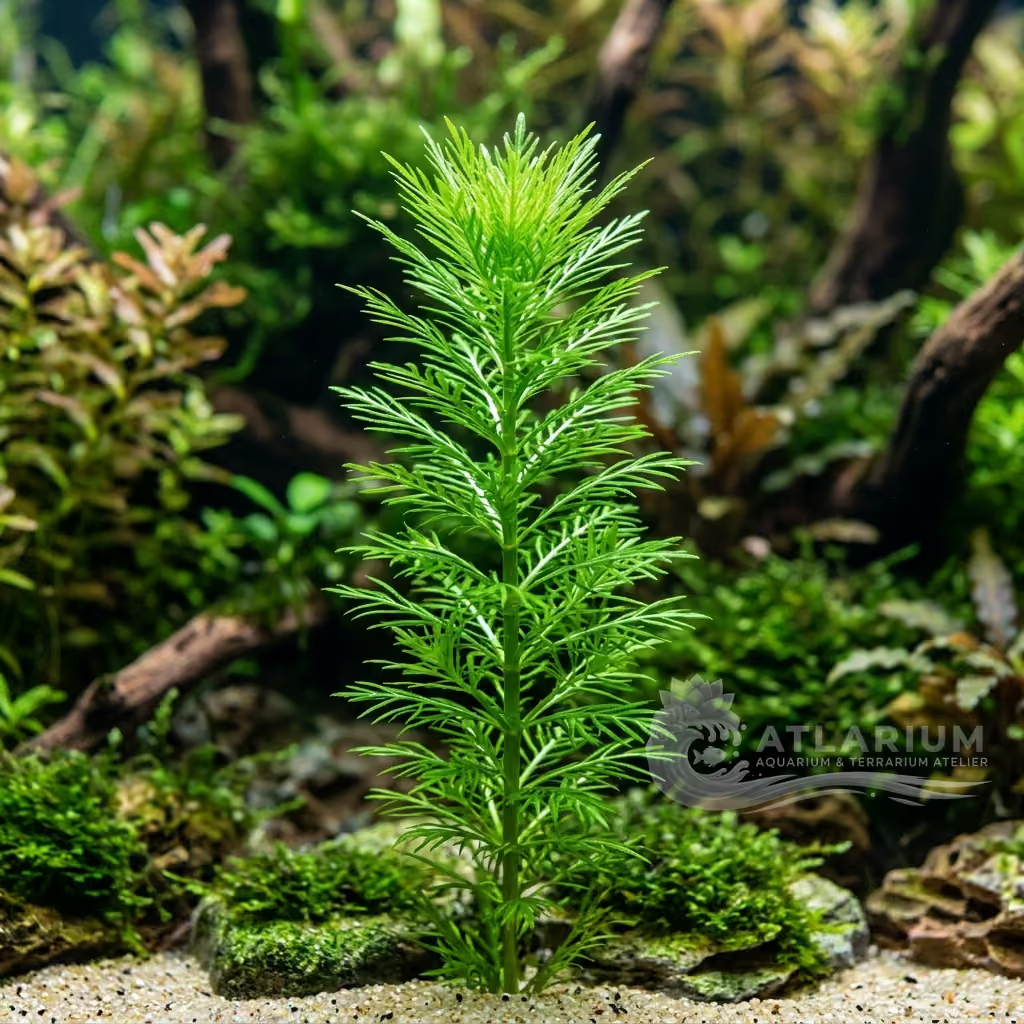
Marsilea crenata
Marsilea crenata
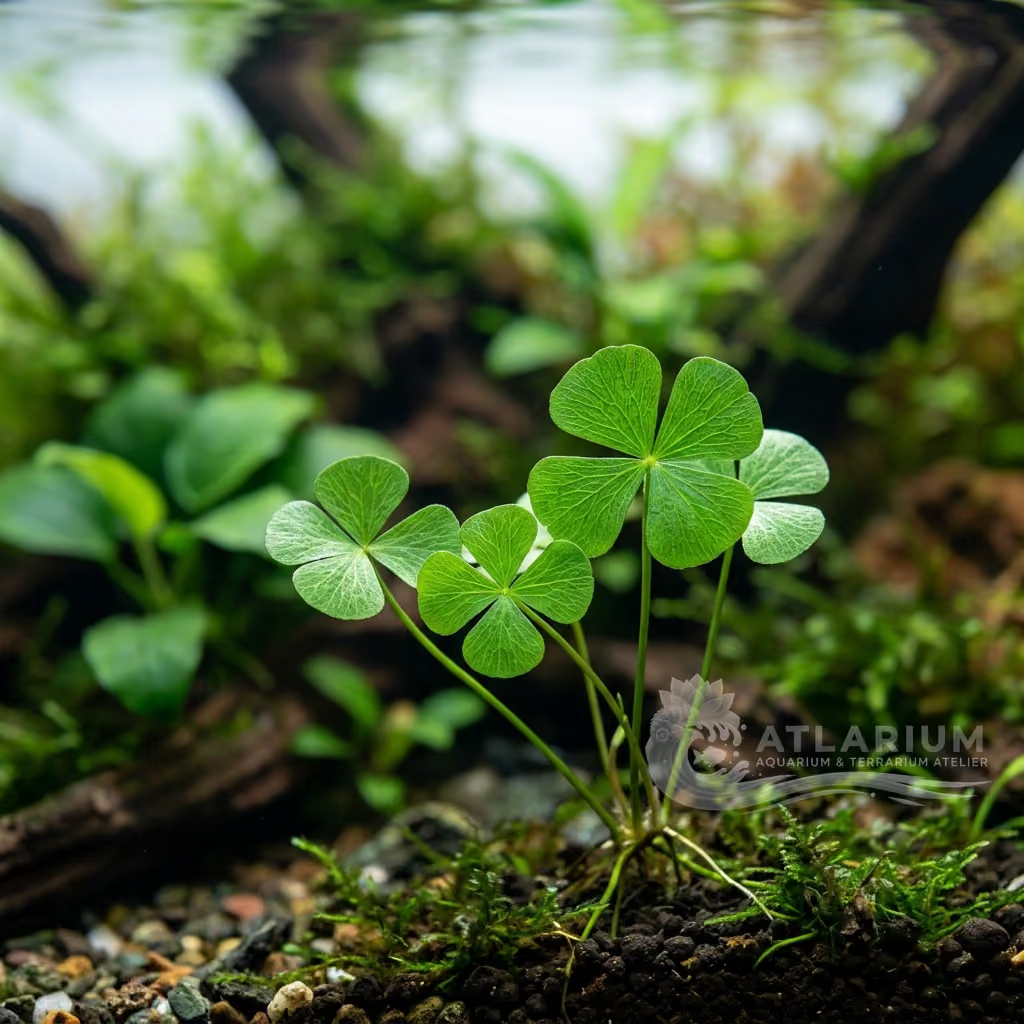
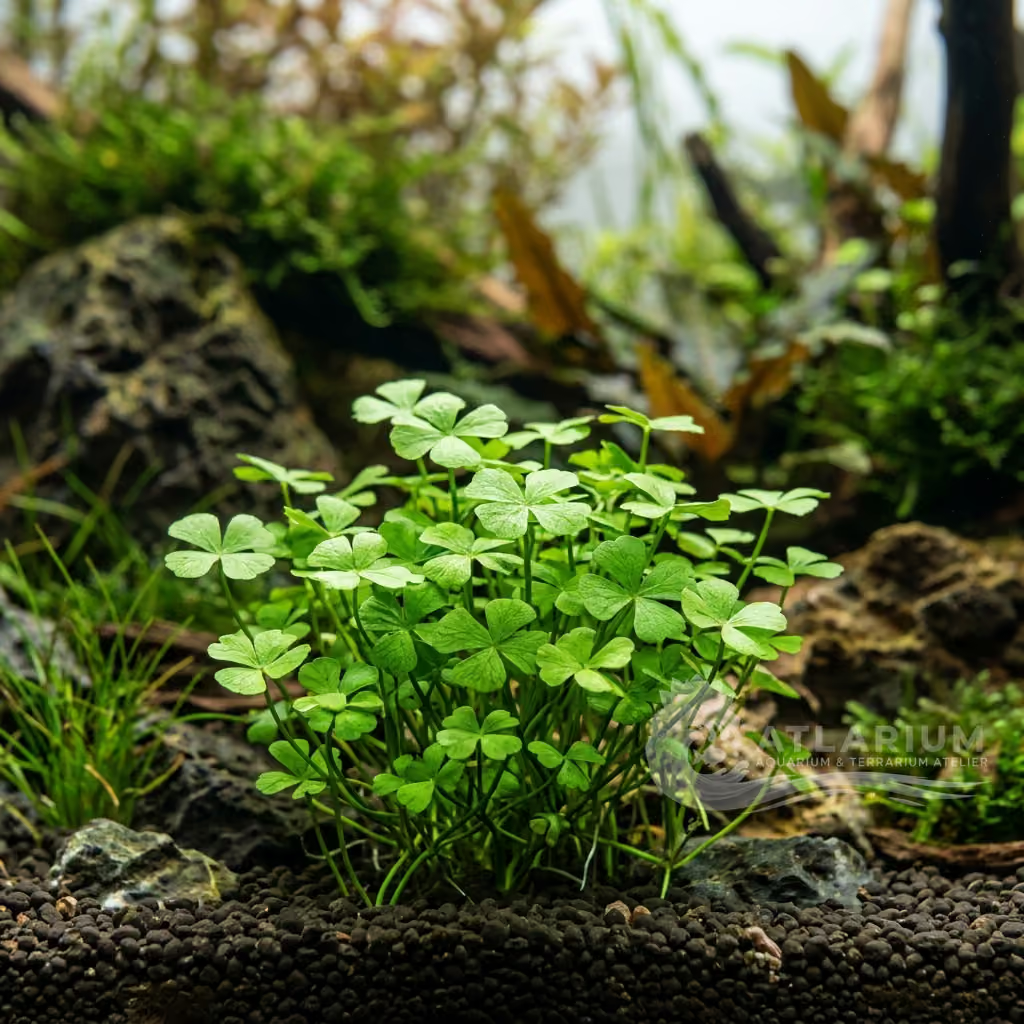
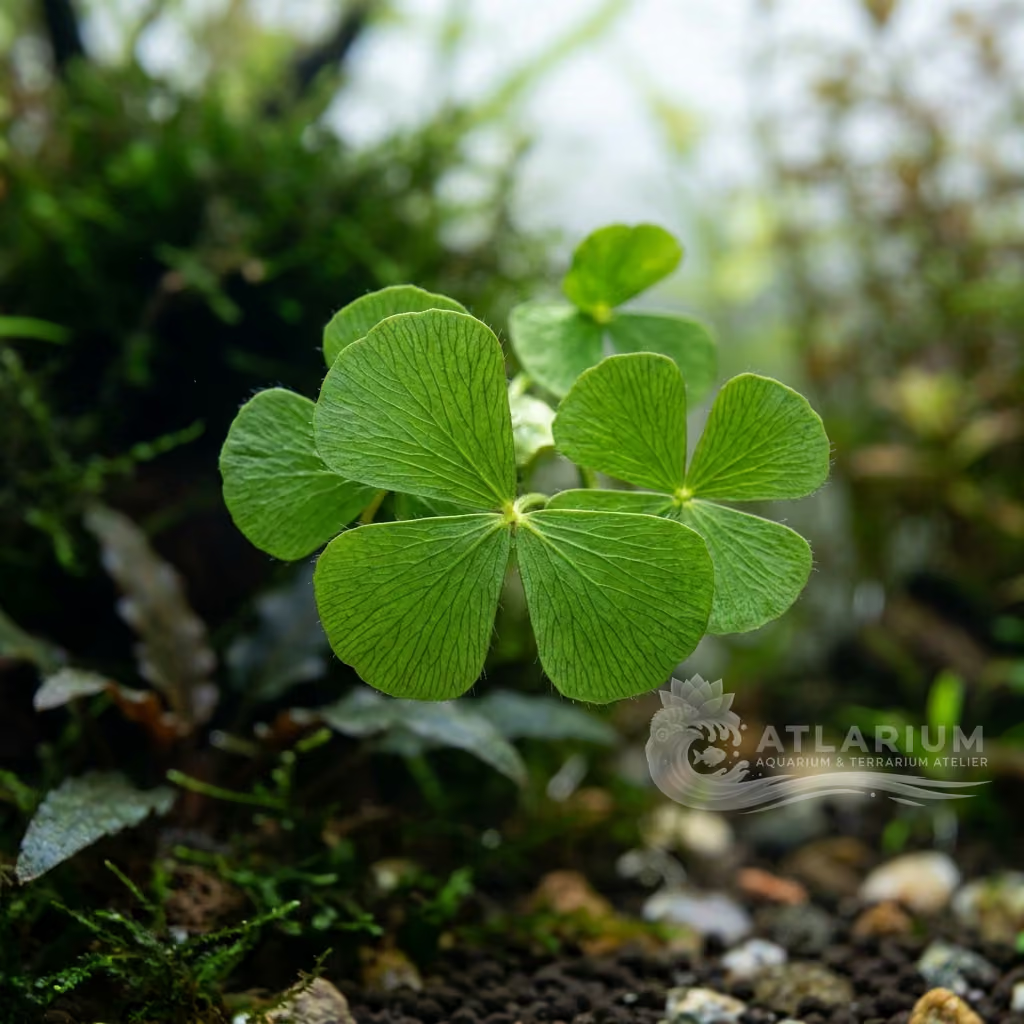
Marsilea crenata is a charming foreground aquatic fern that forms a dense, vibrant carpet, adding depth and texture to any aquascape. With a medium growth rate, it slowly but steadily spreads via stolons, creating a lush green lawn effect.
Water Temperature
22 - 28 °C
pH Value
6 - 7.5
Water type
Freshwater
Light
Medium - High
CO2
Medium - High
KH
2 - 10 dKH

Species description
Geographical Origin and Habitat: This captivating aquatic fern originates from the tropical and subtropical regions of Southeast Asia, where it thrives in marshy environments, slow-moving river margins, and notably, in rice paddies. Its amphibious nature allows it to adapt to both fully submerged and emergent conditions, developing slightly different leaf forms depending on the environment. In its natural habitat, Marsilea crenata is accustomed to seasonal fluctuations in water levels, making it a robust and adaptable plant capable of handling a range of aquatic conditions, provided they remain stable.
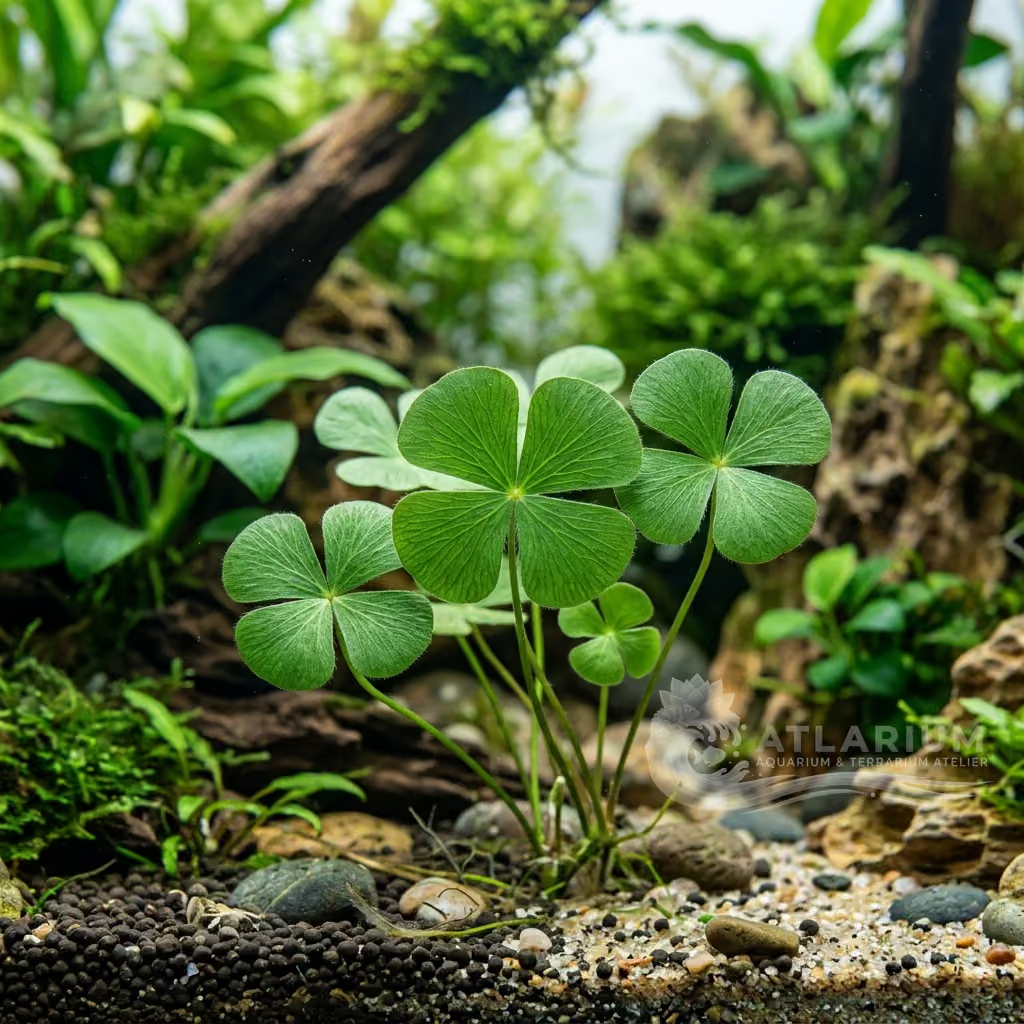
Taxonomy & Genetics: Marsilea crenata belongs to the Marsileaceae family, a distinct group of aquatic ferns that differ from most terrestrial ferns by their reproduction via sporocarps and their aquatic or semi-aquatic growth habit. Taxonomically, it is related to the "clover ferns" and, despite not being a true legume, its compound four-lobed leaves give it an iconic resemblance to a four-leaf clover. This unique structure is the result of adaptive evolution to an aquatic environment, where such forms maximize surface area for photosynthesis underwater.
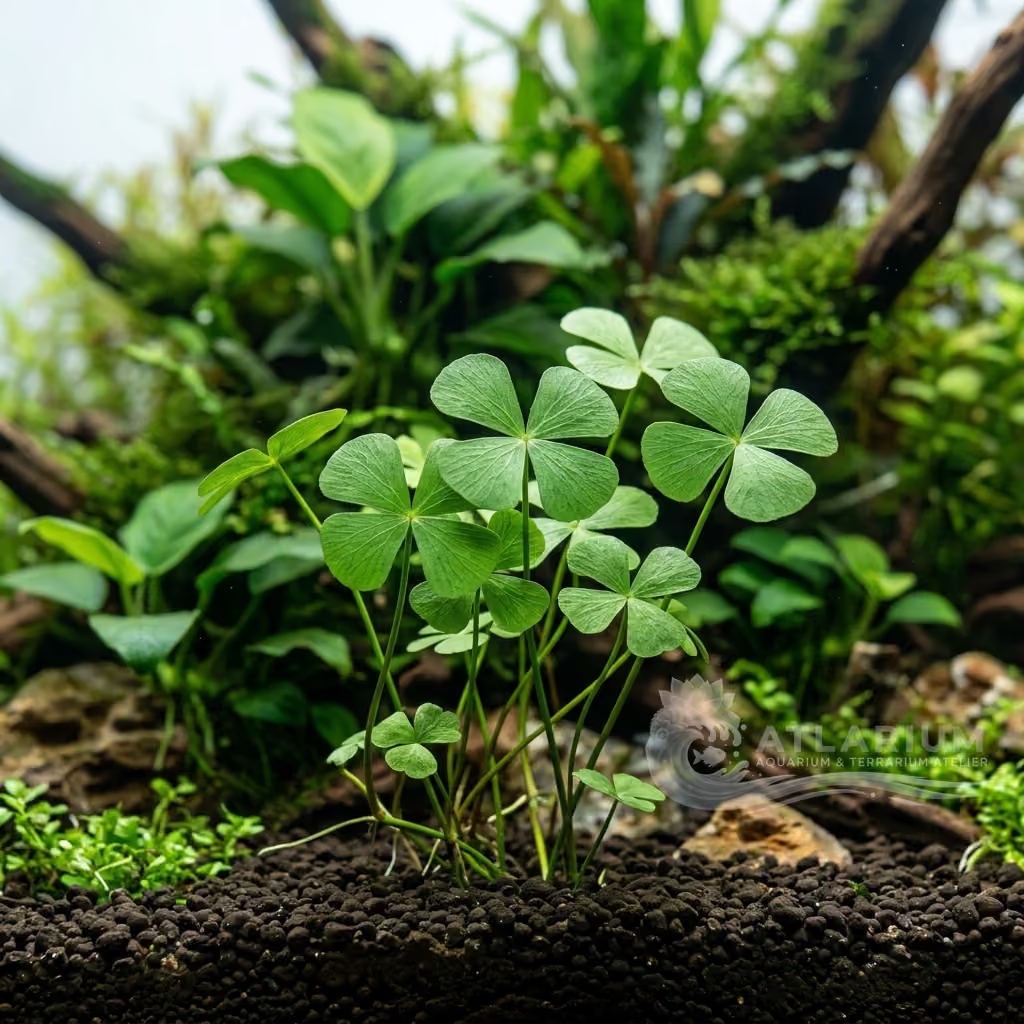
Physical Structure: Structurally, Marsilea crenata is characterized by creeping rhizomes that extend horizontally through the substrate, from which slender petioles emerge to support the leaves. Each "leaf" is actually composed of four leaflets, typically oval or heart-shaped, arranged to resemble a small four-leaf clover. Under intense light and good nutrition, the plant tends to maintain a low, dense growth habit, forming a compact grassy carpet. In lower light conditions, the petioles may elongate to reach the light source, giving it a taller and less compact appearance.
Color & Texture: The predominant color of Marsilea crenata is a vibrant and lively green, which can vary in intensity depending on lighting conditions and nutrient availability. With adequate light and iron supplementation, the leaves will display a more saturated and intense hue, contributing to an appealing visual contrast in the aquarium. The texture of the leaflets is smooth and slightly fleshy to the touch, imparting a delicate feel despite being a fairly robust plant. This appearance and its ability to carpet create a soft, natural visual effect highly sought after in aquascaping.

Care, breeding and tankmates
Lighting & CO2: For optimal growth and dense carpeting, Marsilea crenata greatly benefits from medium intensity lighting. With insufficient light, the leaves will tend to stretch upwards towards the surface, compromising the desired carpet effect. CO2 injection is highly recommended; this not only significantly accelerates the growth rate but also encourages a more compact growth habit and more vibrant coloration, facilitating the creation of a lush, uniform lawn. Enhanced photosynthesis through CO2 allows the plant to absorb nutrients more efficiently, resulting in superior overall health.
Nutrition & Substrate: As a plant that spreads via underground rhizomes, Marsilea crenata greatly benefits from a fertile, nutrient-rich substrate. The use of an aquasoil or a gravel substrate enriched with root tabs is crucial for its root development and stolon propagation. The roots are the primary means of absorbing essential macro and micronutrients, so a deficiency in the substrate can lead to stunted growth or faded coloration. Liquid fertilizer supplementation can complement the substrate, providing nutrients directly to the
Water Chemistry: Marsilea crenata exhibits good adaptability to a range of water parameters, thriving best in temperatures between 20 and 28 degrees Celsius. Regarding pH, it prefers slightly acidic to neutral conditions, ideally between 6.0 and 7.5. Carbonate hardness (KH) can range from 2 to 12, indicating tolerance to various water compositions. The key is to maintain these parameters as stable as possible, as sudden fluctuations can stress the plant, leading to melting or slowed growth. Regularly monitoring values and making gradual adjustments is essential for long-term success.
Space Management & Placement: Due to its carpeting growth habit and low stature, Marsilea crenata is a perfect choice for the foreground of an aquascape, where it can form a dense and attractive green lawn. To begin forming a carpet, it is advisable to plant small portions of rhizome or stolon relatively close together (about 2-3 cm apart) directly into the substrate. Over time, the plant will spread laterally, filling in spaces and creating a uniform cover. To maintain a tidy carpet and prevent excessive spreading into other areas of the aquarium, regular trimming of the edges is recommended, clearly defining the desired growth area.
Pruning: Pruning Marsilea crenata is a simple but crucial operation for maintaining a dense, healthy carpet and controlling its spread. When the plant becomes too tall or starts to overcrowd, simply trim the longer or damaged leaves near the base of the petiole with sharp scissors. To encourage more compact and lateral growth, you can also lightly trim the top of the carpet, stimulating the plant to produce new stolons and lower leaves. Regular pruning prevents shading of underlying leaves and maintains the vitality of the entire lawn, avoiding debris accumulation and promoting better water circulation.
Risks & Diseases: Despite its robustness, Marsilea crenata can be susceptible to some issues if conditions are not optimal. Insufficient light or nutrient deficiency in the substrate can lead to stunted growth and yellowing leaves. Excessive filamentous algae growth can smother the carpet, especially if CO2 is insufficient or nutrients are imbalanced. Furthermore, like many aquatic plants, it may undergo initial "melting" when introduced to a new environment or after a significant change in water conditions; this is an adaptation process and usually resolves with the growth of new, hardier leaves, provided conditions are favorable. Keeping the aquarium clean and stable is the best prevention.

Geographic origin and distribution
This captivating aquatic fern originates from the tropical and subtropical regions of Southeast Asia, where it thrives in marshy environments, slow-moving river margins, and notably, in rice paddies. Its amphibious nature allows it to adapt to both fully submerged and emergent conditions, developing slightly different leaf forms depending on the environment. In its natural habitat, Marsilea crenata is accustomed to seasonal fluctuations in water levels, making it a robust and adaptable plant capable of handling a range of aquatic conditions, provided they remain stable.
Origin
South and Southeast Asia

Plant profile
- Placement
- Foreground
- It is an excellent choice for the foreground of the aquarium, where it can form a dense and attractive carpet over time. It can also be planted between rocks or hardscape materials to create natural transitions and softening effects. In smaller nano tanks, it serves perfectly as a primary carpeting plant due to its miniature leaf size.
- Botanical form
- Rhizome
- In its submersed form, it typically produces single, small, clover-like leaves, though occasionally it may display two-lobed leaves depending on conditions. The leaves emerge from horizontal runners that creep along the substrate surface. When grown emersed, it readily develops its characteristic four-lobed "water clover" appearance on taller stalks.
- Growth
- Medium
- The growth rate is generally moderate, significantly accelerating with the addition of high lighting and carbon dioxide supplementation. In low-tech setups, it will grow much slower and may take several months to form a complete carpet. Patience is required, but it is less demanding and aggressive than other carpeting species like Glossostigma.
- Substrate
- High
- A fine, nutrient-rich aqua soil is the ideal substrate for this plant, as its delicate roots need to easily penetrate and anchor into the substrate. Coarse gravel can make it difficult for the runners to spread and attach properly. Providing a fertile base ensures that the plant has continuous access to the necessary minerals for carpeting.
- Column fertilization
- Recommended
- Liquid column fertilization should be provided regularly to ensure trace elements and potassium are readily available. While it feeds heavily from the roots, it also absorbs nutrients from the water, making a comprehensive liquid fertilizer beneficial. Avoid excessive fertilization if the plant mass is low to prevent algae outbreaks.
- Root fertilization
- Required
- As a plant that spreads via runners, it relies heavily on root-absorbed nutrients to fuel its expansion across the substrate. Substrate fertilization with root tabs is highly recommended if using inert sand or gravel, but less necessary with fresh aqua soil. The robust root system ensures healthy, compact foliage when properly fed.
- Trimming
- Occasional
- Trimming Marsilea crenata is a straightforward process that helps maintain its desired shape and density. Runners can be cut to control its spread, or overgrown leaves trimmed down. It is also crucial to regularly remove any older or decaying plant material to ensure optimal light penetration and overall hygiene.
- Propagation
- Runners
- Propagation is straightforward and occurs naturally as the plant sends out runners across the substrate. To create new patches or propagate it faster, carefully cut the runners and replant the sections in a new location. Using fine tweezers to plant small portions of the runner deep into the substrate will secure them until new roots form.
- Sensitivity
- Moderate
- Marsilea crenata is generally considered a hardy species, capable of tolerating a fairly wide range of water parameters. It does not typically exhibit extreme sensitivity to standard aquarium medications or minor chemical fluctuations. Nevertheless, care should be taken to maintain a balanced ecosystem, as slow-growing or shaded parts can become susceptible to algae accumulation.
- Layout role
- Foreground
- In the art of aquascaping, Marsilea crenata primarily functions to provide a lush foreground carpet. Its unique structural appearance offers an excellent visual contrast when placed adjacent to rocks, driftwood, or broader-leafed species. Ultimately, it helps to seamlessly blend different hardscape features and softens the overall aesthetic of the tank.

Related species
Recommendations grouped by close relatives, companion choices, and similar care.