Marsilea angustifolia
Marsilea angustifolia
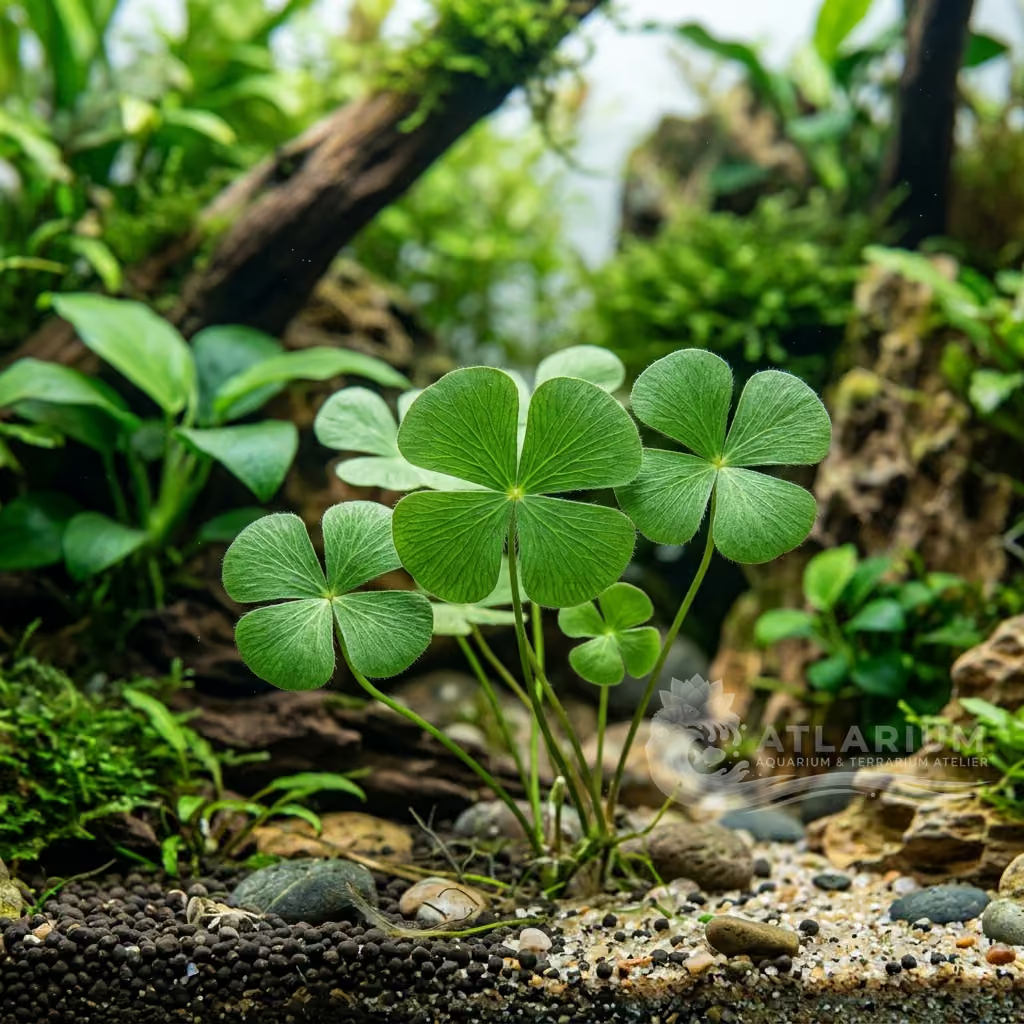
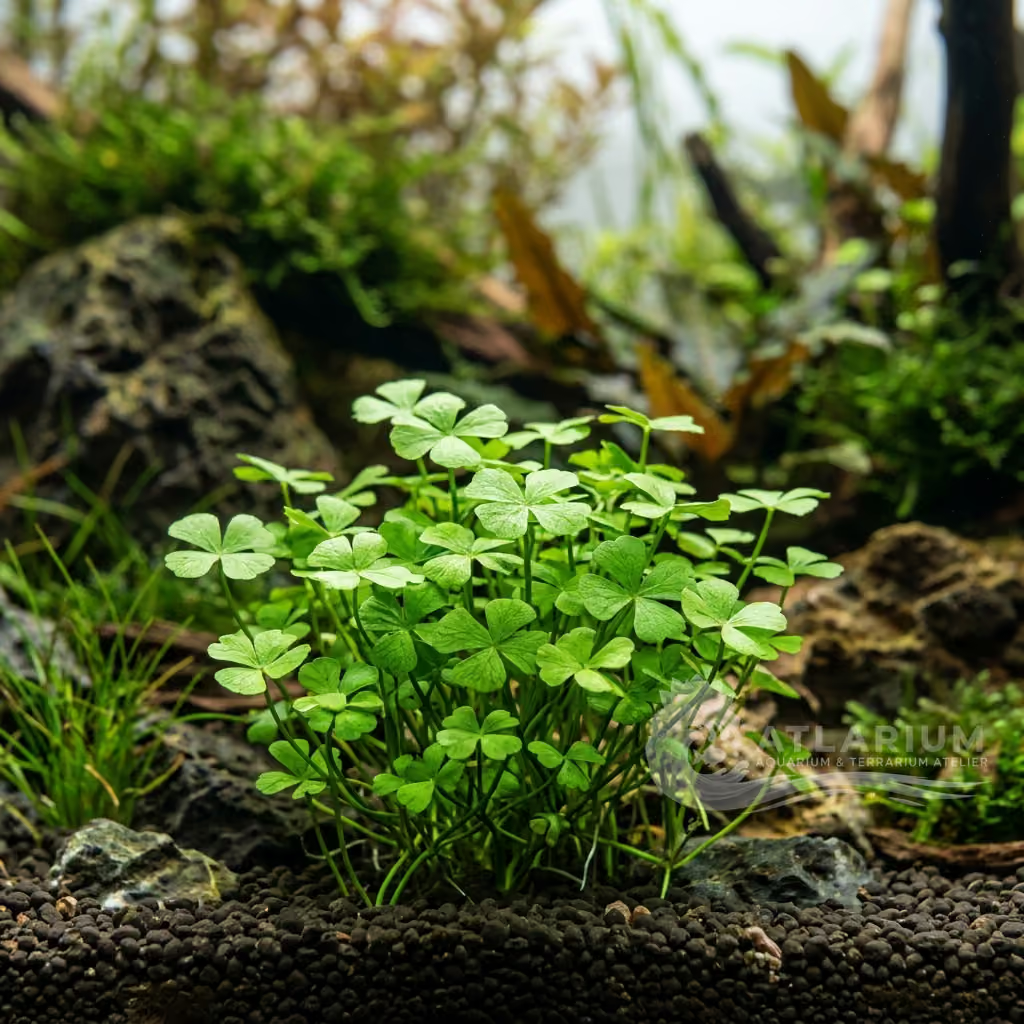
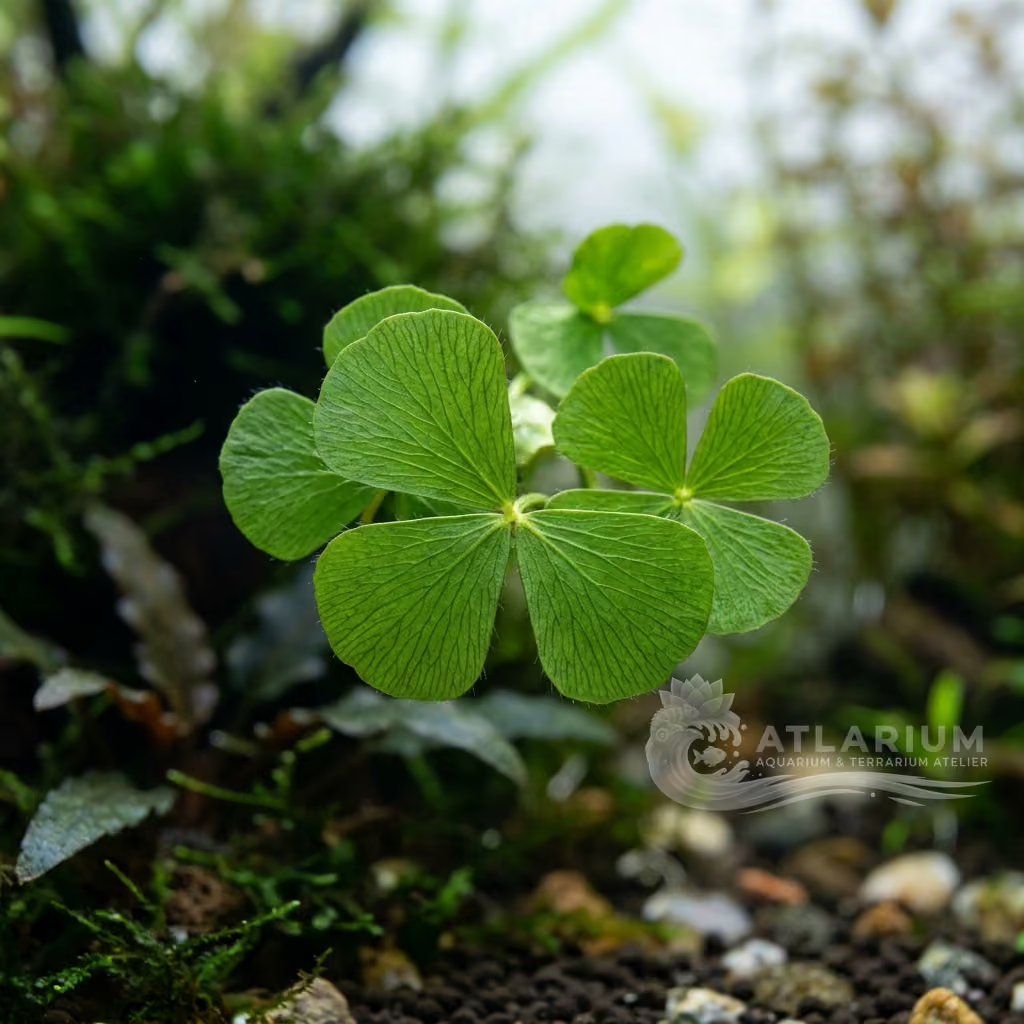
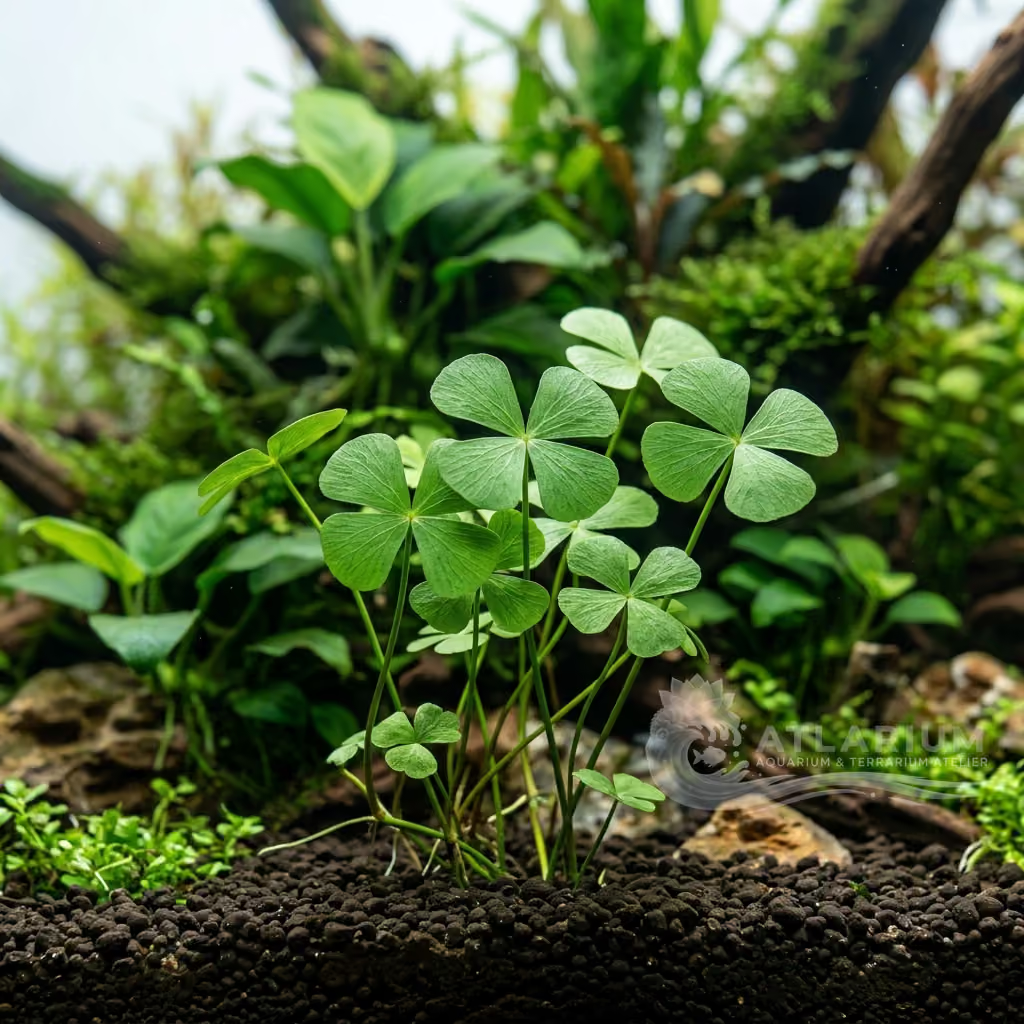
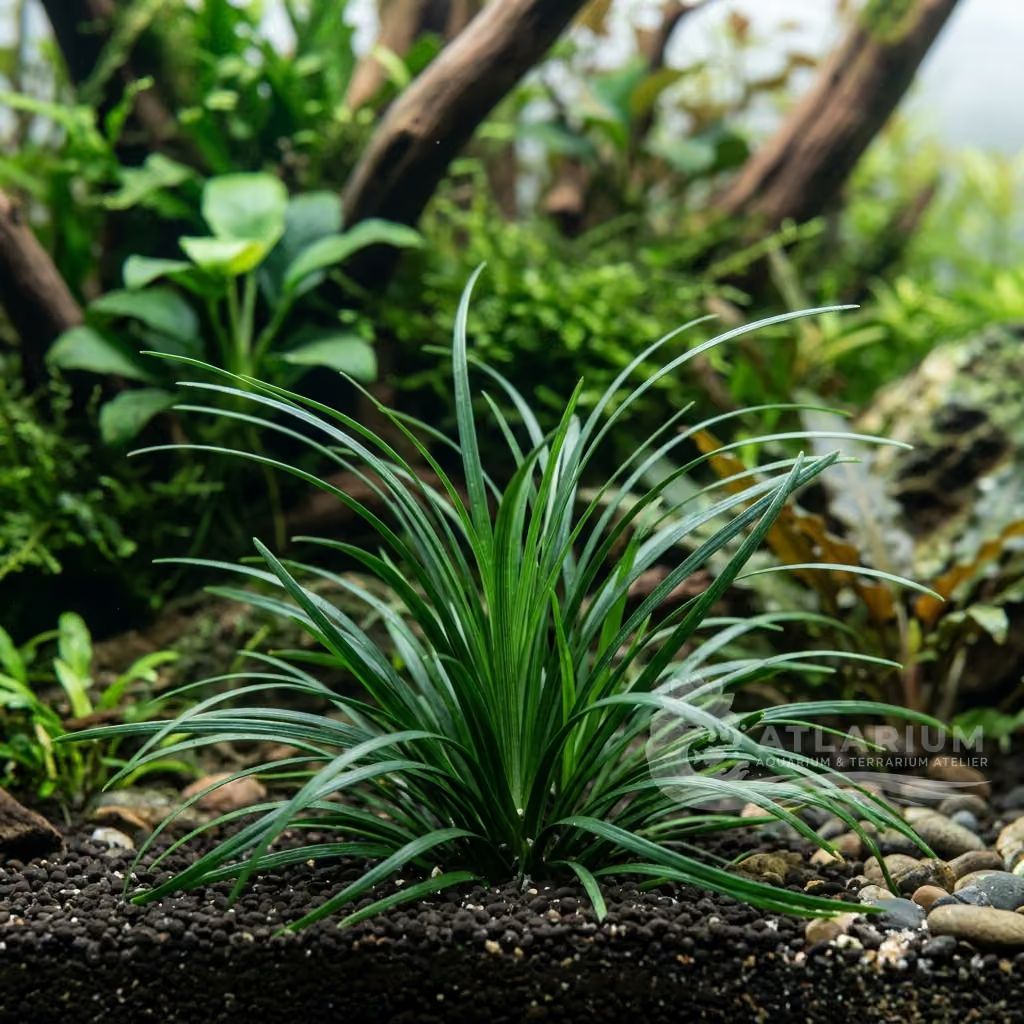
Marsilea angustifolia is a rhizomatous aquatic fern renowned for its ability to form a dense and vibrant green carpet in the aquarium foreground. Its medium growth rate and distinctive four-leaf clover appearance make it an excellent choice for creating natural and detailed aquascapes.
Water Temperature
20 - 28 °C
pH Value
5.5 - 7
Water type
Freshwater
Light
Medium to High
CO2
High
KH
2 - 12 dKH

Species description
Geographical Origin and Habitat: Native to tropical and subtropical regions of Asia and Australia, Marsilea angustifolia thrives in shallow aquatic environments such as the margins of ponds, swamps, and slow-moving streams. In its natural habitat, this aquatic fern is frequently found in areas subject to periodic flooding or fluctuating water levels, where it can adapt to both submerged and emergent conditions. Its capacity to rapidly colonize the substrate makes it a resilient and adaptable species across various wetland habitats.
Taxonomy & Genetics: Belonging to the family Marsileaceae, Marsilea angustifolia is one of numerous species within the genus Marsilea, commonly known as "four-leaf clover ferns" due to the characteristic shape of their fronds. These plants are unique among ferns for their aquatic growth habit and their production of sporocarps, which are specialized structures containing sporangia and facilitating reproduction. Its classification distinguishes it from flowering plants, highlighting its ancient evolutionary roots as a non-seed vascular organism.
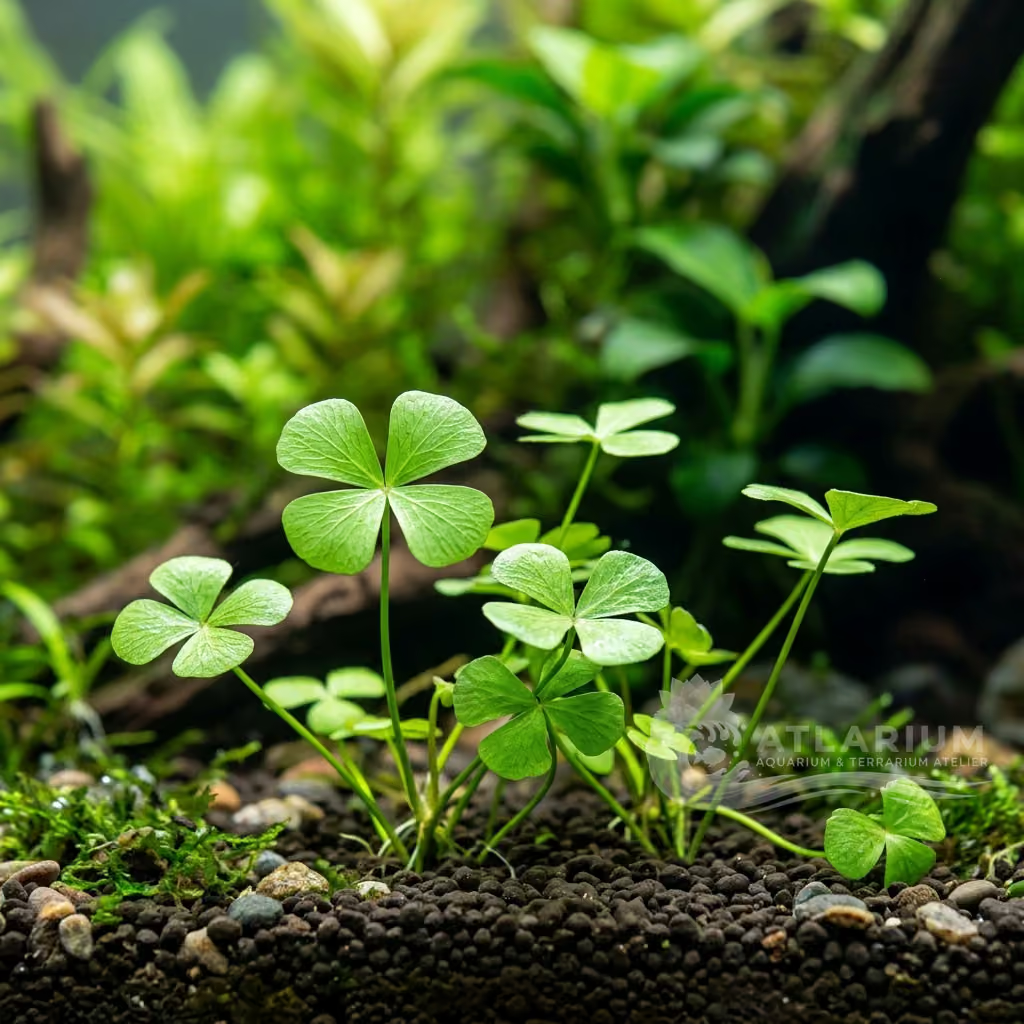
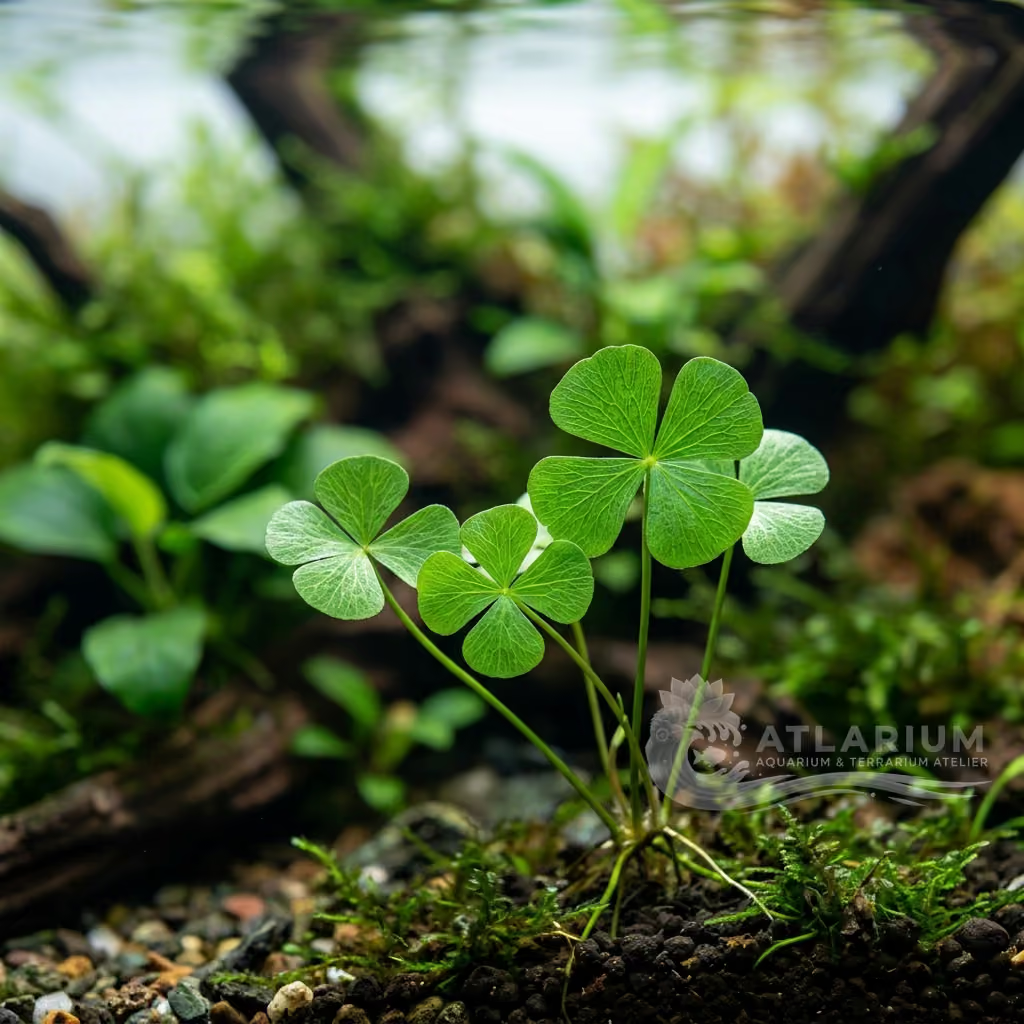
Physical Structure: The physical structure of Marsilea angustifolia is defined by slender rhizomes that creep along the substrate, from which delicate petioles emerge, supporting the leaves. Each leaf typically consists of four lobes, resembling a clover, whose size can vary depending on light intensity and growing conditions. Fine roots anchor the plant firmly to the substrate, while stolons allow the plant to expand horizontally, quickly forming a dense and uniform carpet across the aquarium floor.
Color & Texture: The leaves of Marsilea angustifolia exhibit a coloration ranging from a bright, light green to a more intense, deep green, influenced by lighting and nutrient availability. Their surface is smooth and slightly waxy, imparting a delicate yet robust appearance to the submerged plant. This uniform texture and vibrant color significantly contribute to the aesthetics of an aquascape, creating a natural lawn effect that beautifully contrasts with other plants or decorative elements.

Care, breeding and tankmates
Lighting & CO2: For optimal growth and the formation of a dense carpet, Marsilea angustifolia requires medium to high lighting. Under intense light, the leaves tend to remain smaller and more compact, promoting horizontal growth and a more controlled appearance. CO2 injection is highly recommended, as it significantly accelerates the growth rate, fostering healthier leaves and quicker establishment in the substrate. Without CO2, growth will be noticeably slower, and the carpet less dense.
Nutrition & Substrate: Marsilea angustifolia greatly benefits from a nutrient-rich substrate, such as aquasoils or fertilized sands, as it is primarily a root feeder. The use of root tabs inserted into the substrate, near the rhizomes, is crucial for providing a constant supply of essential macro and micronutrients. While it can absorb some nutrients from the
Water Chemistry: Ideal water conditions for Marsilea angustifolia include a temperature range of 20.0 to 28.0 C, a slightly acidic to neutral pH (5.5-7.0), and a carbonate hardness (KH) between 2.0 and 12.0. Maintaining these parameters stably is essential to prevent stress and leaf melting. Sudden fluctuations can compromise the plant's health, making it susceptible to growth issues and algal colonization, therefore regular monitoring of water chemistry is advisable.
Space Management & Placement: Given its rhizomatous nature and carpeting tendency, Marsilea angustifolia is ideally placed in the foreground of the aquarium. By planting small clusters approximately 2-3 cm apart, the plant will gradually expand via stolons, creating a uniform and dense cover. To manage space and prevent excessive growth, it is advisable to limit its expansion into undesired areas, either by using substrate barriers or through regular trimming.
Pruning: Pruning Marsilea angustifolia is essential for maintaining the desired aesthetic and promoting dense, compact growth. Regularly trimming taller leaves or those that become too sparse encourages the plant to produce new, smaller leaves and to expand horizontally. This practice not only helps prevent shading of underlying plants but also stimulates rhizome branching, contributing to a lusher and more even carpet.
Risks & Diseases: Marsilea angustifolia is generally hardy, but it can be susceptible to certain risks. Insufficient CO2 or nutrient deficiencies in the substrate can lead to stunted growth, yellowing leaves, or melting. Inadequate lighting may cause leaf petioles to elongate, resulting in a less compact carpet. As with many aquarium plants, a nutrient imbalance can also encourage the growth of filamentous algae on its delicate fronds, compromising its aesthetic appeal and health.

Geographic origin and distribution
Native to tropical and subtropical regions of Asia and Australia, Marsilea angustifolia thrives in shallow aquatic environments such as the margins of ponds, swamps, and slow-moving streams. In its natural habitat, this aquatic fern is frequently found in areas subject to periodic flooding or fluctuating water levels, where it can adapt to both submerged and emergent conditions. Its capacity to rapidly colonize the substrate makes it a resilient and adaptable species across various wetland habitats.
Origin
South and Southeast AsiaAustralia, New Guinea, and Oceania

Plant profile
- Placement
- Foreground
- It is an ideal foreground or carpeting plant. It should be planted in small portions across the substrate to encourage it to spread and form a dense mat. While it can tolerate some shade, it grows more compactly and faster under moderate to high lighting.
- Botanical form
- Rhizome
- In its submerged form, it typically produces single, tear-drop or spoon-shaped leaves on short stalks, resembling a small Glossostigma. Occasionally, it may produce two, three, or four-lobed leaves resembling a clover. Its dark green color provides a lush, natural-looking carpet.
- Growth
- Medium
- The growth rate is moderate, especially when compared to faster carpeting plants like Glossostigma or HC Cuba. Once acclimated and if provided with CO2, it will steadily send out runners and cover the substrate. Its steady pace makes it easy to maintain once a carpet is formed.
- Substrate
- High
- Marsilea angustifolia is a carpeting fern that requires a fine-grained, nutrient-rich substrate, such as powder-type aqua soil, to spread effectively. A substrate depth of 1.5 to 2 inches provides the perfect environment for its delicate horizontal runners to firmly root and create a dense mat. Adequate nutrients in the substrate are essential to trigger its transition from sparse vertical growth into a lush, creeping carpet.
- Column fertilization
- Recommended
- Liquid fertilization is beneficial but not strictly necessary if a rich substrate is used. A basic all-in-one fertilizer will provide enough nutrients for steady growth. It is less prone to algae than faster-growing, nutrient-hungry carpeting plants.
- Root fertilization
- Required
- A nutrient-rich substrate, such as aquasoil, is highly recommended for optimal growth and carpeting speed. It draws the majority of its nutrients through its extensive network of roots and runners. Root tabs can be used if planted in inert gravel or sand.
- Trimming
- Occasional
- Trimming is rarely needed until the carpet becomes very thick and layers start piling on top of each other. When it gets too thick, it can be thinned out by snipping the runners or trimming the leaves down. Careful thinning prevents the lower layers from dying off and detaching from the substrate.
- Propagation
- Runners
- Propagation occurs naturally as the plant sends out creeping runners across the substrate. To propagate manually, simply cut a section of the runner with a few leaves and replant it elsewhere. These small cuttings will quickly establish and begin spreading.
- Sensitivity
- Moderate
- It is a very hardy carpeting plant that can tolerate low light and no CO2, though it will grow much slower and slightly taller in such conditions. It is forgiving of water parameter fluctuations. It is an excellent choice for beginners looking for a reliable carpet.
- Layout role
- Foreground
- It serves as an excellent, low-maintenance carpeting plant for the foreground. Its dark green, clover-like leaves provide a very natural, slightly wild look to the aquascape. It is often used as an alternative to Glossostigma in lower-tech setups or where slower growth is desired.

Related species
Recommendations grouped by close relatives, companion choices, and similar care.