Marsilea spp.
Marsilea spp.
Marsilea spp. are aquatic ferns highly valued in aquascaping for their ability to form dense, attractive carpets, making them an excellent choice for the foreground of an aquarium layout. Their medium growth rate allows for relatively easy management to achieve a lush underwater lawn.
Water Temperature
18 - 30 °C
pH Value
5 - 8
Water type
Freshwater
Light
Medium to High
CO2
High
Expected height
10 cm
Expected width
20 cm
KH
0 - 14 dKH

Species description
Geographical Origin and Habitat: Marsilea species are found distributed across almost all tropical and subtropical regions worldwide, including Asia, Africa, Australia, and the Americas, showcasing remarkable adaptability. They prefer aquatic or semi-aquatic environments such as the edges of ponds, lakes, ditches, and marshy areas, where they can grow both submerged and emergent. This ability to adapt to varying water levels highlights their resilience and ecological versatility, making them suitable for recreating diverse natural habitats.
Taxonomy & Genetics: Marsilea spp. belongs to the family Marsileaceae, a unique group of aquatic ferns also known as "water clovers" or "four-leaf clovers" due to the distinctive shape of their leaves. While specific genetic details for individual species are not typically delved into in the hobby, the family is characterized by reproduction via spores produced in highly specialized sporocarps. The genetic diversity within the genus Marsilea contributes to the slight morphological variations observed among the different species commonly traded, offering a range of leaf shapes and sizes.
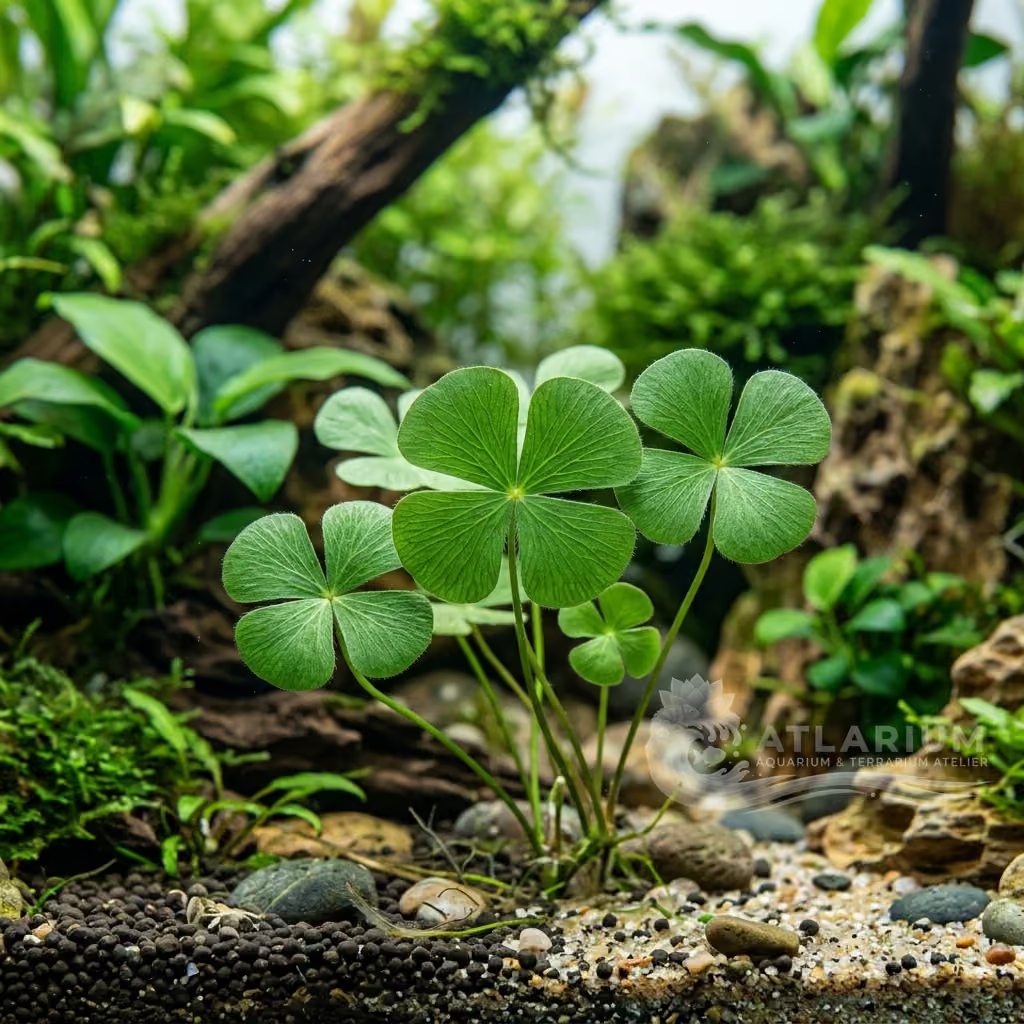
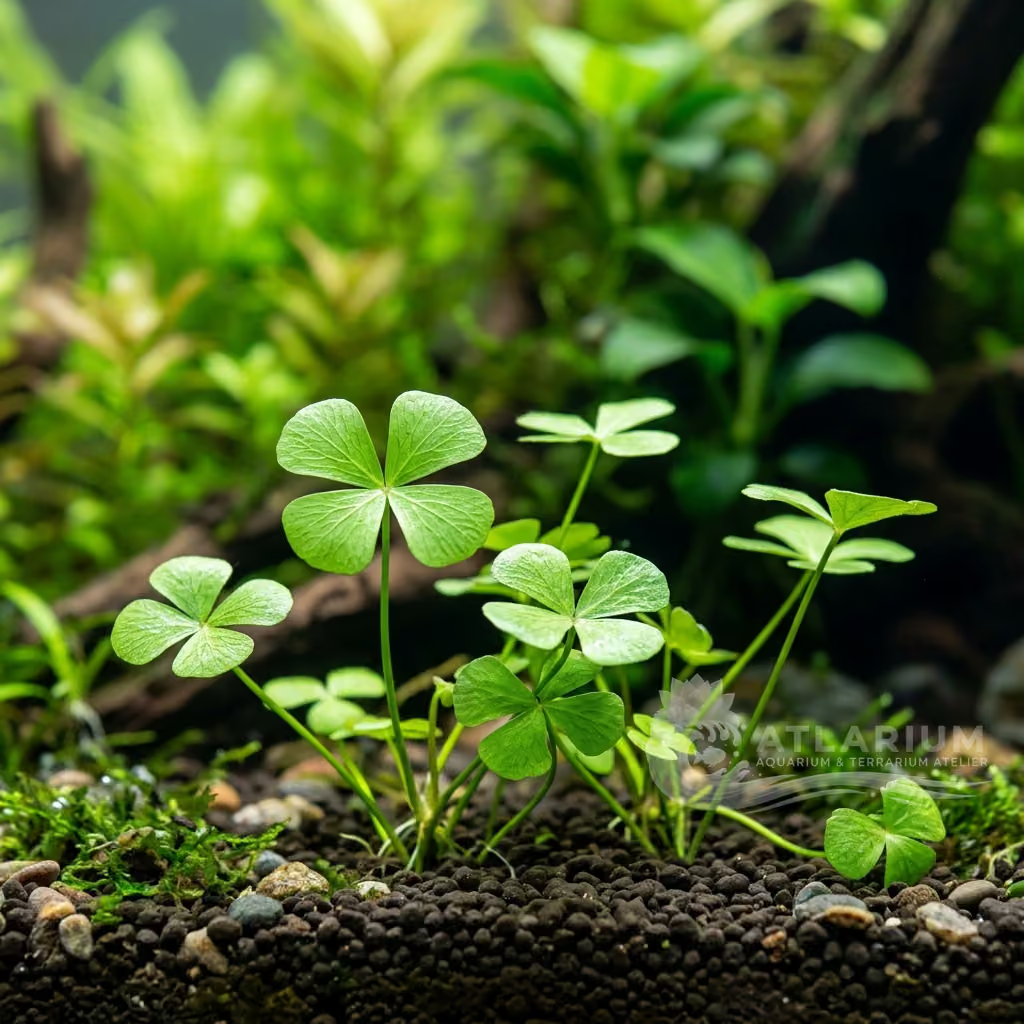
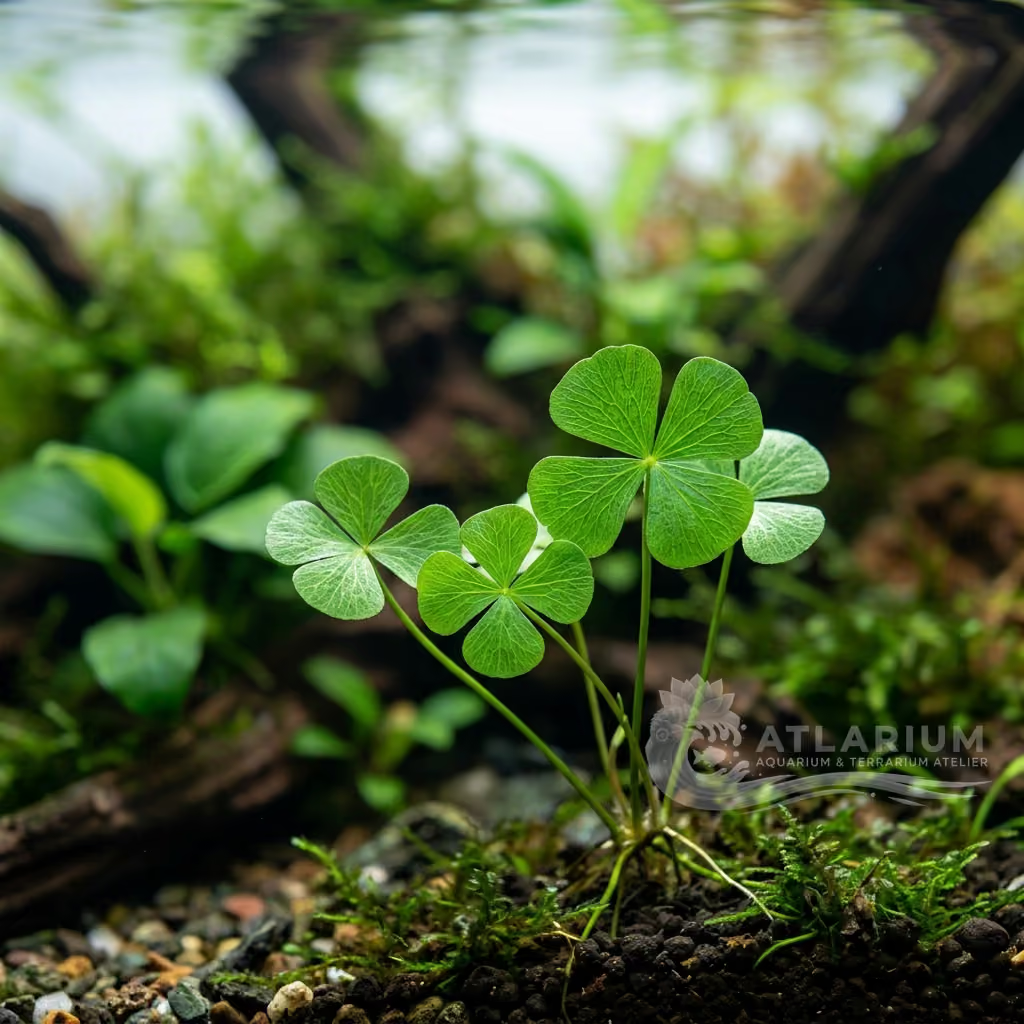
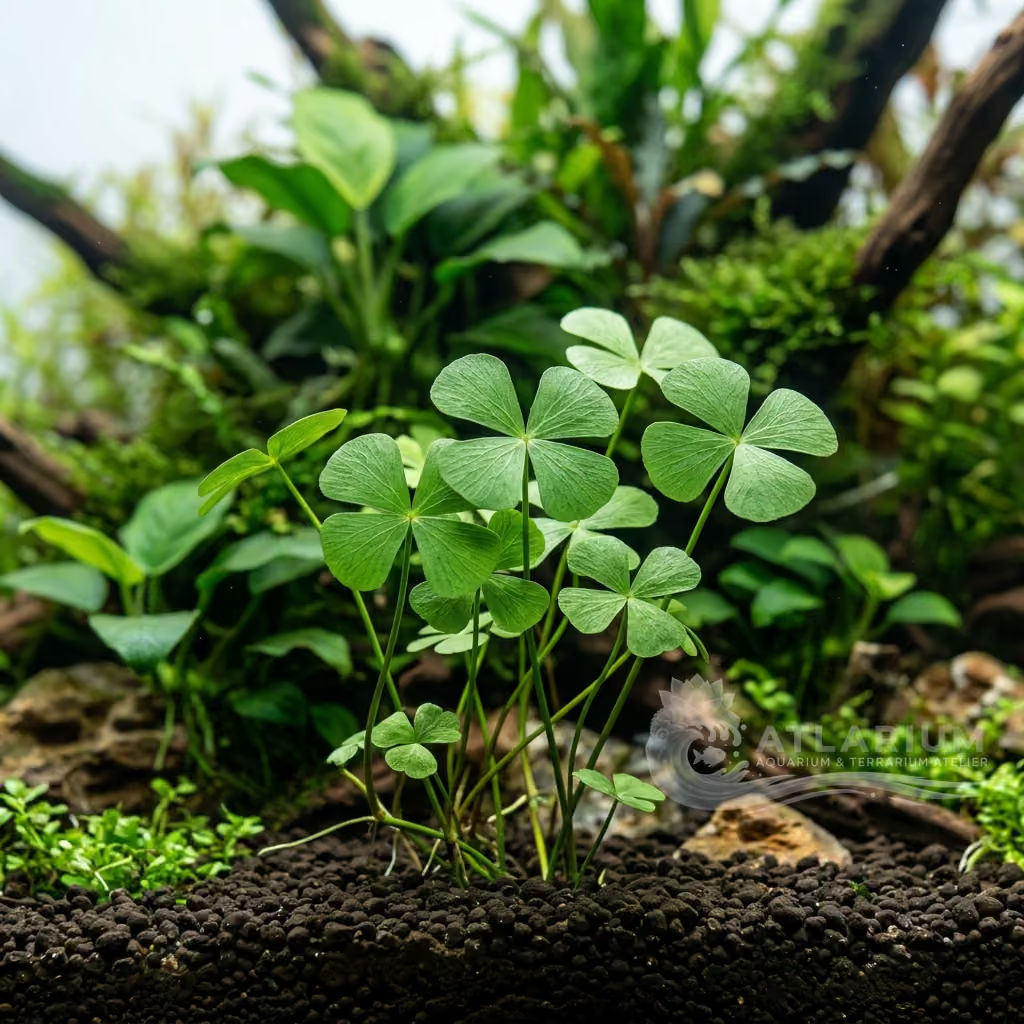
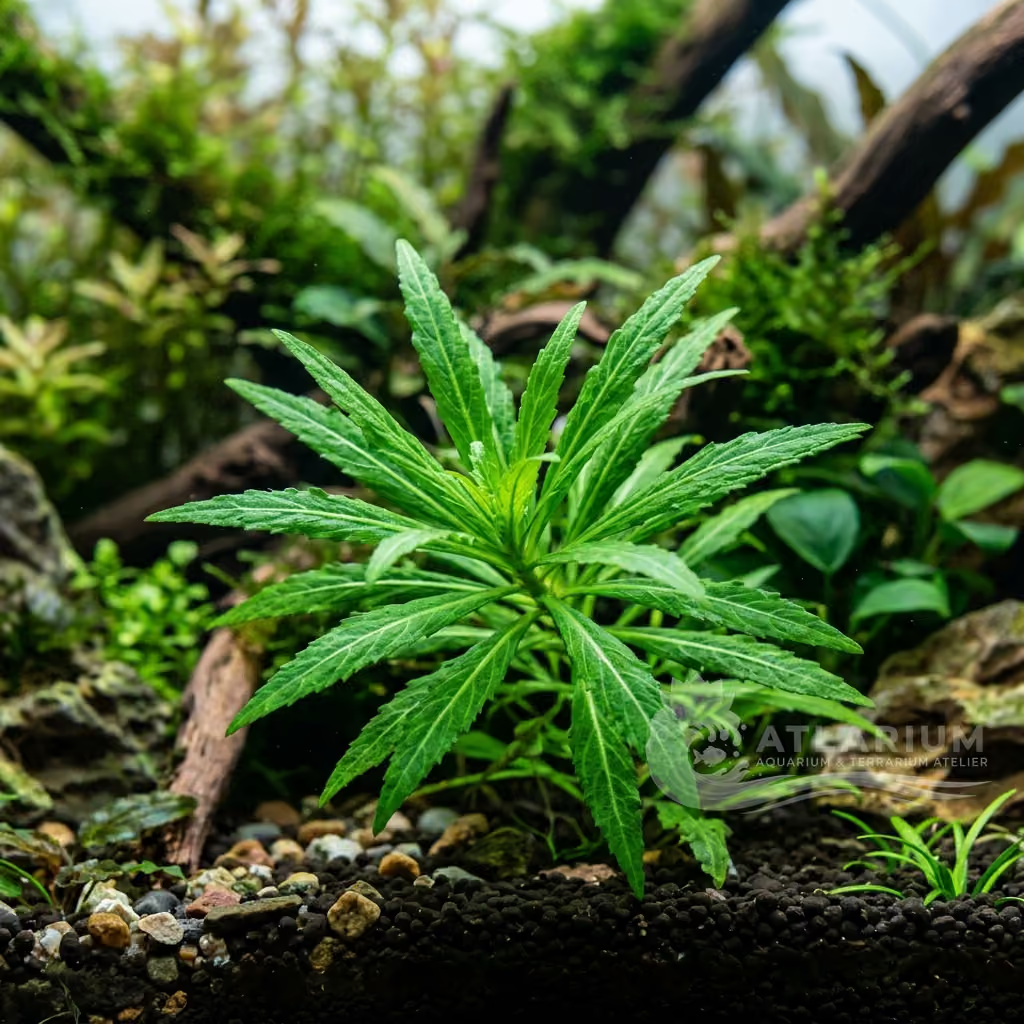
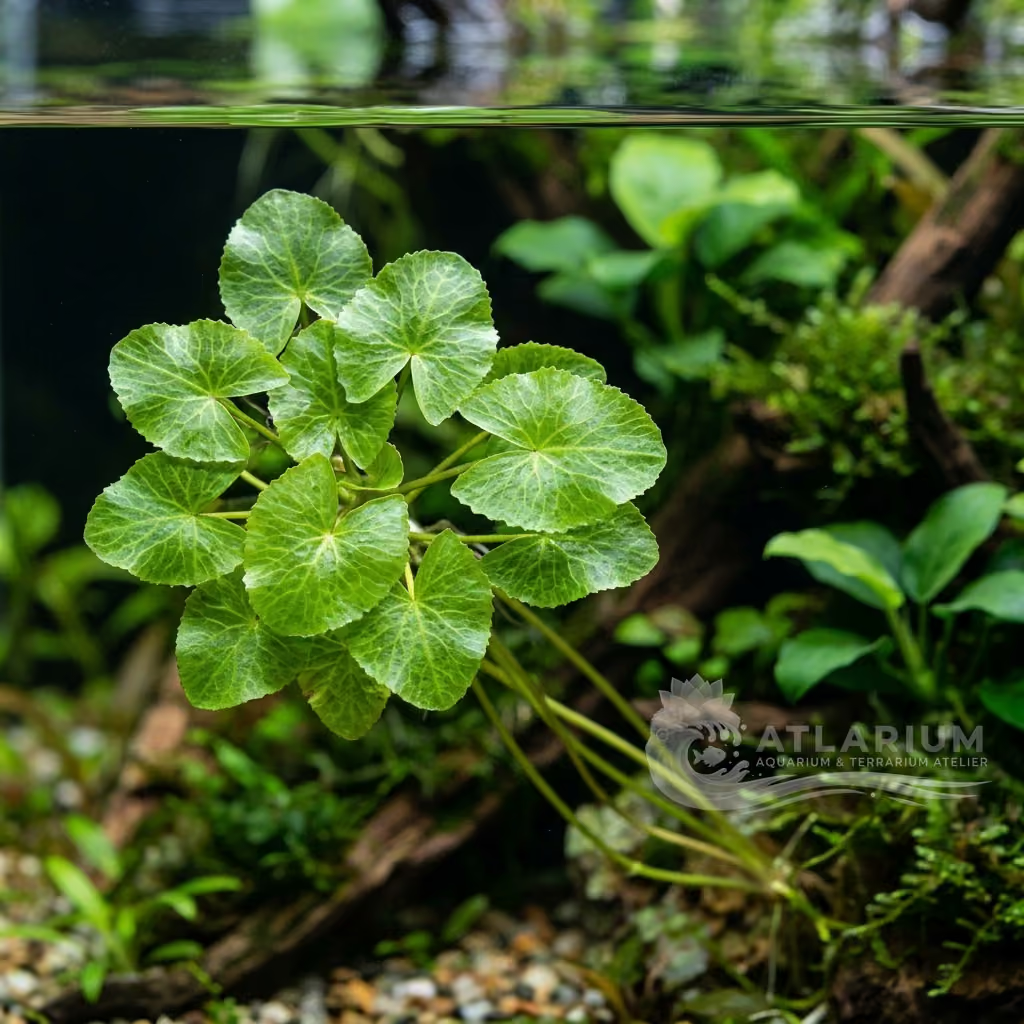
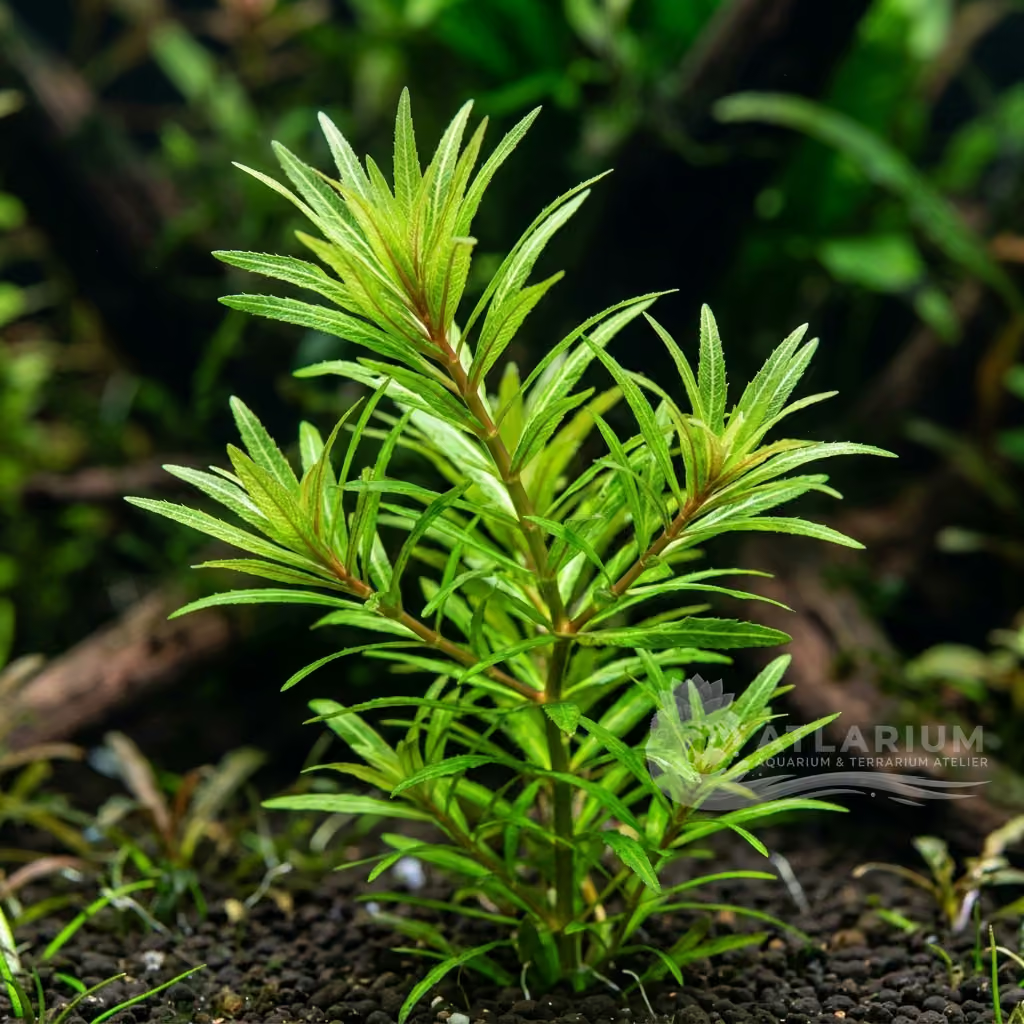
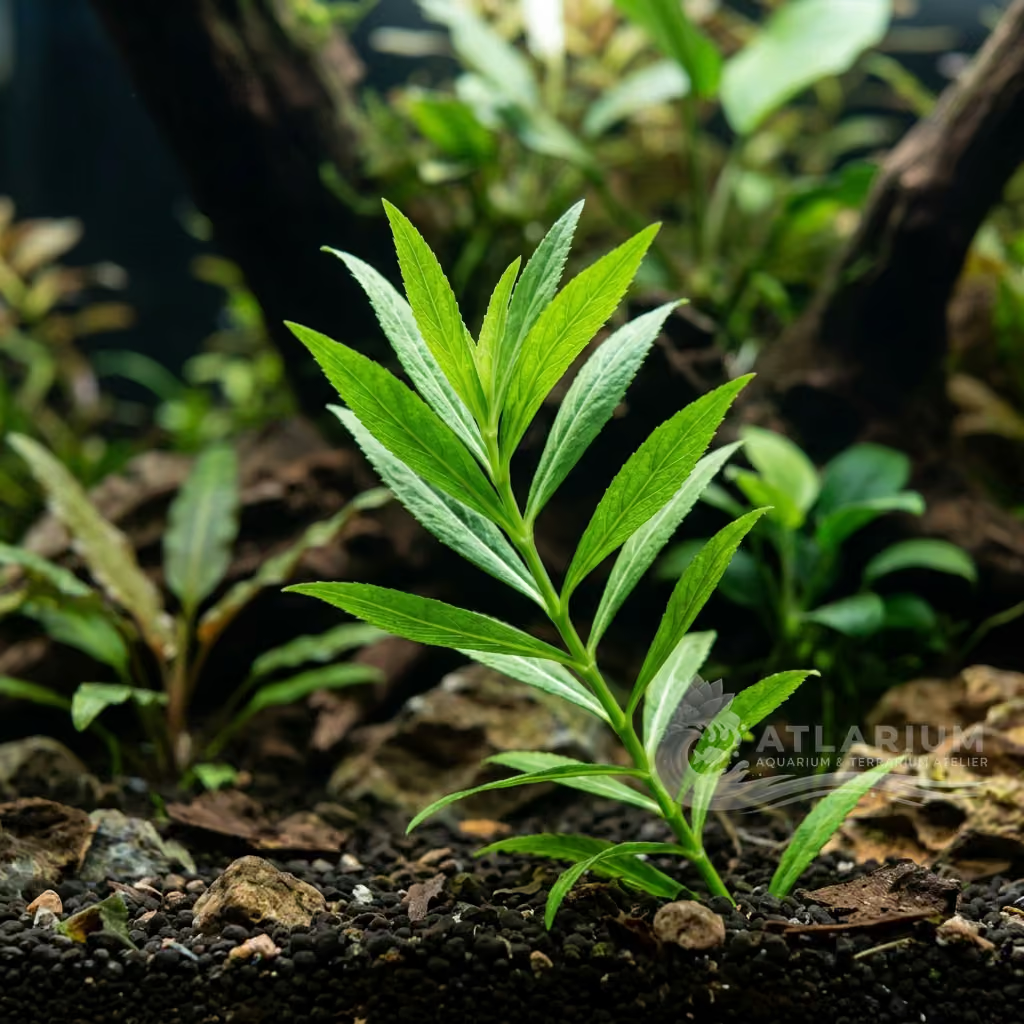
Physical Structure: The physical structure of Marsilea spp. is characterized by creeping rhizomes that anchor themselves firmly to the substrate, from which petioles emerge to support the leaves. The leaves, often quadrifoliate, are the most distinctive feature, resembling small three-leaf or four-leaf clovers, which is where many common names originate. Under intense light and CO2 conditions, the petioles tend to remain very short, forming a dense, low carpet; in less optimal conditions, the petioles may elongate significantly to reach the water surface.
Color & Texture: Marsilea spp. typically exhibit a bright green to medium green coloration, which can vary slightly depending on the specific species and the prevailing lighting conditions within the aquarium. The texture of the leaves is generally smooth and delicate, contributing to a fresh and natural appearance in the aquatic environment. This intense and uniform green carpet creates an appealing visual contrast with other plants or decorations, adding depth and aesthetic interest to the overall layout.

Care, breeding and tankmates
Lighting & CO2: To encourage the low, compact growth desirable for a carpeting plant, Marsilea spp. require medium to high-intensity lighting, which is crucial for robust photosynthesis and a prostrate growth habit. Insufficient light will cause the leaves to stretch excessively towards the surface, compromising the intended carpeting effect. Carbon dioxide (CO2) supplementation is highly recommended and almost essential in high-tech setups, as it significantly promotes faster, denser, and more prostrate growth, ensuring a vibrant and healthy carpet.
Nutrition & Substrate: Marsilea spp. greatly benefit from a nutrient-rich substrate, as they are primarily root feeders that absorb a significant portion of their sustenance from the bottom layer. It is advisable to use a fertile substrate enriched with clay, laterite, or dedicated root tabs to provide a constant and targeted supply of essential macro and micronutrients directly to the roots. While they can absorb some nutrients from the
Water Chemistry: This species demonstrates remarkable tolerance to a wide range of water chemistry parameters, thriving in stable temperatures between 18.0 and 30.0 C and a broad pH range of 5.0 to 8.0. Carbonate hardness (KH) can vary widely from 0.0 to 14.0, making it suitable for diverse aquascaping setups, including both soft and hard water environments. However, maintaining stable parameters is always preferable to prevent plant stress and promote a consistent, healthy aquatic environment for optimal growth.
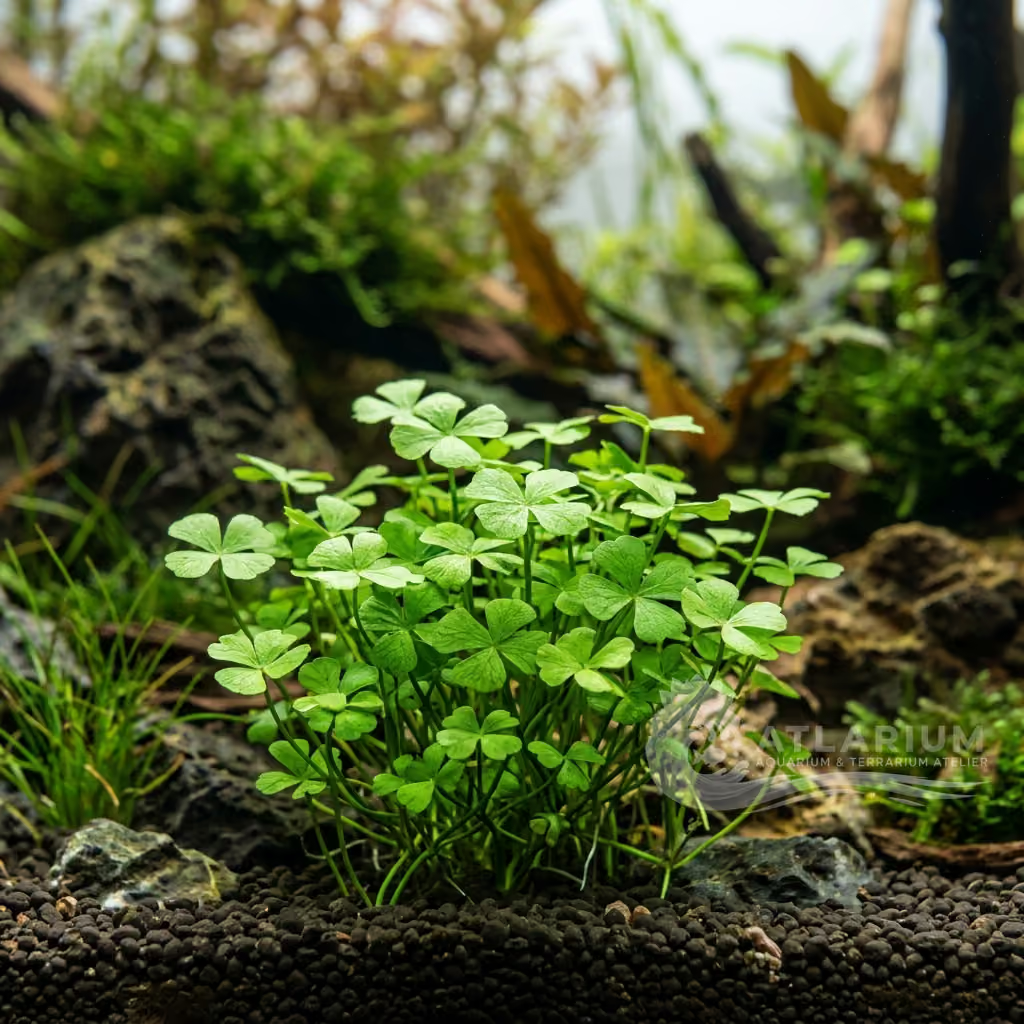
Space Management & Placement: As a foreground plant that actively spreads via creeping rhizomes, Marsilea spp. are perfect for creating a dense, lush carpet effect across the aquarium floor. To establish a carpet, it is advisable to plant small clumps a few centimeters apart, allowing the rhizomes to grow and rapidly fill in the gaps. Its moderate growth rate requires careful space management, especially to prevent it from overshadowing smaller plants or obstructing clear views within the aquascape.
Pruning: Regular pruning is essential to maintain the desired appearance of the Marsilea carpet and promote denser, more prostrate growth, preventing excessive vertical elongation. It is recommended to trim longer or damaged leaves close to the base of the petiole, using sharp, long aquascaping scissors designed for precision. This encourages the plant to produce new, shorter leaves and further branch out its rhizomes, intensifying substrate coverage and maintaining a compact, uniform look.
Risks & Diseases: Marsilea spp. are generally robust, but they can experience growth arrest or "melting" during the initial acclimatization period, especially if originating from emergent cultivation. Nutritional deficiencies, particularly iron, can manifest as yellowing of younger leaves or stunted, weak plant development. It is crucial to constantly monitor water parameters and fertilization to prevent algae proliferation, which can smother a young or weakened carpet and compromise its overall health and aesthetic appeal.

Geographic origin and distribution
Marsilea species are found distributed across almost all tropical and subtropical regions worldwide, including Asia, Africa, Australia, and the Americas, showcasing remarkable adaptability. They prefer aquatic or semi-aquatic environments such as the edges of ponds, lakes, ditches, and marshy areas, where they can grow both submerged and emergent. This ability to adapt to varying water levels highlights their resilience and ecological versatility, making them suitable for recreating diverse natural habitats.
Origin
Africa and MadagascarAmazon, Orinoco, and GuianasExtra-Amazon South AmericaCentral America and CaribbeanNorth AmericaSouth and Southeast AsiaEast AsiaAustralia, New Guinea, and Oceania

Plant profile
- Placement
- Foreground
- They are primarily utilized as foreground carpeting plants, offering a unique texture compared to other common carpeting species. Depending on the lighting, they can sometimes grow taller, making them suitable for midground placement or for transitioning between hardscape and the foreground. They are also excellent choices for paludariums or Wabi-Kusa setups where they can grow emersed.
- Botanical form
- Rhizome
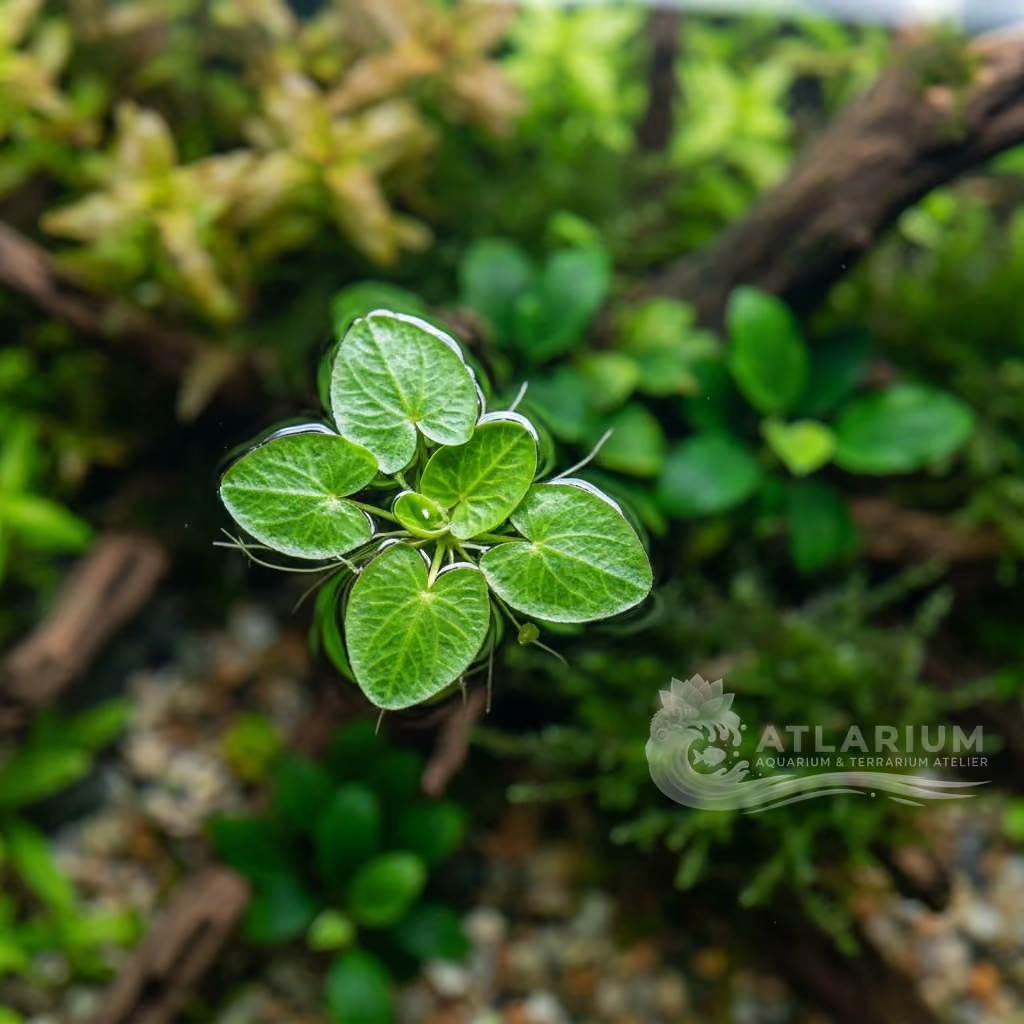
- Marsilea species are actually aquatic ferns and exhibit a creeping rhizome from which leaves and roots emerge at nodes. Submersed leaves often exhibit heterophylly, appearing as single teardrop shapes, double lobes, or the classic four-lobed 'clover' depending on the specific species and environmental conditions. When grown emersed, they almost universally display the four-lobed clover form.
- Growth
- Medium
- The growth rate for Marsilea species is generally moderate, making them easier to manage and less prone to overgrowing their boundaries quickly. Under high light and CO2, they will spread faster and more densely across the substrate. In low-tech conditions, they grow slowly and steadily, requiring patience to achieve a full carpet effect.
- Substrate
- High
- A soft, fine, and nutrient-dense substrate, such as aqua soil, is optimal for all Marsilea species to allow their runners to root easily. Coarse gravel can make it difficult for the delicate runners to anchor and spread, resulting in uneven growth. A deep substrate bed provides the necessary environment for their extensive root networks to develop.
- Column fertilization
- Recommended
- Regular additions of a comprehensive liquid fertilizer are beneficial to provide the necessary trace elements and potassium directly to the leaves. Water column feeding is particularly helpful when the plants are newly introduced and haven't fully established their root systems. Balanced dosing helps prevent algae from outcompeting these moderate growers.
- Root fertilization
- Recommended
- Because they spread via a network of runners, substrate nutrition is a critical component of their care. Utilizing a high-quality aqua soil or supplementing inert substrates with root tabs will significantly boost their growth and carpeting ability. Strong root feeding encourages the plants to stay low and spread laterally.
- Trimming
- Occasional
- Trimming Marsilea spp. is a straightforward process that helps maintain its desired shape and density. Runners can be cut to control its spread, or overgrown leaves trimmed down. It is also crucial to regularly remove any older or decaying plant material to ensure optimal light penetration and overall hygiene.
- Propagation
- Cuttings
- Propagation is straightforward and is achieved by dividing the creeping runners. Using sharp scissors, cut a section of the runner that includes a few leaf nodes and healthy roots, and replant it in the desired location. Planting small sections in a grid pattern is the most effective way to encourage a uniform carpet.
- Sensitivity
- Moderate
- Marsilea spp. is generally considered a hardy species, capable of tolerating a fairly wide range of water parameters. It does not typically exhibit extreme sensitivity to standard aquarium medications or minor chemical fluctuations. Nevertheless, care should be taken to maintain a balanced ecosystem, as slow-growing or shaded parts can become susceptible to algae accumulation.
- Layout role
- group, Foreground, Midground, Nano
- In the art of aquascaping, Marsilea spp. primarily functions to provide a lush foreground carpet. Its unique structural appearance offers an excellent visual contrast when placed adjacent to rocks, driftwood, or broader-leafed species. Ultimately, it helps to seamlessly blend different hardscape features and softens the overall aesthetic of the tank.

Related species
Recommendations grouped by close relatives, companion choices, and similar care.