Marsilea hirsuta
Marsilea hirsuta
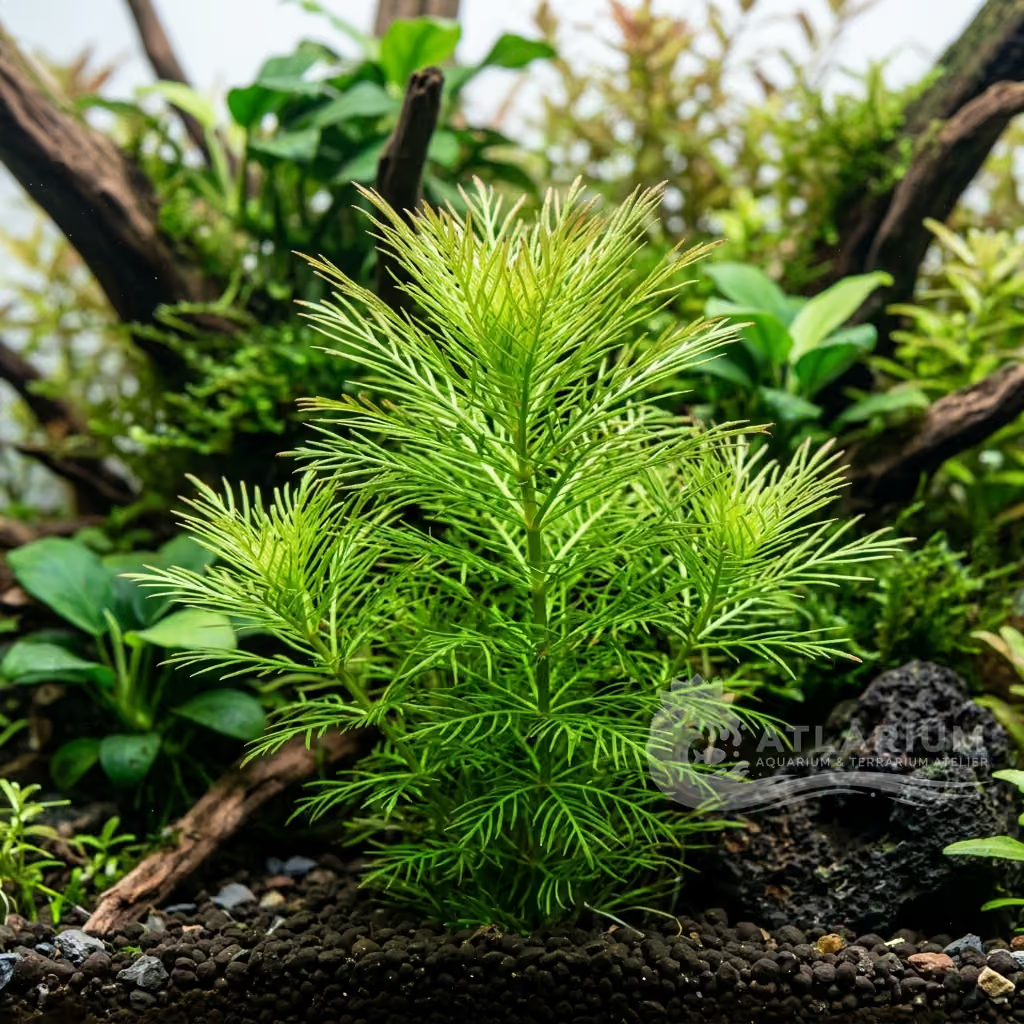
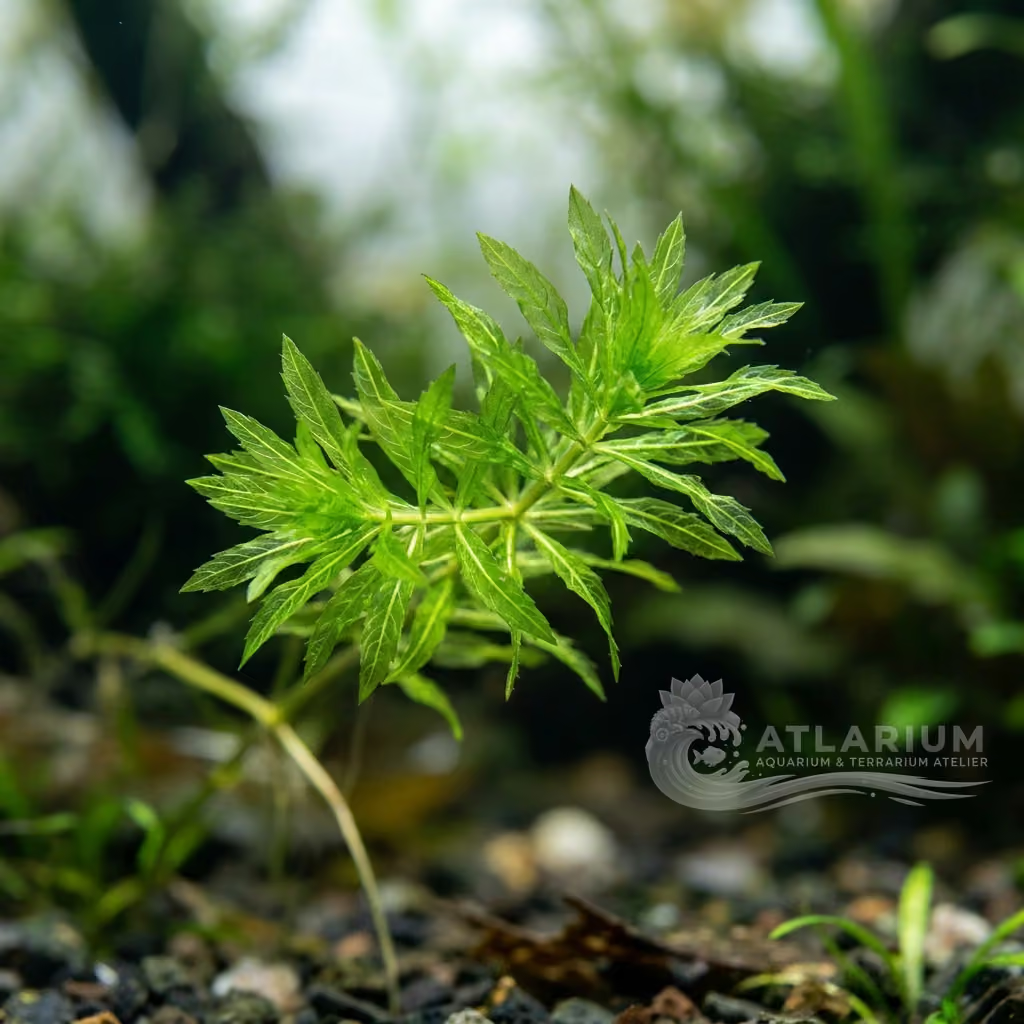
Marsilea hirsuta is a versatile and captivating aquatic fern, highly favored for the foreground of aquariums due to its ability to form a dense carpet. Its medium growth rate and propagation via runners make it an excellent choice for naturalistic layouts requiring low, tidy ground cover.
Water Temperature
20 - 28 °C
pH Value
6 - 7.5
Water type
Freshwater
Light
Medium - High
CO2
Medium - High
KH
2 - 10 dKH

Species description
Geographical Origin and Habitat: Marsilea hirsuta is an aquatic fern species native to extensive areas of Australia, where it colonizes semi-aquatic and aquatic environments. It is commonly found in swamps, ponds, slow-moving streams, and along the margins of water bodies, capable of growing both submerged and emergent. This adaptability to diverse wet and terrestrial conditions highlights its resilience and ability to thrive in a variety of natural habitats.
Taxonomy & Genetics: Belonging to the family Marsileaceae, Marsilea hirsuta is an aquatic fern, a fact often surprising to those who mistake it for a flowering plant due to its leaf morphology. Unlike seed plants, ferns reproduce via spores, though in an aquarium, propagation primarily occurs vegetatively. Its classification distinguishes it from true "clover plants" and underscores its unique evolutionary origin within the plant kingdom.
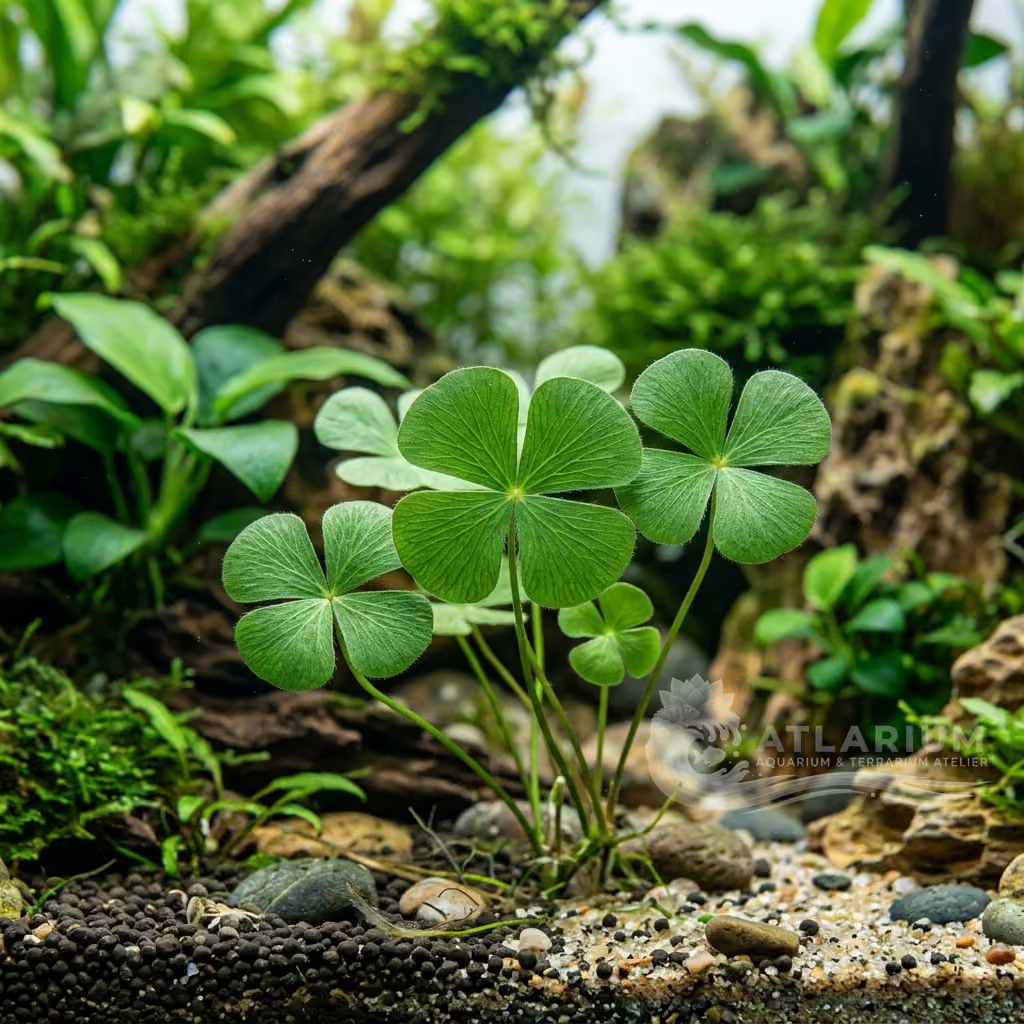
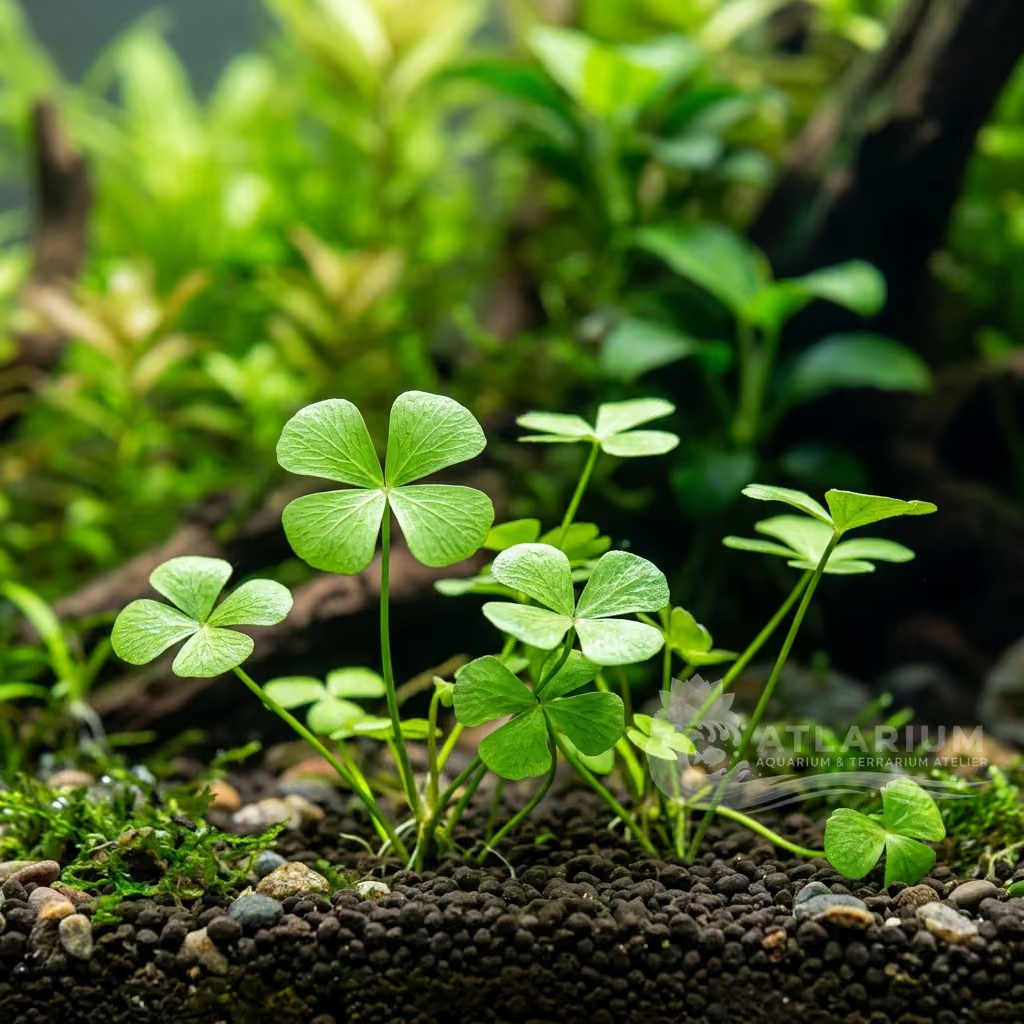
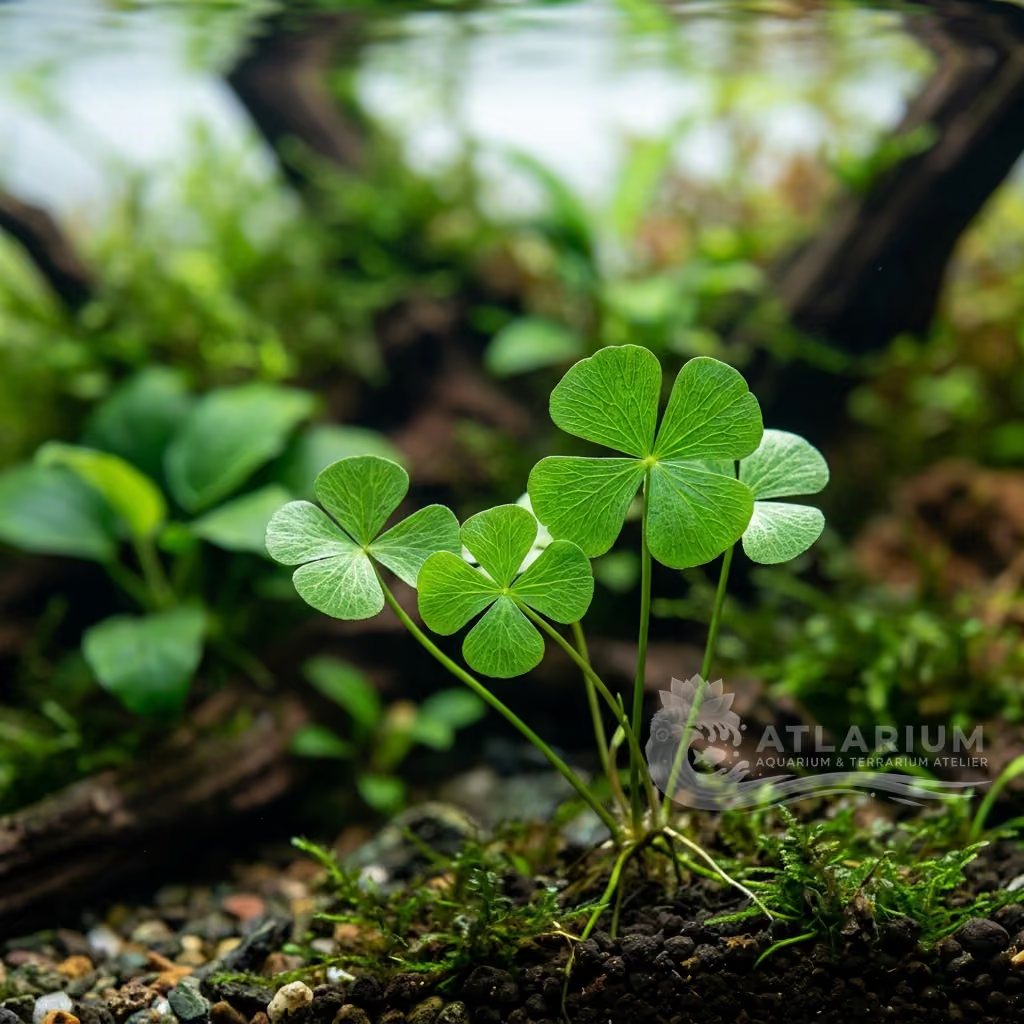
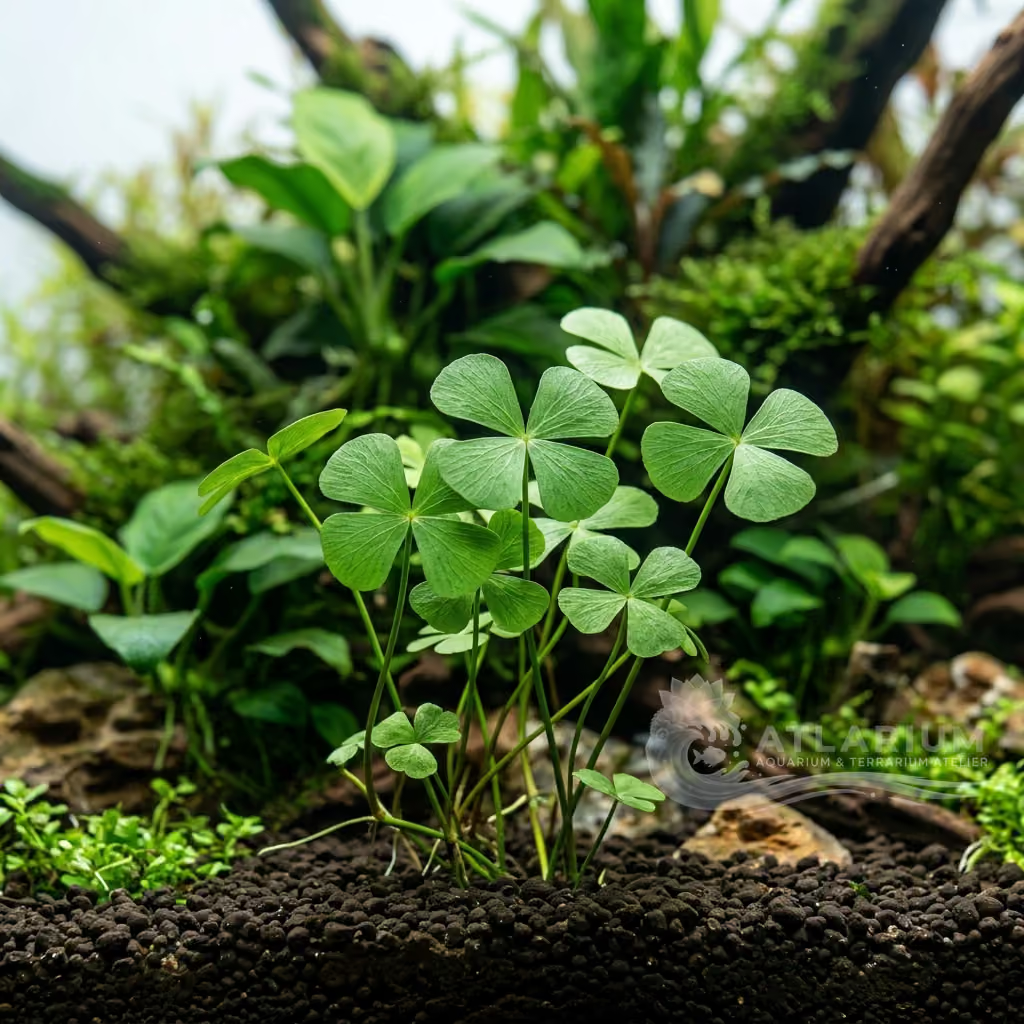
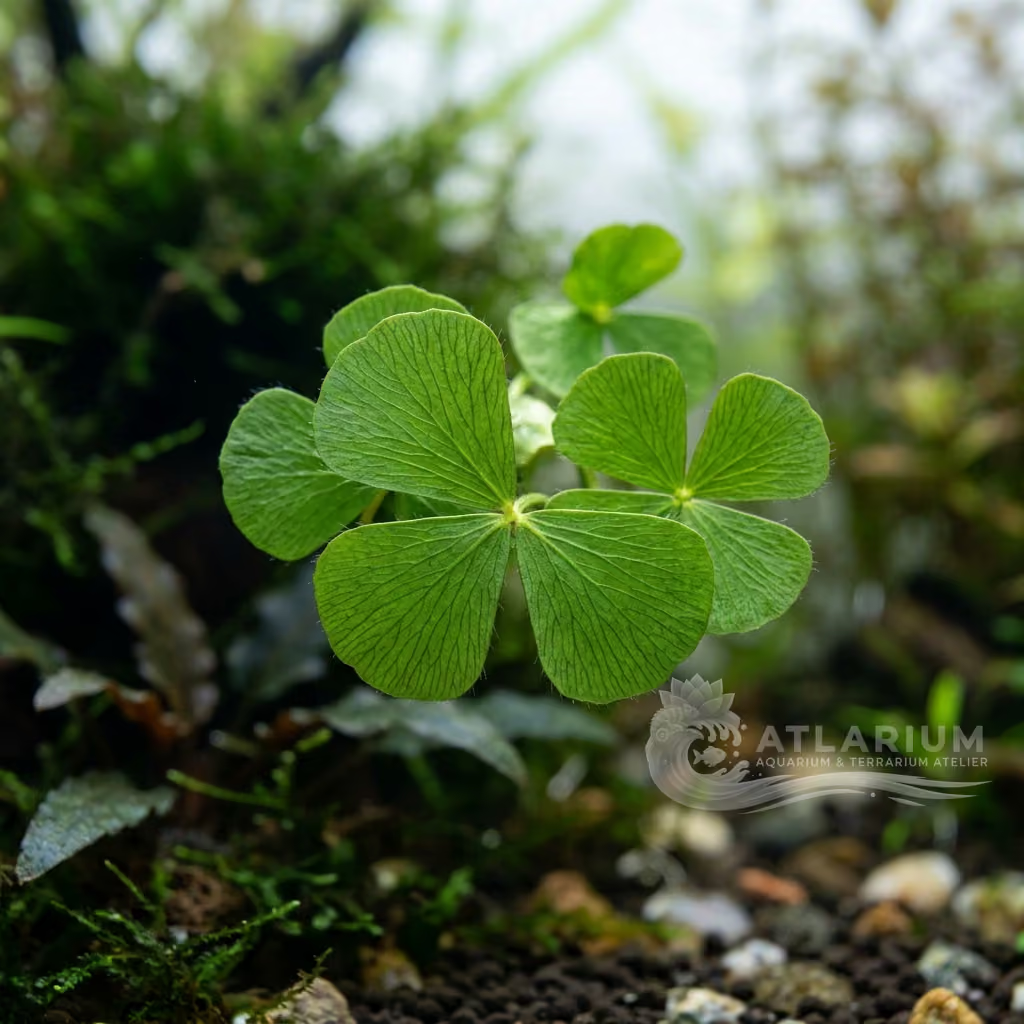
Physical Structure: The physical structure of Marsilea hirsuta is characterized by a creeping rhizome that anchors itself to the substrate, from which slender stolons and leaves on long petioles emerge. The leaves can exhibit remarkable morphological plasticity: under intense light and CO2 conditions, they often develop a single small, rounded or oval leaflet, while under lower light conditions or when emergent, they tend to form the classic four-leaflet clover shape. This ability to adapt its frond shape makes it particularly interesting for aquascapers.
Color & Texture: The color of Marsilea hirsuta typically ranges from a light green to a bright medium green, which can intensify or lighten depending on light intensity and nutrient availability. Under strong light, the leaves tend to be smaller and more compact, acquiring a more vibrant green hue and sometimes a slight reddish tint on the edges or veins. Their texture is generally smooth and delicate, but emergent fronds may exhibit slight hairiness (hence the name "hirsuta").

Care, breeding and tankmates
Lighting & CO2: Marsilea hirsuta thrives with medium intensity lighting, but significantly benefits from stronger light to develop more compact growth and a dense, uniform carpet. Carbon dioxide (CO2) injection is highly recommended to stimulate vigorous growth and prevent initial melting, facilitating its transition from emergent to submerged form. Indeed, a good CO2 supply promotes the development of small, single leaves, characteristic of its most sought-after appearance in the aquarium.
Nutrition & Substrate: For optimal growth, Marsilea hirsuta requires a nutrient-rich substrate, preferably an allophane or clay-based soil rich in nutrients. Supplementation with fertilizer tabs directly beneath the rhizome is extremely beneficial, as the plant efficiently absorbs nutrients through its roots. Although it can draw some nutrients from the
Water Chemistry: Marsilea hirsuta adapts to a water temperature range of 20 to 28 °C, making it compatible with most tropical aquariums. It requires slightly acidic to neutral pH, ideally between 6.0 and 7.5, and a relatively low carbonate hardness (KH) between 2 and 12 dKH. Maintaining these parameters stable is crucial to prevent plant stress and promote consistent, healthy growth, avoiding fluctuations that could induce melting or growth retardation.
Space Management & Placement: As a foreground plant, Marsilea hirsuta is ideal for creating a lush, compact green carpet in the aquarium. It should be planted in small portions spaced a few centimeters apart; it will then spread via runners, quickly forming a dense cover. To achieve the desired effect, it is essential to provide ample space on the substrate and ensure it is not shaded by taller plants, allowing light to uniformly reach all new growths.
Pruning: Pruning Marsilea hirsuta is essential to maintain its desired shape and promote denser, more compact growth. Once the carpet has formed, it is advisable to regularly trim longer leaves or those that tend to grow vertically, stimulating the plant to produce new, smaller, and lower leaves. This practice also prevents mutual shading and debris accumulation, helping to maintain a clean and tidy appearance.
Risks & Diseases: Marsilea hirsuta is generally robust but can suffer from melting if aquarium conditions change abruptly, especially during adaptation from emergent to submerged form. Nutritional deficiencies, particularly of iron or potassium, can manifest as yellowing leaves. Insufficient CO2 or inadequate light can slow growth and favor the appearance of algae on its leaves, which can suffocate it.

Geographic origin and distribution
Marsilea hirsuta is an aquatic fern species native to extensive areas of Australia, where it colonizes semi-aquatic and aquatic environments. It is commonly found in swamps, ponds, slow-moving streams, and along the margins of water bodies, capable of growing both submerged and emergent. This adaptability to diverse wet and terrestrial conditions highlights its resilience and ability to thrive in a variety of natural habitats.
Origin
Australia, New Guinea, and Oceania

Plant profile
- Placement
- Foreground
- Marsilea hirsuta is highly prized as a foreground carpeting plant, creating a beautiful, textured lawn effect. It is also very effective when planted around the base of hardscape materials, naturally blending the substrate with rocks or wood. Its varying leaf shapes can add an interesting, wild look to the front of the aquarium.
- Botanical form
- Rhizome
- Its botanical form is unique because it displays heterophylly; submersed leaves are typically single, small, and teardrop-shaped, while emersed or transition leaves can have two, three, or four lobes resembling a clover. The plant spreads via creeping horizontal runners that produce new leaves and roots at the nodes. The transition between different leaf shapes depends heavily on light intensity and water parameters.
- Growth
- Medium
- The growth rate is moderate, making it a manageable carpeting plant that doesn't require constant, aggressive trimming like some other foreground species. Under optimal conditions with high light and CO2, it will spread relatively quickly via runners. In low-tech tanks, it will still grow but at a much slower pace, requiring patience to form a full carpet.
- Substrate
- High
- It prefers a nutrient-rich, fine-grained substrate like aqua soil, which makes it easier for its runners to root securely as they creep along the bottom. It can adapt to gravel or sand, but its growth will be significantly slower and will require the addition of root tabs. A softer substrate ensures the delicate roots are not damaged and can quickly establish.
- Column fertilization
- Recommended
- Liquid fertilizers should be dosed regularly to supply the water column with essential micronutrients and potassium. Even though it is a strong root feeder, the leaves can absorb nutrients directly from the water, which helps boost overall growth. Consistent dosing will help maintain the deep green coloration of its foliage.
- Root fertilization
- Required
- As a creeping runner plant, it relies heavily on the substrate for its nutritional needs, making a nutrient-rich base layer crucial for optimal growth. Providing root tabs in areas where the carpet is actively expanding can significantly increase its growth rate and density. Strong root nutrition leads to shorter petioles and a more compact carpeting habit.
- Trimming
- Occasional
- Trimming Marsilea hirsuta is a straightforward process that helps maintain its desired shape and density. Runners can be cut to control its spread, or overgrown leaves trimmed down. It is also crucial to regularly remove any older or decaying plant material to ensure optimal light penetration and overall hygiene.
- Propagation
- Runners
- Propagation is straightforward by dividing the horizontal runners with sharp scissors. Snipping a section of the runner with a few leaves and healthy roots allows you to replant it in a new area. Plant the runner sections slightly into the substrate to hold them down while new roots establish themselves.
- Sensitivity
- Moderate
- Marsilea hirsuta is generally considered a hardy species, capable of tolerating a fairly wide range of water parameters. It does not typically exhibit extreme sensitivity to standard aquarium medications or minor chemical fluctuations. Nevertheless, care should be taken to maintain a balanced ecosystem, as slow-growing or shaded parts can become susceptible to algae accumulation.
- Layout role
- Foreground
- In the art of aquascaping, Marsilea hirsuta primarily functions to provide a lush foreground carpet. Its unique structural appearance offers an excellent visual contrast when placed adjacent to rocks, driftwood, or broader-leafed species. Ultimately, it helps to seamlessly blend different hardscape features and softens the overall aesthetic of the tank.

Related species
Recommendations grouped by close relatives, companion choices, and similar care.