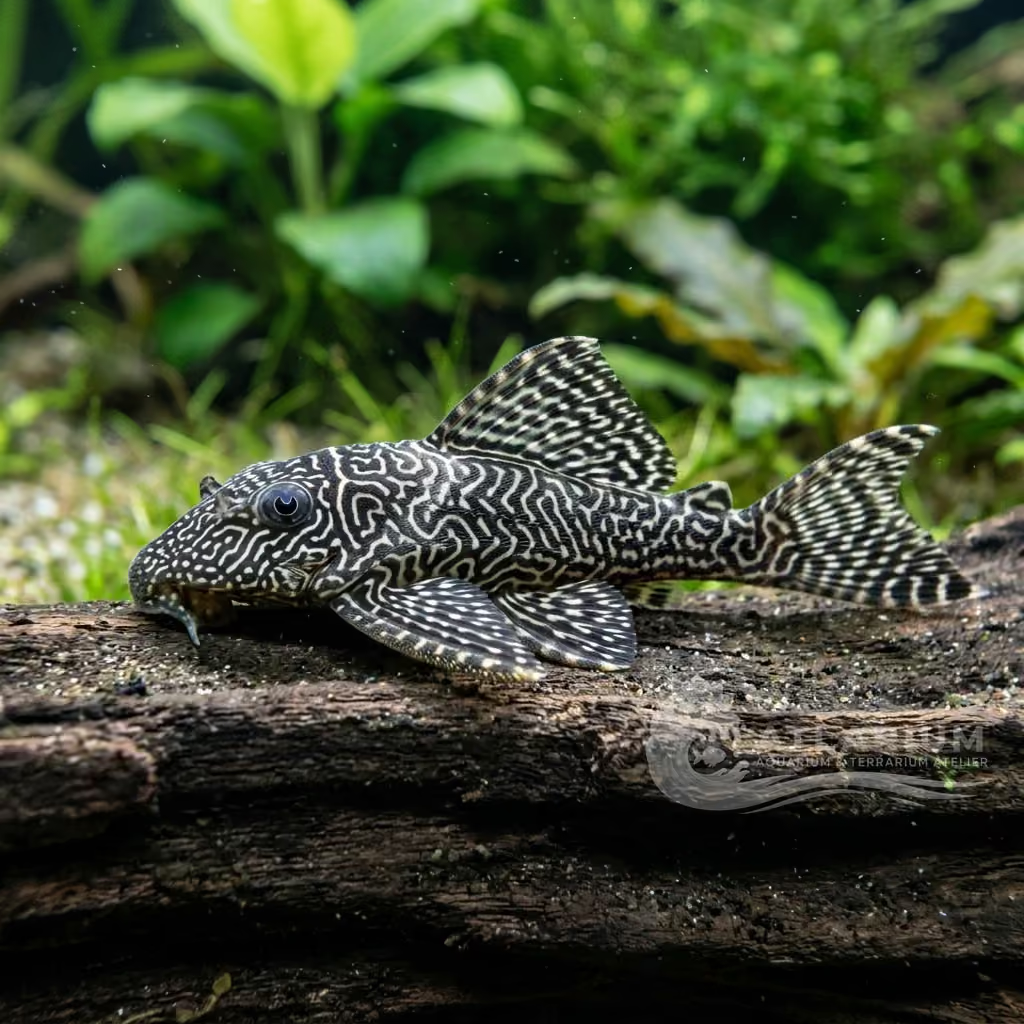
Spade-tail Checkerboard Cichlid
Dicrossus maculatus
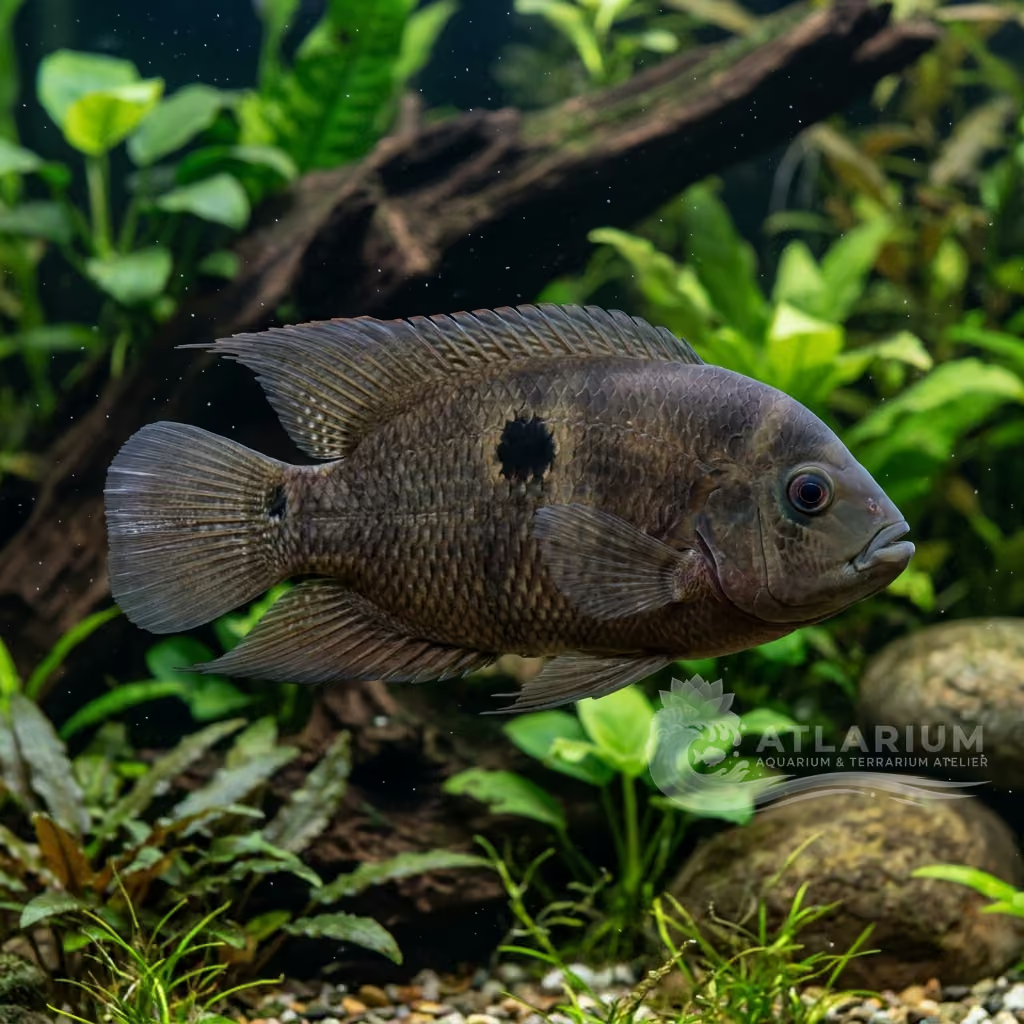
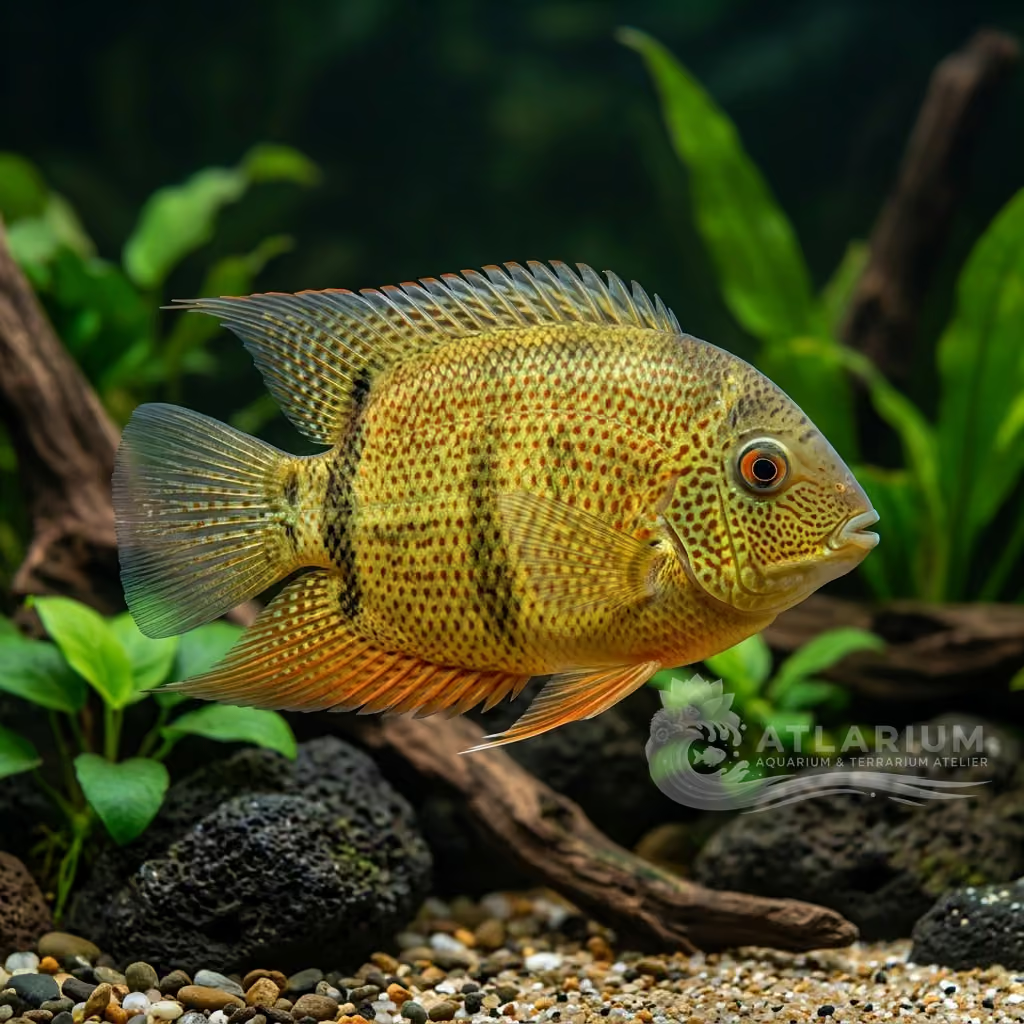
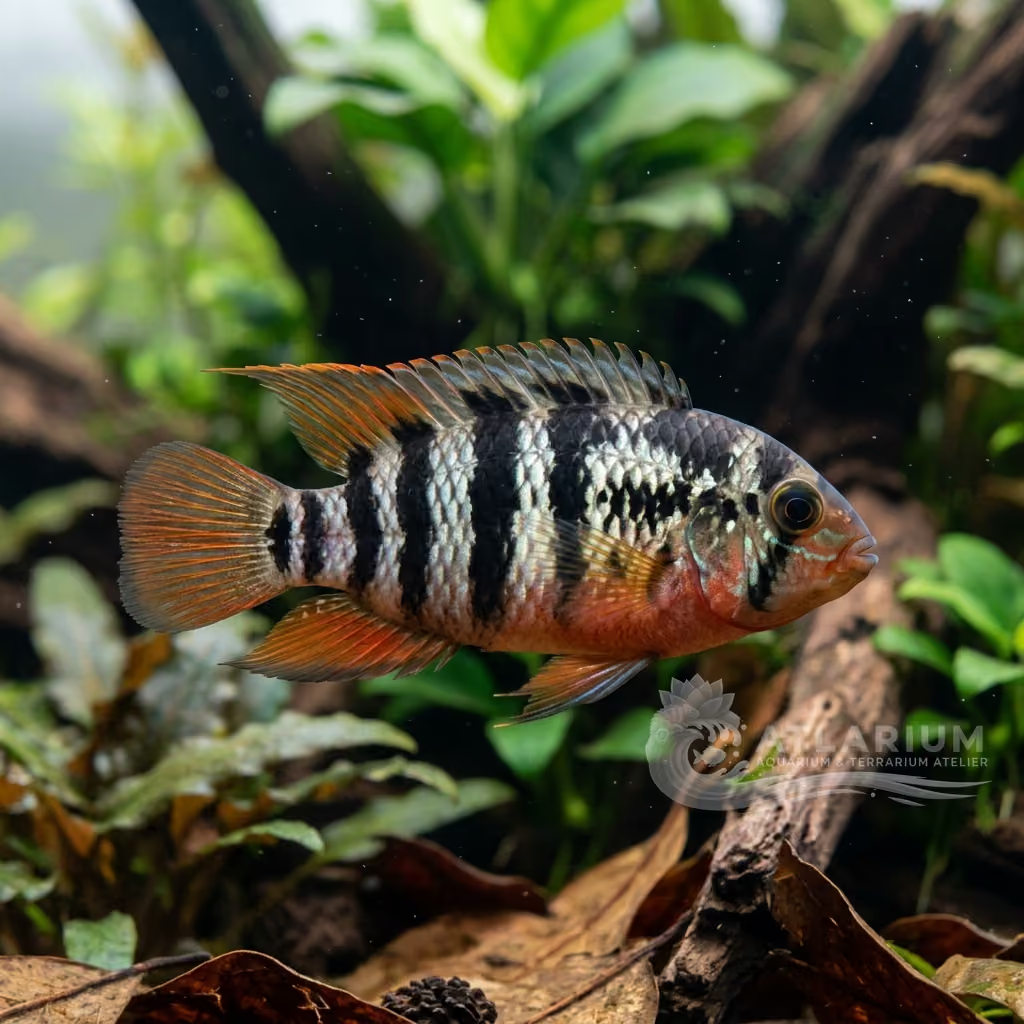
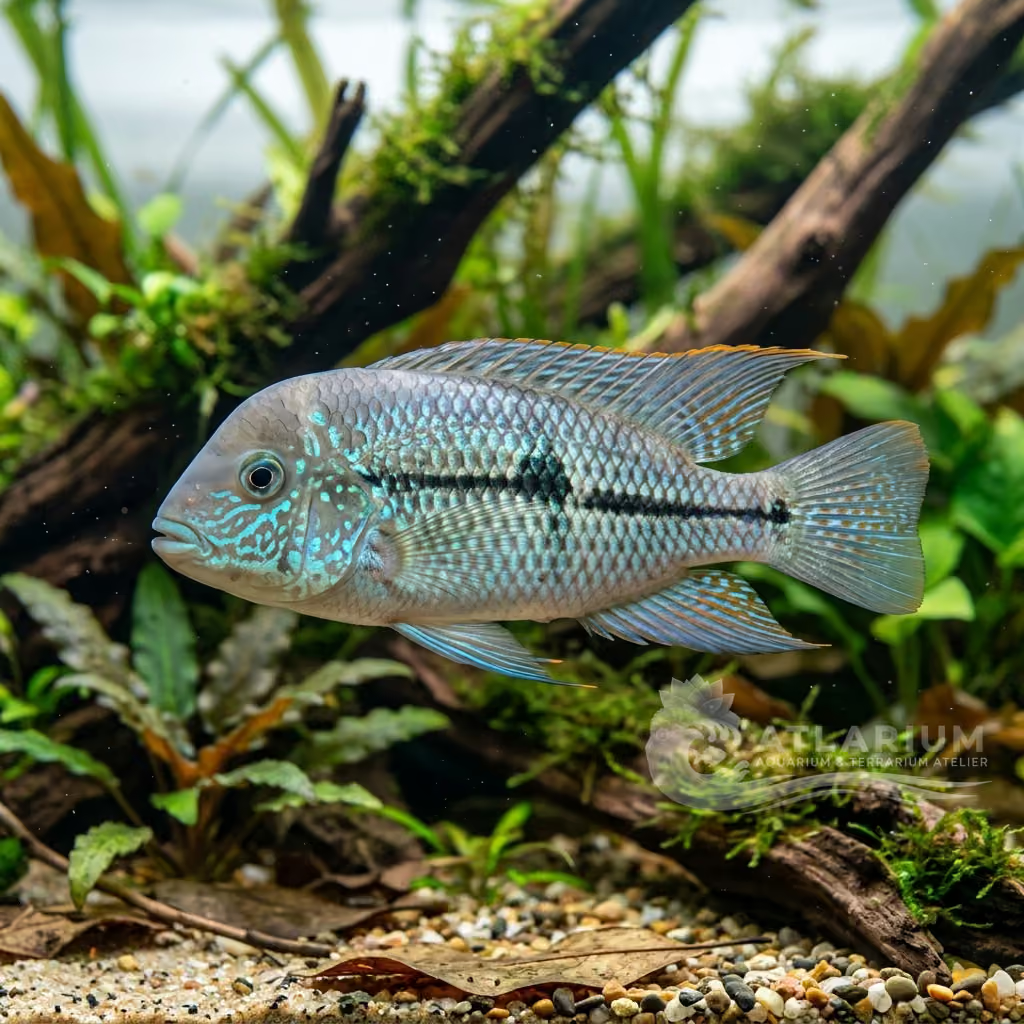
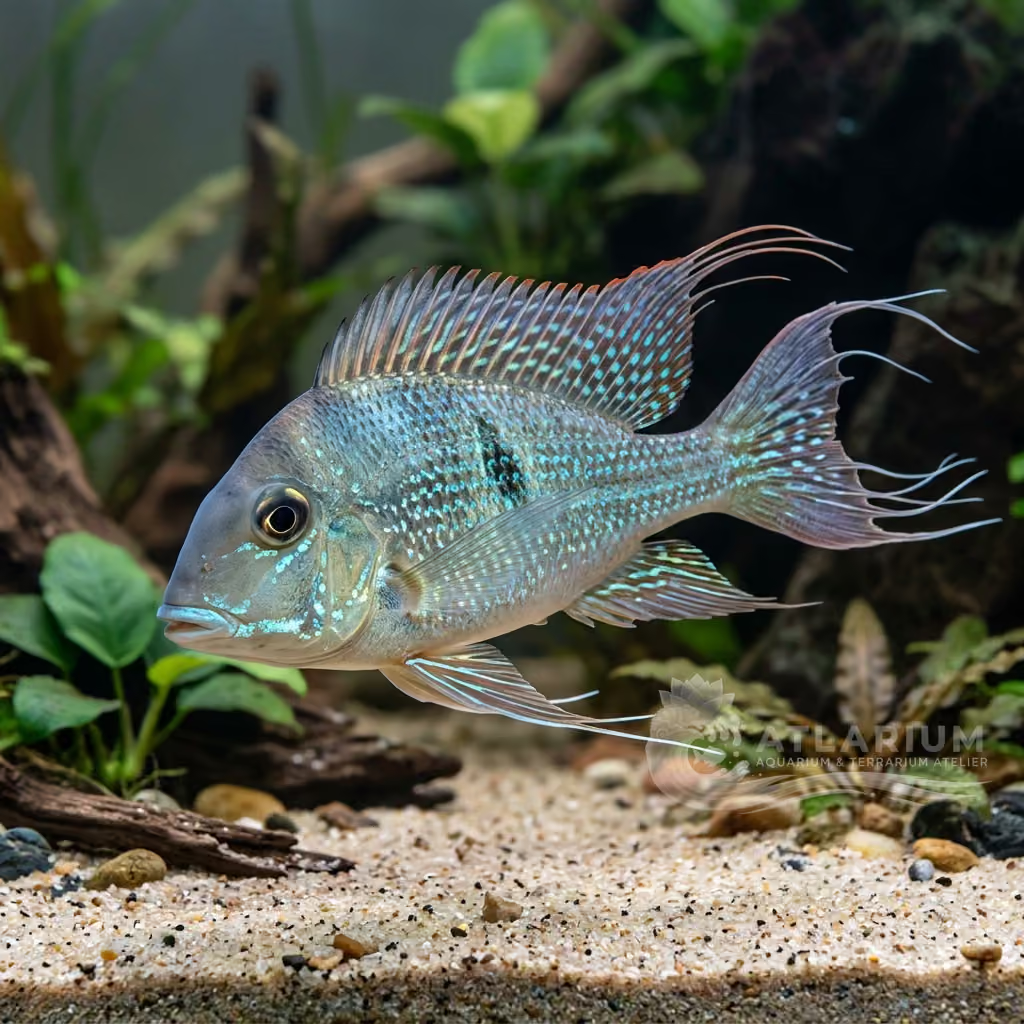
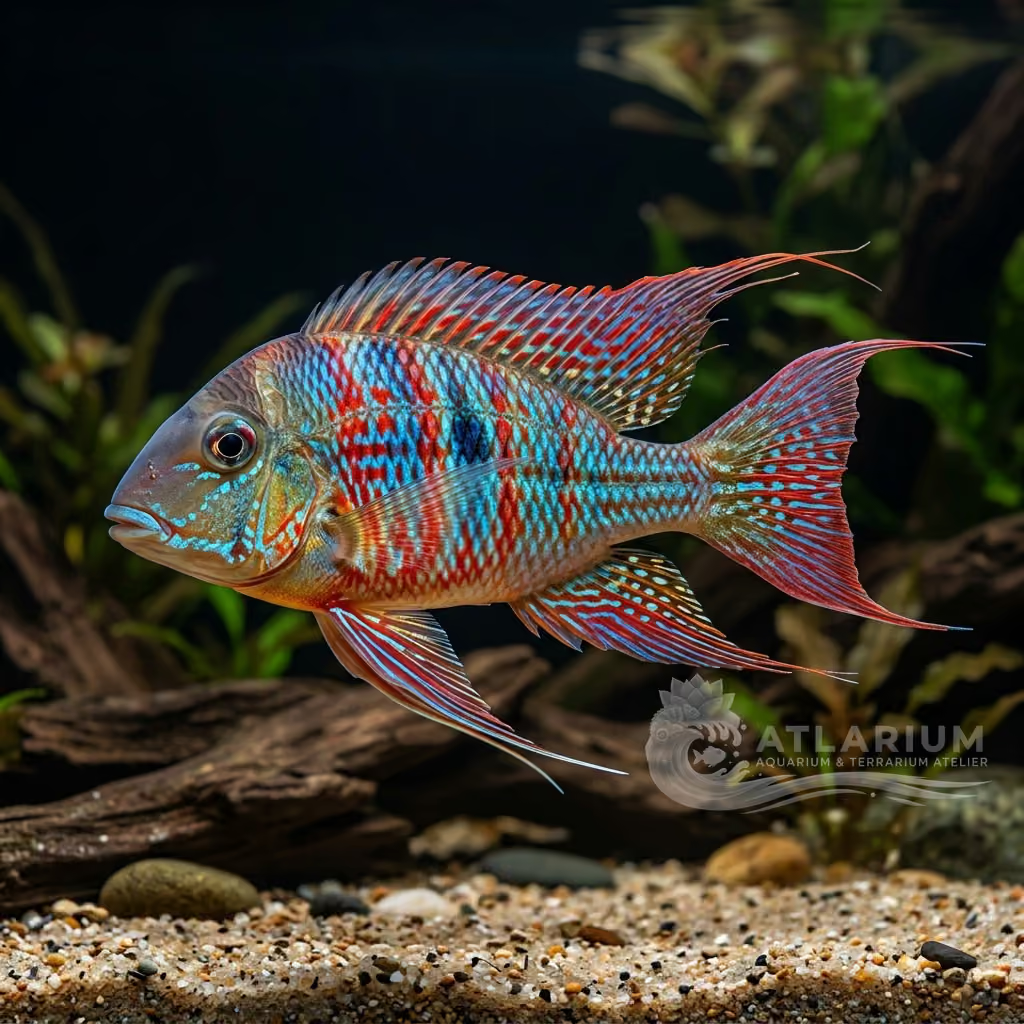
Splendid dwarf 'Checkerboard Cichlid' (6 cm). Very peaceful, exhibits a wonderful dark spotted pattern and extended fins. Requires very pure and hot Amazonian waters.
Water Temperature
25 - 30 °C
pH Value
4.5 - 6.5
Water type
Freshwater
Tank level
Bottom and middle
Adult size
7 cm
Minimum tank volume
>= 100 L
Minimum group
>= 1
GH
1 - 5 dGH
KH
1 - 2 dKH
TDS
25 - 95 ppm
Conductivity
39 - 148 uS/cm

Species description
Geographical Origin and Habitat: Central Amazon, in particular Rio Tapajos and Rio Madeira basin (Brazil). Inhabits clear waters (Clearwater) but very soft or rainforest streams (Blackwater) with pure sand bottoms.
Taxonomy and Morphology: Spadetail Checkerboard Cichlid (Dicrossus maculatus). The first of its species to be described (1875). Tubular in shape. The key feature is the tail: adult males develop a large lozenge or "spade" tail.
Social Behavior: Peaceful behavior, a methodical swimmer who loves to spend hours examining the sand. Less intolerant than its cousins. Can be kept in small groups (e.g. 2 males, 4 females) in sufficiently large tanks.
Coloration and Sexual Dimorphism: Presents a pattern of black square spots that often appear more marked and in 3 precise rows (compared to filamentosus). Males boast a red/blue "spade" tail, while females have round tails and washed-out colorations.

Care, breeding and tankmates
Aquarium Setup: Base of 80 cm (32 inches) for a pair, >120 cm (48 inches) for schools. MANDATORY sandy bottom for gleaning. Setup with few plants but innumerable wooden shelters (bogwood, branches). Still water.
Diet and Feeding: In nature it feeds on micro-invertebrates that it unearths by blowing and filtering sand from its gills. In the tank administer mini bloodworms, nauplii, lobster eggs and crumbled flakes. Does not chase fast prey.
Water Quality: Similar to all Dicrossus: hates nitrogenous compounds, limestone and aggressive tap water. Prefers warm temperatures, up to a constant 28-29°C (82-84°F), essential for reproduction and vitality.
Compatibility and Cohabitation: Ideal companion for Symphysodon (Discus) and Pterophyllum (Angelfish), being thermophilic and peaceful. Avoid combination with excessively "digging" Corydoras (e.g. C. aeneus) that would disrupt its territories.
Aquarium Breeding: Females become hyper-territorial after spawning (always on broad sunken leaves), brutally expelling the male and assuming flaming magenta-red fins. Larvae are extremely fragile to temperature fluctuations.
Risks and Diseases: Zero tolerance for copper-based cures (kills it in a few hours). Bacterial infections of the gills are the rule in crowded or polluted tanks.

Geographic origin and distribution
Central Amazon, in particular Rio Tapajos and Rio Madeira basin (Brazil). Inhabits clear waters (Clearwater) but very soft or rainforest streams (Blackwater) with pure sand bottoms.
Origin
Tropical oceans and reefsAmazon, Orinoco, and Guianas

Fish profile
- Temperament
- Semi-aggressive
- The Spotted Chessboard Cichlid is a profoundly shy, gentle, and delicate species. They require a deeply shaded, tranquil environment to feel secure enough to display their natural behaviors and intricate coloration. In the presence of boisterous tank mates, they will become intensely reclusive and refuse to eat. When kept in an appropriate, peaceful biotope, they are fascinating, deliberate fish that reward the dedicated aquarist with their subtle beauty.
- Diet
- Omnivore
- In the wild, they meticulously sift through leaf litter for micro-crustaceans and benthic invertebrates. To mimic this, their captive diet must consist heavily of high-quality live or frozen micro-foods, such as daphnia, cyclops, and newly hatched brine shrimp. They are incredibly picky and will almost entirely reject standard dry flakes or pellets. Successful long-term care requires a commitment to sourcing and providing a steady supply of small, meaty live or frozen fare.
- Life expectancy
- 3-5 years
- Adult size
- 7 cm
- Sex ratio
- Harem
- To minimize aggression and stress, they are best maintained in a harem structure with one male and several females. This natural social grouping allows the male to divide his attention, preventing any single female from being overly harassed during breeding attempts. Keeping multiple males requires a very large footprint with complex, broken sightlines to allow for distinct territorial boundaries. A ratio of at least three females to one male is highly recommended.
- Feeding frequency
- Twice daily
- Because they have very small stomachs and a slow, deliberate feeding style, they require two to three small feedings per day. Providing multiple small meals ensures they get adequate nutrition without allowing excess food to rot and degrade the water quality. Care must be taken to ensure that faster-swimming tank mates do not steal their food before it reaches the bottom. Target feeding may be necessary to ensure each individual receives its share.
- Bioload
- Low to Medium
- The Spotted Chessboard Cichlid is a small species that contributes minimally to the aquarium's bioload. However, their extreme fragility regarding water quality means that pristine, unpolluted water is absolutely critical for their survival. A heavily planted tank with established, highly efficient biological filtration is required to process trace amounts of ammonia immediately. Consistent, meticulous water changes with reverse osmosis water are vital to maintain the near-zero nitrate levels they need.
- Flow
- Stagnant
- Hailing from slow-moving, tannin-stained blackwater streams, they require very gentle water flow in captivity. Strong currents will physically exhaust them and induce chronic stress, preventing them from foraging naturally. A mature sponge filter is the ideal choice, providing excellent biological filtration with minimal water disturbance. The environment should be as calm and serene as a slow-moving jungle tributary.
- Jump risk
- No
- Reproduction
- Oviparous
- Breeding the Spotted Chessboard Cichlid is a significant challenge, demanding extremely soft, acidic water (pH often below 5.0). They are secretive substrate spawners that lay their eggs in hidden crevices or under broad leaves near the bottom. The female assumes exclusive care of the eggs and fry, becoming highly protective and fiercely guarding her territory against all intruders, including the male. The microscopic fry require immediate access to infusoria or paramecia before they are large enough to consume baby brine shrimp.
- Compatibility & tankmates
- With caution
- They are a highly peaceful and easily bullied species, making them suitable only for the most tranquil of community setups or species-specific tanks. Ideal tank mates include tiny, non-competitive species like Ember Tetras, small pencilfish, and Pygmy Corydoras. Housing them with larger, boisterous, or aggressive fish is a guaranteed recipe for their starvation, extreme stress, and eventual demise. Even robust community fish can be too intimidating for this delicate micro-predator.
- Tank level
- Middle/Bottom
- They are obligate bottom-dwellers that spend the vast majority of their time closely associated with the substrate. A soft sandy bottom covered in a thick layer of botanical leaf litter is absolutely essential to replicate their natural habitat and foraging behavior. They utilize complex hardscape, such as intricate driftwood roots, for shelter and spawning sites. They rarely venture into the upper half of the aquarium, preferring the security of the heavily decorated bottom.

Scientific Parameters & Models
FishBase
Window to the official scientific data of the species
FishBase v25.04Data synced on: 06/15/2026
- Trophic level
- 3.2 ± 0.5 se
- Resilience
- High (less than 15 months)
- Phylogenetic uniqueness (PD50)
- 0.5312
- Bayesian Length-Weight
- a = 0.01995, b = 3.01
- VulnerabilityLow vulnerability (10 / 100)

Related species
Recommendations grouped by close relatives, companion choices, and similar care.