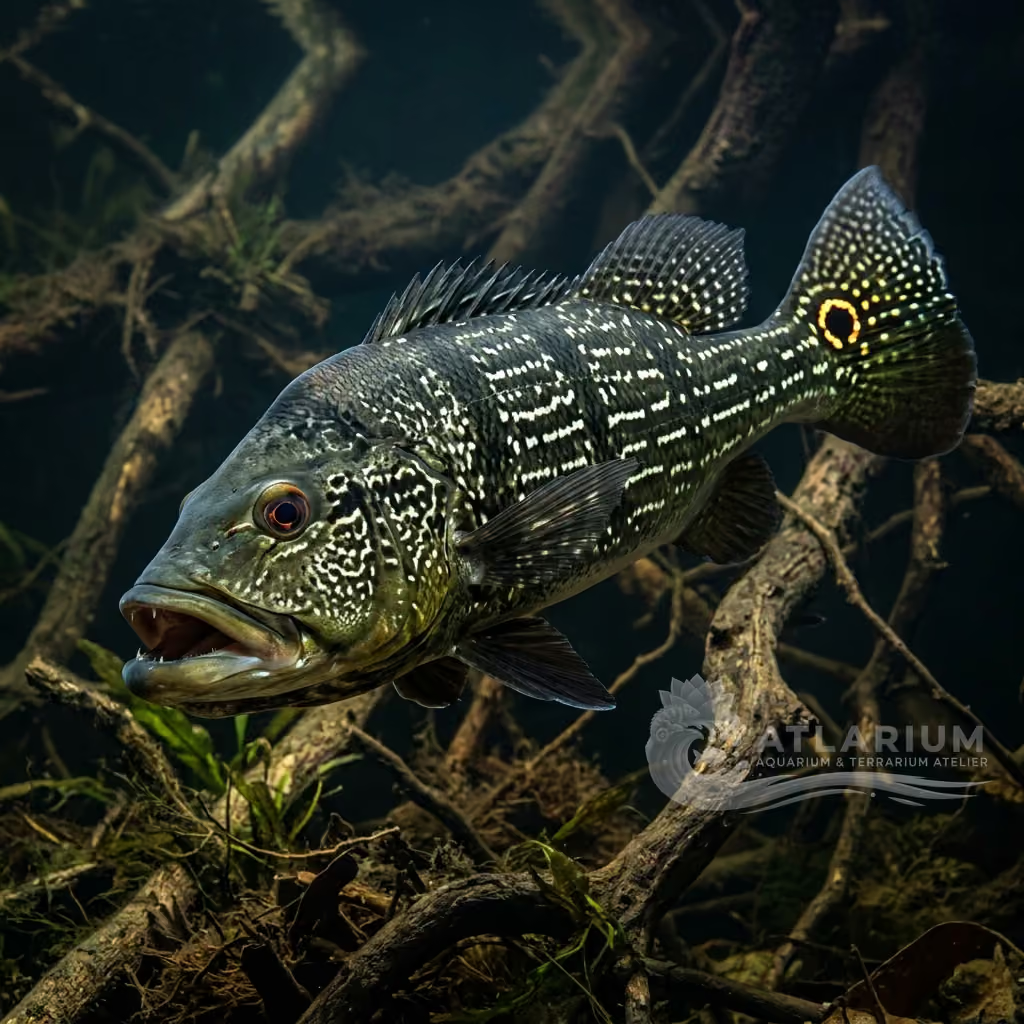
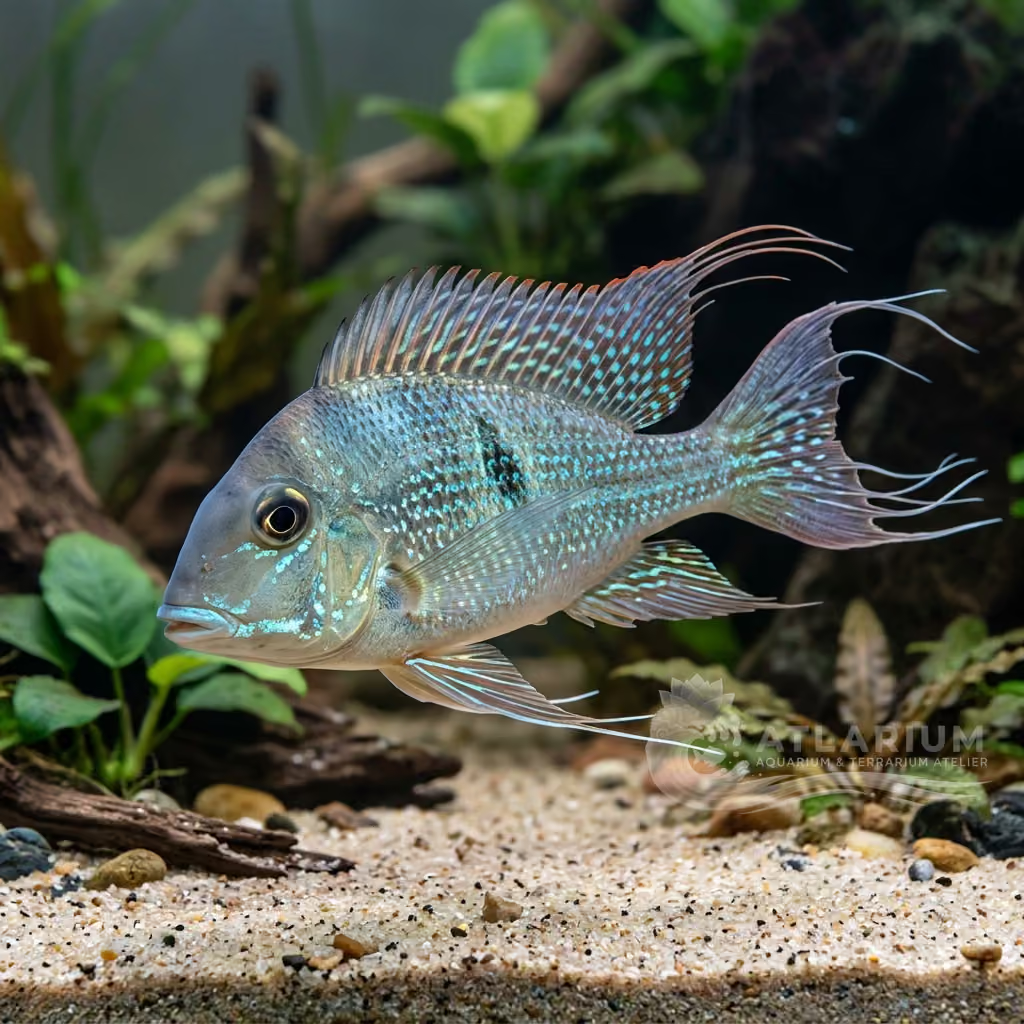
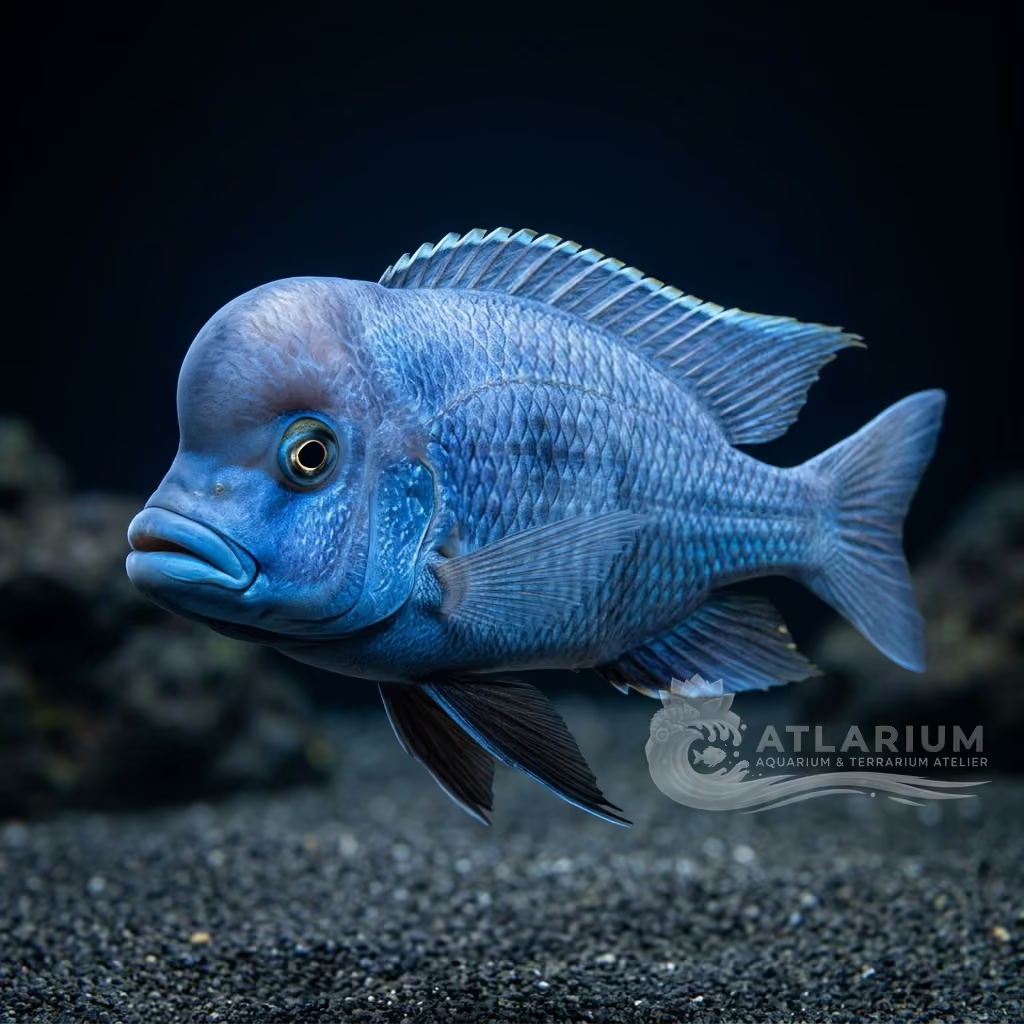
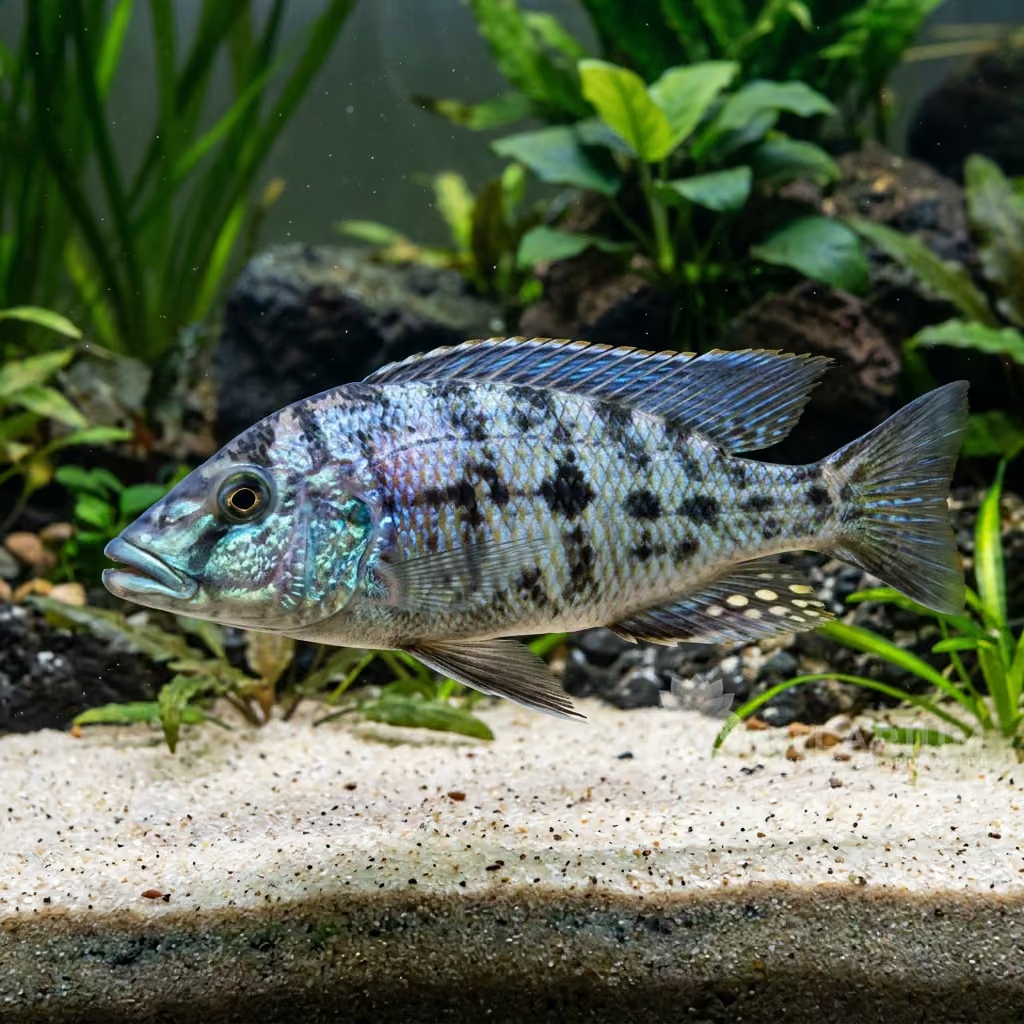
Red breast cichlid
Cribroheros longimanus
A Central American cichlid with a characteristic red-orange patch on the chest that gives it its name. Native to Honduras, Nicaragua, Costa Rica and Guatemala. Benthic forager: sifts through substrate seeking invertebrates — sand mandatory. Territorial and aggressive, especially during breeding. Monogamous pair with excellent biparental care. Compulsively rearranges decorations by digging. High longevity. For experienced cichlid keepers.
Water Temperature
23 - 30 °C
pH Value
7 - 8
Water type
Freshwater
Tank level
Bottom and middle
Adult size
25 cm
Minimum tank volume
>= 300 L
Minimum group
>= 2
GH
8 - 15 dGH
KH
4 - 7 dKH
TDS
160 - 295 ppm
Conductivity
250 - 461 uS/cm

Species description
Geographical Origin and Habitat: Distributed on the Caribbean side of Central America (Guatemala, Honduras, Nicaragua, Costa Rica). Prefers medium-sized rivers and muddy bottoms rich in organic detritus or swamps covered by dense vegetation.
Taxonomy and Morphology: Red Breast Cichlid. Atypical and less robust member of the genus Amphilophus. More oval and compressed body than the Midas. The name "longimanus" refers to the very long, saber-like pectoral fins used to stir up silt. Reaches about 20-25 cm (8-10 inches).
Social Behavior: Decidedly less aggressive and irascible compared to other Amphilophus. Spends its time sifting and spitting out mud and sand in search of food, similarly to the South American "earth-eating" Cichlids (Geophagus).
Coloration and Sexual Dimorphism: Features a greenish or silvery background color with a characteristic black spot in the center of the flank (often extended to a broken black line). The throat, belly and pelvic fins become a wonderful fire red, especially during spawning. No obvious nuchal hump.

Care, breeding and tankmates
Aquarium Setup: Aquariums of at least 300 liters (80 gallons). It is essential to use very thick and soft sandy bottoms to allow the natural digging and filtering behavior ("sifting"). Arrange round stones and bogwood roots. Plants will easily be accidentally uprooted by their excavations.
Diet and Feeding: Detritivorous micro-predator. Although it accepts pellets in the aquarium, its ideal diet must consist of small foods that sink into the sand: bloodworms, tubifex and brine shrimp. It prefers to ingest food mixed with sand to crush it.
Water Quality: Sensitive to high nitrates resulting from its constant excavations that put dirt back into circulation. pH 7.0-8.0, temperatures of 23-30°C (73-86°F). Powerful mechanical pre-filters or sumps are recommended to keep the water clear.
Compatibility and Cohabitation: Must absolutely not be placed in tanks with Midas, Jaguars or other large Central American predators, by which it would be bullied or killed. Perfect for medium-sized community tanks with Characins, Thorichthys or small Ancistrus.
Aquarium Breeding: They lay on smooth stones after digging extensive holes (craters) in the sand. Parental care is excellent and, at this stage, the pair will become furiously territorial, chasing away intruders without the murderous impetus typical of the Midas cousin.
Risks and Diseases: Healthy and tolerant fish. The main problem in captivity is linked to the wrong choice of coarse or sharp gravel that irreversibly wounds the fish's mouth during its incessant filtering of the seabed.

Geographic origin and distribution
Distributed on the Caribbean side of Central America (Guatemala, Honduras, Nicaragua, Costa Rica). Prefers medium-sized rivers and muddy bottoms rich in organic detritus or swamps covered by dense vegetation.
Origin
Extra-Amazon South AmericaCentral America and CaribbeanNorth America

Fish profile
- Temperament
- Aggressive
- Compared to many other Central American cichlids, Cribroheros longimanus is relatively peaceful and mild-tempered outside of the breeding season. They are active, diurnal fish that spend their time peaceably sifting the substrate rather than starting conflicts. However, they are still cichlids and will display territorial behavior, particularly toward conspecifics. During the breeding cycle, their temperament shifts dramatically as both parents become highly aggressive and protective of their nest.
- Diet
- Omnivore
- In their natural habitat, these fish are specialized substrate sifters that consume insect larvae, small crustaceans, detritus, and plant material. In captivity, they are opportunistic omnivores and are not particularly fussy eaters. They should be fed a varied diet consisting of high-quality cichlid pellets or flakes as a staple, supplemented with live or frozen foods such as bloodworms, brine shrimp, and daphnia. Providing some vegetable matter, such as spirulina, will also ensure they receive complete nutrition.
- Life expectancy
- 6-10 years
- Adult size
- 25 cm
- Sex ratio
- 1:1 ratio
- This species is best kept as a single compatible male-female pair, especially in average-sized home aquariums. If you are starting with juveniles, stocking a group of 5 to 6 individuals is a common strategy to allow them to pair off naturally. Once a dominant pair forms, it is usually necessary to rehome the remaining individuals to prevent severe aggression. Keeping multiple pairs or a larger group is only recommended in very large aquariums with plenty of visual barriers.
- Feeding frequency
- Twice daily
- To maintain their health and keep waste production manageable, it is recommended to feed adult Cribroheros longimanus once or twice a day. Juveniles require more frequent feedings, typically three times a day, to support their rapid growth phase. Only offer amount of food that they can consume within two to three minutes to avoid uneaten food decaying in the substrate. Spreading the meals throughout the day helps mimic their natural continuous foraging behavior.
- Bioload
- Medium to High
- As a moderately large cichlid reaching up to 15–18 cm, Cribroheros longimanus produces a significant biological load. Their constant substrate-sifting behavior can stir up detritus and organic matter, putting additional strain on the filtration system. To keep the water pristine, a powerful external canister filter with robust mechanical and biological media is highly recommended. Regular weekly water changes of 20% to 30% are essential to prevent the accumulation of nitrates and maintain optimal water chemistry.
- Flow
- Strong
- Cribroheros longimanus naturally inhabits slow-moving rivers, lakes, and calm streams with muddy or sandy substrates. Consequently, they prefer weak to moderate water flow in the aquarium, which allows them to sift the sand comfortably without fighting strong currents. Excessive flow can cause stress and make it difficult for them to forage and breed. A filtration setup with adjustable flow or spray bars is ideal to distribute the water evenly without creating harsh currents.
- Jump risk
- Yes
- While not chronic jumpers, these cichlids can easily leap out of the aquarium if they are startled or chased by tank mates. Sudden changes in lighting, maintenance work, or territorial disputes can cause them to dart upwards in a panic. Therefore, a secure, tight-fitting lid or cover slides are mandatory to prevent accidental escapes. Adding floating plants or keeping the aquarium in a quiet area can also help reduce startle-induced jumping behaviors.
- Reproduction
- Oviparous
- Breeding this species in captivity is relatively straightforward and highly rewarding for hobbyists. They are substrate spawners that form strong monogamous bonds and select a flat rock or dig a pit in the sand to deposit their eggs. Both parents are exceptionally dedicated, sharing the duties of fanning the eggs and aggressively defending the territory from all intruders. Once the eggs hatch, the parents continue to guide and protect the free-swimming fry for several weeks.
- Compatibility & tankmates
- Community
- Due to their territorial nature, tank mates must be selected with care, avoiding very small or timid species that could be bullied or eaten. They can be successfully housed with other moderately sized, peaceful Central American cichlids or robust dither fish like larger tetras and livebearers. Bottom-dwelling catfish or plecos can make suitable companions, provided they do not attempt to invade the cichlids' spawning site. During breeding, however, it is often best to keep the pair in a dedicated tank to prevent harm to other fish.
- Tank level
- Middle/Bottom
- Cribroheros longimanus is primarily a bottom-to-middle dweller that spends most of its active hours near the substrate. This zone is where they search for food by digging and sifting through sand with their mouths. They rarely venture to the upper levels of the tank, unless they are feeding or feeling highly secure. Providing ample open space at the bottom of the tank is crucial to accommodate their natural swimming and foraging habits.

Scientific Parameters & Models
FishBase
Window to the official scientific data of the species
FishBase v25.04Data synced on: 06/15/2026
- Trophic level
- 2.7 ± 0.3 se
- Resilience
- Medium (1.4 - 4.4 years)
- Phylogenetic uniqueness (PD50)
- 0.5039
- Bayesian Length-Weight
- a = 0.01445, b = 3.08
- VulnerabilityLow vulnerability (10 / 100)

Related species
Recommendations grouped by close relatives, companion choices, and similar care.