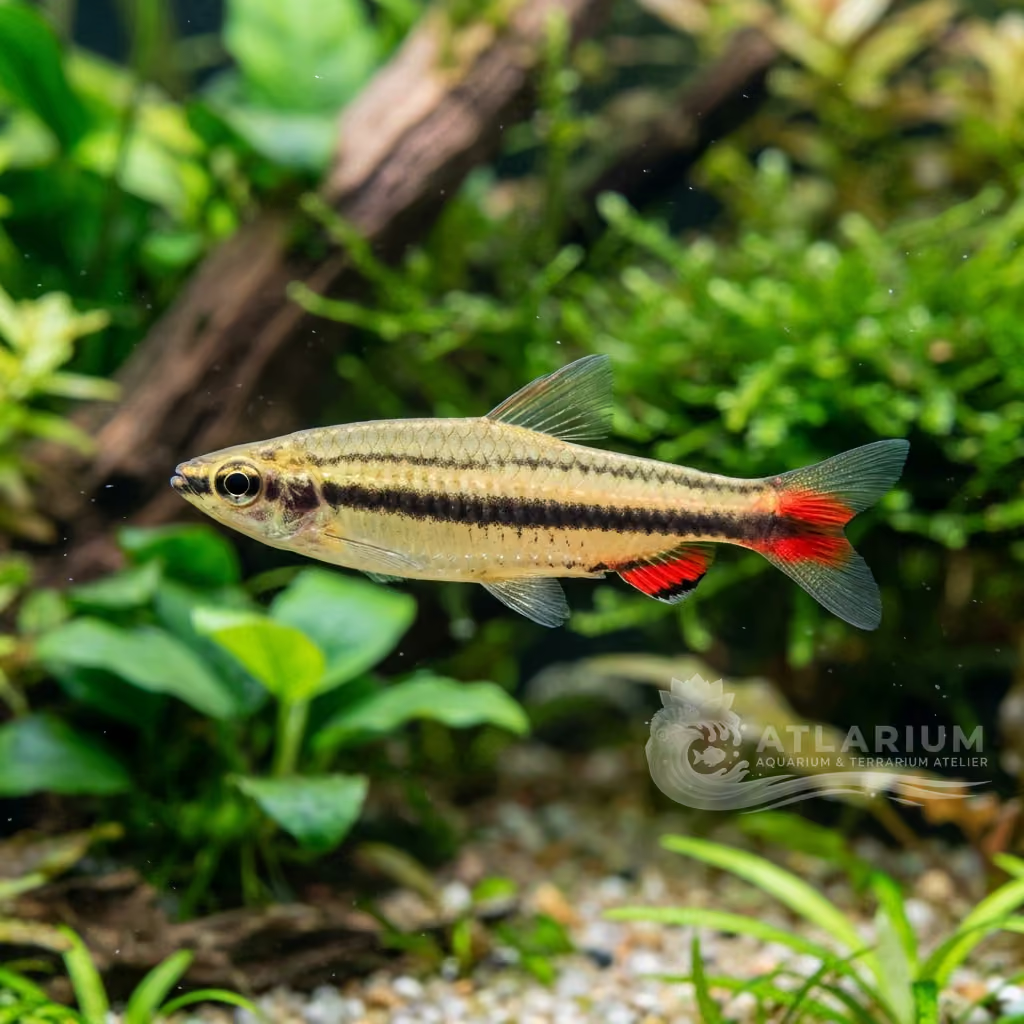
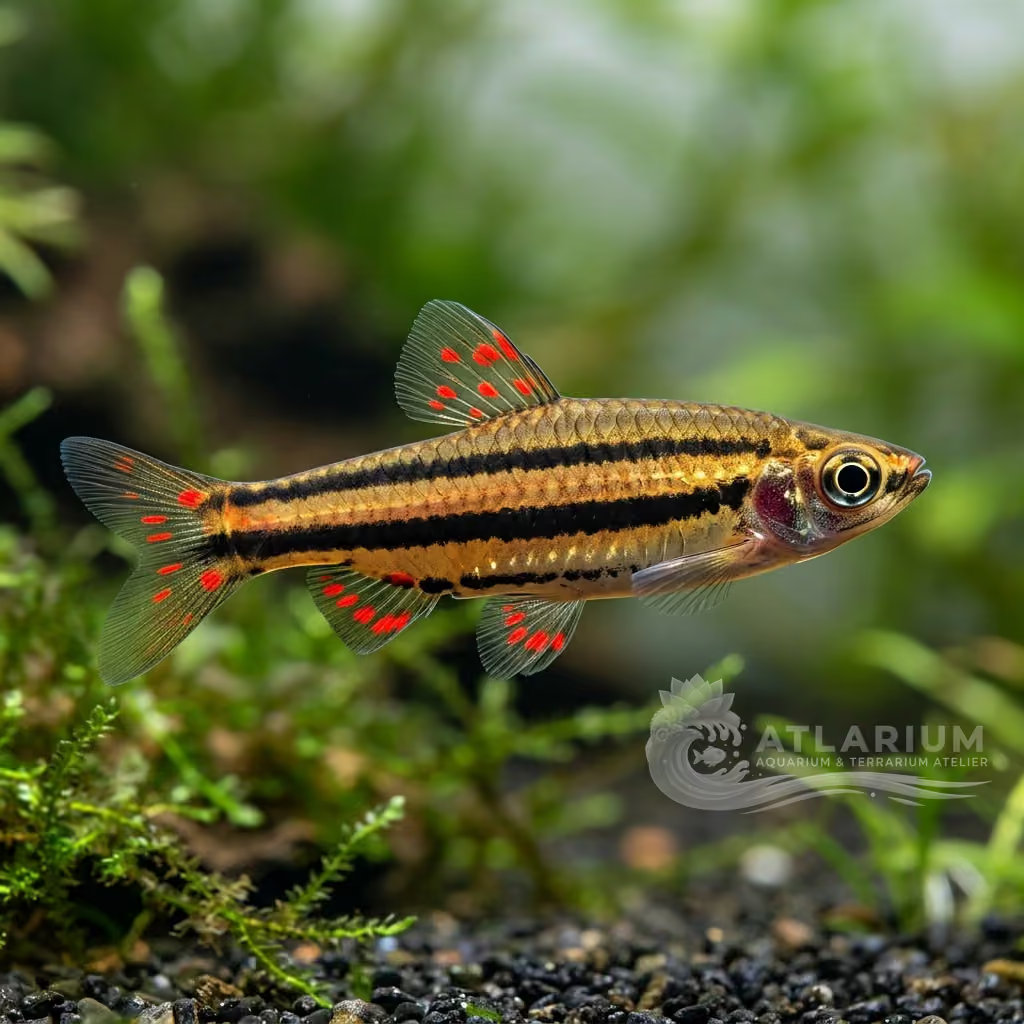
Dolphin Cichlid
Krobia guianensis
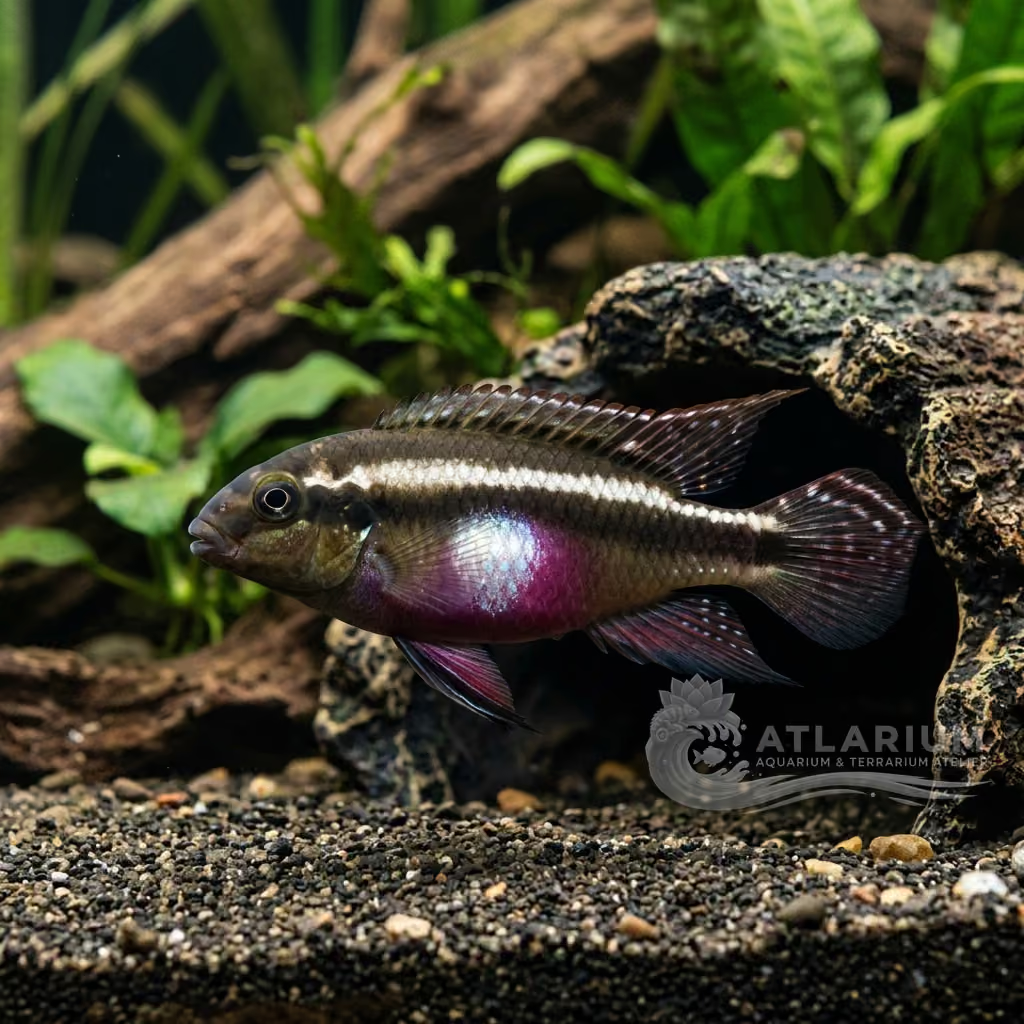
The mild 'Dolphin Cichlid' (12-14 cm). Close relative of the Acaras (formerly classified as Aequidens guianensis), this splendid cichlid fits into the void between the fragile dwarf cichlids (Apistogramma) and the large colossi (Severum). Incredibly peaceful, does not uproot plants, boasts a changing holographic livery and, thanks to its rounded skull, brings smiles for its resemblance to a bottlenose dolphin.
Water Temperature
22 - 28 °C
pH Value
5.5 - 7
Water type
Freshwater
Tank level
Bottom and middle
Adult size
12 cm
Minimum tank volume
>= 100 L
Minimum group
>= 1
GH
1 - 10 dGH
KH
1 - 5 dKH
TDS
25 - 200 ppm
Conductivity
39 - 313 uS/cm

Species description
Geographical Origin and Habitat: Guyana and Oubangui basin (Northern South America). Inhabits the Amazonian hinterland, in slow coastal "creeks", among roots and foliage in highly humic and dark waters (Blackwater).
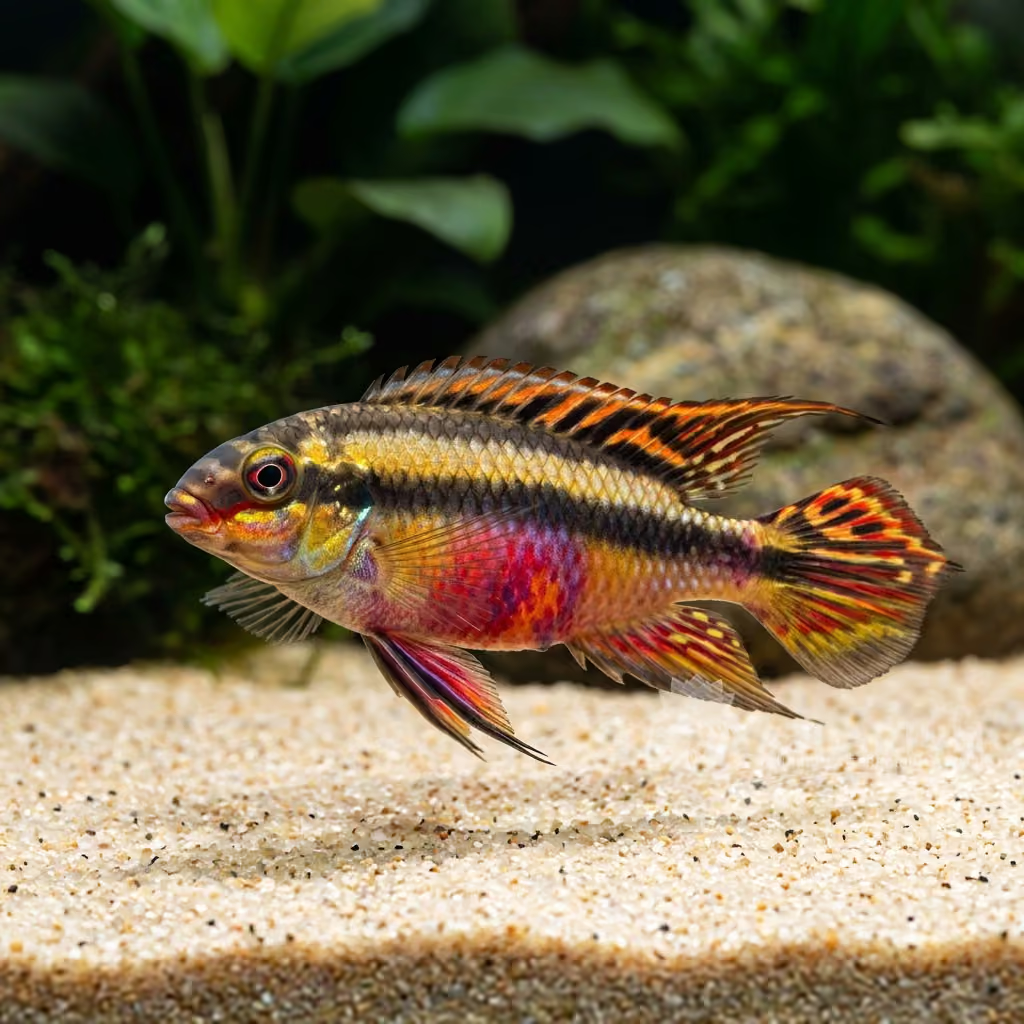
Taxonomy and Morphology: Dolphin Cichlid (Krobia guianensis). Cichlid once classified as Aequidens. Stocky and compact build, distinctly rounded forehead (dolphin profile) and large dark eyes.
Social Behavior: The gentle Acara. Among medium-sized cichlids it is one of the most peaceful and docile. Spends its time quietly scouring the tank without ever chasing tankmates, provided it has enough wood to take shelter in.
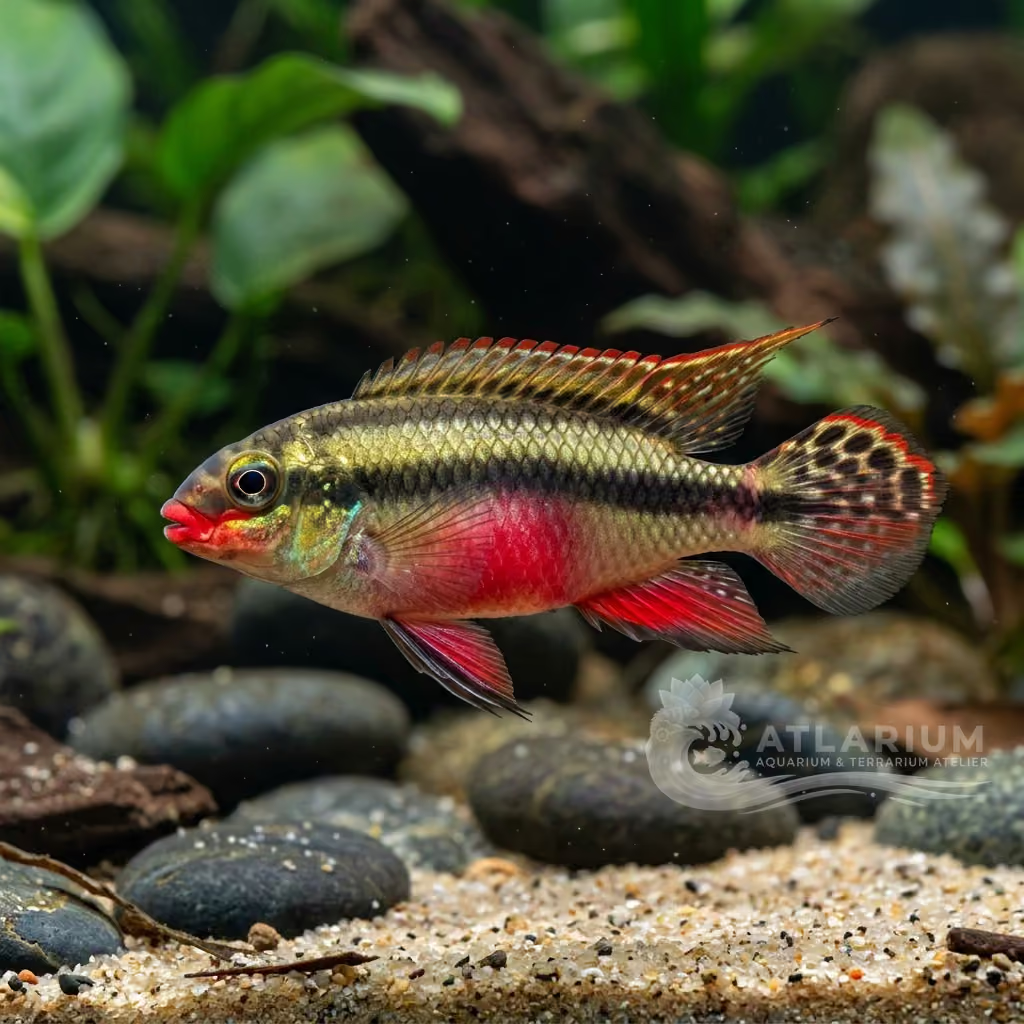
Coloration and Sexual Dimorphism: Pale yellowish-olive base coloration, which lights up with turquoise iridescence on the flanks. Black lateral line that accentuates depending on the mood, mask under the eyes. The male is larger with pointed dorsal and anal fins, the female is smaller and stockier.

Care, breeding and tankmates
Aquarium Setup: South American Biotope Tank (minimum 100 cm / 40 inches). Fine sand on the bottom, twisted roots arranged to form visual refuges, Terminalia catappa leaves, alder cones. Robust plants recommended but not essential.
Diet and Feeding: Omnivore (Micro-predator). Almost never digs the bottom. Willingly accepts quality sinking granules, freeze-dried feeds and, essential, live or frozen prey (brine shrimp, bloodworms) to stimulate colors.
Water Quality: Prefers soft (low GH) and weakly acidic (pH 6.0-6.8) waters typical of Guianan rivers, rich in humic acids. Keeping the water clean is essential to avoid fungal diseases on the fins.
Compatibility and Cohabitation: Ideal for the peaceful South American community. Insert it together with thick groups of robust characins (e.g. Hyphessobrycon), Corydoras, and Loricariids. Not recommended to pair with aggressive Central American cichlids or large earth-eaters (Geophagus) that would stress it.
Aquarium Breeding: Open substrate spawner. The pair (often faithful) cleans a flat stone or a large piece of wood, lays and protects eggs and fry in a proud but never lethal way for the other inhabitants of the tank. They are excellent parents.
Risks and Diseases: Stress from "Bullying". Its calmness makes it an easy target for livelier species. In overly illuminated, clear or overcrowded tanks it fades, hides and can develop intestinal flagellates due to wasting.

Geographic origin and distribution
Guyana and Oubangui basin (Northern South America). Inhabits the Amazonian hinterland, in slow coastal "creeks", among roots and foliage in highly humic and dark waters (Blackwater).
Origin
Amazon, Orinoco, and Guianas

Fish profile
- Temperament
- Semi-aggressive
- They are relatively mild-mannered for a cichlid and rarely bother other fish. They only become aggressively territorial when spawning and guarding fry. They are an ideal choice for aquarists looking for a colorful, peaceful cichlid.
- Diet
- Omnivore
- They are omnivorous with a preference for meaty foods in their natural habitat. Offer a balanced diet of high-quality sinking cichlid pellets, frozen bloodworms, and brine shrimp. Including some vegetable-based foods will ensure well-rounded nutrition.
- Life expectancy
- 5-8 years
- Adult size
- 12 cm
- Sex ratio
- Pair
- They can be kept in groups when young, but are best kept in male-female pairs as adults. A bonded pair will establish a territory and breed readily. Keeping multiple males may result in territorial squabbles unless the tank is very large.
- Feeding frequency
- Twice daily
- Feed adults once or twice a day in amounts they can finish within a few minutes. Growing juveniles should be fed slightly more often to support healthy development. Overfeeding should be avoided to prevent bloat and water quality issues.
- Bioload
- Medium
- This medium-sized South American cichlid produces a moderate bioload. Adequate filtration and routine water changes are necessary to keep nitrates low. They appreciate clean, slightly acidic water conditions.
- Flow
- Stagnant
- They prefer slow to moderate water movement, reminiscent of sluggish rivers and streams in South America. Extremely strong currents should be avoided as they prefer calmer waters. Ensure the filter output is diffused or gentle.
- Jump risk
- Yes
- They are not particularly known as jumpers, but like any fish, they might jump if spooked. A standard aquarium lid is sufficient to keep them safe. Providing enough hiding spots will prevent them from making panic jumps.
- Reproduction
- Oviparous
- They are substrate spawners that typically lay eggs on a flat rock or broad leaf. Both parents provide excellent brood care, aggressively defending the eggs and free-swimming fry. Breeding is generally straightforward if clean water and a good diet are provided.
- Compatibility & tankmates
- With caution
- They are generally peaceful and make excellent additions to a peaceful South American community tank. They can be housed with tetras, Corydoras, and peaceful plecos. Avoid keeping them with overly aggressive or large cichlids that could intimidate them.
- Tank level
- Middle/Bottom
- They primarily occupy the lower and middle levels of the aquarium. They enjoy sifting through soft, sandy substrates in search of food. Driftwood and leaf litter will make them feel right at home.

Scientific Parameters & Models
FishBase
Window to the official scientific data of the species
FishBase v25.04Data synced on: 06/15/2026
- Trophic level
- 3.3 ± 0.44 se
- Resilience
- High (less than 15 months)
- Phylogenetic uniqueness (PD50)
- 0.5625
- Bayesian Length-Weight
- a = 0.01549, b = 3.07
- VulnerabilityLow vulnerability (10 / 100)

Related species
Recommendations grouped by close relatives, companion choices, and similar care.