Mouthbrooding Severum
Heros liberifer
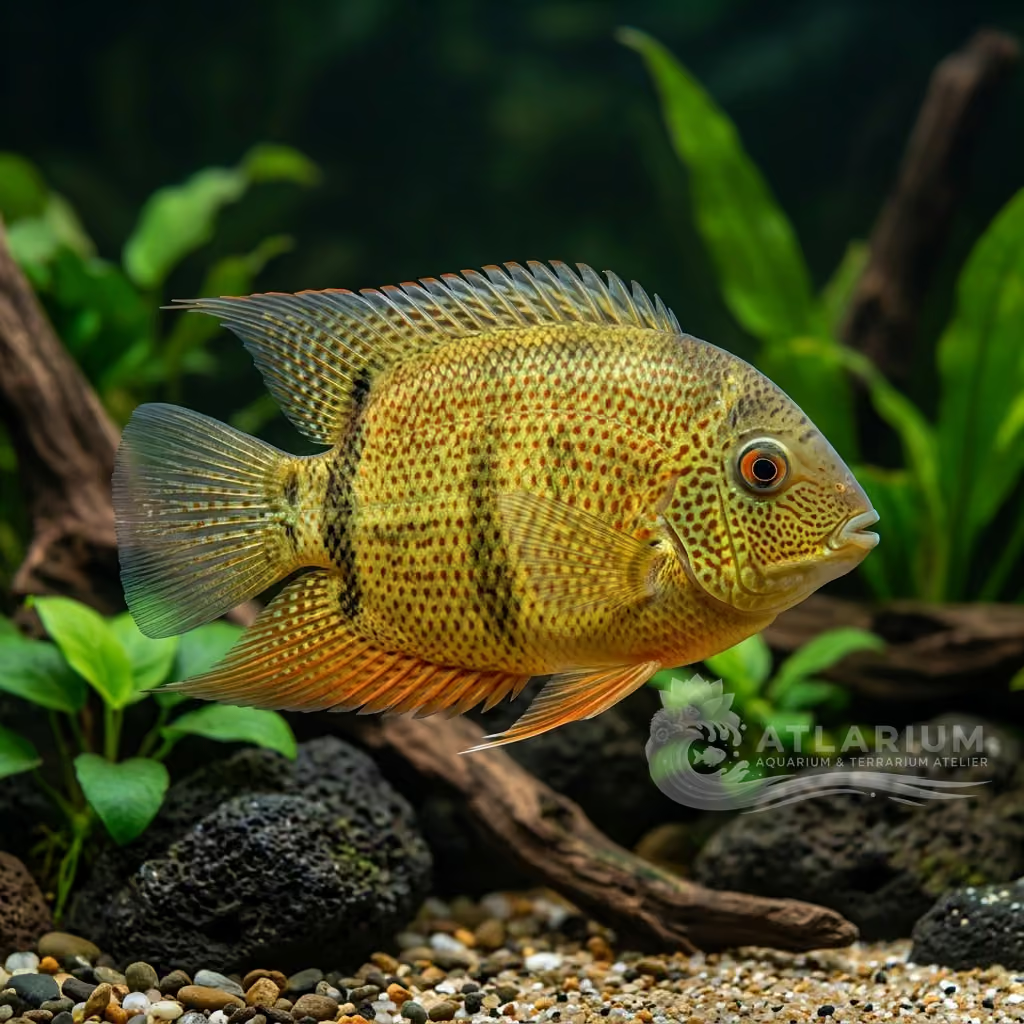
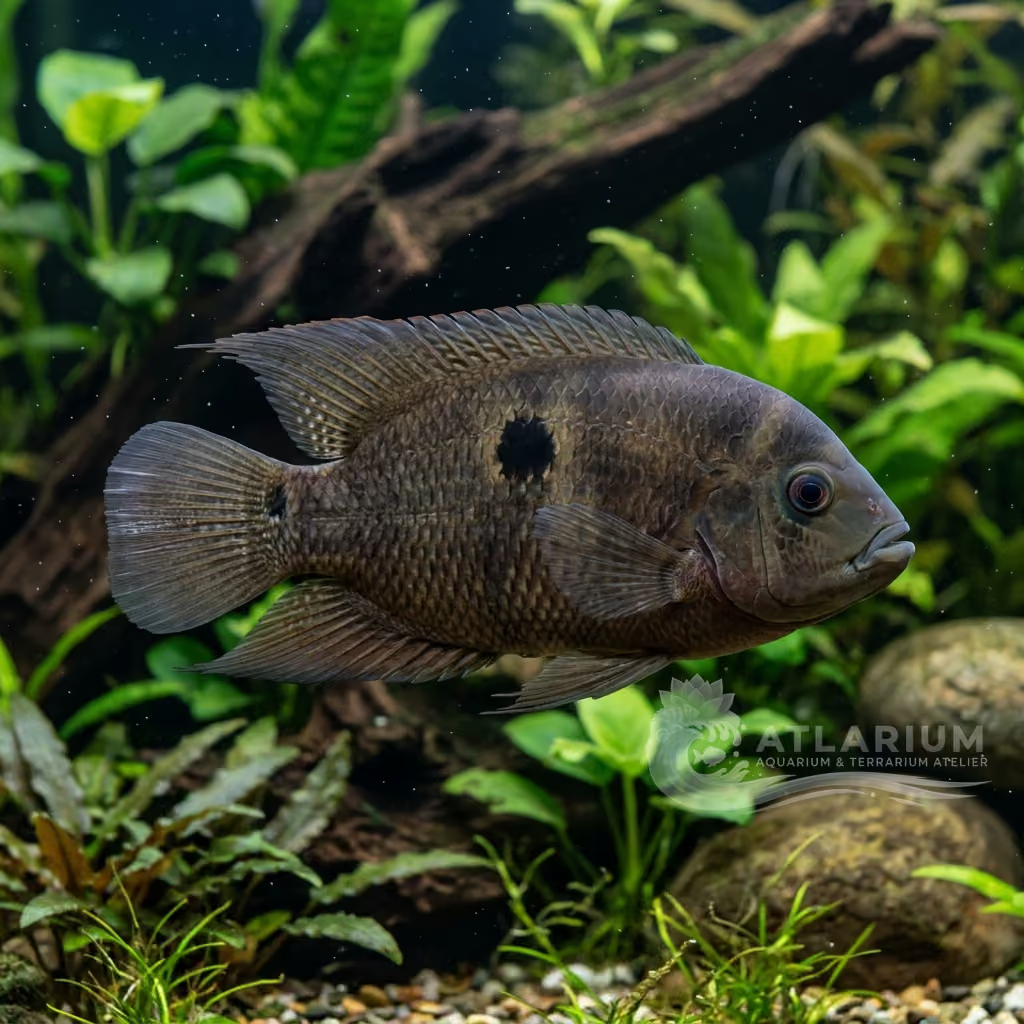
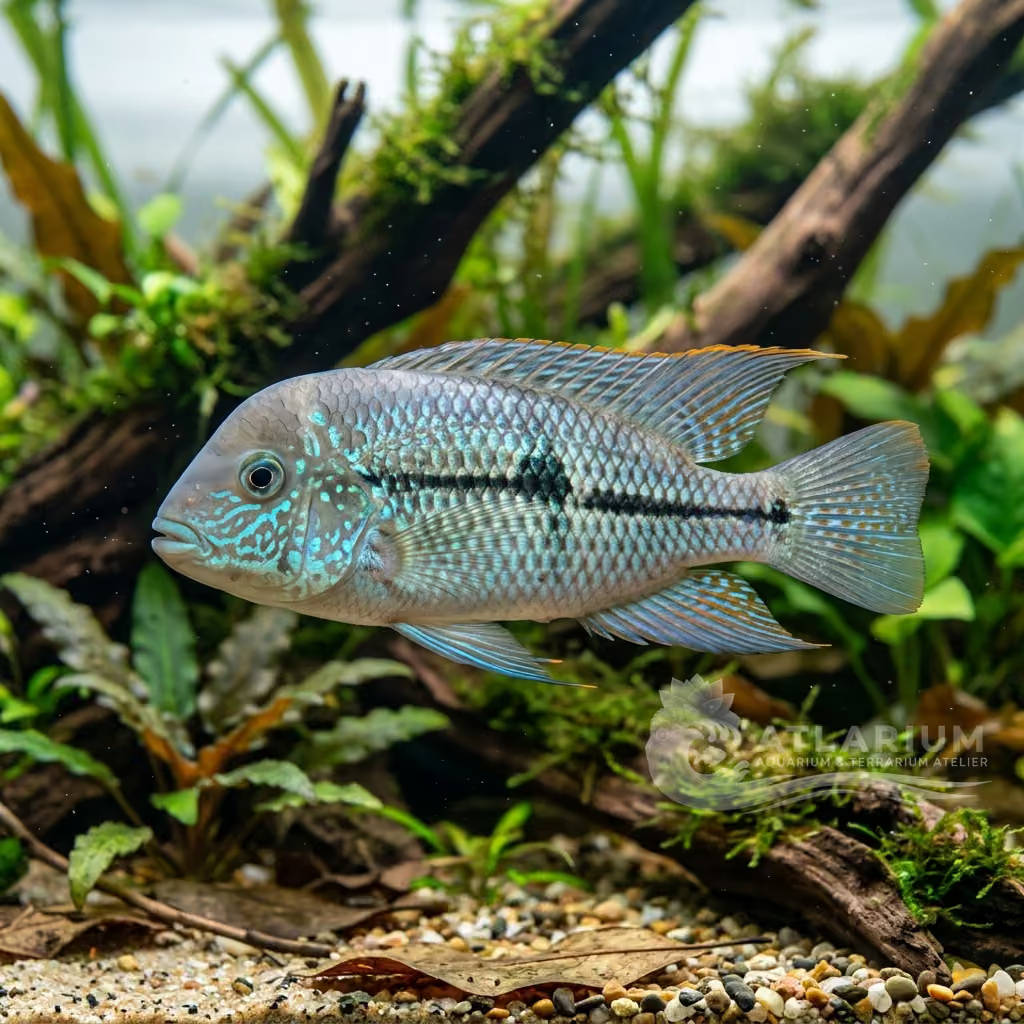
The invaluable 'Mouthbrooding Severum' (20-25 cm). Exceptionally rare and coveted Severum variety. Apparently similar to the Efasciatus (but characterized by red dots on well-defined horizontal lines), the Liberifer is an evolutionary miracle: it is the only known Severum to have developed delayed larvophile mouthbrooding, protecting the fry in its mouth.
Water Temperature
25 - 30 °C
pH Value
5.5 - 7
Water type
Freshwater
Tank level
Bottom and middle
Adult size
25 cm
Minimum tank volume
>= 300 L
Minimum group
>= 1
GH
1 - 10 dGH
KH
1 - 5 dKH
TDS
25 - 200 ppm
Conductivity
39 - 313 uS/cm

Species description
Geographical Origin and Habitat: Upper Orinoco basin (Venezuela, Colombia). Inhabits clear or amber river waters, characterized by moderate current, flooded banks and dense barriers of fallen branches in which it takes shelter.
Taxonomy and Morphology: Mouthbrooding Severum (Heros liberifer). Described recently (2015), it is distinguished from other Heros by the very clear tiny black dots (freckles) aligned horizontally on the body and very thick lips.
Social Behavior: Atypical Severum, extremely placid. Cohabits peacefully in a group and spends the day "grazing" algae and biomass from woods. Shows aggression only towards conspecifics in strictly reproductive phase.
Coloration and Sexual Dimorphism: Light olive-green or golden livery with weak vertical stripes, dotted with spectacular aligned red and black "polka dots". Adult males develop bright red vermiculated facial masks; females are more sober.

Care, breeding and tankmates
Aquarium Setup: Immense tank (minimum 150 cm / 60 inches). Furnishing based on heavy intricate bogwoods and smooth rocks. Like all Heros, it is a defoliator: it will destroy plants, unless attempting with very robust ferns or anchored Anubias.
Diet and Feeding: Mainly herbivorous (Grazer). The intestine is very long and fragile. Feed with blanched peas, zucchini, spirulina-based pellets and a little krill or mysis. Avoid bloodworms or beef heart (intestinal blockage).
Water Quality: Species of very warm (28-30°C / 82-86°F) and soft water. Extremely susceptible to high nitrates: if the water quality drops, the black spots on the body fade and it gets sick with Hexamita (Hole in the Head disease).
Compatibility and Cohabitation: The perfect "Dither" Cichlid for large slow predators (Geophagus, Uaru, Satanoperca). Mild with small Tetras, but its size dictates tankmates that won't accidentally end up in its large mouth.
Aquarium Breeding: The exception of the genus! Unlike ALL other Heros (which are substrate spawners), the liberifer is a larvophile mouthbrooder. It lays on a leaf/wood and then broods the larvae in its mouth to protect them.
Risks and Diseases: Digestive issues (Bloat). An H. liberifer fed like a predator (meat) or with protein flakes rapidly develops dropsy and dies with a swollen belly.

Geographic origin and distribution
Upper Orinoco basin (Venezuela, Colombia). Inhabits clear or amber river waters, characterized by moderate current, flooded banks and dense barriers of fallen branches in which it takes shelter.
Origin
Amazon, Orinoco, and Guianas

Fish profile
- Temperament
- Semi-aggressive
- They are renowned for their peaceful, almost dog-like temperament and intelligence. Severums quickly learn to recognize their owners and will often beg for food at the front of the glass. While peaceful, they have a robust build and will firmly defend themselves if bothered by aggressive fish. Their calm demeanor makes them a favorite among South American cichlid enthusiasts.
- Diet
- Omnivore
- Severums are omnivorous with a strong preference for plant matter in their daily diet. They will readily consume high-quality cichlid pellets, spirulina flakes, and fresh blanched vegetables like zucchini or peas. Meaty foods such as bloodworms and brine shrimp should be offered sparingly as treats. Live aquarium plants are often viewed as a food source and may be eagerly consumed.
- Life expectancy
- 7-10 years
- Adult size
- 25 cm
- Sex ratio
- Pair
- Sexing severums can be challenging, but mature males often develop distinct facial markings and extended fin trailers. Females are generally slightly smaller and have a plainer facial pattern without the intense worm-like markings. They are best kept in pairs or as a single focal point fish in a community setting. Keeping multiple males may lead to mild territorial posturing in smaller tanks.
- Feeding frequency
- Twice daily
- These cichlids thrive when fed one to two times a day with a carefully balanced diet. Offer only what they can consume within a few minutes to prevent food decay and water fouling. Growing juveniles can be fed slightly more often to support healthy development. Providing a scheduled fasting day once a week can help prevent digestive issues.
- Bioload
- Medium to High
- Severums are substantial fish that produce a considerable amount of waste as they grow. Adequate filtration, such as a large canister filter, is necessary to maintain excellent water quality. Weekly water changes of at least thirty percent are recommended to keep nitrates low. Proper tank maintenance ensures these cichlids do not suffer from stress-related illnesses.
- Flow
- Stagnant
- They prefer gentle to moderate water flow, mimicking the sluggish rivers and calm lakes of their native South America. Overly turbulent water can cause them stress and make it difficult for them to swim naturally. Standard filtration flow is usually adequate without the need for additional powerheads. Ensure there are calm areas decorated with driftwood for them to rest.
- Jump risk
- No
- Reproduction
- Oviparous
- Depending on the exact species, severums are either substrate spawners or specialized mouthbrooders. They form strong monogamous pairs and display intense parental care during the breeding process. Substrate spawners will clean a flat rock to lay eggs, while mouthbrooders will protect the fry inside their mouths. Breeding pairs can become territorial, so a separate breeding tank is often recommended.
- Compatibility & tankmates
- Semi-aggressive
- Unlike many large cichlids, severums are remarkably peaceful and make great additions to large community tanks. They can be safely housed with other peaceful to semi-aggressive fish of similar size. They generally ignore smaller fish, though extremely tiny species might occasionally be eaten by large adults. They pair well with peaceful catfish, large tetras, and other mild-mannered cichlids.
- Tank level
- Middle/Bottom
- Severums are versatile swimmers that utilize the middle and lower levels of the water column. They enjoy navigating through complex environments made of submerged branches, roots, and smooth rocks. They will occasionally venture to the surface during feeding time. Providing vertical structures gives them a sense of security and encourages natural behavior.

Scientific Parameters & Models
FishBase
Window to the official scientific data of the species
FishBase v25.04Data synced on: 06/15/2026
- Trophic level
- 2.8 ± 0.4 se
- Resilience
- High (less than 15 months)
- Phylogenetic uniqueness (PD50)
- 0.5312
- Bayesian Length-Weight
- a = 0.0302, b = 3.03
- VulnerabilityLow vulnerability (10 / 100)

Related species
Recommendations grouped by close relatives, companion choices, and similar care.