Checkerboard Cichlid
Dicrossus filamentosus
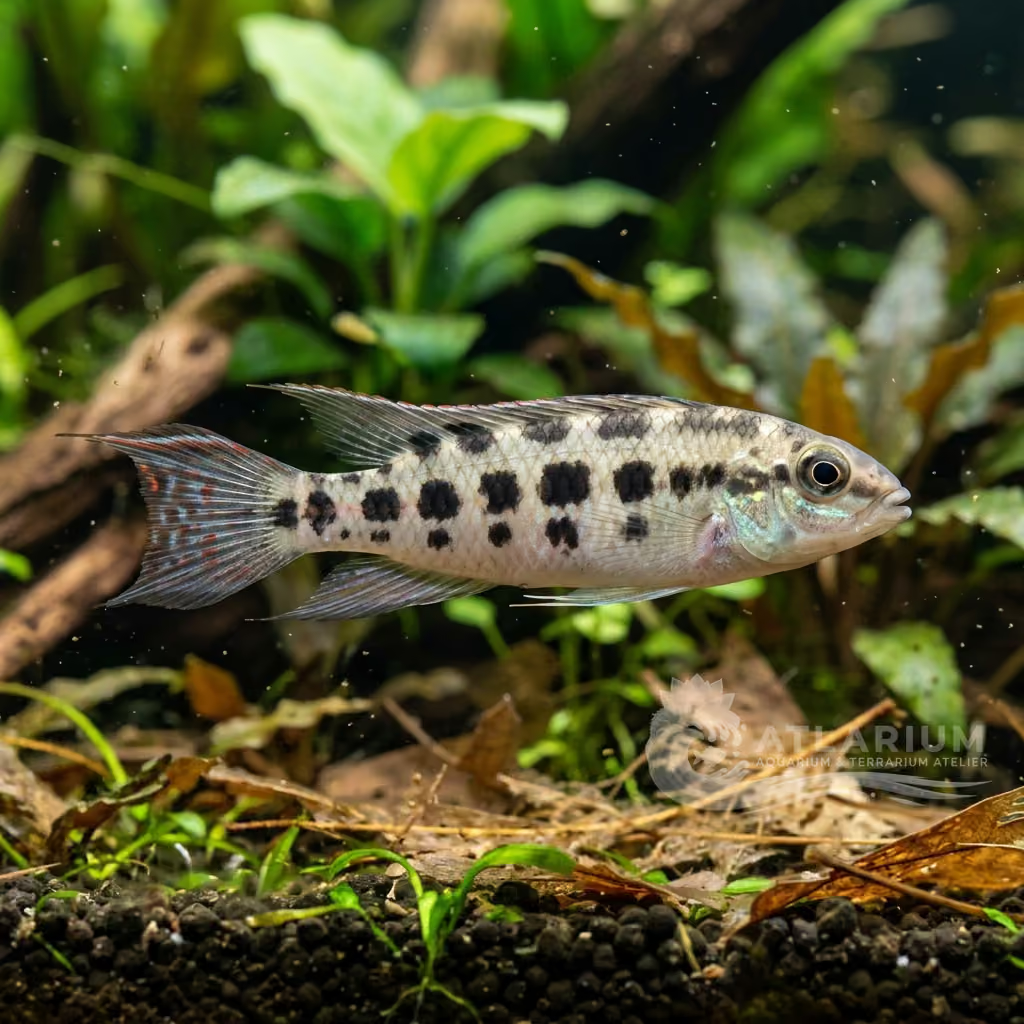
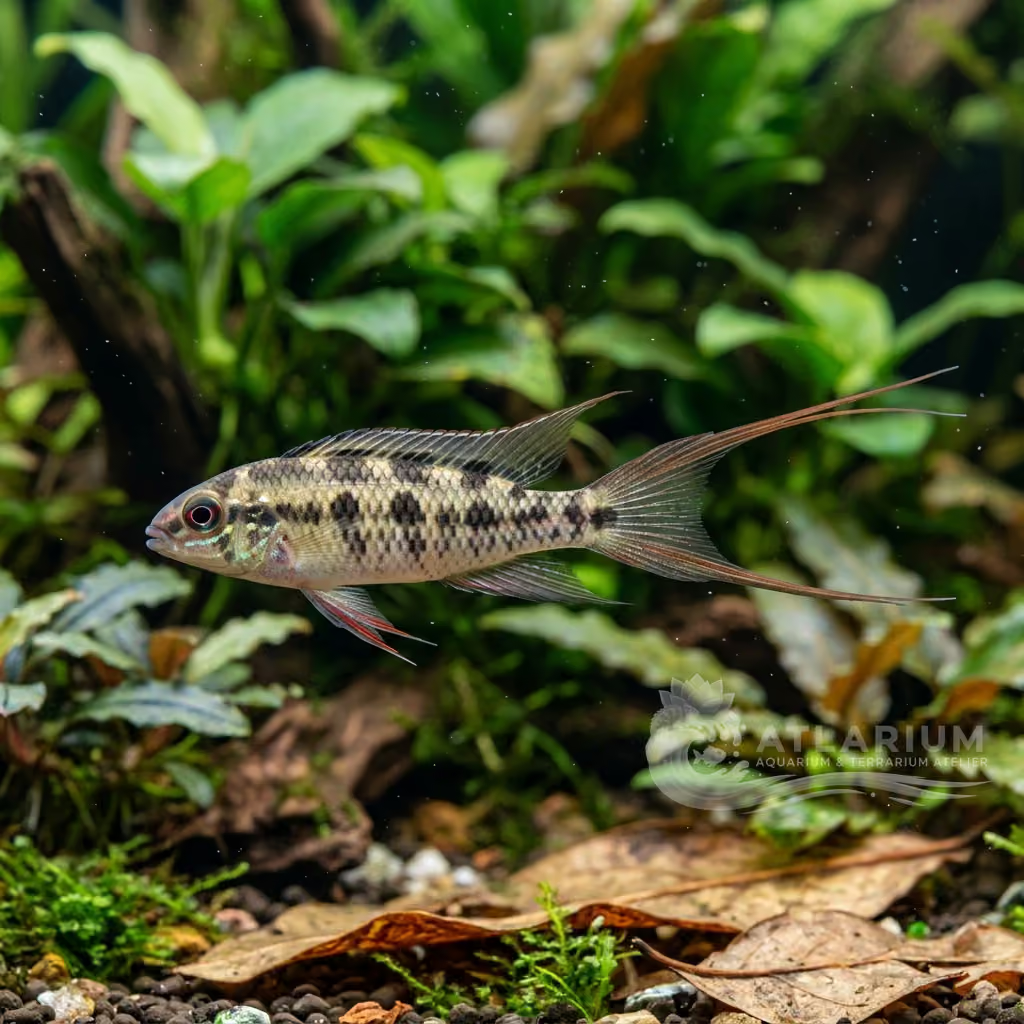
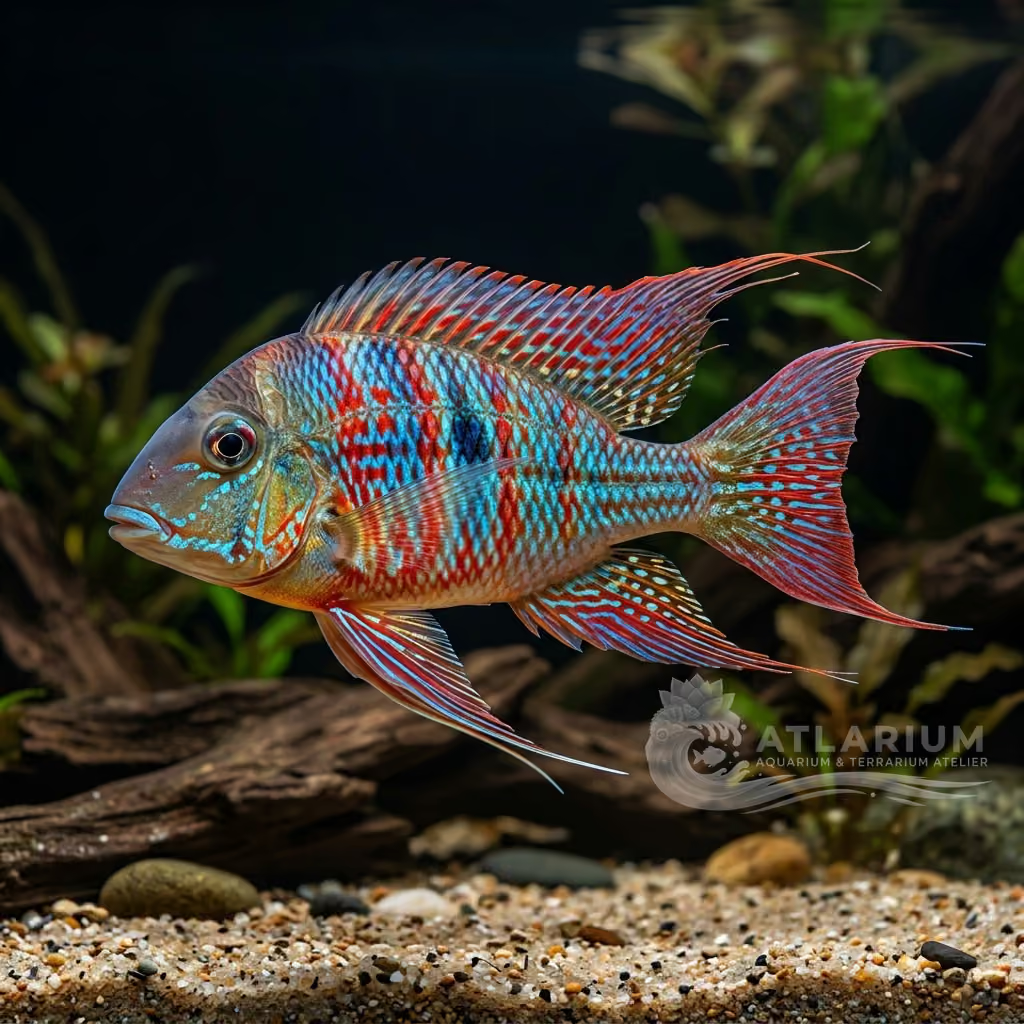
An exquisite, elongated dwarf cichlid decorated with a perfect black-and-white checkerboard pattern. Males sport spectacular lyre-tails. The most peaceful, but fragile cichlid, demanding extreme blackwater environments.
Water Temperature
25 - 30 °C
pH Value
4.5 - 6.5
Water type
Freshwater
Tank level
Bottom and middle
Adult size
8 cm
Minimum tank volume
>= 100 L
Minimum group
>= 1
GH
1 - 5 dGH
KH
1 - 2 dKH
TDS
25 - 95 ppm
Conductivity
39 - 148 uS/cm

Species description
Geographical Origin and Habitat: Rio Negro basin (Brazil and Venezuela) and Orinoco. Dominates tea-colored blackwaters, very dark and tannic, in shaded streams full of leaf litter and white sand, almost devoid of aquatic plants.
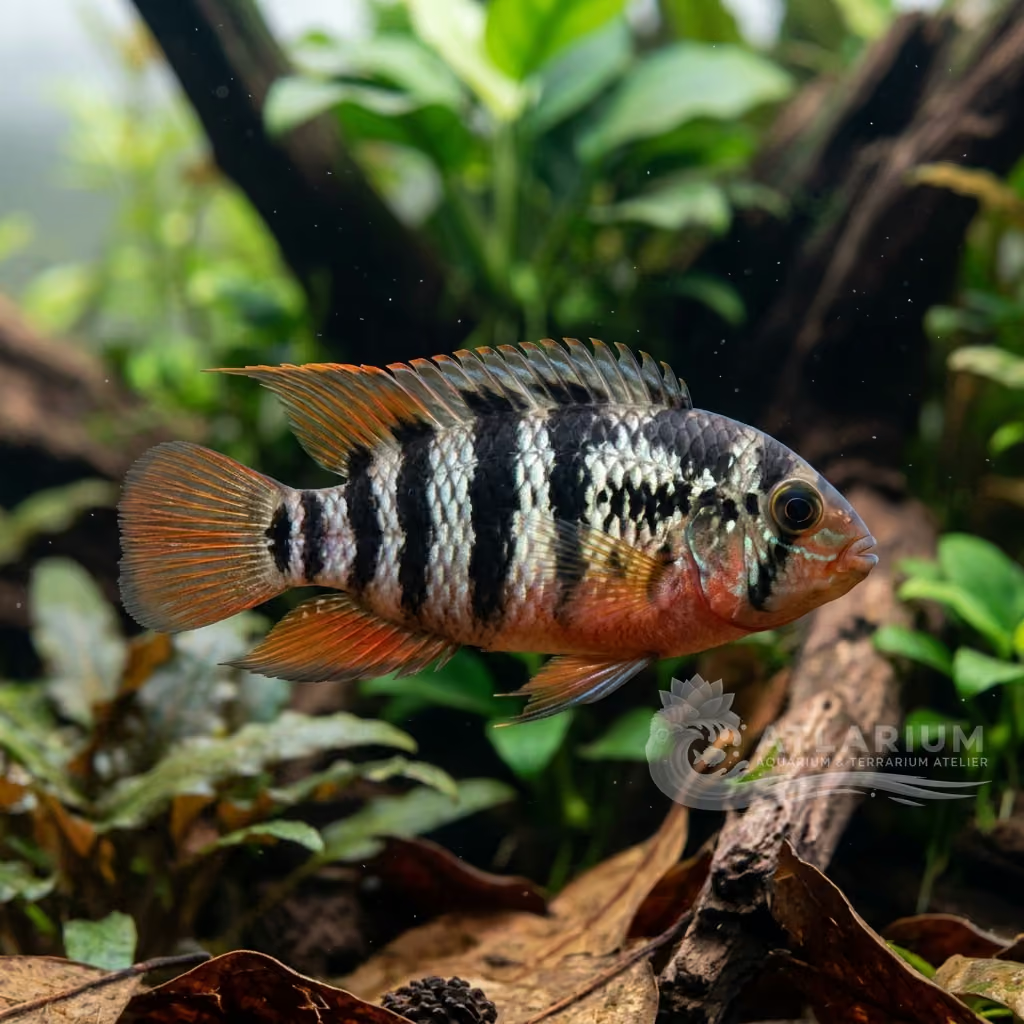
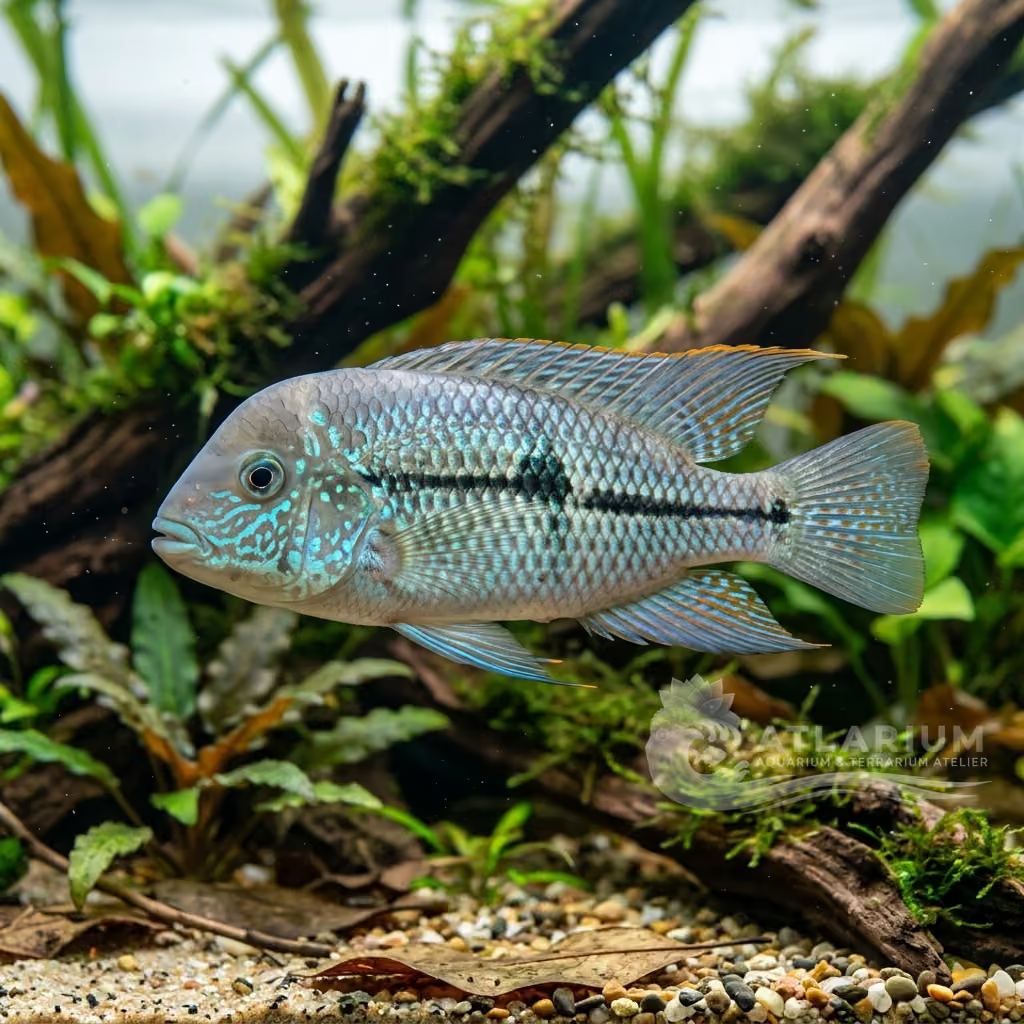
Taxonomy and Morphology: Checkerboard Cichlid (Dicrossus filamentosus). Very peculiar dwarf Cichlid. It does not have the stocky size of Apistogramma: its body is elongated and tubular, resembling a pencilfish (Nannostomus).
Social Behavior: Peaceful, calm but strongly gregarious-hierarchical. Moves by slowly patrolling the bottom in schools, unlike typical dwarf Cichlids. A male can manage a harem of many scattered females.
Coloration and Sexual Dimorphism: Unmistakable "checkerboard" pattern (2-3 rows of black squares on a silver/beige background). Dominant males possess a spectacular fringed caudal fin (filaments) with red-blue colors. Small, round females with red ventral fins during brooding.

Care, breeding and tankmates
Aquarium Setup: Strict Blackwater biotope: low and wide tank (at least 80-100 cm / 32-40 inches). Very fine inert sand entirely covered by catappa, oak or beech leaves. Tangled roots, soft light, NO calcareous rocks.
Diet and Feeding: Omnivore specialized in sifting sand and leaves. Offer live brine shrimp nauplii, cyclops, daphnia and microworms. Eats industrial granules with great difficulty (which must sink fast and not swell).
Water Quality: Limit chemical ecosystem for a hobbyist aquarium. Demands temperatures of 28°C (82°F) or more, a distinctly acidic pH (4.5 - 5.5 in reproduction) and virtually distilled water rich in peat.
Compatibility and Cohabitation: The ideal is a species-only tank. Excellent surface companions: Hatchetfish (Carnegiella), Cardinals (Paracheirodon) and Nannostomus. Avoid Apistogrammas, active Corydoras or invasive Loricariids.
Aquarium Breeding: Extremely difficult. Lays red eggs on broad sunken leaves, rather than in hidden dens! The female becomes very red and furious, protecting the litter from everyone, including the male. The larvae tolerate only very soft water (TDS < 30).
Risks and Diseases: Deadly sensitivity to nitrates and bacterial pollution of the bottom. If the water values are wrong (e.g. pH 7, high GH), it wastes rapidly and is a fixed prey of dropsy.

Geographic origin and distribution
Rio Negro basin (Brazil and Venezuela) and Orinoco. Dominates tea-colored blackwaters, very dark and tannic, in shaded streams full of leaf litter and white sand, almost devoid of aquatic plants.
Origin
Tropical oceans and reefsAmazon, Orinoco, and Guianas

Fish profile
- Temperament
- Semi-aggressive
- The Chessboard Cichlid is a timid, gentle, and slow-moving species that requires a tranquil environment to thrive. They are easily intimidated by fast-moving or aggressive fish, which will cause them to hide continuously and refuse food. When kept in a proper, peaceful blackwater biotope, they are inquisitive and will display fascinating, deliberate foraging behaviors. They are an elegant but demanding species strictly recommended for experienced aquarists.
- Diet
- Omnivore
- In the wild, they are micro-predators that feed on tiny aquatic crustaceans and insect larvae among the leaf litter. In captivity, they require a varied diet of high-quality, appropriately sized meaty foods to thrive and maintain their coloration. Live or frozen foods such as baby brine shrimp, daphnia, and finely chopped bloodworms are essential and should make up the bulk of their diet. They may slowly learn to accept high-quality micro-pellets or crushed flakes, but these should not be the sole food source.
- Life expectancy
- 3-5 years
- Adult size
- 8 cm
- Sex ratio
- Harem
- They are best kept in a harem structure, with one male accompanied by two or three females. This ratio helps dissipate the male's breeding focus and reduces the stress on any single female. Keeping multiple males is only possible in very large, heavily decorated aquariums where distinct territories can be established out of each other's line of sight. In smaller setups, a single male with a few females is the most stable and natural configuration.
- Feeding frequency
- Twice daily
- Due to their small size and active foraging nature, they should be fed small amounts two to three times a day. Their stomachs are tiny, so large, infrequent meals are inappropriate and can lead to water quality issues if food is left uneaten. Providing multiple small feedings ensures they receive adequate nutrition without compromising the pristine water conditions they require. Target feeding may be necessary if they are housed with faster, more aggressive eaters.
- Bioload
- Low
- The Chessboard Cichlid is a diminutive species that produces a very small bioload, making them suitable for smaller, well-maintained aquariums. Despite their minimal waste production, they are exceptionally sensitive to fluctuating water parameters and the presence of nitrogenous wastes. A fully cycled, stable aquarium with excellent biological filtration is absolutely mandatory for their survival. Regular, modest water changes are required to keep nitrates extremely low, as they will quickly perish in deteriorating conditions.
- Flow
- Stagnant
- They originate from the extremely slow-moving, heavily shaded blackwater streams of the Orinoco and Rio Negro basins. Consequently, they require very gentle water flow in the aquarium; strong currents will exhaust them and cause significant stress. A sponge filter or a canister filter with a drastically baffled output is ideal for replicating their sluggish natural habitat. The water should be heavily tannin-stained and calm to make them feel secure.
- Jump risk
- No
- Reproduction
- Oviparous
- Breeding is difficult and requires very specific, extremely soft, and acidic blackwater conditions (pH often below 5.5). They are substrate spawners that prefer to lay their eggs on broad-leaved plants or flat stones hidden among leaf litter. Uniquely among many cichlids, the female assumes total responsibility for guarding the eggs and the resulting fry, often chasing the male away. The fry are microscopic and require infusoria or rotifers as their first food before graduating to newly hatched brine shrimp.
- Compatibility & tankmates
- Peaceful
- They are highly peaceful and somewhat delicate dwarf cichlids that must be housed with similarly docile tank mates. Ideal companions include small, peaceful characins like Neon or Ember Tetras, and gentle bottom-dwellers such as Corydoras or Otocinclus. They should never be kept with large, boisterous, or aggressive fish that will easily outcompete them for food and cause severe stress. While males may gently spar with one another, they are generally peaceful towards all other tank inhabitants.
- Tank level
- Middle/Bottom
- They are predominantly bottom and lower-mid-water dwellers that rely heavily on the substrate for security and foraging. A soft sandy substrate covered with abundant dried leaf litter (like Catappa leaves) is essential for their well-being. They will spend the majority of their day slowly exploring the leaf litter and hovering near driftwood structures. They rarely venture into the upper levels of the tank unless food is present.

Scientific Parameters & Models
FishBase
Window to the official scientific data of the species
FishBase v25.04Data synced on: 06/15/2026
- Trophic level
- 3.1 ± 0.4 se
- Resilience
- High (less than 15 months)
- Phylogenetic uniqueness (PD50)
- 0.5312
- Bayesian Length-Weight
- a = 0.01995, b = 3.01
- VulnerabilityLow vulnerability (10 / 100)

Related species
Recommendations grouped by close relatives, companion choices, and similar care.