Denitrifying microorganisms
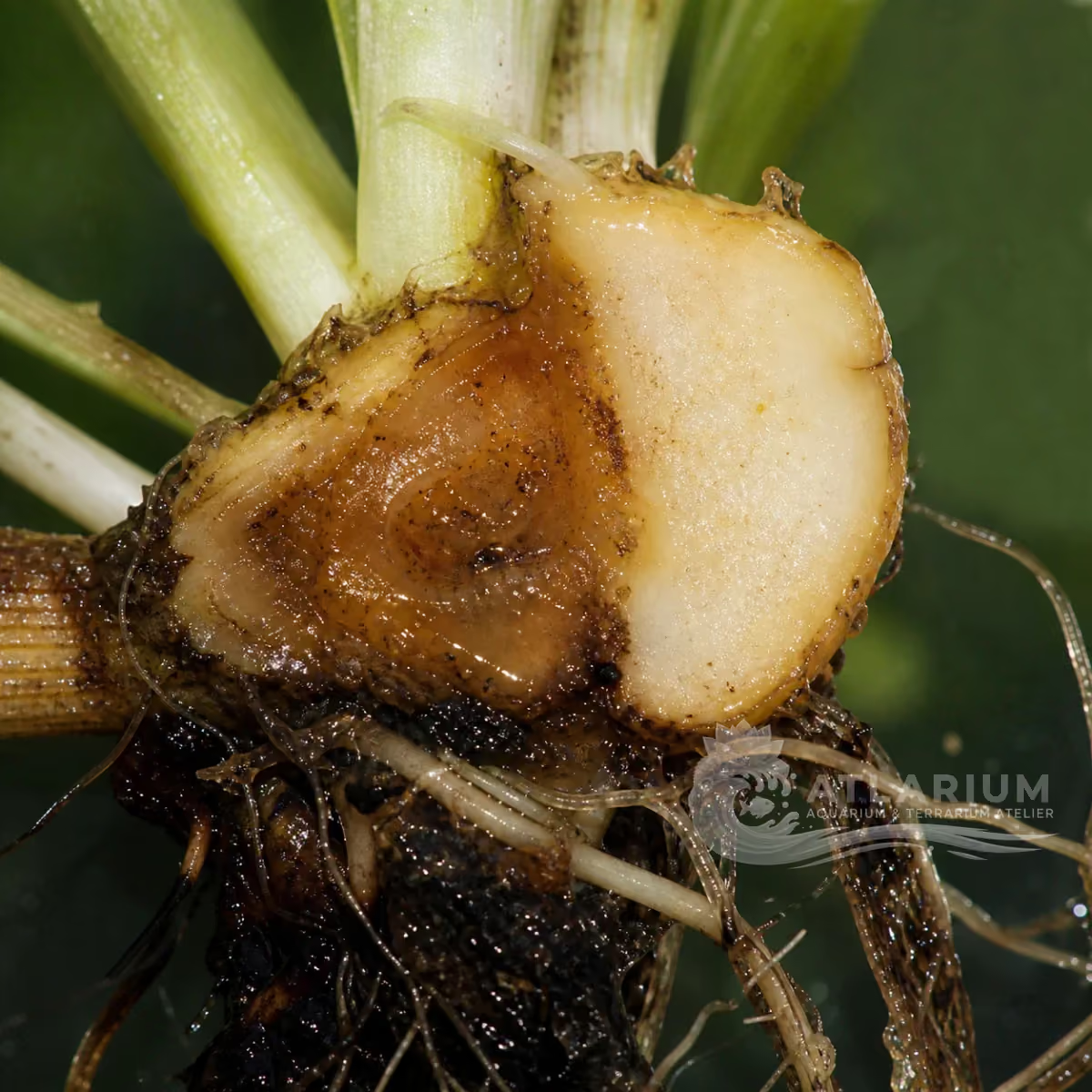
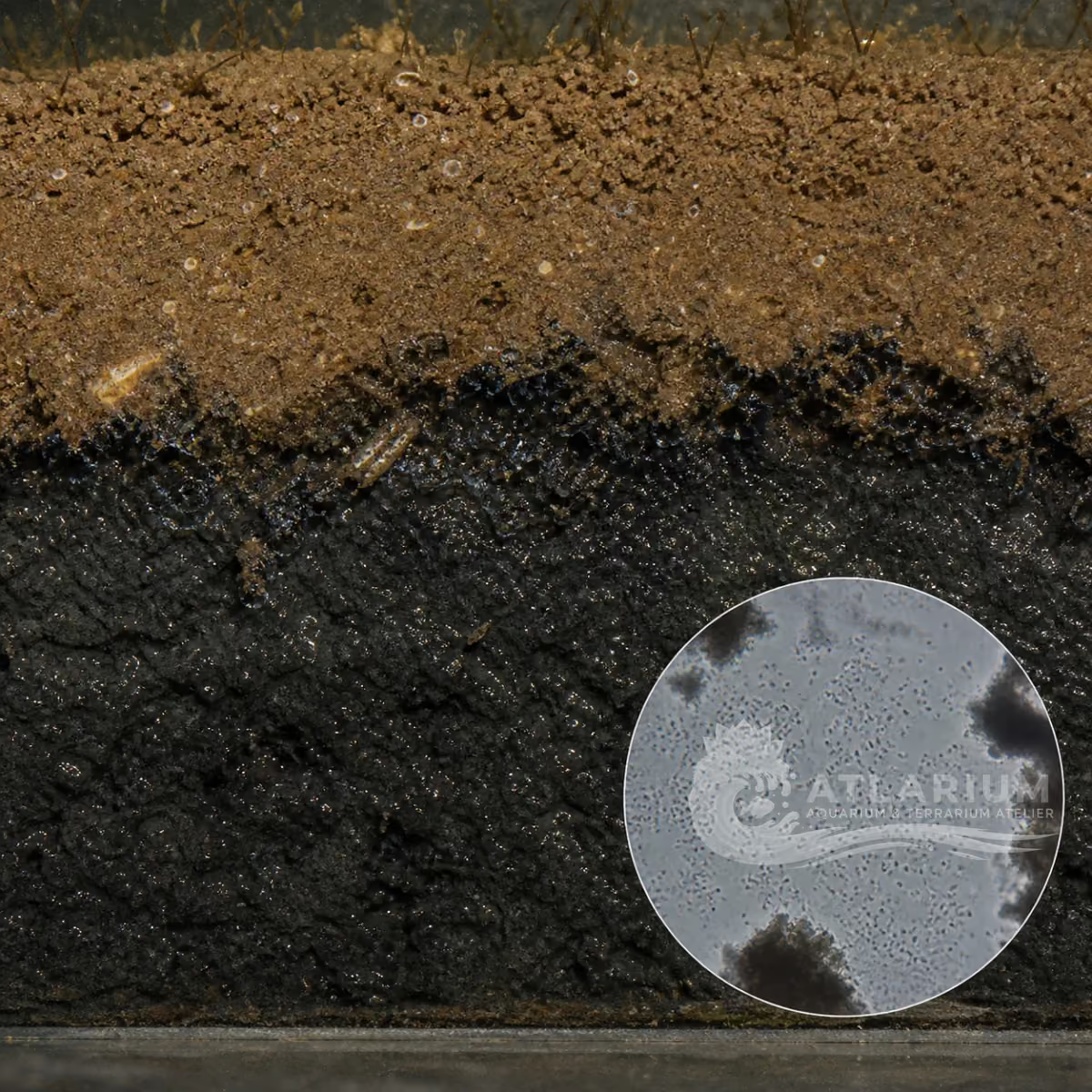
Denitrifiers are a functional assemblage, not a single aquarium bacterium. In oxygen-poor microzones, some bacteria and archaea can use nitrate or nitrite in respiration and may ultimately release nitrogen gas. Their contribution depends on the community, electron donor, oxygen exposure and reactor or aquarium design. A nitrate trend or a microscope image cannot identify the organisms or prove that complete denitrification is occurring.
Freshwater / Brackish / Marine
Bacteria and archaea
Functional group
Medium
Denitrifier, Decomposer
Context-dependent
Passive aquarium growth
Value not applicable
Varies by taxon or life stage
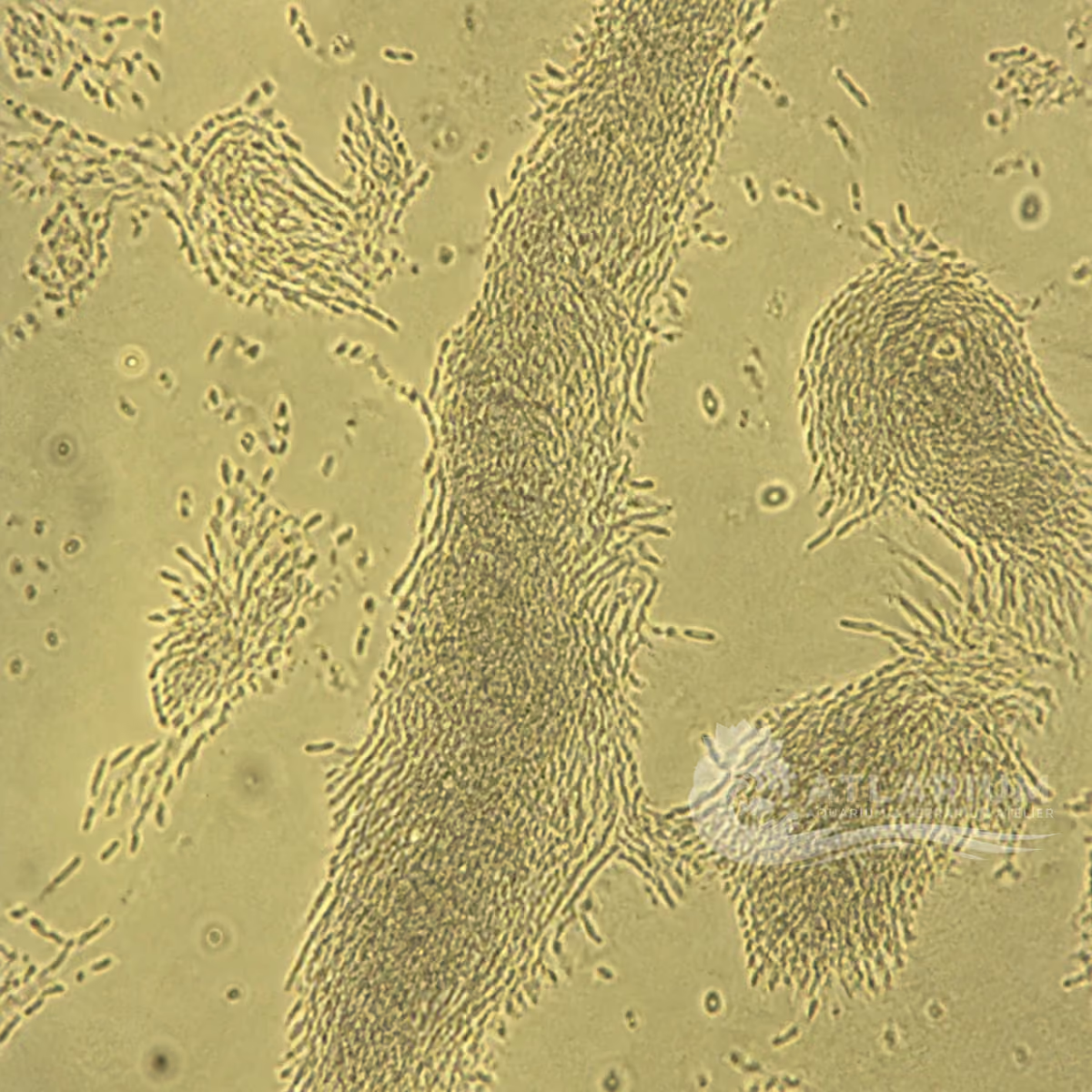
1000× shows cells or aggregates but does not identify the taxon

Identity, habitat, and ecological role
Observation, culture, and ecological relationships

Identification and observation data
- Record type
- Functional group
- This entry is a functional group, not a taxonomic species. It gathers organisms by their potential to reduce oxidized nitrogen during respiration, even though they may belong to distant bacterial or archaeal lineages. A sample should remain at the functional or community resolution supported by its method. Neither a cell shape nor a nitrate trend turns the label into a species identification.
- Recognition confidence
- Medium
- Confidence is medium because denitrification is a process, not a visible diagnostic character. Microscopy can document a biofilm or cells, while water chemistry can document a trend, but neither establishes the responsible organism or a complete pathway. Functional-gene assays, sequencing or controlled process measurements may be needed when a specific conclusion is important.
- Biological group
- Bacteria and archaea
- The biological group is bacteria and archaea, but denitrification is not confined to one lineage. Some organisms carry all required reductases and others carry only part of the route. Consequently, broad labels such as denitrifier describe metabolic potential rather than a uniform morphology, ecology or safe aquarium intervention.
- Ecological functions
- Denitrifier, Decomposer
- The recorded roles are denitrifier and decomposer. Complete respiratory denitrification can return fixed nitrogen to dinitrogen gas, while heterotrophic members can use organic carbon and increase oxygen demand. The observed role depends on the organisms present, electron donors, oxygen conditions and pathway genes; the label alone does not prove active nitrate removal.
- Aquarium impact
- Context-dependent
- Impact is context dependent. In an engineered, monitored low-oxygen treatment zone, denitrification can contribute to nitrate control; in an uncontrolled aquarium zone, the same conditions can accompany excess organic matter or oxygen depletion. Interpret trends with water chemistry and animal condition, never as proof that an unseen organism is either universally beneficial or harmful.
- Culture and management
- Passive aquarium growth
- Management is passive rather than an invitation to culture an isolated organism. Stable biofilm and any dedicated reactor require site-specific design, loading and monitoring. Do not add carbon sources or transfer unknown media merely to create denitrification: these actions can alter oxygen demand and spread mixed communities without confirming the desired function.
- Typical size
- Value not applicable
- No single size range is meaningful for denitrifiers because the functional group spans unrelated bacteria and archaea. Cell dimensions vary among lineages, conditions and whether a cell is free, attached or embedded in biofilm. Record a scale for what is observed, but do not use size to identify denitrification, viability or a specific taxon.
- Visible to the naked eye
- Varies by taxon or life stage
- Individual denitrifying microorganisms are not identifiable to the naked eye. A visible coating, sediment change or filter deposit represents mixed biomass and material, not the functional identity of one member. Visibility can guide where to sample, but it cannot demonstrate nitrate removal, pathway completeness or an aquarium-management need.
- Useful starting magnification
- 1000× shows cells or aggregates but does not identify the taxon
- At 1000×, microscopy can record cells and biofilm aggregates with an appropriate scale, but it cannot confirm denitrification or distinguish a responsible lineage from neighboring microbes. The useful diagnostic evidence is different: validated functional-gene methods, sequencing or controlled chemical process measurements, interpreted together with sample location and system conditions.

Links to Aquarium SOS

Microworld ecological network
Links based on documented kinship, food webs, biofilms, and ecological functions.