Periphyton
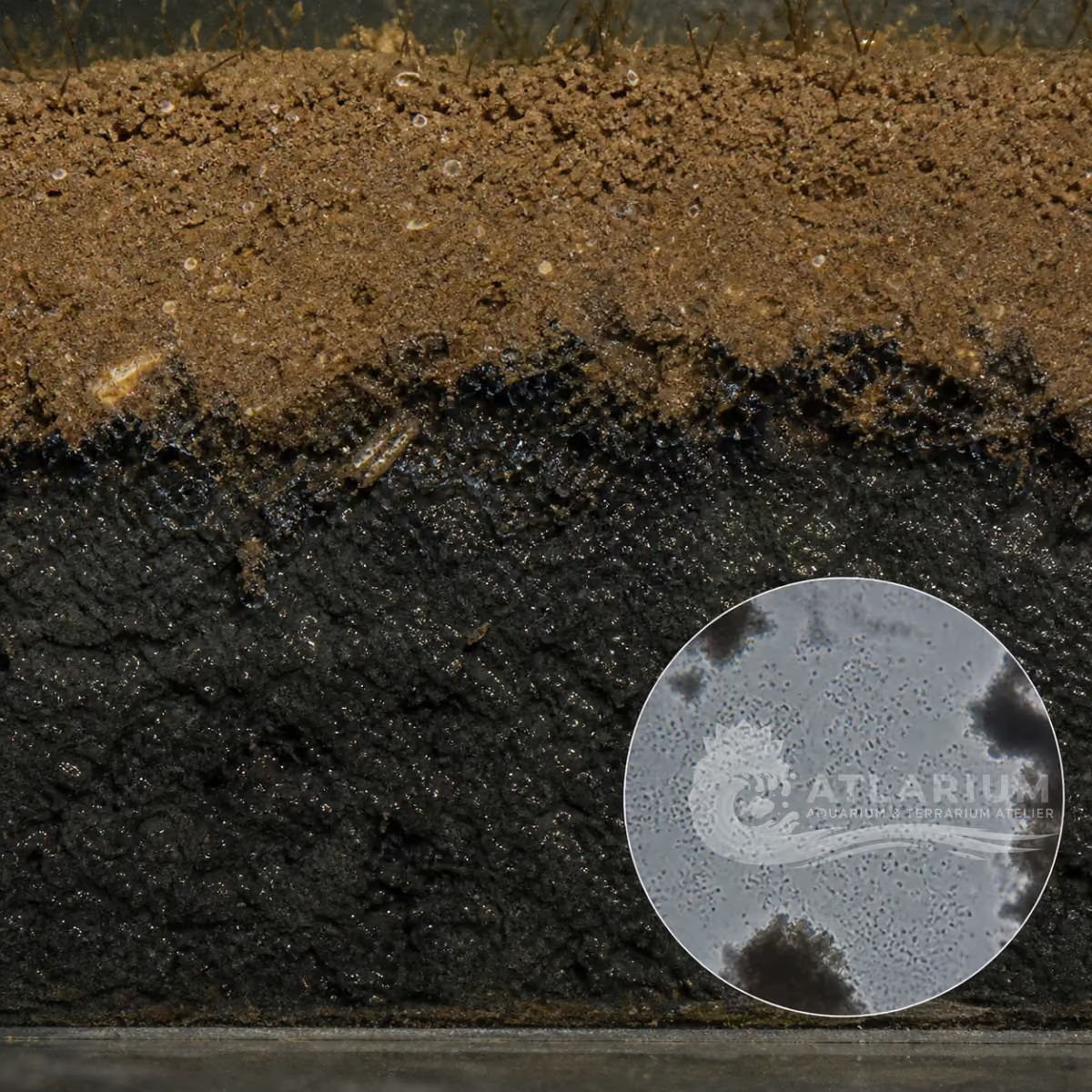
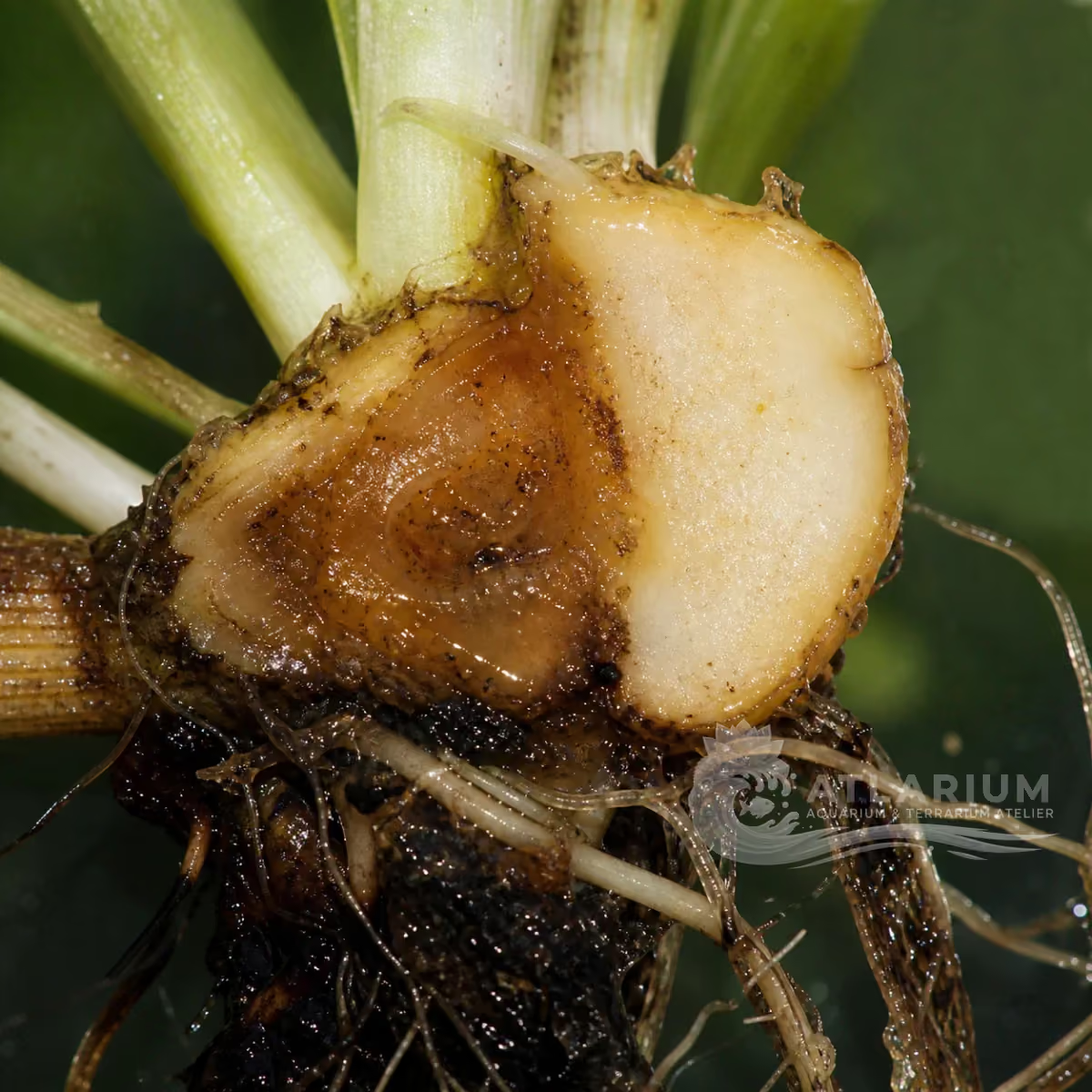
Periphyton is a surface-attached assemblage of living members and associated material on a submerged support: a changing community rather than a species. A coloured film on rock, plant, wood, glass or filter media can contain different algal, microbial, fungal and detrital components. Its meaning depends on the sampled support, method, light, flow, chemistry and composition. A visible coating alone cannot identify its members, prove a function, or diagnose an aquarium problem.
Freshwater / Brackish / Marine
Microbial communities and symbioses
Community
Medium
Primary producer, Decomposer, Biological indicator
Context-dependent
Passive aquarium growth
Value not applicable
Yes, as an aggregate or structure
40× to begin observation

Identity, habitat, and ecological role
Observation, culture, and ecological relationships

Geographic origin and distribution
Origin

Identification and observation data
- Record type
- Community
- Periphyton is a surface-attached community of living members and associated material on a defined submerged support, not a species, strain or fixed membership list. Microalgae, bacteria, fungi, detritus and other components can occur in changing combinations. The term describes an ecological position and organisation, not the identity, risk or function of every component in an aquarium sample.
- Recognition confidence
- Medium
- Confidence is medium only for recognising a defined attached community observation. It is not confidence for every cell, filament, particle or function within the film. Colour, thickness and texture respond to light, flow, chemistry and support, so they cannot establish a species, strain, causal role or indicator result. Component identification needs suitable characters and methods.
- Biological group
- Microbial communities and symbioses
- Periphyton is a community or assemblage rather than a taxonomic rank. The attached assemblage can combine photosynthetic, heterotrophic and detrital components in a surface matrix. This term distinguishes a community observation from one microorganism, but it does not make algae, fungi, bacteria and biofilm interchangeable or claim that every component occurs on every support.
- Ecological functions
- Primary producer, Decomposer, Biological indicator
- Primary production and decomposer functions are conditional community possibilities. Attached biomass may be grazed, while individual members can have different ecological roles. Indicator meaning is also conditional: it requires a defined support, sampling method, taxonomic information and environmental context. Do not infer food-web direction, cleaning benefit or a diagnostic conclusion from the community name alone.
- Aquarium impact
- Context-dependent
- Impact is context dependent because composition and biomass respond to local support, light, flow, chemistry and succession. A film may be ordinary attached community material or unwanted at one location, but it does not prove health, pollution, maturity, disease or harm. Document the specific support and time trend before assigning meaning; another aquatic system cannot supply the answer by visual similarity.
- Culture and management
- Passive aquarium growth
- Passive colonisation means local development on a defined submerged support, not culture of one named organism. Support material and local conditions can select different members over time. A scrape or colonised support is an observation sample unless its components and purpose are independently established. No universal culture recipe, maturity date, inoculation or transfer practice is supported for this community label.
- Typical size
- Value not applicable
- No individual size range is assigned because periphyton is an aggregate of variable organisms, extracellular material and particles rather than one body. A coating can be visible while its components span different sizes. Thickness, patch area and texture describe the sampled assemblage, not a diagnostic organism. Retain a scale and distinguish the whole film from any component examined under magnification.
- Visible to the naked eye
- Yes, as an aggregate or structure
- Periphyton can be visible as a coloured film, coating, tuft or subtle attached matrix on a submerged surface. What is visible is the aggregate, not a reliable census of algae, bacteria, fungi, detritus or activity. Use visibility to choose and document a sampling location. It cannot establish a species, a specific process, health status or a need for treatment.
- Useful starting magnification
- 40× to begin observation
- At about 40×, a community sample and larger mobile members can be oriented. This does not resolve all cells, identify components to species, or demonstrate primary production, decomposition or indicator value. The necessary magnification and preparation depend on the component and question. Record the sampled support, scale and preparation instead of treating one value as diagnostic.
Links to Aquarium SOS

Microworld ecological network
Links based on documented kinship, food webs, biofilms, and ecological functions.