Forktail Blue-eye
Pseudomugil furcatus
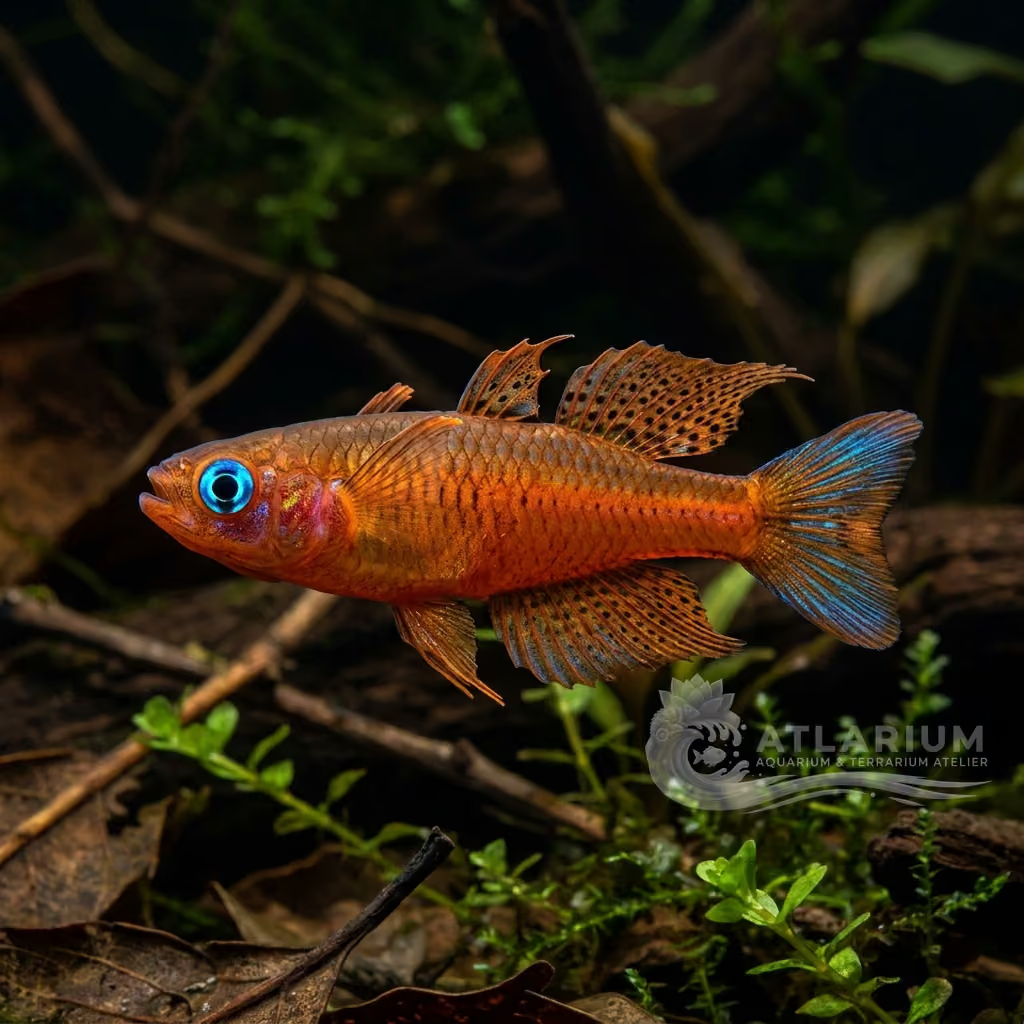
The Forktail Blue-eye (Pseudomugil furcatus) is a spark of pure aquatic joy. This micro-fish (maximum 5-6 cm / 2 inches) is characterized, as the name suggests, by bright neon blue eyes and a conspicuously forked caudal fin with sun-yellow edges. Males engage in continuous and exhausting dance displays, swimming in tight circles (sparring) and showing off their large upward-pointing pectoral fins. Their hyperactivity and dazzling color make them one of the most spectacular choices for heavily planted nano-aquariums.
24 - 28 °C
7 - 8
Freshwater
Surface and middle
6 cm
>= 60 L
>= 8
5 - 15 dGH
2 - 7 dKH
95 - 295 ppm
148 - 461 uS/cm

Species description

Care, breeding and tankmates

Geographic origin and distribution
Origin

Fish profile
- Temperament
- Active
- This species is highly active, social, and entirely peaceful. Males will spar harmlessly with each other to establish dominance. They bring lively energy to any nano aquarium.
- Diet
- Omnivore
- They are omnivorous micro-predators. Their diet should consist of crushed high-quality flakes, microworms, and baby brine shrimp. A varied diet keeps their colors exceptionally bright.
- Life expectancy
- 2-3 years
- Adult size
- 6 cm
- Sex ratio
- Specific M:F ratio
- Keep a ratio of one male to two or three females. Males display heavily and can pester females if the ratio is off. Keeping more females diffuses the male's attention.
- Feeding frequency
- Twice daily
- Feed them small amounts twice a day. They have tiny mouths, so food must be appropriately sized. Ensure they consume everything within a few minutes to avoid pollution.
- Bioload
- Low
- The Forktail Blue-eye has a very low bioload. They are small fish that produce minimal waste. Regular maintenance is still required to keep the water pristine.
- Flow
- Moderate
- They enjoy moderate water flow that mimics their natural streams. A gentle current from a sponge filter or small powerhead is ideal. Too much flow can exhaust these small fish.
- Jump risk
- Yes
- They have a moderate jump risk, especially when startled or breeding. A well-fitting lid is strongly recommended. Floating plants can also deter them from jumping.
- Reproduction
- Oviparous
- They are plant spawners that breed readily in well-maintained aquariums. Females scatter eggs among fine-leaved plants or spawning mops. Eggs hatch in about two weeks and require infusoria.
- Compatibility & tankmates
- Verify
- They are extremely peaceful and perfect for planted community tanks. Keep them with other nano fish and peaceful invertebrates. Avoid keeping them with large or aggressive species.
- Tank level
- Top/Middle
- They predominantly occupy the middle and upper levels of the tank. They are highly active and constantly moving. They appreciate open swimming spaces alongside planted areas.

Scientific Parameters & Models
Window to the official scientific data of the species
- Trophic level
- 3.3 ± 0.4 se
- Phylogenetic uniqueness (PD50)
- 0.5
- Bayesian Length-Weight
- a = 0.01122, b = 3.04
- VulnerabilityLow vulnerability (10 / 100)

Image gallery
Licensed images linked to the species or, when marked, to the closest representative taxon.

Related species
Recommendations grouped by close relatives, companion choices, and similar care.