Neon Blue-eye
Pseudomugil cyanodorsalis
The neon blue-eye is a small Australian schooling fish that thrives in brackish to marine waters. Males feature an electric blue back. Best in groups in a 60L tank with a tight lid to prevent jumping.
Water Temperature
20 - 30 °C
pH Value
7.5 - 8.5
Water type
Brackish / Marine
Tank level
Surface and middle
Adult size
3.5 cm
Minimum tank volume
>= 60 L
Minimum group
>= 8

Species description
Geographical Origin and Habitat: This species is native to northern Australia. It inhabits highly dynamic coastal habitats including brackish estuaries, mangrove creeks, salt pans, and tidal pools with variable salinity.
Taxonomy and Morphology: Classified within the family Pseudomugilidae under the genus Pseudomugil. Features a small, laterally compressed body, large eyes, and two separate dorsal fins. Grows to about 3-3.5 centimeters.
Social Behavior: Peaceful, active, and schooling. Should be kept in groups of at least 8 to 10 individuals. Males establish temporary hierarchies and engage in sparring and courtship displays.
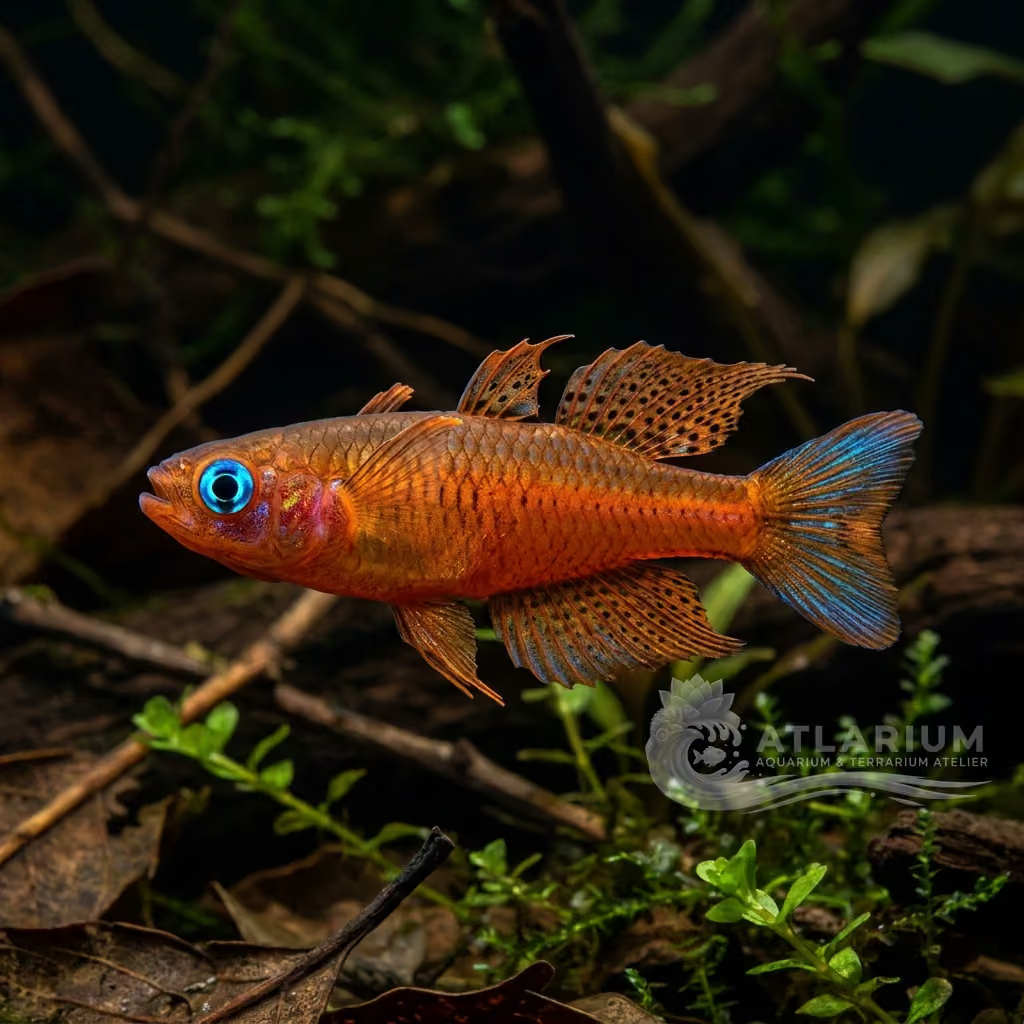
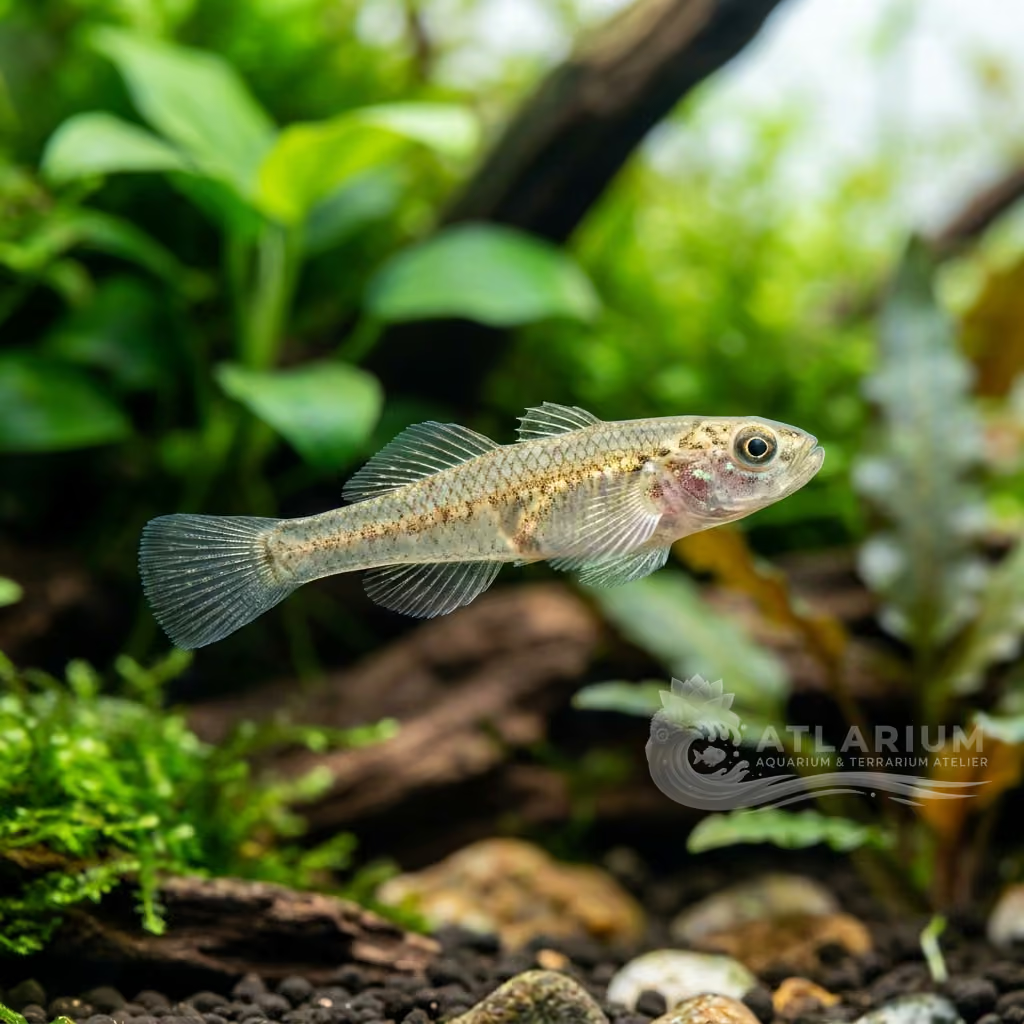
Coloration and Sexual Dimorphism: Highly sexually dimorphic. Males exhibit an electric blue dorsal edge and brightly colored yellow and black fins. Females are smaller and mostly translucent grey.

Care, breeding and tankmates
Aquarium Setup: A tank of at least 60 liters is required. While they can adapt to freshwater, they thrive in brackish to marine conditions. Provide salt-tolerant plants and roots for shelter.
Diet and Feeding: Omnivorous. Feed small live and frozen foods such as baby brine shrimp, cyclops, daphnia, and high-quality micro-pellets or crushed flakes suited to their tiny mouths.
Water Quality: Maintain stable parameters: temperature of 22.0 to 30.0 °C, and pH from 7.5 to 8.5. Hard, brackish water (salinity of 5 to 15 ppt) is preferred, though they can acclimate to full marine.
Compatibility and Cohabitation: Best kept in a species-only tank or with other small, peaceful brackish water species like gobies and dwarf rainbows. Avoid large or predatory tankmates.
Aquarium Breeding: Relatively easy to breed. They deposit adhesive eggs daily on fine-leaved plants or spawning mops. Remove parents to a separate tank to raise the fry successfully.
Risks and Diseases: Sensitive to rapid changes in salinity and water parameters. Vulnerable to common pathogens such as velvet and bacterial infections if stressed by poor water quality.

Geographic origin and distribution
This species is native to northern Australia. It inhabits highly dynamic coastal habitats including brackish estuaries, mangrove creeks, salt pans, and tidal pools with variable salinity.
Origin
Australia, New Guinea, and Oceania

Fish profile
- Temperament
- Territorial
- The overall temperament of Pseudomugil cyanodorsalis can be described as active. Understanding their personality is vital for maintaining a peaceful and stress-free environment. They may exhibit unique behaviors when interacting with their surroundings or during feeding time. Careful consideration of their disposition leads to a more rewarding fishkeeping experience.
- Diet
- Carnivore
- The natural diet of Pseudomugil cyanodorsalis is primarily carnivorous. In captivity, they should be offered a varied selection of high-quality foods to meet their nutritional needs. Incorporating both dry commercial diets and frozen or live options will ensure optimal health and coloration. A varied diet prevents nutritional deficiencies.
- Life expectancy
- 1-2 years
- Adult size
- 3.5 cm
- Sex ratio
- Harem
- The ideal sex ratio for keeping Pseudomugil cyanodorsalis is typically harem. Keeping them in these numbers helps reduce intraspecific aggression and mimics their natural social structure. Providing ample hiding spots can further alleviate tension among dominant individuals. Always monitor the group dynamics when introducing new specimens.
- Feeding frequency
- Twice daily
- Feeding Pseudomugil cyanodorsalis should generally be done frequent small. It is important to provide only what they can consume in a few minutes to prevent leftover food from decaying. Establishing a regular feeding schedule helps keep the fish active and healthy. Adjust the frequency if you observe signs of undernourishment or overfeeding.
- Bioload
- Low
- The bioload produced by Pseudomugil cyanodorsalis is generally considered low. This means that the filtration system must be adequately sized to handle their waste output. Regular water changes and tank maintenance are strongly recommended to keep the environment healthy. Failure to do so can result in poor water quality and stress the fish.
- Flow
- Strong
- In their natural habitat, Pseudomugil cyanodorsalis experiences water flow that is moderate. Replicating this in the aquarium is crucial for their well-being and natural behavior. Appropriate water movement aids in oxygenation and prevents dead spots in the tank. Utilizing adjustable powerheads can help achieve the perfect balance.
- Jump risk
- Yes
- The risk of Pseudomugil cyanodorsalis jumping out of the aquarium is rated as high. Therefore, a tight-fitting lid or a secure mesh cover is highly recommended. Many fish jump when startled by sudden movements or poor water conditions. Securing the top ensures that your fish remain safely inside the tank.
- Reproduction
- Oviparous
- Regarding reproduction, Pseudomugil cyanodorsalis is known to be a egg-scatterer. Breeding them in a home aquarium requires specific water parameters and a dedicated setup. Providing the correct spawning media and conditioning the adults with high-quality foods will increase success. Raising the fry can be challenging and requires specialized microscopic foods initially.
- Compatibility & tankmates
- Verify
- When it comes to compatibility, Pseudomugil cyanodorsalis is characterized as peaceful. They should be housed with tank mates that share similar water requirements and temperament. Care must be taken not to include species that could easily become prey or outcompete them for food. Observation is key to ensuring a harmonious community.
- Tank level
- Top/Middle
- In the aquarium, Pseudomugil cyanodorsalis prefers to occupy the top level. Designing the aquascape to cater to this preference ensures the fish feel secure and display their best colors. Ensure that there is adequate swimming space and appropriate decor in their preferred zone. This vertical distribution also allows for careful selection of tank mates that occupy other levels.

Scientific Parameters & Models
FishBase
Window to the official scientific data of the species
FishBase v25.04Data synced on: 06/15/2026
- Trophic level
- 3.2 ± 0.4 se
- Phylogenetic uniqueness (PD50)
- 0.5
- Bayesian Length-Weight
- a = 0.00389, b = 3.12
- VulnerabilityLow vulnerability (10 / 100)

Related species
Recommendations grouped by close relatives, companion choices, and similar care.