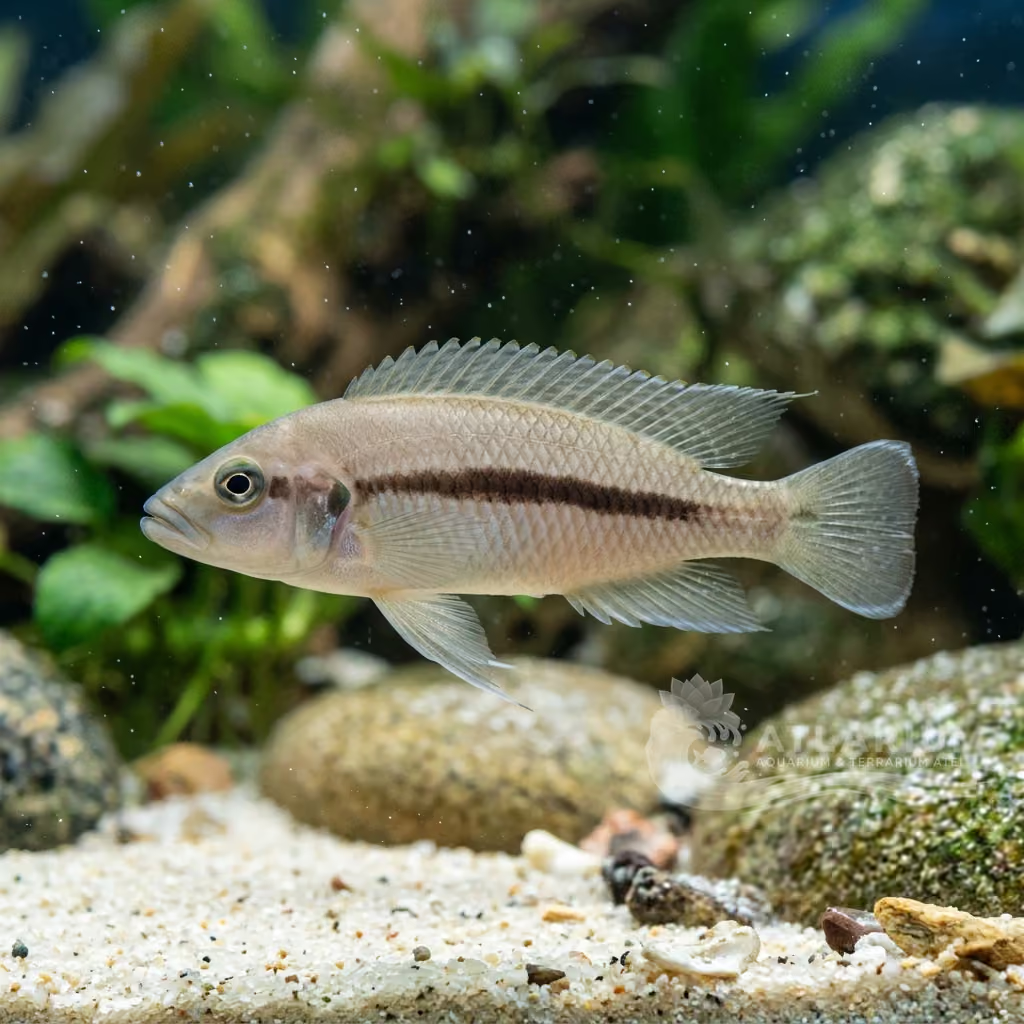
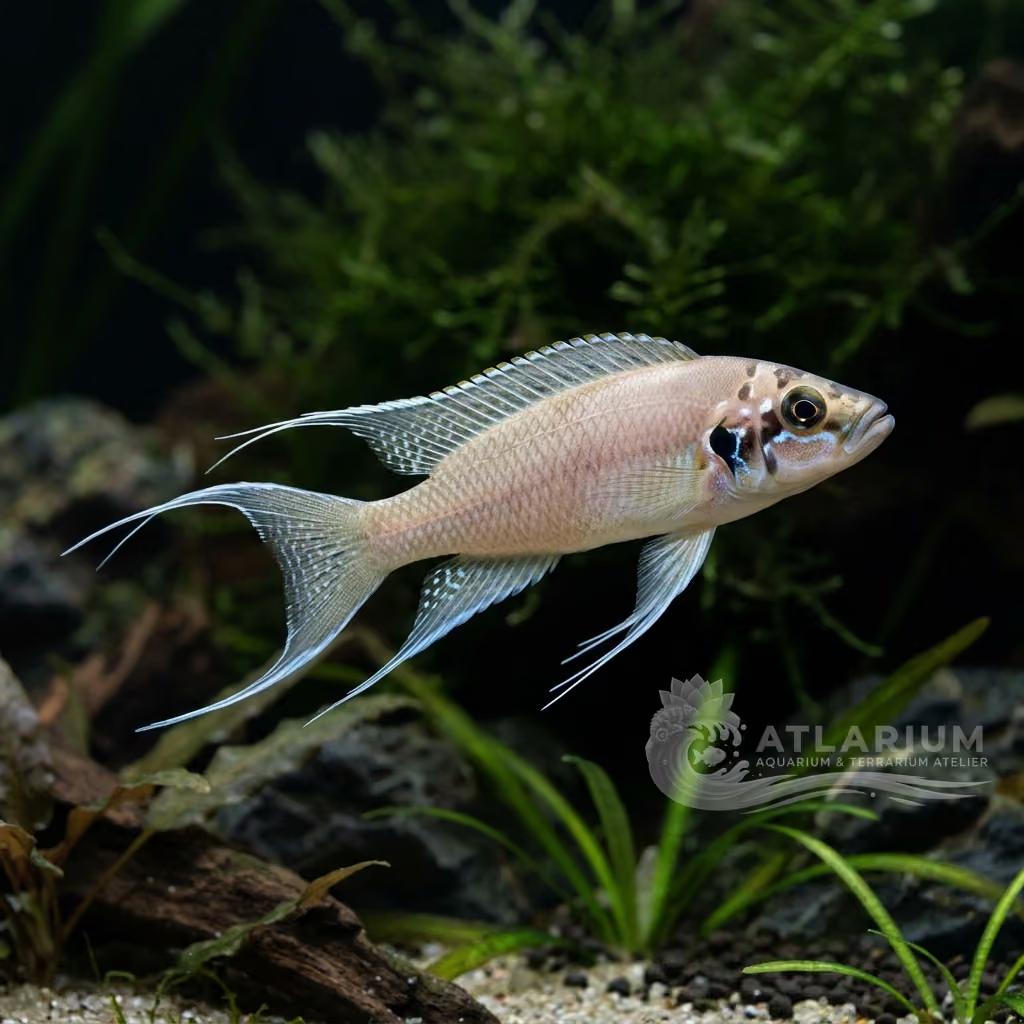
Lake Tebera rainbowfish
Melanotaenia herbertaxelrodi
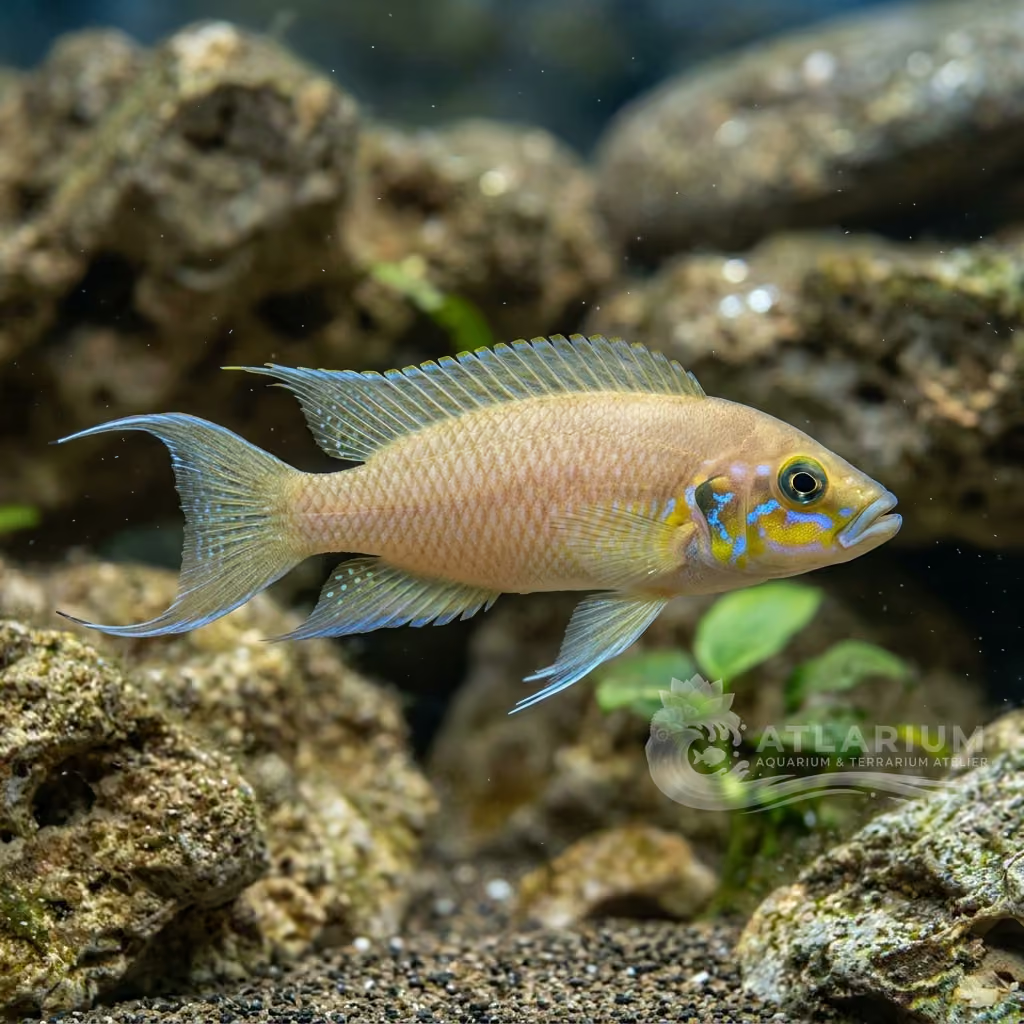
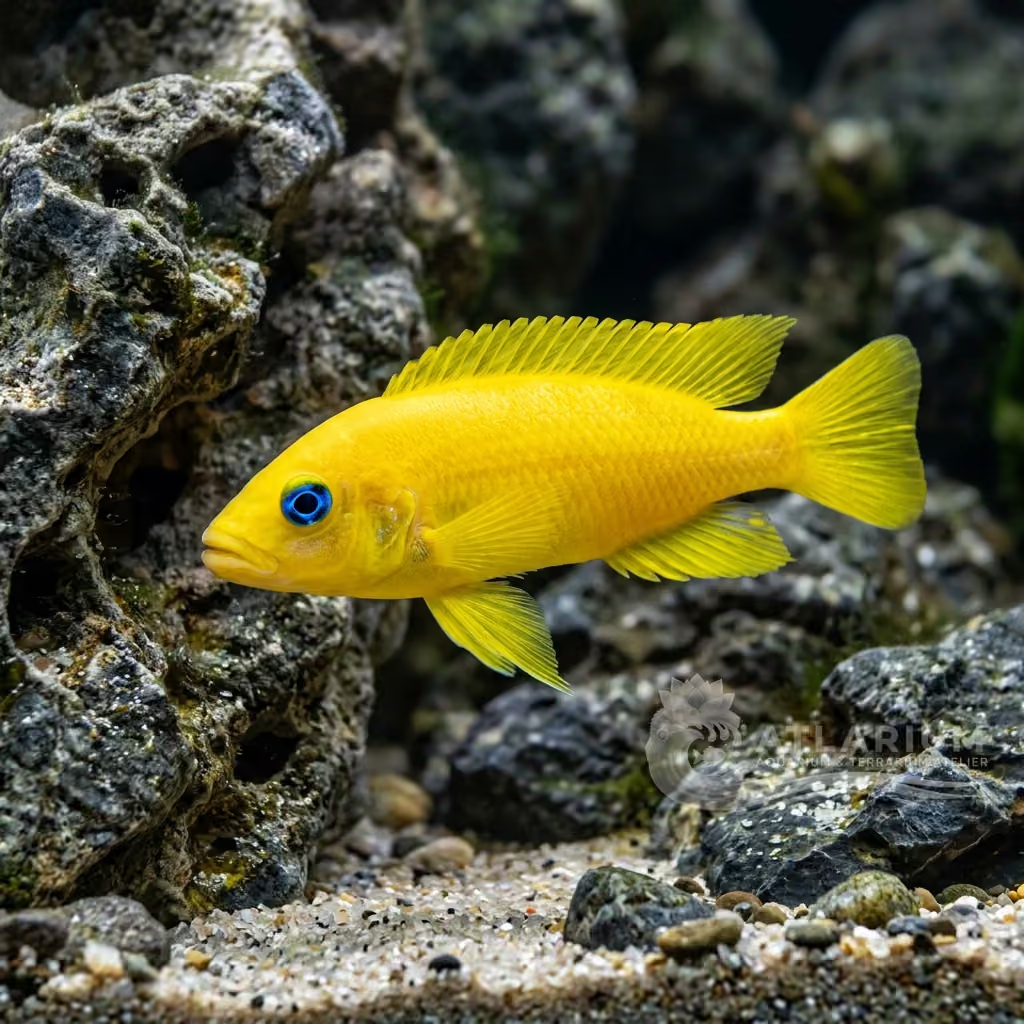
A rainbowfish endemic to Lake Tebera in Papua New Guinea, classified as Vulnerable by the IUCN — captive-bred specimens represent an important genetic reservoir for conservation. The golden-yellow body with blue and green hues and spotted fins make it particularly attractive. Important detail: it prefers slightly alkaline, moderately hard water — it does not thrive in soft, acidic water, unlike many tropical fish. Long-lived: 3–5 years, some reports up to 8–10.
Water Temperature
21 - 26 °C
pH Value
7.5 - 7.8
Water type
Freshwater
Tank level
Middle
Adult size
9 cm
Minimum tank volume
>= 150 L
Minimum group
>= 6
GH
7 - 40 dGH
KH
3 - 20 dKH
TDS
135 - 800 ppm
Conductivity
211 - 1,250 uS/cm

Species description
Geographical Origin and Habitat: Endemic exclusively to Lake Tebera and its immediate, deeply interconnected surrounding marshes and clearwater tributary streams in the isolated Southern Highlands Province of Papua New Guinea. Melanotaenia herbertaxelrodi (the Lake Tebera Rainbowfish) is a highly localized species. It naturally colonizes the intensely illuminated, shallow margins of the lake, thriving among incredibly dense, tangled mats of submerged aquatic vegetation, water lilies, and fallen logs over a muddy or sandy substrate.
Taxonomy and Morphology: Scientifically classified within the Melanotaeniidae family, it is one of the most stunning and structurally robust members of its genus. Taxonomically, its specific name "herbertaxelrodi" honors Dr. Herbert R. Axelrod, the legendary aquarium author and explorer who funded the expedition that discovered the species. Morphologically, it possesses a deeply keeled, broad, laterally compressed diamond-shaped body, specifically adapted for bursts of speed and maneuvering through dense lake-margin vegetation.
Social Behavior: They are peaceful, highly gregarious, active, and strictly obligate schooling fish. To mitigate aggression and establish a natural, complex pecking order, they must be kept in a large group (absolute minimum 6-8, ideally 10 or more) with a balanced or female-heavy sex ratio. They continuously patrol the middle and upper levels of the tank. Early mornings are defined by spectacular sparring displays among dominant males, who violently flare their fins and "flash" their colors to intimidate rivals.
Coloration and Sexual Dimorphism: Sexual dimorphism is absolute and stunning. Females and juveniles exhibit a highly camouflaged, silvery-olive base coloration with a simple dark lateral stripe and transparent fins. Males, however, are breathtaking. When dominant and displaying, the male’s upper body blazes with an intensely glowing, iridescent neon-yellow or brilliant gold. The defining feature is a thick, jagged, jet-black or deep blue lateral stripe running from snout to tail, sharply separating the golden upper half from a silver or pale blue belly. Their fins flush with intense blood-red or deep orange.

Care, breeding and tankmates
Aquarium Setup: The aquarium architecture must perfectly balance massive swimming space with dense, heavy structure. A long tank (minimum 120cm / 4 feet) is strictly required to accommodate their explosive, high-speed swimming. The layout should replicate a densely overgrown lake margin, featuring robust driftwood and extremely dense thickets of tall background plants (like Vallisneria, Amazon Swords, or Cryptocorynes) to provide security. The entire central water column MUST remain completely open.
Diet and Feeding: In their natural lake margins, they are voracious, opportunistic omnivores, feeding heavily on terrestrial insects that fall onto the surface, aquatic larvae, crustaceans, and significant amounts of filamentous algae. In captivity, they are ravenous, aggressive surface and mid-water feeders. They require a high-quality, vegetable-rich flake or pellet as a staple. This MUST be heavily supplemented with live or frozen foods (bloodworms, daphnia, brine shrimp) to trigger the male’s brilliant golden and red breeding colors.
Water Quality: Originating from an isolated, pristine highland lake, they demand excellent water quality and absolute maximum oxygen saturation. They prefer slightly cooler tropical temperatures (20-25°C) and thrive in slightly alkaline, moderately hard water (pH 7.4 - 8.0). While they do not require the violent river currents of other rainbowfish, they absolutely require strong, consistent water flow and surface agitation to ensure maximum oxygenation. They have zero tolerance for elevated nitrates.
Compatibility and Cohabitation: They are entirely peaceful but intensely hyperactive. Their massive, deep-bodied size (reaching 10-12cm) and constant, high-speed swimming will severely stress timid, slow-moving fish (like Discus or Gouramis). Excellent tankmates include other similarly sized, robust schooling fish (like Congo Tetras, large Danios, or other Rainbowfish) and active bottom dwellers like large Corydoras, Hillstream Loaches, or Botia loaches. They are completely safe with robust plants.
Aquarium Breeding: Breeding is relatively straightforward for dedicated aquarists. They are continuous, scatter-spawning fish. A well-conditioned pair will spawn daily at dawn, usually among dense vegetation or artificial woolen spawning mops. The female scatters sticky eggs, which the male fertilizes instantly. The adults will aggressively eat the eggs, so the spawning mop must be removed to a separate, well-aerated hatching tank. The fry are microscopic, stay near the surface, and require infusoria immediately upon hatching.
Risks and Diseases: Physically, they are incredibly robust, hardy, and highly disease-resistant if provided with adequate swimming space and pristine, well-oxygenated water. The absolute greatest risk is keeping them in cramped tanks (under 100cm), which inevitably leads to severe psychological stress, stunted growth, and sudden death from crashing into the glass when startled. Medically, they are highly sensitive to poor water quality or low oxygen, which will quickly lead to lethargy and loss of their brilliant golden color.

Geographic origin and distribution
Endemic exclusively to Lake Tebera and its immediate, deeply interconnected surrounding marshes and clearwater tributary streams in the isolated Southern Highlands Province of Papua New Guinea. Melanotaenia herbertaxelrodi (the Lake Tebera Rainbowfish) is a highly localized species. It naturally colonizes the intensely illuminated, shallow margins of the lake, thriving among incredibly dense, tangled mats of submerged aquatic vegetation, water lilies, and fallen logs over a muddy or sandy substrate.
Origin
Africa and MadagascarAustralia, New Guinea, and Oceania

Fish profile
- Temperament
- Peaceful
- Their temperament is generally peaceful. Males frequently spar playfully without causing harm. They add dynamic energy to community tanks.
- Diet
- Omnivore
- They are naturally omnivorous. They readily accept flakes and small frozen foods. A varied diet enhances their vibrant colors.
- Life expectancy
- 5-8 years
- Adult size
- 9 cm
- Sex ratio
- Harem
- Keep one male to multiple females. This significantly reduces male harassment. Multiple males can coexist in larger aquariums.
- Feeding frequency
- Twice daily
- Feed small portions twice a day. They consume food rapidly from the surface. Avoid overfeeding to maintain water quality.
- Bioload
- Medium
- They produce a moderate bioload. Efficient filtration is needed for their active lifestyle. Regular water changes maintain pristine conditions.
- Flow
- Strong
- They appreciate moderate to strong flow. This simulates their native river habitats. Good circulation is highly beneficial.
- Jump risk
- Yes
- There is a very high jump risk. A tight-fitting lid is absolutely essential. Many are lost to open tanks.
- Reproduction
- Oviparous
- They are prolific egg scatterers. Parents will eat eggs if not removed. Fry require extremely small initial foods.
- Compatibility & tankmates
- Community
- They are peaceful but highly active. Avoid housing with slow or timid species. They thrive with other energetic fish.
- Tank level
- Middle
- They swim in the middle and upper levels. They require plenty of open swimming space. Perimeter plants provide security.

Scientific Parameters & Models
FishBase
Window to the official scientific data of the species
FishBase v25.04Data synced on: 06/15/2026
- Trophic level
- 2.9 ± 0.3 se
- Resilience
- Medium (1.4 - 4.4 years)
- Phylogenetic uniqueness (PD50)
- 0.5
- Bayesian Length-Weight
- a = 0.01122, b = 3.04
- VulnerabilityLow vulnerability (10 / 100)

Related species
Recommendations grouped by close relatives, companion choices, and similar care.