Least rasbora
Boraras urophthalmoides
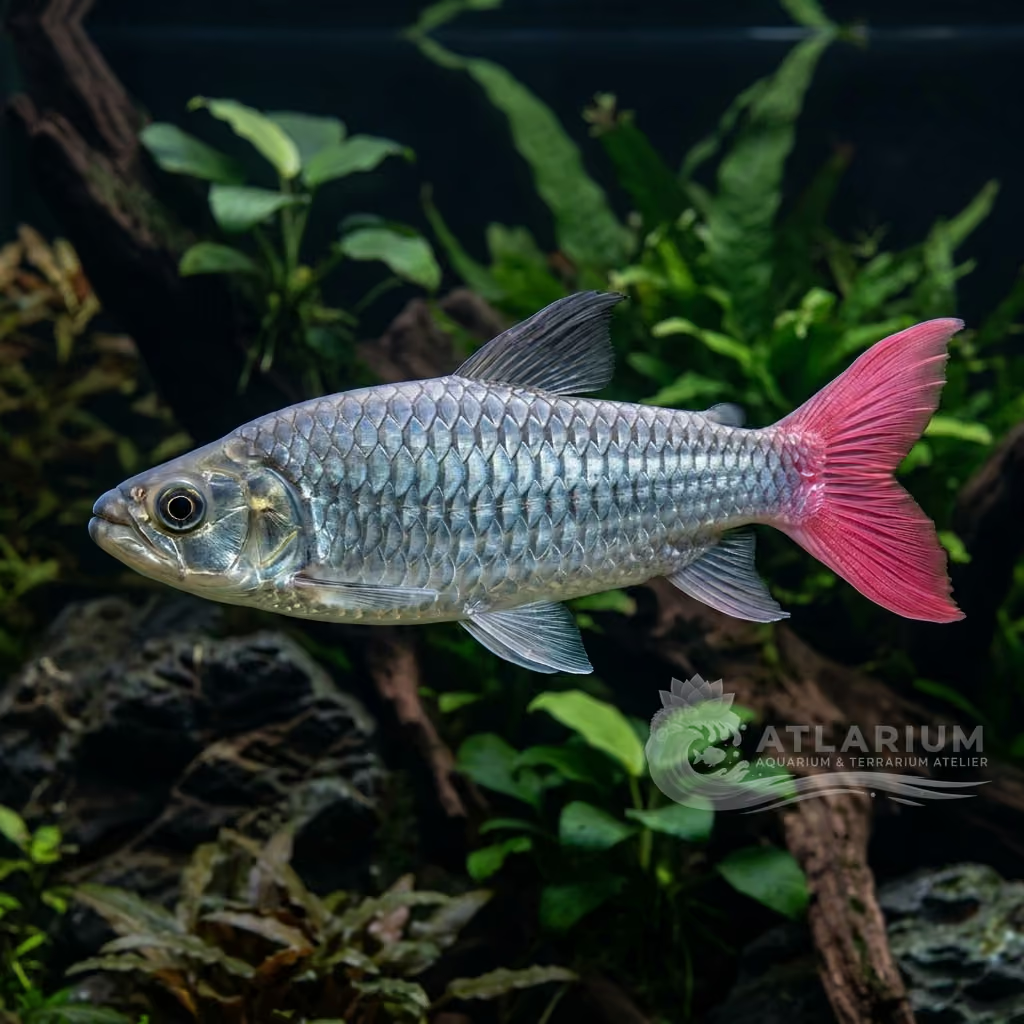
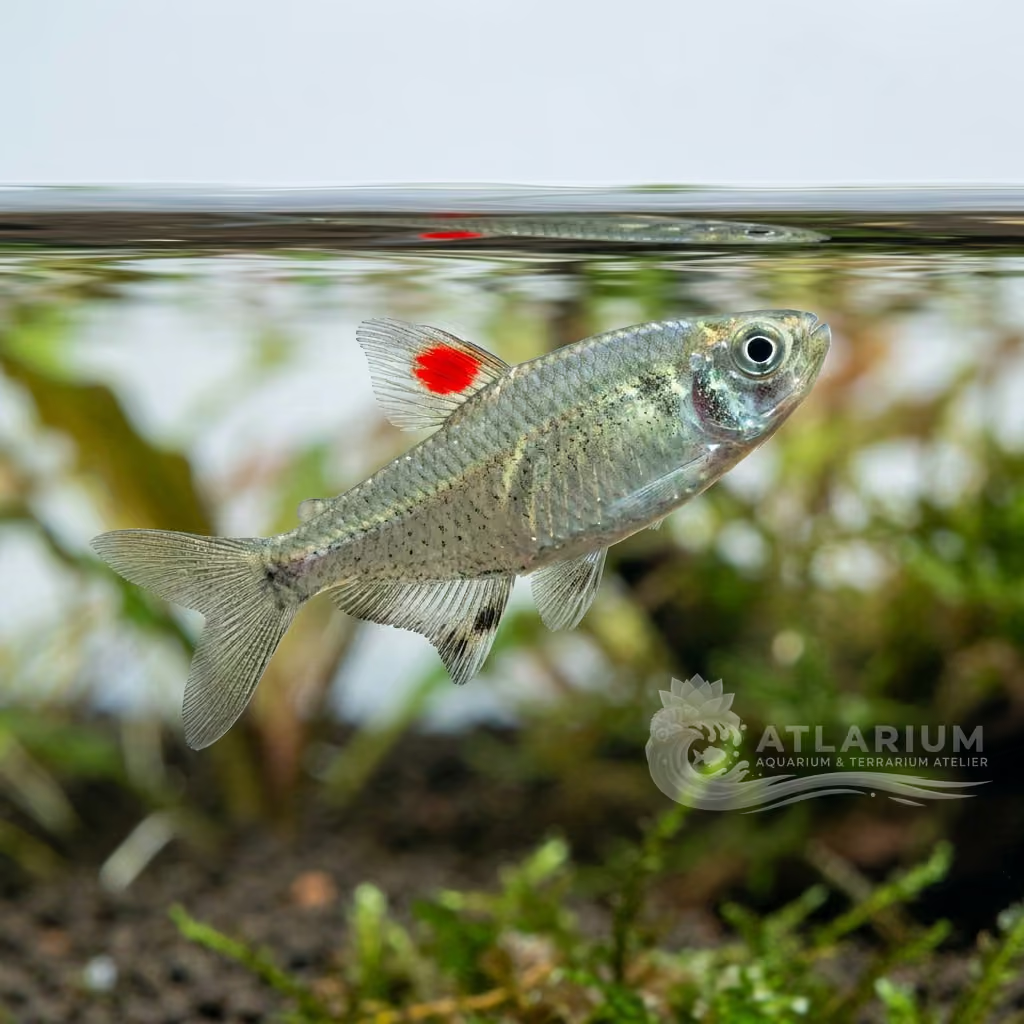
The common name 'exclamation point' perfectly describes this micro-rasbora's pattern: a dark spot at the tail base preceded by a lateral dash resembling an inverted punctuation mark. At just 1.5–2 cm adult size, it is one of the smallest rasboras. Native to flooded forests and peat swamps of Southeast Asia (Thailand, Cambodia, Vietnam), it requires soft, acidic water and a biologically mature aquarium. In schools of 10–12+ on dark substrate with tannins, it shows the best of its amber and subtle red colors — a jewel for dedicated nano tanks.
22 - 28 °C
6 - 7
Freshwater
Surface and middle
2 cm
>= 40 L
>= 10
2 - 10 dGH
7 - 14 dKH
100 - 290 ppm
156 - 453 uS/cm

Species description

Care, breeding and tankmates

Geographic origin and distribution
Origin

Fish profile
- Temperament
- Peaceful
- This species is extremely peaceful, timid, and non-aggressive, making them ideal residents for peaceful nano setups. Due to their shy nature, they should never be kept with active or large tank mates that might intimidate them. They display schooling behaviors and gain confidence when surrounded by a large number of their own species. They will spend their day exploring the tank and interacting peacefully with other micro-fauna.
- Diet
- Carnivore
- As micro-predators, their diet in nature consists of tiny insects, worms, and zooplankton. In the aquarium, they require food that is small enough to fit in their tiny mouths, such as crushed high-quality flakes or micro-granules. They will greatly benefit from regular feedings of live or frozen foods like newly hatched brine shrimp, microworms, or daphnia. Offering a varied diet is key to maintaining their vibrant coppery coloration.
- Life expectancy
- 3-5 years
- Adult size
- 2 cm
- Sex ratio
- Group
- These are highly social, shoaling fish that must be kept in groups rather than pairs or harems. A minimum group of 8 to 12 individuals is recommended to help them feel secure and exhibit their natural behaviors. While males display more vibrant coppery-red coloration, there is no need to maintain a strict ratio of sexes in a typical community or species-only setup. In larger groups, the competition among males is peaceful and only serves to enhance their colors.
- Feeding frequency
- Twice daily
- It is recommended to feed Boraras urophthalmoides two to three times a day in very small portions. Their small stomachs can only hold tiny amounts of food, making frequent, small meals better than one large feeding. Ensure that all food is consumed within a couple of minutes to prevent water quality degradation. Providing a consistent feeding schedule helps maintain their energy levels and overall health.
- Bioload
- Low
- Due to its extremely small size, Boraras urophthalmoides has a very low bioload and produces minimal biological waste. However, their sensitivity to fluctuations in water chemistry means that stable filtration is crucial. A gentle air-powered sponge filter or a small hang-on-back filter with a pre-filter sponge is ideal for keeping the water clean without creating excessive current. Keeping the bioload managed also requires avoiding overfeeding in their small tanks.
- Flow
- Strong
- In their natural habitat, these fish live in slow-moving streams, swamps, and flooded fields, so they prefer very weak water flow. Strong currents will quickly exhaust them and cause severe stress or physical damage. Filtration systems should be adjusted to a low setting, or baffled to create calm zones within the tank. Gentle circulation is also beneficial for preventing their tiny food from being swept away too quickly.
- Jump risk
- Yes
- Despite their small size, these micro-rasboras are agile swimmers and can easily jump out of the aquarium if startled. A secure, tight-fitting lid or cover is essential to prevent accidental escapes. If keeping them in an open-top aquarium, it is advisable to lower the water level by at least two inches. Providing plenty of floating plants can also help diffuse the light and reduce the stress that triggers jumping.
- Reproduction
- Oviparous
- Breeding this species is moderately difficult but highly rewarding, as they are continuous egg-scatterers. To encourage spawning, condition the adults with live foods and move them to a dedicated breeding tank with soft, acidic water and Java moss. They do not exhibit parental care and will actively consume their own eggs, so the parents must be removed immediately after spawning. The tiny fry will hatch within 48 hours and require infusoria or microscopic liquid foods for the first few days.
- Compatibility & tankmates
- Peaceful
- Boraras urophthalmoides is highly compatible with other peaceful micro-fish, such as other Boraras species, small tetras, and pygmy corydoras. They also do exceptionally well in shrimp tanks, as they are too small to pose a threat to adult shrimp or even most shrimplets. However, they must never be kept with predatory or boisterous fish that could view them as food or intimidate them. Their ideal tank mates are those that share their preference for quiet, planted, and soft-water setups.
- Tank level
- Top/Middle
- Boraras urophthalmoides is an active species that primarily occupies the middle and upper levels of the water column. They feel most secure swimming among the leaves of tall plants or under the shade of floating vegetation. While they spend most of their time in these mid-to-top zones, they will occasionally venture to the bottom of the tank to forage. Designing the aquascape with open swimming spaces in the upper half of the tank is highly recommended.

Scientific Parameters & Models
Window to the official scientific data of the species
- Trophic level
- 3.4 ± 0.45 se
- Resilience
- High (less than 15 months)
- Phylogenetic uniqueness (PD50)
- 0.5156
- Bayesian Length-Weight
- a = 0.00589, b = 3.08
- VulnerabilityLow vulnerability (10 / 100)

Image gallery
Licensed images linked to the species or, when marked, to the closest representative taxon.

Related species
Recommendations grouped by close relatives, companion choices, and similar care.