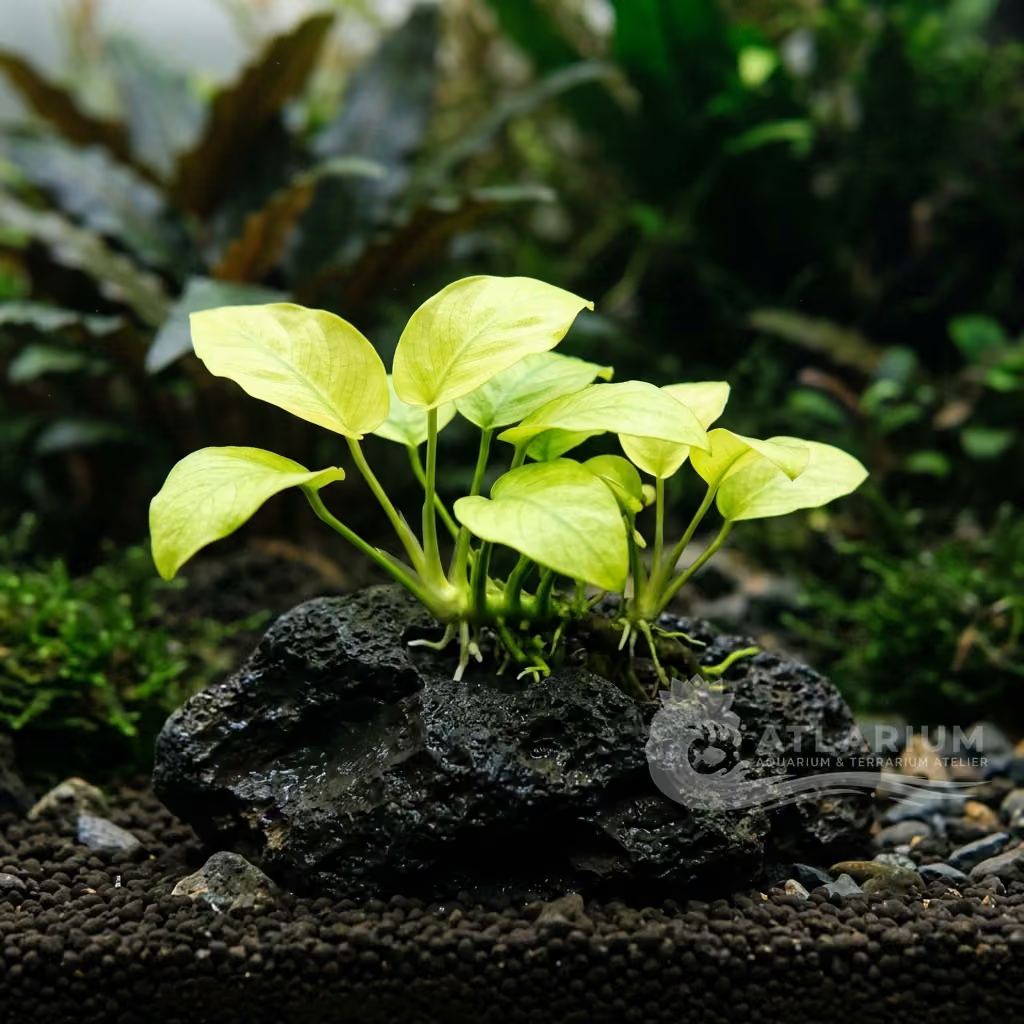
Shinnersia rivularis 'Weiß-Grün'
Shinnersia rivularis
Shinnersia rivularis 'Weiß-Grün' is a very fast-growing stem plant, ideally suited for the aquarium background. Its distinctive variegated foliage and vigorous growth make it a captivating green-white focal point, quickly filling vertical spaces.
Water Temperature
4 - 32 °C
pH Value
5 - 8
Water type
Freshwater
Light
Medium to High
CO2
Low - High
Expected height
60 cm
Expected width
25 cm
KH
2 - 21 dKH

Species description
Geographical Origin and Habitat: Shinnersia rivularis, also known as 'Mexican Oak Leaf', originates from the south-central regions of the United States and Mexico, where it thrives in aquatic habitats such as slow-moving streams, ditches, and marshy areas. This species can flourish both submerged and emersed, showcasing remarkable adaptability to varying environmental conditions. The 'Weiß-Grün' cultivar is not found naturally in the wild, having been specifically selected for its distinctive aesthetic characteristics, yet it retains the robustness and adaptability of its parent species. Its presence in an aquarium brings a touch of wild Mexican nature with a refined aesthetic.
Taxonomy & Genetics: Shinnersia rivularis 'Weiß-Grün' belongs to the Asteraceae family, which is quite an unusual classification for an aquatic plant, as most species in this family are terrestrial. The genus name honors Cyrus H. Shinners, an American botanist, while "rivularis" refers to its riverine habitat. The designation 'Weiß-Grün' signifies a specific cultivar, selected and vegetatively propagated for its distinctive white-green variegation. This is not a hybrid, but rather a stable mutation within the species, whose genetic traits make it highly desirable for aquascaping.
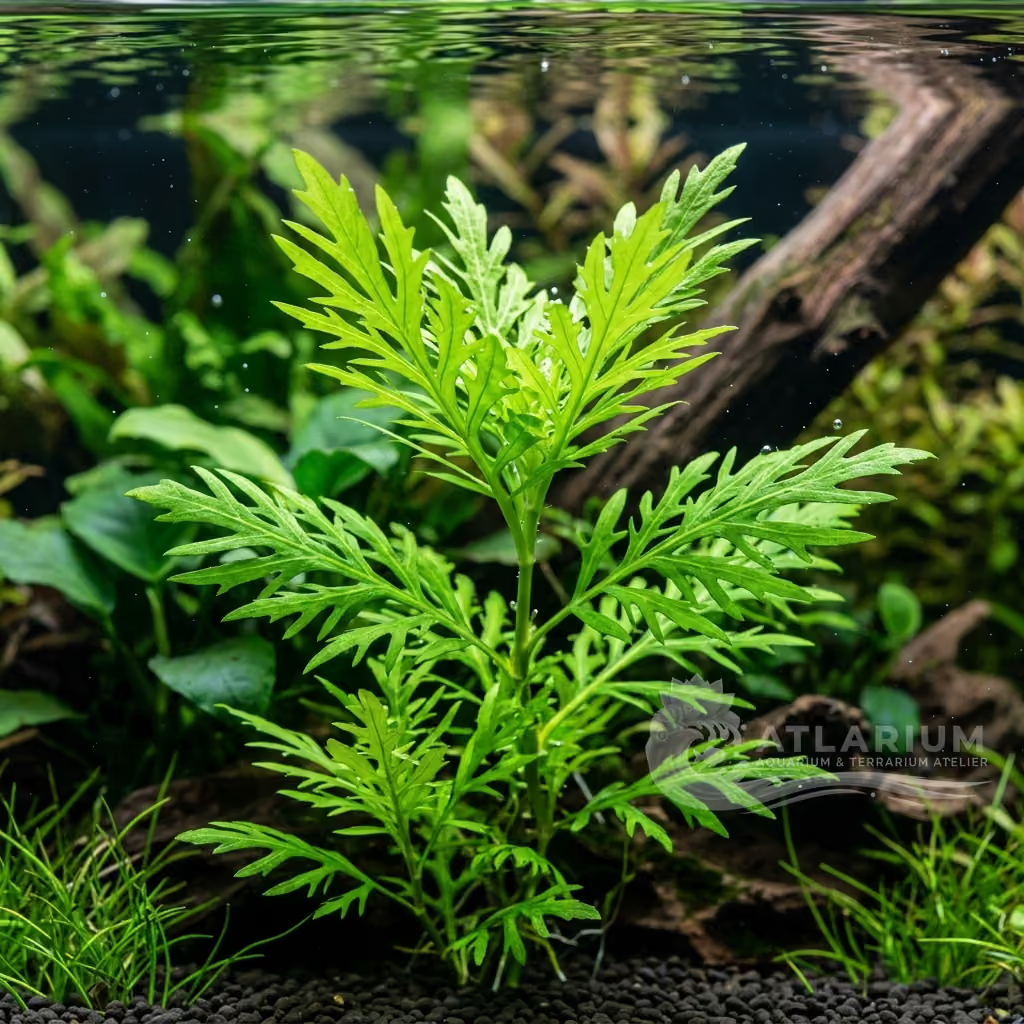
Physical Structure: This plant presents as a vigorous stem species, characterized by an upright stem that can rapidly reach the water's surface, making it ideal for the background. Its leaves, typically arranged oppositely or in whorls along the stem, feature a lobed shape reminiscent of oak leaves, hence the common name "Mexican Oak Leaf". Under optimal conditions, the stem is robust, and the leaves develop densely, creating a lush and attractive mass. The root system is fibrous and anchors firmly to the substrate, contributing to the plant's overall stability.
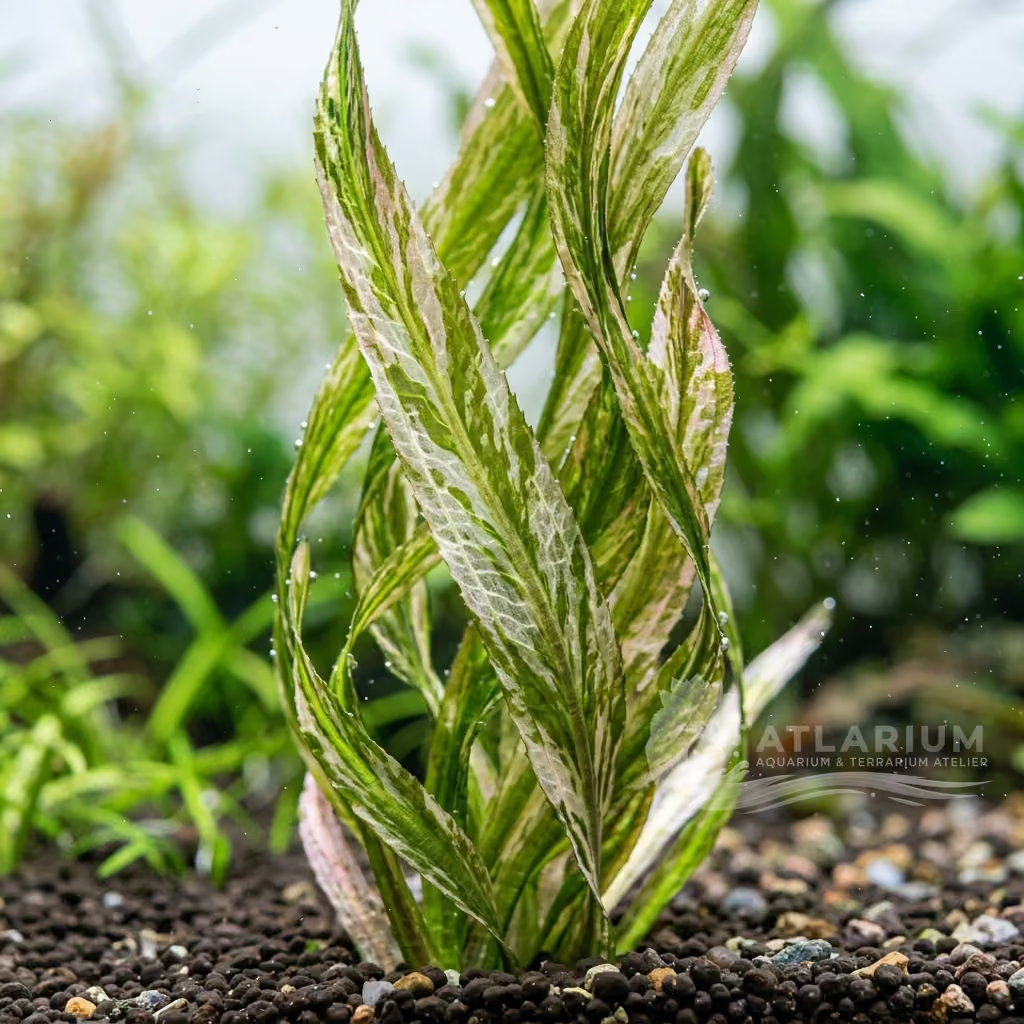
Color & Texture: The 'Weiß-Grün' cultivar is distinguished by its spectacular variegation, with sections of the leaves exhibiting a white or pale yellow coloration, lacking chlorophyll, which vividly contrasts with the green areas of the leaf blade. This color combination gives the plant a marbled and luminous appearance, adding a unique visual interest to the aquarium. The texture of the leaves is generally soft to the touch, but the plant as a whole can develop a rigid and imposing structure with robust growth. The intensity and distribution of the variegation can vary depending on lighting and nutritional conditions.

Care, breeding and tankmates
Lighting & CO2: Shinnersia rivularis 'Weiß-Grün' thrives under medium to high lighting; more intense light is crucial to maintain and enhance its distinctive variegation, preventing reversion to solid green. With insufficient lighting, the white areas may fade or the leaves might lose their characteristic variegated coloration, becoming uniformly green. CO2 injection is highly recommended and almost indispensable for promoting very fast and lush growth, as well as for supporting the synthesis of pigments that create the variegation. A lack of CO2 in the presence of high light can lead to stunted growth and increased susceptibility to algae.
Nutrition & Substrate: As a very fast-growing plant, Shinnersia rivularis 'Weiß-Grün' has high nutritional demands, requiring a constant supply of macro and micronutrients to sustain its vigor. A fertile substrate is beneficial for initial anchoring and slow nutrient release, but regular
Water Chemistry: Shinnersia rivularis 'Weiß-Grün' is remarkably tolerant to a wide range of water parameters, as indicated by its temperature requirements (4.0 - 32.0 C), KH (2.0 - 21.0), and pH (5.0 - 8.0). Despite this flexibility, stable values are always preferable to promote optimal growth and prevent stress. Avoiding sudden fluctuations in temperature or water chemistry is crucial, as such variations can weaken the plant and make it susceptible to problems. Maintaining parameters in the middle range of these values, such as 22-28°C, pH 6.5-7.5, and KH 4-10, generally fosters the most vigorous growth.
Space Management & Placement: Given its potential for very rapid and tall growth, Shinnersia rivularis 'Weiß-Grün' is ideally placed in the background of the aquarium. This position allows the plant to develop vertically without shading smaller species and to create a visual barrier or a focal point. It is advisable to plant it in groups to achieve a lush and dense mass effect, which maximizes the visual impact of its variegation. Ensure adequate space around the groups to allow for good water circulation and light access, preventing the accumulation of detritus and excessive shading.
Pruning: Pruning is a crucial aspect of caring for Shinnersia rivularis 'Weiß-Grün' due to its exceptionally fast growth rate. Without regular and targeted pruning, the plant can quickly dominate the aquarium, shade underlying species, and lose its attractive form. Frequent pruning encourages lateral branching, promoting bushier and denser growth from the base, preventing the lower stems from becoming bare and woody. It is also essential to maintain the desired height and prevent the plant from reaching and exceeding the surface, which can disrupt lighting.
Risks & Diseases: Shinnersia rivularis 'Weiß-Grün' is generally a robust plant, but it can be sensitive to imbalances in the aquarium system. Nutritional deficiencies are the most common "risks": an iron deficiency can cause the variegation to fade or new leaves to yellow, while a lack of potassium can lead to small holes or the decay of older leaves. Insufficient light conditions or CO2 deficiency, especially in combination with rapid growth, can lead to increased susceptibility to algae. Drastic changes in water parameters or the use of aggressive chemicals can cause stress and leaf decay.

Geographic origin and distribution
Shinnersia rivularis, also known as 'Mexican Oak Leaf', originates from the south-central regions of the United States and Mexico, where it thrives in aquatic habitats such as slow-moving streams, ditches, and marshy areas. This species can flourish both submerged and emersed, showcasing remarkable adaptability to varying environmental conditions. The 'Weiß-Grün' cultivar is not found naturally in the wild, having been specifically selected for its distinctive aesthetic characteristics, yet it retains the robustness and adaptability of its parent species. Its presence in an aquarium brings a touch of wild Mexican nature with a refined aesthetic.
Origin
North AmericaCentral America and CaribbeanSelective breeding and cultivars

Plant profile
- Placement
- Background
- Place Shinnersia rivularis 'Weiß-Grün' in the midground or background of the aquarium. It needs enough space to avoid shading neighboring species. Proper placement ensures steady light exposure and water flow.
- Botanical form
- Stem
- Shinnersia rivularis 'Weiß-Grün' features a distinct structural form with well-defined leaves. Its stem and root structures anchor firmly into the substrate. The overall appearance provides excellent visual texture underwater.
- Growth
- VERY_FAST
- The growth rate of Shinnersia rivularis 'Weiß-Grün' is generally moderate under optimal conditions. Adding CO2 injection will significantly accelerate its development. However, it can adapt to slower growth in low-tech setups.
- Substrate
- Low
- The variegated cultivar *Shinnersia rivularis* 'Weiß-Grün' shares the undemanding substrate preferences of the wild type, growing vigorously in inert gravel or sand. It develops a strong root network primarily for physical anchorage, relying heavily on water column fertilization to maintain its striking white-and-green leaf patterns. A substrate depth of about 4-5 cm is recommended to keep its fast-growing stems securely in place. Although it can absorb trace nutrients through its roots, a specialized aquatic soil is not required for optimal health.
- Column fertilization
- Recommended
- Liquid fertilization is very beneficial for Shinnersia rivularis 'Weiß-Grün'. It absorbs dissolved minerals directly from the water column. Dosing a complete micronutrient fertilizer twice a week is recommended.
- Root fertilization
- None
- A nutrient-rich substrate strongly supports the root system of Shinnersia rivularis 'Weiß-Grün'. Adding root tabs near its base provides essential macronutrients. This promotes a stronger base and healthier overall growth.
- Trimming
- Regular
- Regular trimming keeps Shinnersia rivularis 'Weiß-Grün' looking neat and prevents overgrowth. Cut the stems just above a node to encourage branching. Remove any decaying or yellowing leaves to maintain water quality.
- Propagation
- Cuttings
- Propagation of Shinnersia rivularis 'Weiß-Grün' is straightforward by taking stem cuttings. Replant the healthy cut portions directly into the substrate. They will develop new roots within a week or two.
- Sensitivity
- Moderate
- Shinnersia rivularis 'Weiß-Grün' is somewhat sensitive to sudden fluctuations in water parameters. It prefers stable temperatures and consistent CO2 levels. Algae can grow on its leaves if lighting is too intense.
- Layout role
- Background
- Shinnersia rivularis 'Weiß-Grün' plays a crucial role in creating depth in an aquascape. Its unique texture contrasts beautifully with fine-leaved plants. It works well as a focal point or a transition plant.

Related species
Recommendations grouped by close relatives, companion choices, and similar care.