Echinodorus 'Harbich Rot'
Echinodorus 'Harbich Rot'
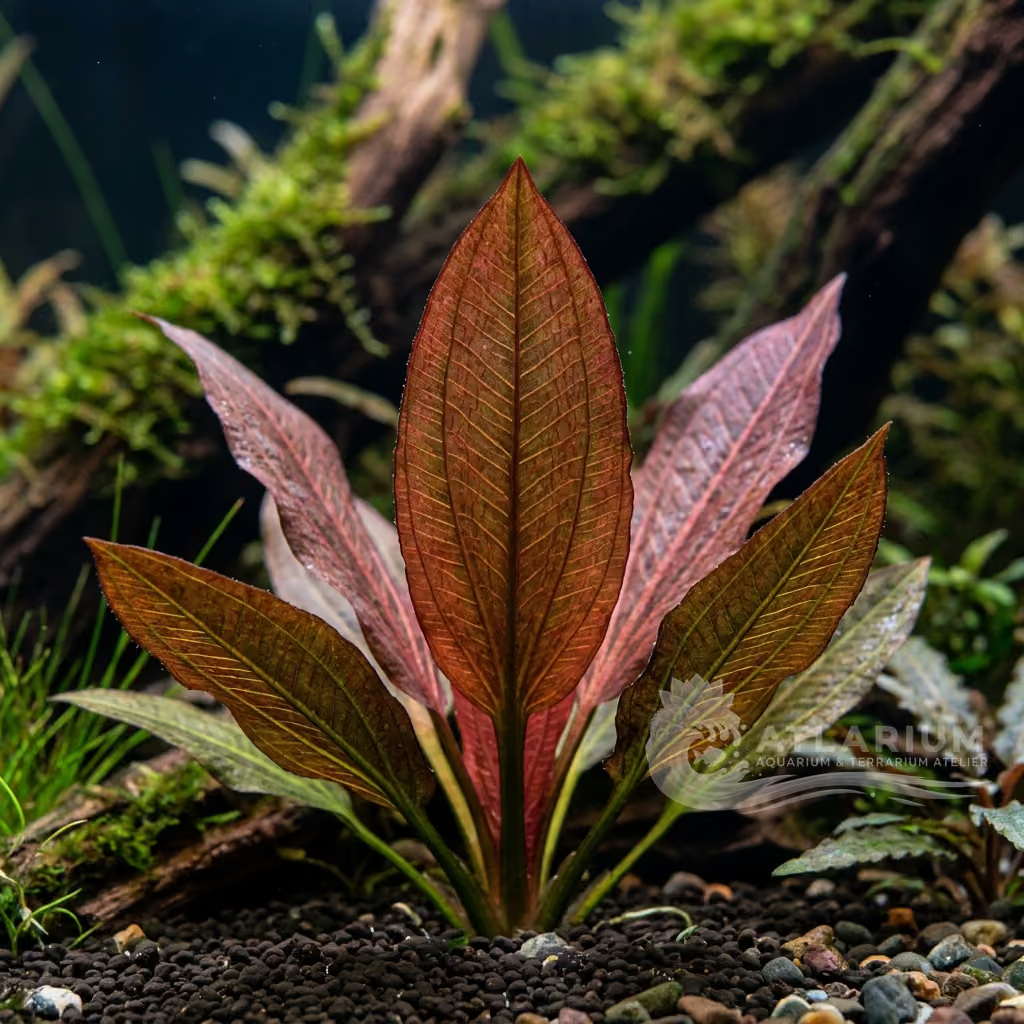
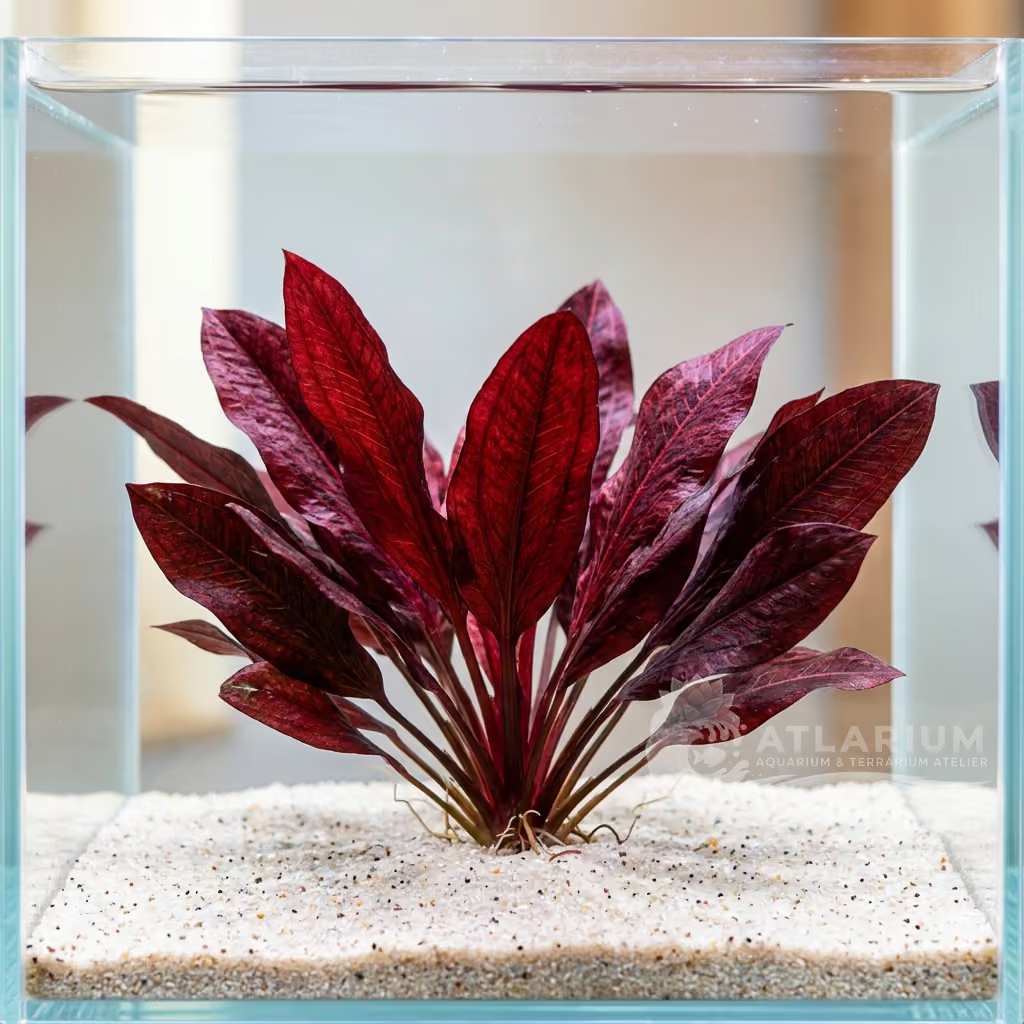
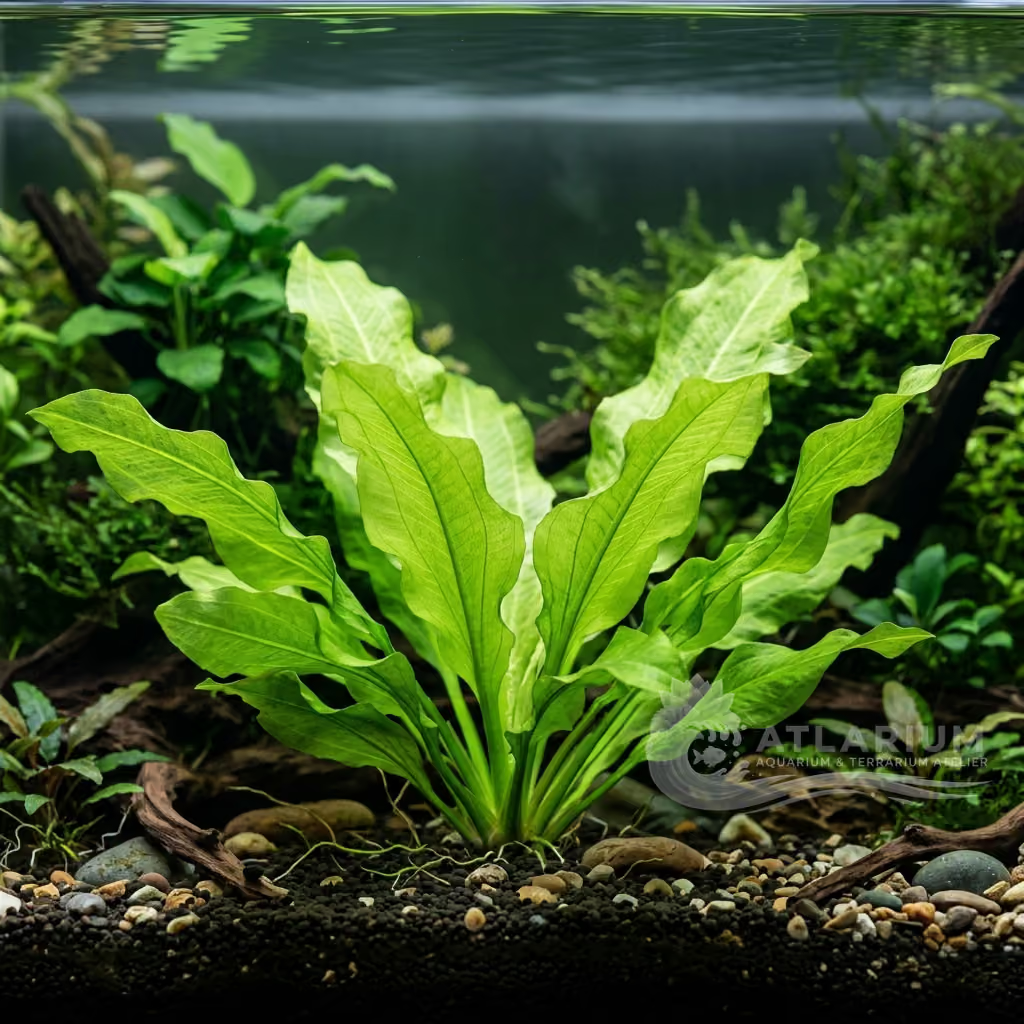
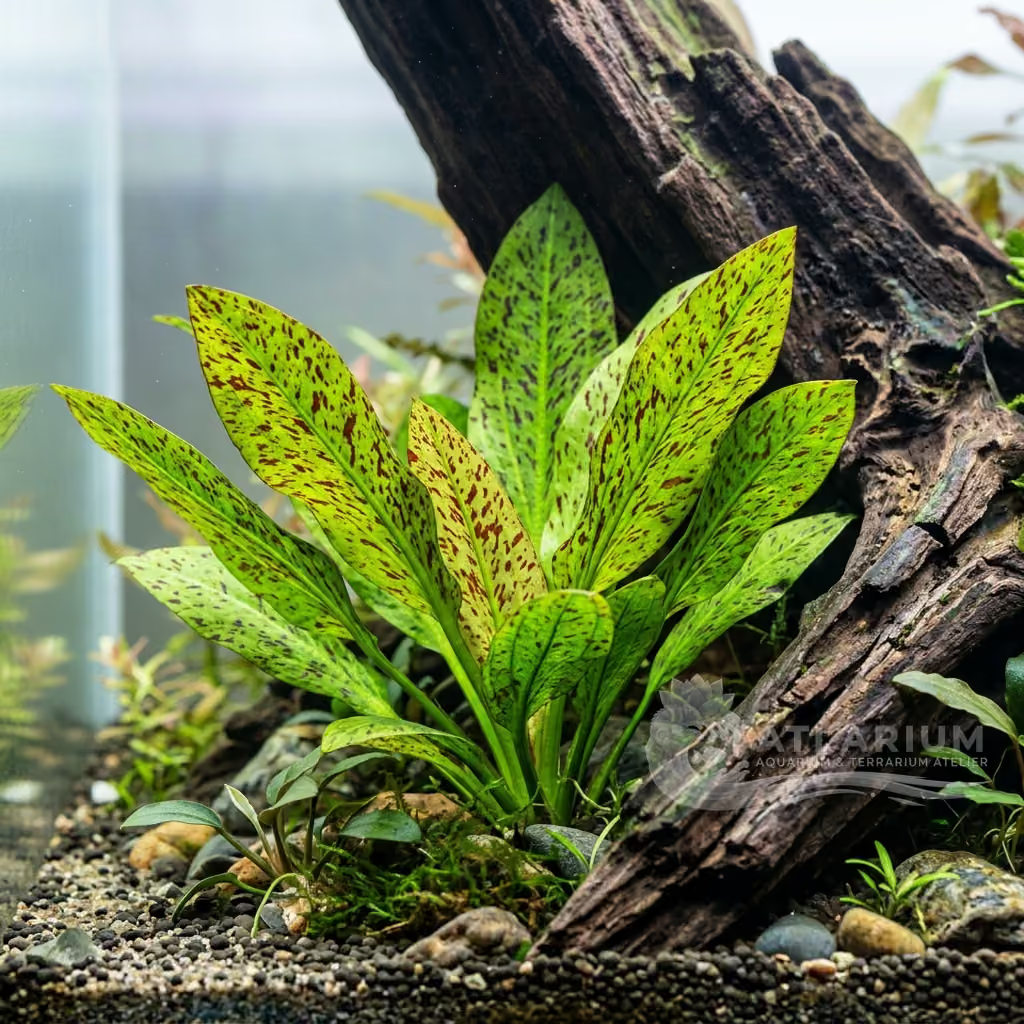
Echinodorus 'Harbich Rot' is an exceptional red-infused variant of the classic Harbich, showcasing profoundly rigid, rounded leaves flushed with vibrant ruby-red margins.
Water Temperature
22 - 28 °C
pH Value
5 - 7
Water type
Freshwater
Light
Medium to High
CO2
Medium - High
KH
0 - 21 dKH

Species description
Geographical Origin and Habitat: This aquatic plant, scientifically known as Echinodorus 'Harbich Rot', has its geographical origins established mainly in the horticultural selections in cultivation. It shares its basic genetics with wild species of the genus Echinodorus native to tropical America. In its native lands, it faces periods of heavy seasonal variations, adapting perfectly to both submerged growth during wet months and emersed growth in dry periods. This natural behavior makes it extremely resilient and versatile when introduced into controlled environments such as home aquariums.
Taxonomy & Genetics: From a systematic point of view, it is a stabilized hybrid cultivar (family Alismataceae), known for its relatively compact size and the reddish
Color & Texture: ation of new leaves. As a representative of this group, it shares many common biological traits but exhibits specific genetic peculiarities that influence its growth rate and fertilization needs. The genetic stability of cultivated strains is ensured in commercial nurseries through rigorous selection and vegetative propagation procedures to keep aesthetic qualities intact.
Physical Structure: Morphologically, the species features a very compact and dense rosette with rounded or slightly oval leaves supported by short, upright petioles, ideal for medium-sized tanks. This type of conformation allows it to occupy three-dimensional space efficiently, while offering natural shelter for small fish and invertebrates. The root system is proportional to the aerial development and plays a key role not only for anchorage but also for nutrient uptake.
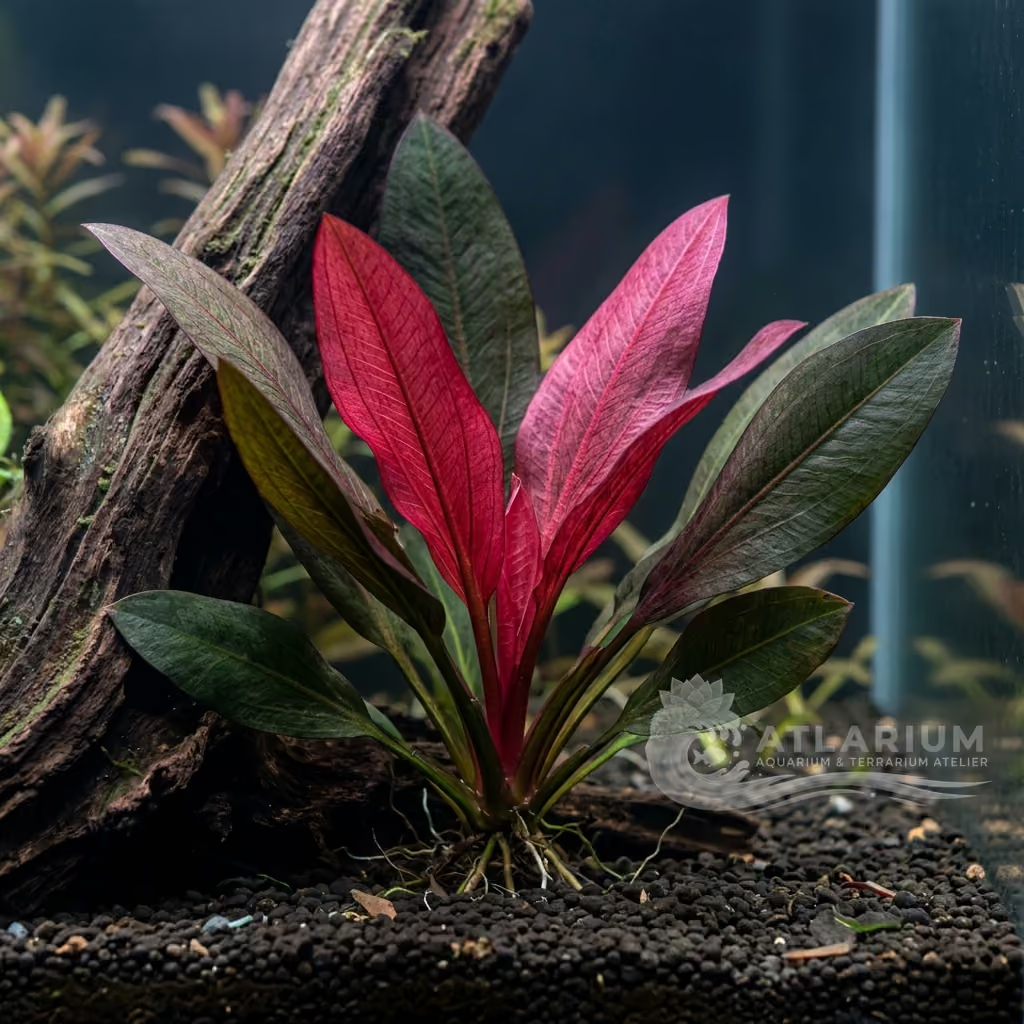
Color & Texture: The chromatic aspect is characterized by dark olive-green mature leaves, while new central shoots present a highly decorative brick-red or copper-red coloration. This visual combination creates an excellent aesthetic impact under aquarium lights, allowing interesting contrast plays with surrounding plants. The leaf texture is designed to withstand the mechanical stress of running water.

Care, breeding and tankmates
Lighting & CO2: For optimal growth, the plant requires medium-high lighting to keep the rosette compact and intensify the red of new leaves; CO2 injection is recommended. Adequate lighting stimulates photosynthesis and prevents the loss of lower leaves, while carbon dioxide supports faster and more vigorous development of the leaf blade.
Nutrition & Substrate: Nutrition must be curated by providing a fertile substrate rich in nutrients, particularly iron. The plant responds positively to the insertion of fertilizer tabs under its roots. The presence of nutrients in the substrate promotes root development and prevents decay phenomena due to the lack of essential micronutrients.
Water Chemistry: Regarding water chemistry, the plant prefers stable temperatures between 15°C and 30°C, pH in the range of 5.0 to 7.0, and water hardness up to 21 dKH. It is important to keep the parameters stable and carry out regular water changes to avoid sudden osmotic shifts that could damage plant tissues.
Space Management & Placement: Layout planning should foresee the midground of the aquarium where it can stand out against green backgrounds, avoiding planting it in shaded areas to prevent weakening. Correct positioning allows the plant to receive uniform light over the entire surface and ensures good water circulation between the leaves.
Pruning: Routine maintenance requires trimming the oldest outer leaves that tend to lose color and get covered with algae, cutting close to the base of the rhizome. This practice prevents decaying old leaves from compromising water quality and constantly stimulates the rejuvenation of the specimen.
Risks & Diseases: Among the main risks is the loss of red growth in case of poor lighting, and the onset of leaf chlorosis if the substrate becomes depleted of iron. Constantly monitoring the plant allows timely intervention with adjustments to fertilization or lighting management before damage becomes irreversible.

Geographic origin and distribution
This aquatic plant, scientifically known as Echinodorus 'Harbich Rot', has its geographical origins established mainly in the horticultural selections in cultivation. It shares its basic genetics with wild species of the genus Echinodorus native to tropical America. In its native lands, it faces periods of heavy seasonal variations, adapting perfectly to both submerged growth during wet months and emersed growth in dry periods. This natural behavior makes it extremely resilient and versatile when introduced into controlled environments such as home aquariums.
Origin
Selective breeding and cultivarsAmazon, Orinoco, and GuianasExtra-Amazon South AmericaCentral America and Caribbean

Plant profile
- Placement
- Midground
- As a striking midground or background plant, depending on the aquarium size, 'Harbich Rot' serves as an excellent focal point. Its colorful rosette contrasts beautifully with bright green plants. Ensure it is placed where it receives unobstructed light, as intense illumination is key to bringing out its red coloration.
- Botanical form
- Rosette
- Similar in shape to the standard 'Harbich', this variant forms a compact, somewhat rounded rosette. The defining feature is its color; new leaves emerge with a distinct reddish or reddish-brown hue. While older leaves may fade to green, the persistent red tones in the center of the rosette provide a beautiful, multi-colored effect.
- Growth
- Medium
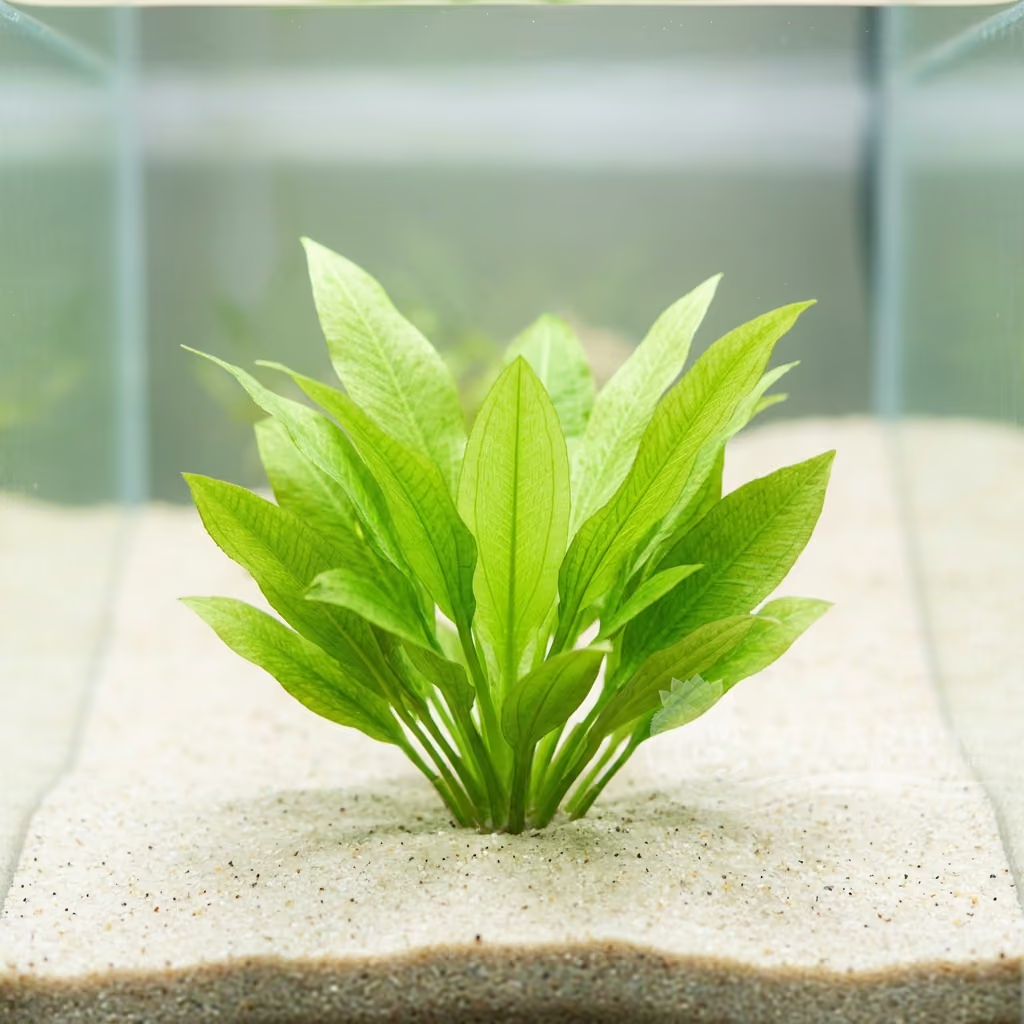
- The growth rate is moderate, heavily influenced by light intensity and nutrient availability. Under high light with CO2 injection and rich fertilization, growth accelerates, and colors intensify. In lower-tech conditions, it grows slower and tends to exhibit more green coloration, though it remains a hardy and attractive plant.
- Substrate
- High
- This cultivar requires a nutrient-dense substrate to support its robust root system and coloration. High-quality aquarium soil or a substrate well-supplemented with iron-rich root tabs is essential. A deep substrate layer allows the extensive roots to anchor firmly and access the necessary nutrients for optimal growth and vibrant display.
- Column fertilization
- Recommended
- Supplemental liquid fertilization is highly beneficial for maintaining the vibrant colors of 'Harbich Rot'. Dosing a comprehensive fertilizer with extra iron and trace elements in the water column ensures these nutrients are readily available for foliar uptake, supporting the plant's intense pigmentation.
- Root fertilization
- Required
- Intensive root feeding is critical. Regular application of high-quality, iron-fortified root tabs placed deep into the substrate near the root mass is essential for sustaining the reddish coloration. This targeted fertilization ensures the strong roots have continuous access to the necessary macronutrients and trace elements.
- Trimming
- Occasional
- Maintenance is minimal, consisting of snipping off the oldest, greenest leaves at the base to encourage the plant to produce fresh, red foliage. Never cut the leaves mid-stem, as the thick stalks will rot slowly and pollute the water. Its compact habit rarely requires volume reduction.
- Propagation
- Division
- Propagation is primarily achieved via adventitious plantlets that form on flowering runners. Once these plantlets develop sufficient roots and several leaves, they can be carefully removed and planted. Division of the mature central rhizome is also possible but should be done with care to avoid damaging the plant.
- Sensitivity
- Moderate
- It is a very sturdy plant but highly light-demanding if the red coloration is to be maintained. In lower light, it becomes entirely green. Its broad, slow-growing leaves are particularly susceptible to Green Spot Algae if nutrient ratios in the water column become unbalanced.
- Layout role
- Midground
- It provides a fantastic, low-growing splash of red in the midground without the rapid, unruly growth of red stem plants. Its rounded, leathery leaves offer incredible texture contrast against delicate carpeting species. It is a highly durable and long-lasting focal point that withstands boisterous tank inhabitants.

Related species
Recommendations grouped by close relatives, companion choices, and similar care.