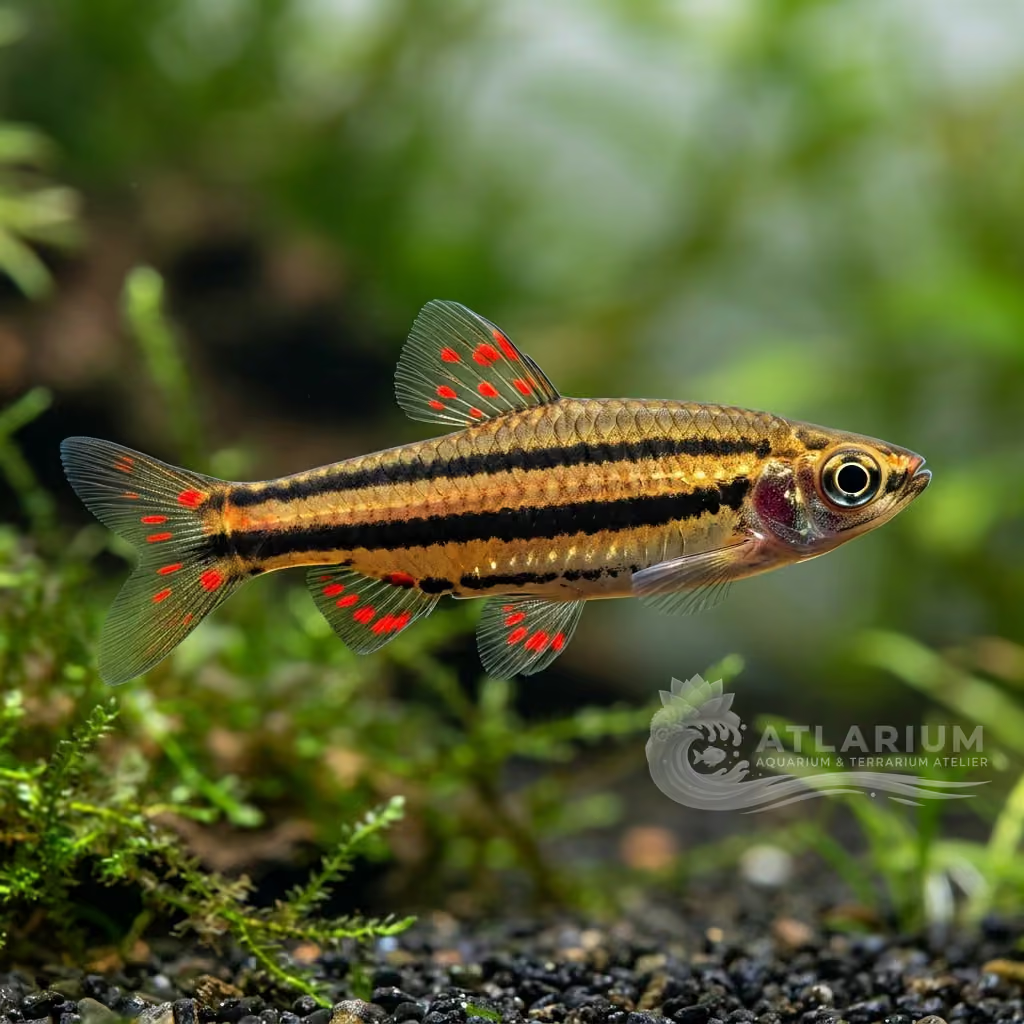
Zebra Acara (Ivanacara adoketa)
Nannacara adoketa
The Zebra Acara is endemic to the Rio Uaupès system, living in flooded jungles. It strictly requires a blackwater biotope with fine sand heavily blanketed in leaf litter and intricate roots.
Water Temperature
26 - 29 °C
pH Value
4 - 5.5
Water type
Freshwater
Tank level
Bottom
Adult size
10 cm
Minimum tank volume
>= 100 L
Minimum group
>= 1
GH
0 - 3 dGH
KH
1 - 2 dKH
TDS
10 - 65 ppm
Conductivity
16 - 102 uS/cm

Species description
Geographical Origin and Habitat: Micro-endemism of the Rio Uaupès system, upper tributary of the Rio Negro in Brazil. Lives in flooded jungle environments and slow streams with soil heavily carpeted by a thick litter of rotting leaves, drowned roots and coffee-colored waters from humic acids.
Taxonomy and Morphology: Originally described as Nannacara adoketa, it was later reclassified. Stocky and compact body like a small aquatic bulldog, with a massive snout. Males exceed 8-10 cm (3-4 inches), a truly robust 'dwarf'.
Social Behavior: Formidable character for a small cichlid. They are fiercely and tenaciously territorial. They stealthily hunt among the muddy substrate and explore the aquarium. Extremely bellicose with specimens of the same species if they have not formed a fixed pair (they can kill each other).
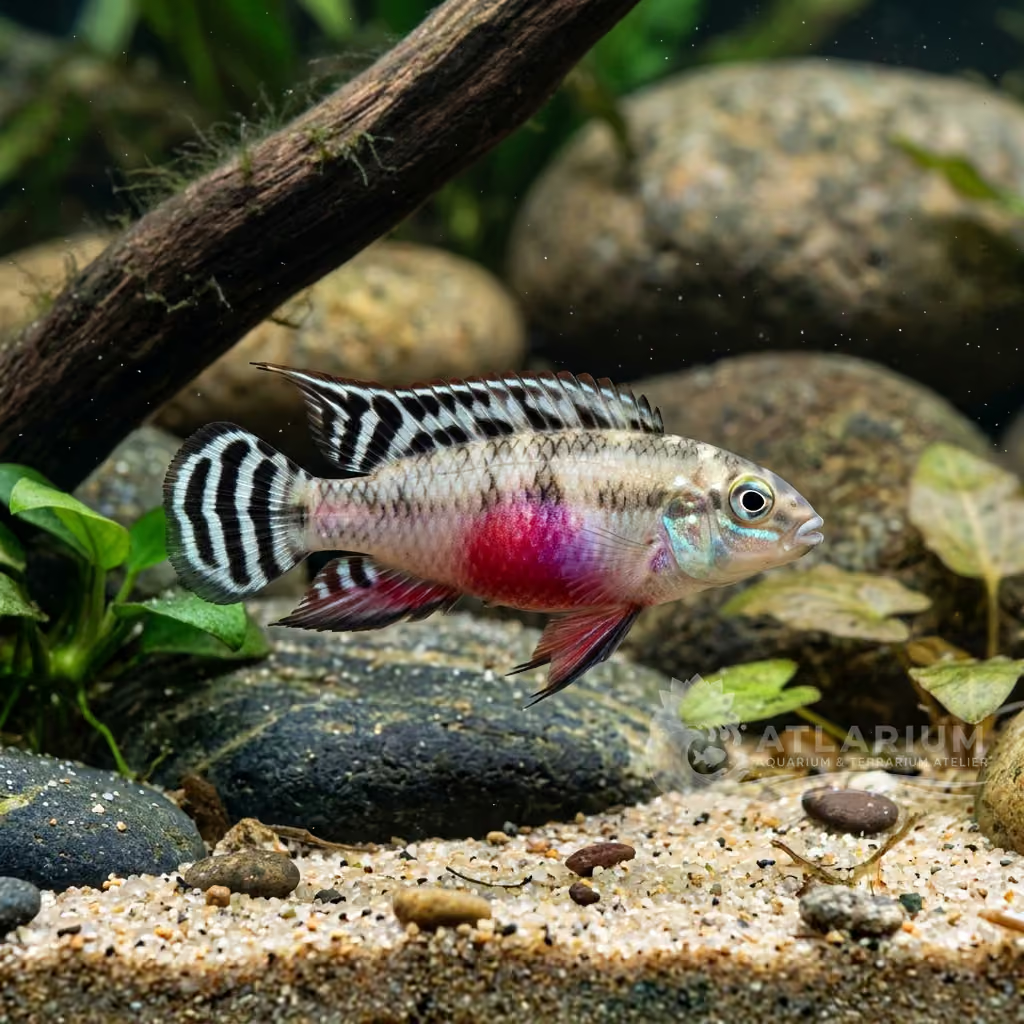
Coloration and Sexual Dimorphism: Spectacular and unmistakable. Zebra body: very dark or black vertical bands deeply engraved on a background that varies from pale pink to bright burgundy to iridescent ice blue. The contrast is hypnotic. Breeding females become intensely dark checkerboard; the male has bright blue streaks on the snout and dorsal fins edged in scarlet red and elongated cobalt.

Care, breeding and tankmates
Aquarium Setup: Essential horizontally developed tank (minimum 80x40 cm / 30x16 inches base). Mandatory Blackwater biotope: fine mud-colored sand bottom generously covered with oak or Catappa leaves (litter simulation) to be replenished as they rot. Use alder cones and intricate roots. Light must be dim (amber).
Diet and Feeding: Strict micro-predators. They feed on benthic invertebrates. Extremely reluctant to classic dry feeds. They demand daphnia, enchytraeids (fresh live worms), highest quality frozen bloodworms and mysis. Rapid starvation if poorly fed.
Water Quality: ACHILLES HEEL OF THE SPECIES. Fish for experts. The water must be VERY PURE, zero nitrates, almost completely demineralized (TDS under 80 ppm, GH 0-3) and markedly acidic. A pH of 4.5-5.5 is indispensable both for their health and to block bacterial development to which they are not accustomed in nature. Scorching temperatures (26-29°C / 79-84°F).
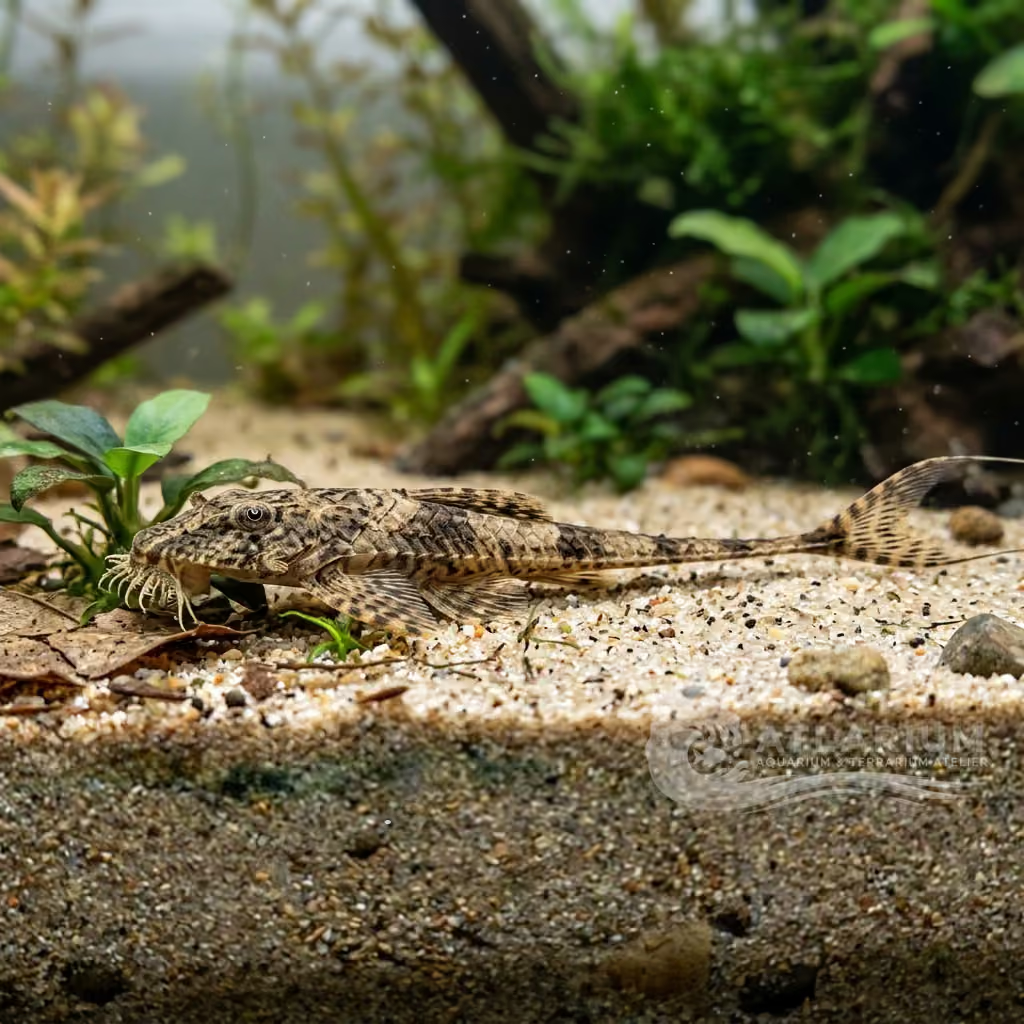
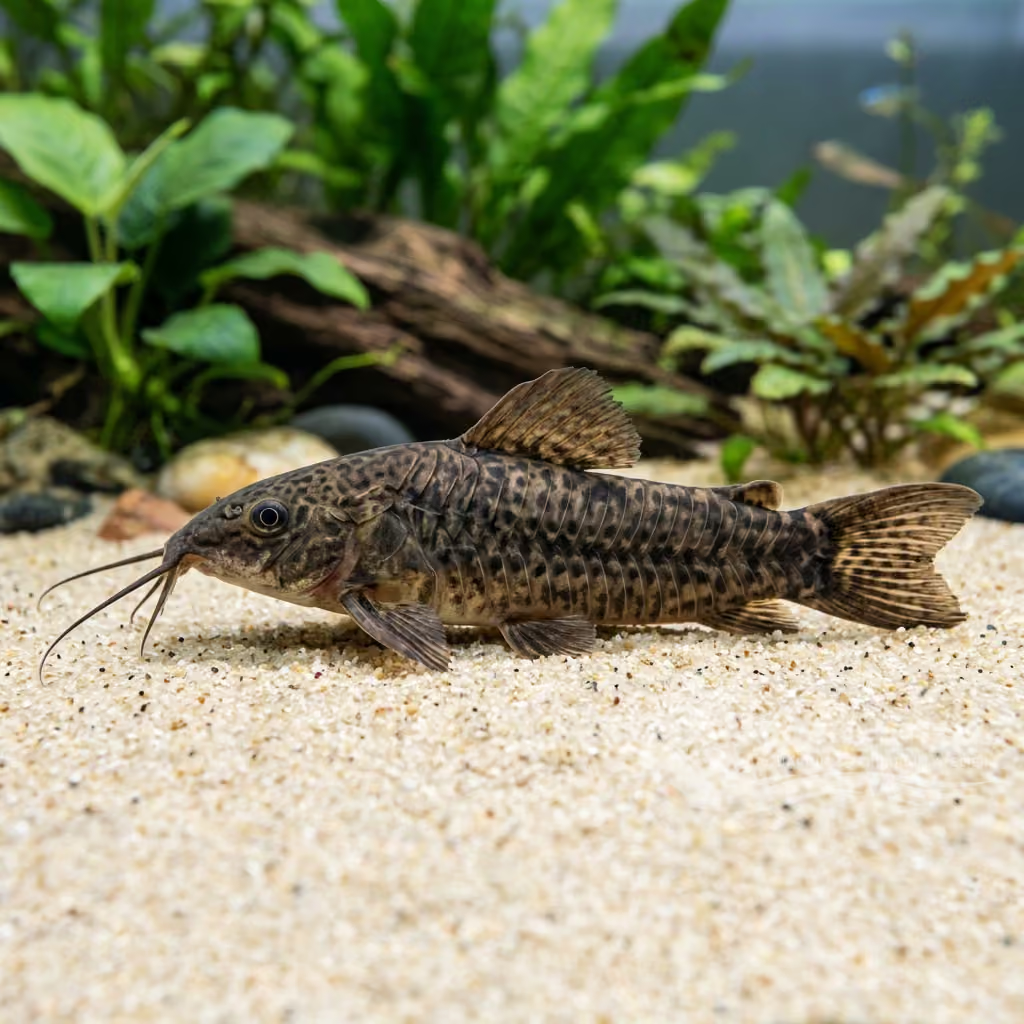
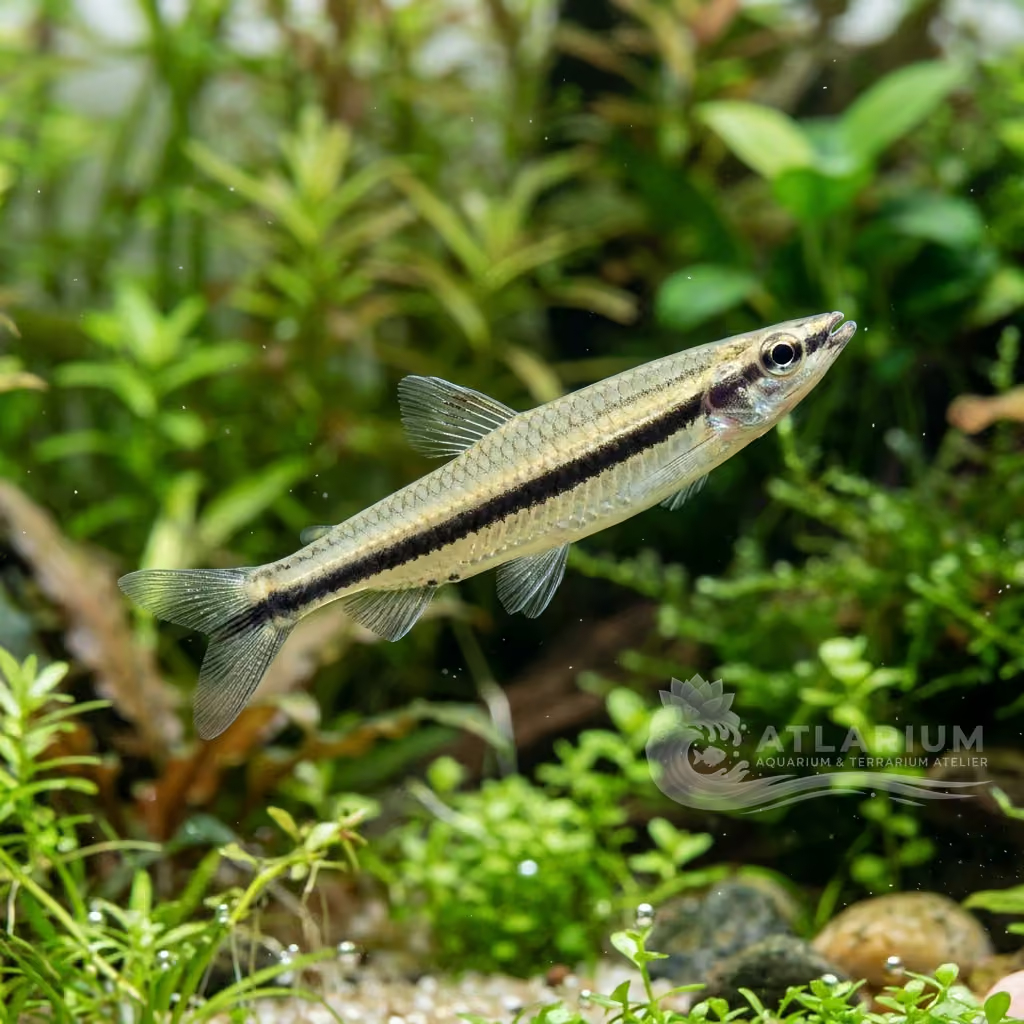
Compatibility and Cohabitation: Difficult to match. Ideal model is a specific aquarium for a single formed pair (Species tank). Compatible, in tanks over 120 cm (48 inches), with schools of small Nannostomus (pencilfish) on the surface and some acid-tolerant loricariids. They do not tolerate competition on the bottom from Corydoras, and would kill other dwarf cichlids.
Aquarium Breeding: Difficult but fascinating species. They lay in dark and semi-closed cavities (coconuts) in water with very high acidity (pH ~4.5). Very strict and heroic biparental care. Parents stroll with the micro-fry grazing among the decomposed leaves. The greatest danger is pH fluctuations.
Risks and Diseases: Lethal bacterial infection (ulcerations and explosive fin-rot) as soon as nitrates rise or pH exceeds 6.5. Very expensive fish intolerant to carelessness of water chemistry.

Geographic origin and distribution
Micro-endemism of the Rio Uaupès system, upper tributary of the Rio Negro in Brazil. Lives in flooded jungle environments and slow streams with soil heavily carpeted by a thick litter of rotting leaves, drowned roots and coffee-colored waters from humic acids.
Origin
Amazon, Orinoco, and Guianas

Fish profile
- Temperament
- Semi-aggressive
- They possess a fierce, bold, and highly territorial temperament that belies their small size. They will confidently attack aquascaping tools and hands placed in their tank. Once a pair establishes a territory, they rule the bottom of the aquarium.
- Diet
- Omnivore
- They are strict carnivores that feed on insects and small crustaceans in their natural habitat. In captivity, they require a high-quality diet of live and frozen foods like bloodworms, brine shrimp, and daphnia. They often completely ignore dry pellets or flakes.
- Life expectancy
- 5-8 years
- Adult size
- 10 cm
- Sex ratio
- Pair
- Males grow significantly larger, possess extended fin trailers, and display striking zebra-like facial striping. Females are smaller, plumper, and typically exhibit a more subdued, darker coloration, especially when breeding. A compatible male-female pair is essential for harmony.
- Feeding frequency
- Twice daily
- Feed them small portions of meaty foods once or twice a day. Ensure that the food sinks to the bottom where they prefer to hunt. Overfeeding should be avoided to prevent water quality issues.
- Bioload
- Low
- This dwarf cichlid produces a moderate bioload for its size. Good biological filtration is essential, as they are exceptionally sensitive to poor water quality. Frequent, meticulous water changes are critical for their long-term health and breeding success.
- Flow
- Stagnant
- They require very gentle water flow, mimicking the stagnant, blackwater pools they originate from. Strong currents will cause them severe stress and hinder their ability to establish territories. Sponge filters are the most appropriate filtration method.
- Jump risk
- Yes
- Jumping is a moderate risk, primarily if they are being relentlessly bullied by a mate. A secure lid is recommended, as with most aquariums. Dense cover from floating plants also helps mitigate any jumping instinct.
- Reproduction
- Oviparous
- Breeding requires extremely soft, acidic blackwater and a bonded pair. They are secretive cave spawners, and both parents participate intensely in guarding the eggs and fry. The pair bond is very strong, but extreme aggression can occur if the bond breaks.
- Compatibility & tankmates
- Highly aggressive
- They are highly aggressive and territorial, especially for a dwarf cichlid. They are best kept in a dedicated species tank or with fast-moving, top-dwelling dither fish like pencilfish. Avoid keeping them with other bottom dwellers or cichlids, as they will fight relentlessly.
- Tank level
- Bottom
- They exclusively inhabit the bottom region of the aquarium, rarely venturing into the open water column. The tank must be laden with leaf litter, driftwood tangles, and multiple caves for them to establish territories. They require a dim, highly structured environment.

Scientific Parameters & Models
FishBase
Window to the official scientific data of the species
FishBase v25.04Data synced on: 06/15/2026
- Trophic level
- 3.1 ± 0.5 se
- Resilience
- High (less than 15 months)
- Phylogenetic uniqueness (PD50)
- 0.5156
- Bayesian Length-Weight
- a = 0.00776, b = 3.12
- VulnerabilityLow vulnerability (10 / 100)

Related species
Recommendations grouped by close relatives, companion choices, and similar care.